
Washington DC travel guide
Washington DC
Washington DC separates into three layers: the National Mall’s free monuments and museums along L’Enfant’s original corridor, the government buildings of Capitol Hill, and residential neighborhoods such as Georgetown, U Street and the Wharf, each a Metro ride away. Pair the Mall’s free museums with Capitol Hill’s timed-entry buildings, and let each neighborhood earn its own half-day.

Find your Washington DC experience
Activities
Featured activities in Washington DC


Prices at a glance
What we sell today and what recent flight searches found. No hotel prices; nothing here is a trip total.
- Tours and tickets in Washington DCfrom US$26.90
Live from Viator when this page loaded · per adult · changes by date.
Flights to Washington DC
- From Londonone-way from £288
Lowest fare seen in recent flight searches for that route; the airline or booking site confirms the final fare.
Plan Washington DC by time and budget
Top experiences
Top experiences in Washington DC
U.S. Capitol
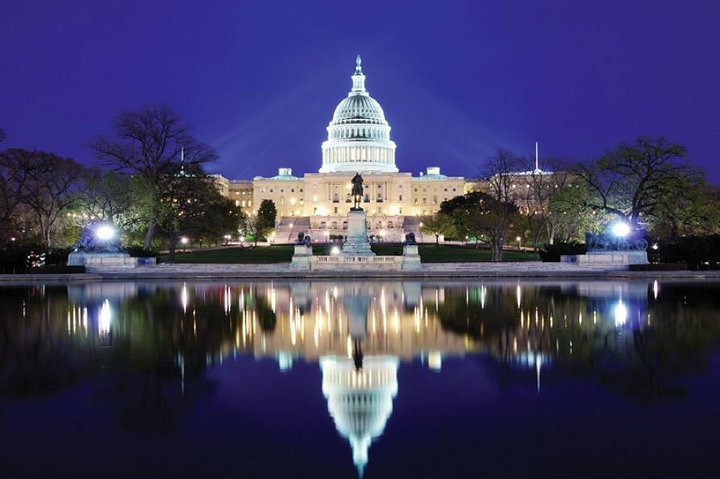
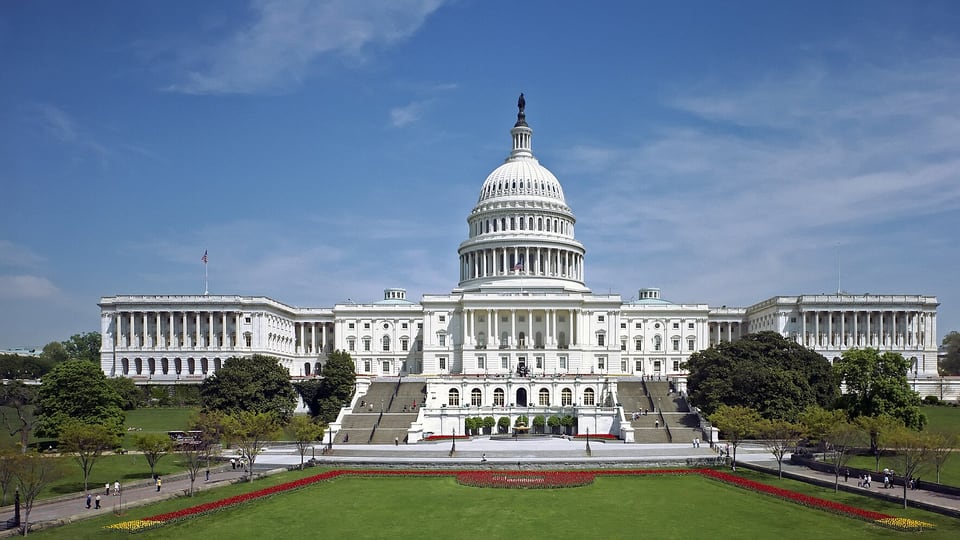
Free guided tours lead visitors through the Crypt, the Rotunda and National Statuary Hall, though not the Senate and House galleries, which need a separate congressional pass.
Best for: First-time visitors wanting to see the seat of the legislative branch up close · Area: Capitol Hill, east end of the National Mall
Plan for Reservations are recommended; walk-ins without one should arrive by 2:30pm to be placed on the next available tour, or risk missing the day’s last slot.
Lincoln Memorial
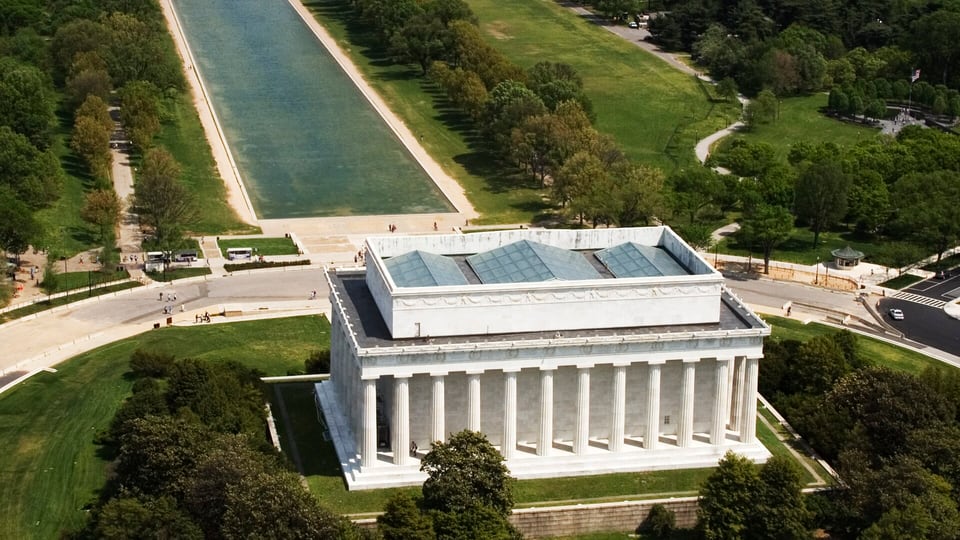
Open to the public 24 hours a day and free, the memorial anchors the Mall’s west end above the Reflecting Pool, with rangers on-site from 9:30am to 10pm daily.
Best for: Travellers wanting the Mall’s single most recognizable monument at any hour · Area: West end of the National Mall
Plan for Being unticketed and always open also means it is rarely uncrowded during daytime hours, so an early or late visit rewards more than a midday one.
Washington Monument
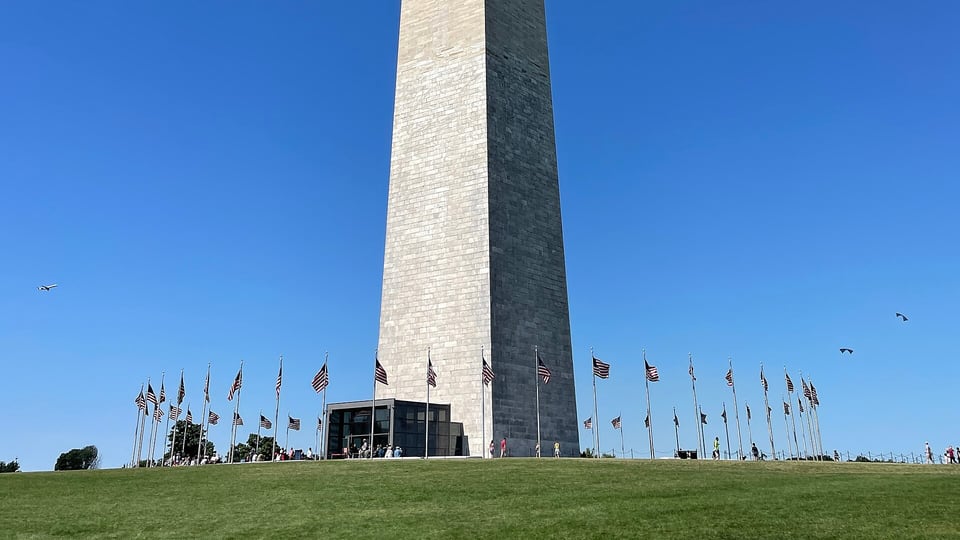
The 555-foot obelisk requires a timed-entry ticket for the elevator to its observation deck, released online 30 days ahead with same-day tickets distributed on-site from 8:45am.
Best for: Visitors who want the Mall’s highest viewpoint, not just its grounds · Area: Center of the National Mall, between the Capitol and the Lincoln Memorial
Plan for Same-day tickets are first come, first served, so a visitor with a fixed schedule should book 30 days ahead rather than count on a walk-up ticket.
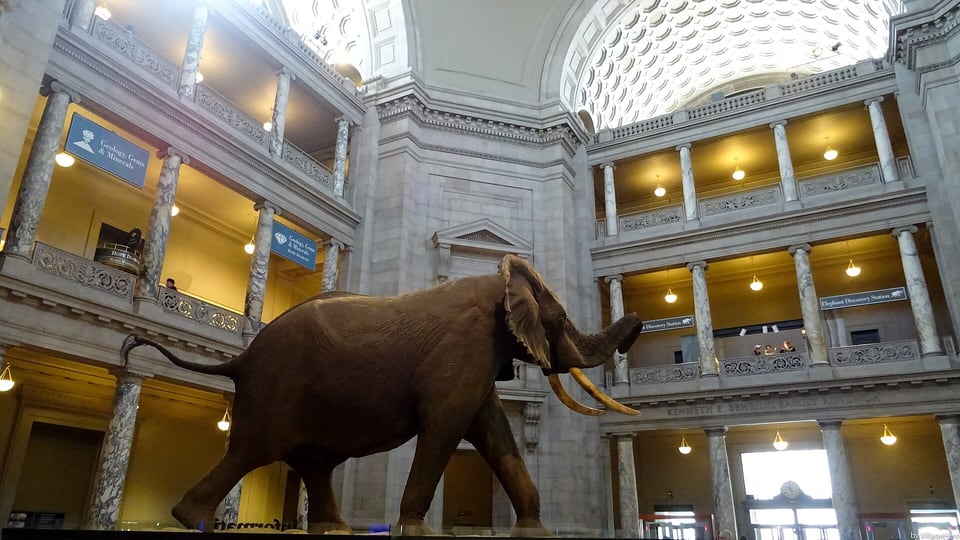
National Museum of Natural History
The Smithsonian museum charges no admission and needs no ticket, open seven days a week with extended hours in spring and summer.
Best for: Travellers who want museum depth without booking a pass in advance · Area: National Mall, Constitution Avenue at 10th Street NW
Plan for The collection is large enough that a thorough visit needs a genuine half-day; a rushed stop between other sights covers only a fraction of it.
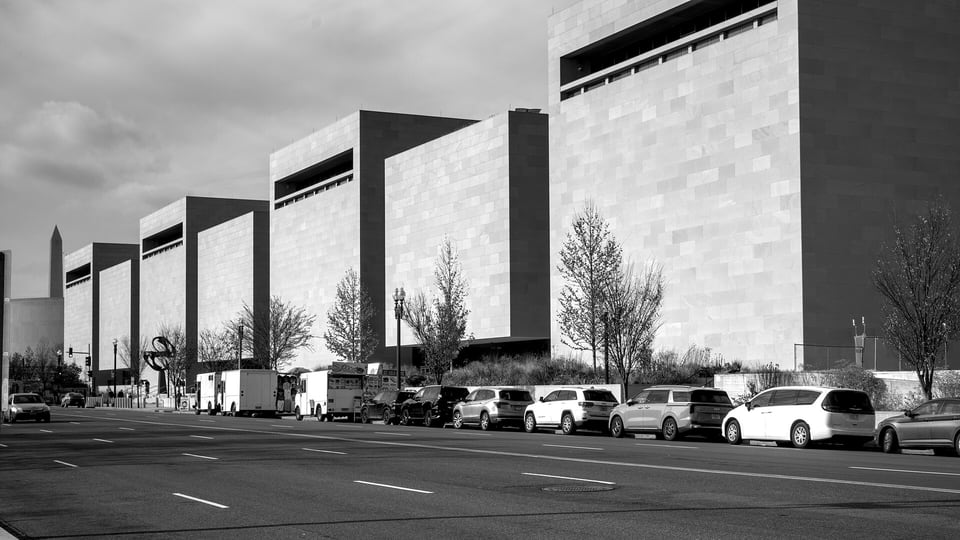
National Air and Space Museum
Free but requiring a reserved timed-entry pass, the museum finished a multi-year, gallery-by-gallery renovation with five newly rebuilt galleries opening on July 28, 2026.
Best for: Aviation and space travellers, and anyone wanting DC’s most popular Smithsonian museum · Area: National Mall, Independence Avenue at 6th Street SW
Plan for The renovation means which galleries are actually open changes through 2026, so checking the current gallery list before visiting matters more here than at most museums.
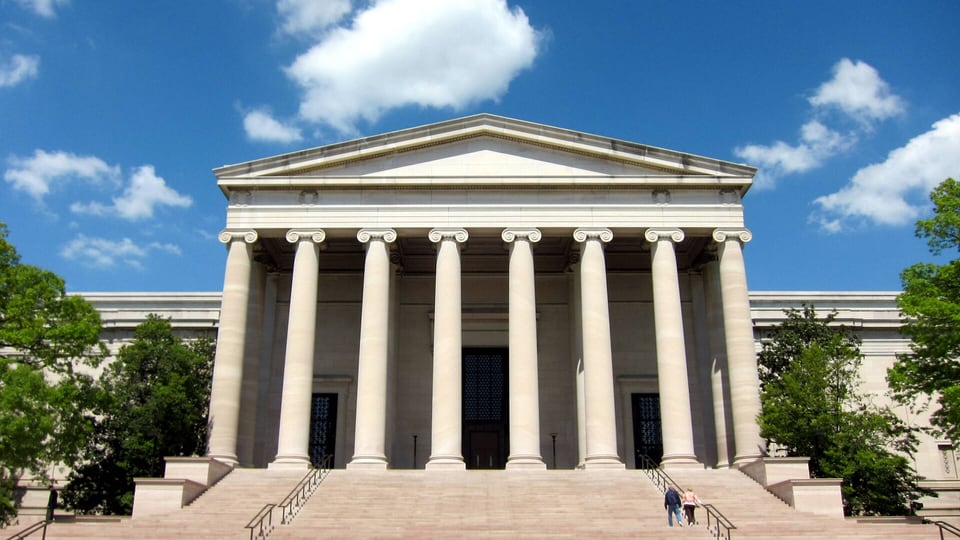
National Gallery of Art
Free and open daily except December 25 and January 1, the Gallery spans a West Building, an East Building and a Sculpture Garden along the Mall’s north side.
Best for: Art-focused travellers wanting a major collection without an admission fee · Area: National Mall, Constitution Avenue between 4th and 7th Streets NW
Plan for The West and East Buildings sit several blocks apart, so covering both properly needs real walking time rather than a single quick pass-through.
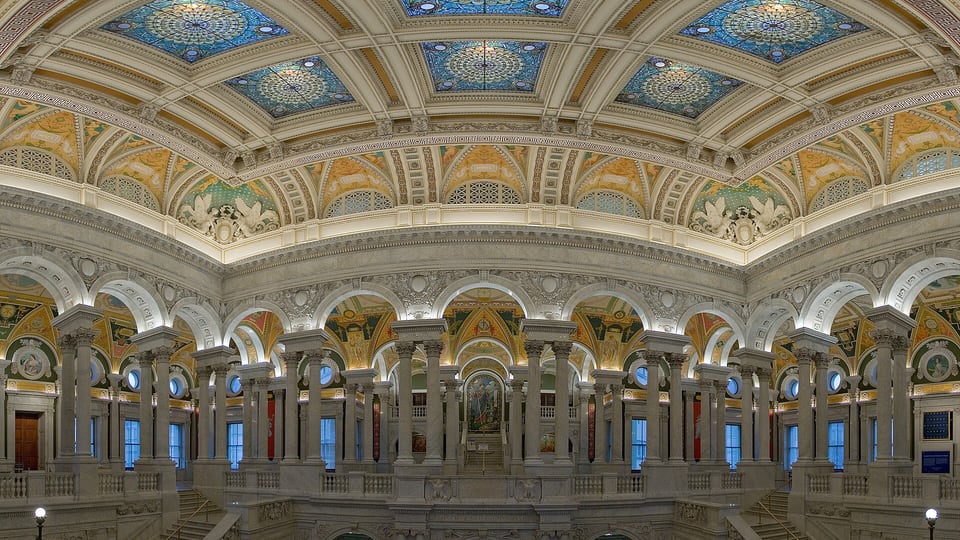
Library of Congress
The Thomas Jefferson Building’s Great Hall and reading rooms are free to enter, but need a timed-entry pass released 30 days ahead, with same-day passes online each morning.
Best for: Visitors who want the Capitol Hill day to include an architectural interior, not only the Capitol tour · Area: Capitol Hill, First Street SE, across from the Capitol
Plan for The building closes Sundays and Mondays, so a Capitol Hill day built around both sights needs to fall Tuesday through Saturday.
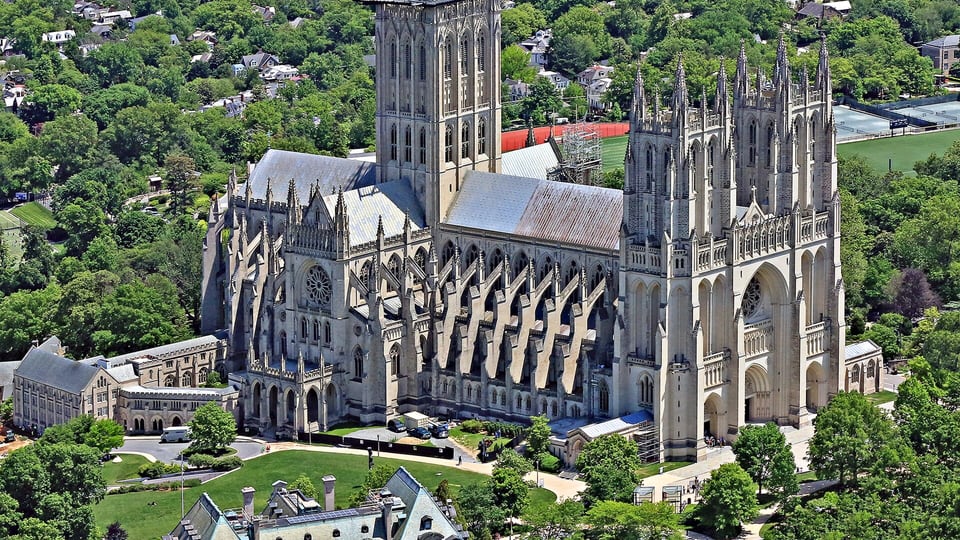
Washington National Cathedral
The Gothic cathedral sells self-guided sightseeing tickets bundled with an audio-guide app, plus separately priced guided and themed tours, and charges nothing for worship services or private prayer.
Best for: Travellers wanting Gothic architecture and stained glass away from the Mall’s federal buildings · Area: Upper Northwest, Massachusetts and Wisconsin Avenues NW
Plan for It sits well north of the Mall and Capitol Hill, on the far side of Georgetown, so it needs a dedicated Metro or bus trip rather than a walk-on stop.

Smithsonian's National Zoo
Free to enter but requiring a reserved pass for every guest, the Zoo’s grounds open at 8am with animal buildings opening an hour later and last entry at 3pm.
Best for: Families and travellers wanting a green, outdoor break from the Mall’s paved core · Area: Woodley Park/Adams Morgan, Connecticut Avenue NW
Plan for The free pass requirement applies to infants as well as adults, so the whole party’s passes need reserving together rather than one per booking.
Plan one, three or five-plus days in Washington DC
One day: the monumental core on foot
Walk the National Mall itself: the Lincoln Memorial and Reflecting Pool first, then east past the Washington Monument to at least one Smithsonian museum before the day runs out. Book the Monument's timed-entry ticket ahead if you want the observation deck.
National Mall and Memorial Parks sites are open to the public 24 hours a day and free, so the monuments themselves never gate a one-day plan; the Smithsonian museums keep standard daytime hours and are the actual pacing constraint.
The trade-off Adding the U.S. Capitol or the Library of Congress the same day usually means treating one of the Smithsonian museums as a walk-through rather than a real visit, since both Capitol Hill buildings sit a 20 to 30-minute walk from the Mall's museums.
Three days: the Mall, Capitol Hill and one free-form day
Spend day one on the Mall's west end: the Lincoln Memorial, the Washington Monument and the National Museum of Natural History or the National Gallery of Art. Give day two to Capitol Hill: a Capitol tour (reserve ahead, or arrive by 2:30pm for the walk-in list) and the Library of Congress's Thomas Jefferson Building, both needing their own free timed passes. Use day three for whichever of the National Air and Space Museum, Washington National Cathedral or the National Zoo matches your interests, since each sits in a different part of the city.
The Capitol and the Library of Congress are a five-minute walk apart on Capitol Hill, both requiring their own separate ticket or pass, so pairing them deliberately on one day is more efficient than treating either as an add-on to a Mall day.
The trade-off Splitting the National Cathedral, the Zoo and Air and Space across three different half-days is possible, but each is a Metro ride from the Mall in its own direction, so bunching more than one into a single afternoon usually means cutting one of them short.
Five days or more: add Georgetown, the Wharf and U Street
Use a fourth day for Georgetown: the C&O Canal towpath, the Georgetown waterfront and an afternoon of independent shopping and dining, reached by bus or a 15-minute walk from the Foggy Bottom Metro station since Georgetown has no station of its own. Use a fifth day for the Wharf's Municipal Fish Market and U Street's jazz and civil-rights history, including Ben's Chili Bowl, rather than treating either as a stop between Mall days.
Georgetown predates the federal city itself, founded as a Potomac River shipping port in 1751, four decades before the Residence Act created Washington; its character and pace differ enough from the Mall's monuments that it rewards its own day rather than a rushed afternoon detour.
The trade-off Adding Georgetown, the Wharf and U Street to a five-day stay works well when each gets its own half or full day; compressing all three into the spare hours around Mall sightseeing undercuts the reason to add the extra days at all.
Costed plans: One Day in Washington DC: Free to Splurge → · Washington DC in 3 Days: Mall, Monuments →
Sources
checked 2026-09-23. Recommendations are editorial judgements based on the cited sources below.
Choose a Washington DC base and explore nearby
National Mall and Monumental Core: a base for walking to every free monument
Consider this base when minimizing the walk to the Lincoln Memorial, the Washington Monument and the Mall's museums matters more than evening dining options on your own doorstep.
Pierre L'Enfant's 1791 plan for the federal city set aside the westward corridor from the Capitol as public land; that corridor became the National Mall, so its museums and memorials sit on one continuous, walkable line by design rather than by accident.
The trade-off Hotels directly on or beside the Mall are limited and the area itself has little evening street life once the museums close, so a Mall-adjacent base trades neighborhood atmosphere for walking distance to the monuments.
Capitol Hill: a base for the Capitol, the Library of Congress and Eastern Market
Consider this base when reaching the Capitol tour and the Library of Congress on foot, plus a genuine residential neighborhood with its own historic market, matters more than being inside the Mall's museum row.
Eastern Market, a National Historic Landmark market hall designed by Adolph Cluss, has operated continuously since 1873 and remains Capitol Hill's own food and produce market rather than a Mall-adjacent attraction.
The trade-off Capitol Hill sits east of the Mall's museums, so a stay here trades a short walk to the Smithsonian buildings for a quieter, more residential evening and easier access to the Capitol itself.
Georgetown: a base for the waterfront, shopping and dining away from the Mall
Consider this base when a historic Potomac riverfront neighborhood with independent shopping and dining matters more than walking distance to the Capitol or the Smithsonian museums.
Georgetown predates the federal city by four decades, founded as a tobacco shipping port in 1751, and never received its own Metro station, so it keeps a self-contained, less transit-oriented character than the Mall-adjacent neighborhoods.
The trade-off A Georgetown base gives up a one-seat Metro ride to the Mall and the Capitol; the closest station, Foggy Bottom-GWU, is about a 15-minute walk from the C&O Canal, so plan an extra 20 to 30 minutes each way to the monuments.
Sources
checked 2026-09-23. Recommendations are editorial judgements based on the cited sources below.
Airport and getting around
Reagan National Airport connects directly to WMATA’s Blue and Yellow Metro lines at its own station, closer to the terminals than the airport’s own parking lots. Dulles International connects by the Silver Line, with the walk between the train station and the main terminal around 600 feet and roughly 7 to 8 minutes.
Union Station, a short walk or one Metro stop from Capitol Hill, is Amtrak’s second-busiest station nationwide, with total annual traffic across all rail and transit services above 37 million people. Metrorail links the Mall, Capitol Hill, U Street and the Wharf directly, though Georgetown has no station of its own.
Best time to visit
Spring (March–May)
The National Cherry Blossom Festival draws an estimated one million visitors to the Mall each spring, making late March and early April the year’s most crowded planning window.
- Crowds
- Varies by event and attraction
Summer (June–August)
The warmest and most humid stretch in the Reagan National Airport normals, with July averaging an 89.6°F high, and the wettest season, so afternoon thunderstorms are common.
- Crowds
- Varies by event and attraction
Autumn (September–October)
Cools gradually from summer’s peak, giving comfortable walking weather along the Mall without the spring festival’s crowds or the summer humidity.
- Crowds
- Varies by event and attraction
Winter (December–February)
The coldest stretch, with January averaging a 44.8°F high and a 30.1°F low, though the free museums and monuments stay open, with far fewer crowds.
- Crowds
- Varies by event and attraction
Food, markets and local life
Eastern Market, a National Historic Landmark designed by Adolph Cluss, has operated continuously on Capitol Hill since 1873, one of the few of DC’s original public market buildings still trading as a market today.
The Wharf’s Municipal Fish Market, trading since 1805 as America’s oldest continuously operating open-air fish market, and U Street’s Ben’s Chili Bowl, serving its half-smoke since 1958, anchor two very different DC food traditions.
City profile
- Population (District of Columbia, US Census Bureau July 2024 vintage population estimate, 2024): 702,250
Congress passed the Residence Act on July 16, 1790, establishing a permanent federal capital on the Potomac River, a date the Library of Congress treats as the city’s founding.
President Washington appointed Pierre L’Enfant in 1791 to design the new capital. His plan laid diagonal avenues over a street grid and reserved the westward corridor from the Capitol as public land, which became the National Mall.
Famous for:
- The seat of the United States’ federal government: the Capitol, the White House and the Supreme Court all within walking distance under L’Enfant’s original plan.
- The Smithsonian Institution’s Mall museums, nearly all free to enter, an unusually unticketed museum scene for a national capital.
- The National Cherry Blossom Festival, drawing an estimated one million visitors to the Mall each spring.
What makes a Washington DC visit worthwhile
The National Museum of Natural History, the National Gallery of Art and most other Smithsonian buildings charge no admission, so a museum-heavy week costs little beyond the trip itself. A few, like Air and Space and the Zoo, still need a free timed pass reserved ahead.
L’Enfant’s westward corridor from the Capitol put the Mall’s monuments and museums on one walkable line, so a visitor can move between the Lincoln Memorial, the Washington Monument and several museums entirely on foot in a single day.
- Plan by area
- National Mall · Capitol Hill · neighborhoods
- Good first stay
- Core in 3 days, neighborhoods add 2 more
- Climate constraint
- Hot, humid summers · Cold Dec–Jan
- Main airports
- DCA · IAD, both on Metrorail
Planning your Washington DC visit: FAQs
Which Washington DC sights are free to visit?
Most of the Mall is free: every NPS memorial, the Natural History Museum and the National Gallery of Art charge no admission. A few, including Air and Space and the Zoo, are free but need a reserved pass, and the Monument needs a timed ticket. The Cathedral is the one paid sight here.
Do I need to book anything in advance?
Yes for several sights: the Washington Monument, the National Air and Space Museum, the Library of Congress and the Zoo all require a free timed-entry pass, most released 30 days ahead with same-day options for latecomers.
How should I divide Washington DC into days?
Plan by area, not a single checklist: the Mall’s monuments and museums, Capitol Hill’s ticketed buildings, and neighborhoods such as Georgetown, U Street and the Wharf each reward their own dedicated time.
When is Washington DC hottest, coldest or wettest?
National Weather Service normals for Reagan National Airport put July as the warmest month and January as the coldest, with summer the wettest season. Treat these as a long-run pattern to plan around, not a forecast for your travel dates.
How does cherry blossom season change a trip?
The National Cherry Blossom Festival, held every spring, draws an estimated one million visitors to the Mall, so a March or April trip should expect the year’s busiest crowds and book timed passes earlier than usual.
Can I walk to Georgetown from the Mall on the Metro?
Georgetown has no Metro station of its own. The closest, Foggy Bottom-GWU on the Blue and Orange lines, is about a 15-minute walk from the C&O Canal, so budget extra time or take a bus.
Make your Washington DC plans
Compare tours, tickets and activities in Washington DC →
Choose your departure market and search flights to Washington DC from the Mubboo Flights homepage.
Compare flights ↗Sources
Latest source check: .
Show all 23 sources
- National Park Service — National Mall and Memorial Parks overview (checked 2026-09-23)
- National Park Service — National Mall and Memorial Parks hours and admission (checked 2026-09-23)
- National Park Service — Washington Monument, plan your visit (checked 2026-09-23)
- National Park Service — the L'Enfant Plan (checked 2026-09-23)
- Visit the Capitol — plan a visit (checked 2026-09-23)
- Smithsonian — National Museum of Natural History, plan your visit (checked 2026-09-23)
- Smithsonian — National Air and Space Museum, plan your visit (checked 2026-09-23)
- Smithsonian Institution — National Air and Space Museum, five new galleries open 28 July 2026 (checked 2026-09-23)
- National Gallery of Art — plan your visit (checked 2026-09-23)
- Library of Congress — visiting hours (checked 2026-09-23)
- Library of Congress — Residence Act research guide (checked 2026-09-23)
- Washington National Cathedral — self-guided sightseeing (checked 2026-09-23)
- Smithsonian's National Zoo — plan your visit (checked 2026-09-23)
- DC Office of the Mayor — Census Bureau population data, July 2024 (checked 2026-09-23)
- WMATA — airport and rail connections (checked 2026-09-23)
- Amtrak — Washington Union Station concourse modernization project (checked 2026-09-23)
- National Weather Service (Baltimore/Washington) — Washington, Reagan National Airport climate normals (checked 2026-09-23)
- DC Historic Sites (DC Preservation League) — Eastern Market (checked 2026-09-23)
- The Wharf DC — Municipal Fish Market (checked 2026-09-23)
- DC Great Streets (dc.gov) — Ben's Chili Bowl and half-smokes (checked 2026-09-23)
- Georgetown DC — the C&O Canal (checked 2026-09-23)
- Boundary Stones (WETA) — Georgetown's nonexistent Metro stop (checked 2026-09-23)
- The booking platform — Washington DC destination mapping d657 (checked 2026-09-23)
Photo credits
- us capitol — United_States_Capitol_-_west_front.jpg : Architect of the Capitol derivative work: O.J. · Public domain.
- lincoln memorial — Carol M. Highsmith · Public domain.
- washington monument — Greyfiveys · CC BY-SA 4.0.
- national museum of natural history — VillageHero from Ulm, Germany · CC BY-SA 2.0.
- national air and space museum — Marc Merlin · CC BY-SA 4.0.
- national gallery of art — AgnosticPreachersKid · CC BY-SA 3.0.
- library of congress — Diliff · CC BY-SA 3.0.
- washington national cathedral — Duane Lempke · CC0.
- national zoo — Carol M. Highsmith · Public domain.
- georgetown — Sdkb · CC BY-SA 4.0.
- national mall — Matti Blume · CC BY-SA 4.0.
Mubboo Editorial Team · Reviewed by Mubboo Editorial Team


