
Vancouver travel guide
Vancouver
Vancouver is a peninsula city between harbour and mountains. A good trip gives the downtown peninsula, the North Shore and the Sea to Sky highway separate days, and treats Victoria and Whistler as journeys of their own.

Find your Vancouver experience
Explore Vancouver Before You Book
Take a virtual drive or walk, then find tours and tickets for the places you like.
Activities
Featured activities in Vancouver


Prices at a glance
What we sell today and what recent flight searches found. No hotel prices; nothing here is a trip total.
- Tours and tickets in Vancouverfrom US$21.88
Live from Viator when this page loaded · per adult · changes by date.
Plan Vancouver by time and budget
Top experiences
Top experiences in Vancouver
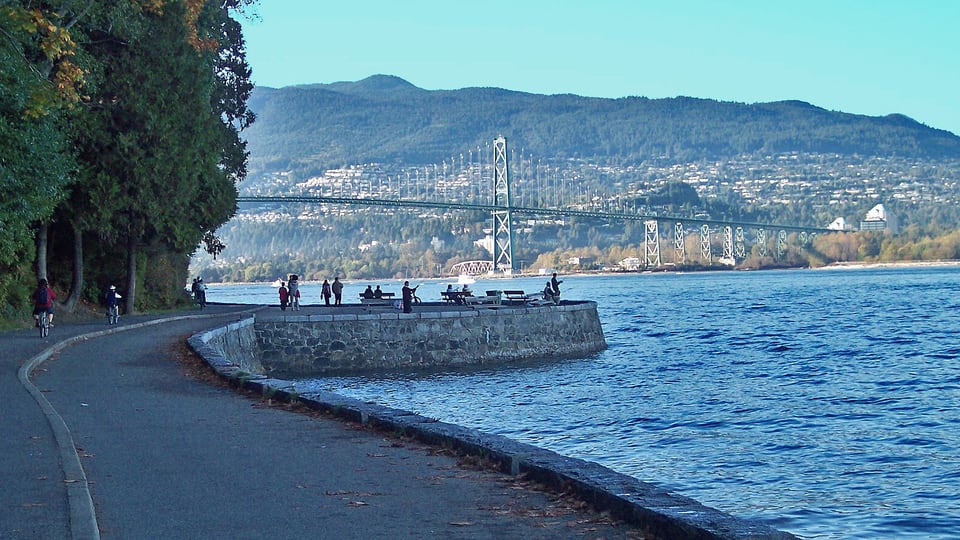
Stanley Park seawall
A seawall about 10 kilometres long follows the park’s edge, with separate lanes for walking and cycling, and passes the totem poles at Brockton Point. More than 27 kilometres of forest trails cross the middle, most of them two to five kilometres long.
Best for: Walkers, cyclists and families who want a long waterfront path without a ticket · Area: Stanley Park, beside Coal Harbour
Plan for The full loop is long, and from Canada Place the park entrance alone is a 30-minute walk. Plan it as a stretch of waterfront rather than an errand between other stops.
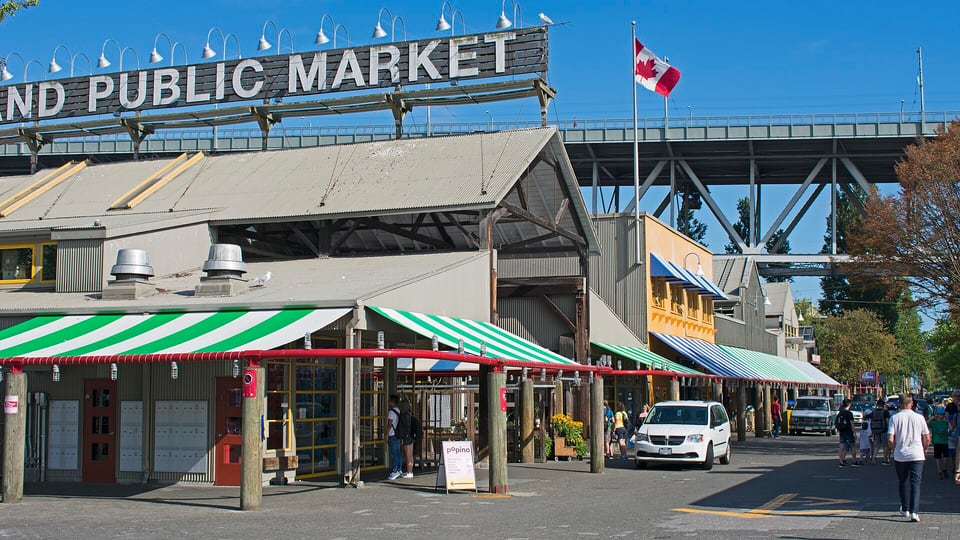
Granville Island
The Public Market is an indoor hall with more than 50 independent food sellers, set among former warehouses and machine shops built for the logging, mining and shipping trades. The island was completed in 1916 from material dredged out of False Creek.
Best for: Food-minded visitors and anyone who wants a covered stop when it rains · Area: Granville Island, False Creek
Plan for The Public Market is closed on Mondays in January only and does not admit dogs, while every other business on the island keeps its own hours.
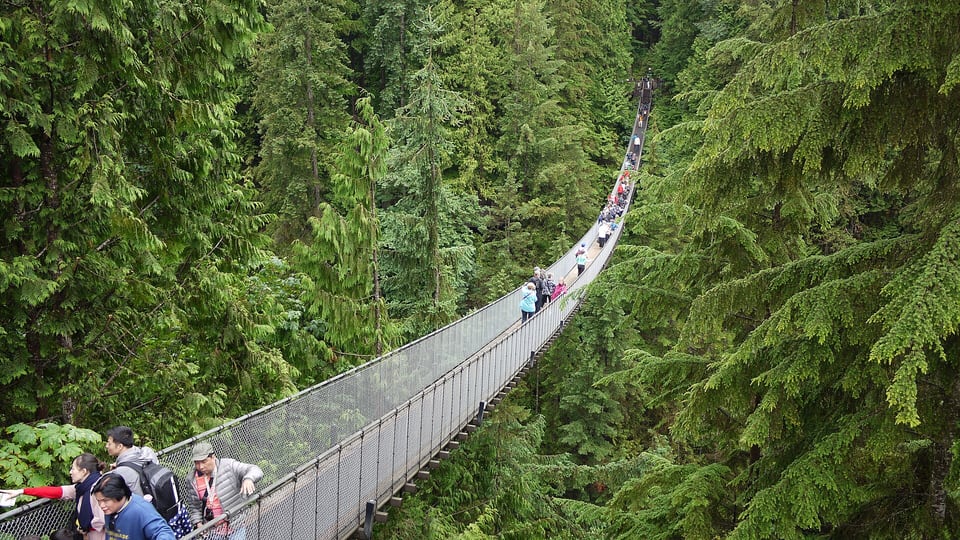
Capilano Bridge
The bridge is 137 metres long and hangs 70 metres above the Capilano River. The same admission covers Treetops Adventure, with platforms up to 33 metres above the forest floor, and Cliffwalk, a cantilevered walkway 213 metres long.
Best for: Visitors who want a forest canyon walk with a timed ticket and a defined loop · Area: North Vancouver, Capilano River canyon
Plan for Lynn Canyon Park, also in North Vancouver, has a suspension bridge 50 metres up that is free to cross. The choice is a ticketed park with three structures or a public park with one bridge and forest trails.
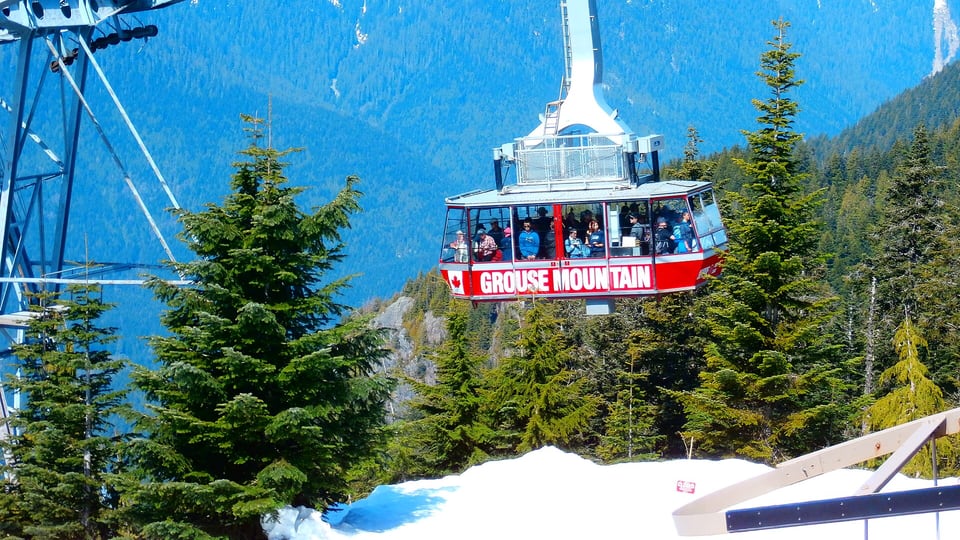
Grouse Mountain
The Skyride is a 100-person tramway from the base station to the Peak Chalet. Mountain Admission includes a round trip on it or on the Blue Grouse Gondola, along with a chairlift, the Lumberjack Show and a grizzly bear habitat. The Grouse Grind is a 2.5-kilometre trail with an 800-metre climb.
Best for: Visitors who want mountain views close to downtown, and fit hikers taking on the Grind · Area: North Vancouver, Grouse Mountain
Plan for The Grind is uphill only, because downhill hiking is not permitted, so hikers ride down on a separate Download ticket.
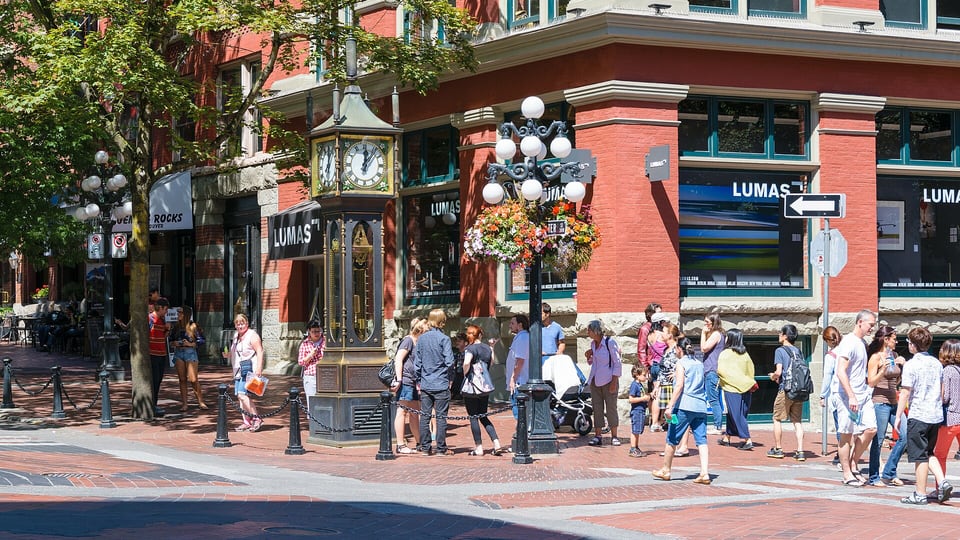
Gastown
The national historic district holds about 141 buildings from before 1914, mostly brick and stone warehouses laid out on a grid that follows the curve of Burrard Inlet. The steam clock on Water Street, built in 1977, whistles and vents steam every hour on the hour.
Best for: Visitors who like heritage streets and want an easy walk from the waterfront · Area: Gastown, east of Canada Place
Plan for The steam clock is a corner stop rather than an outing, so Gastown works as the first half of a walk that carries on toward Chinatown.
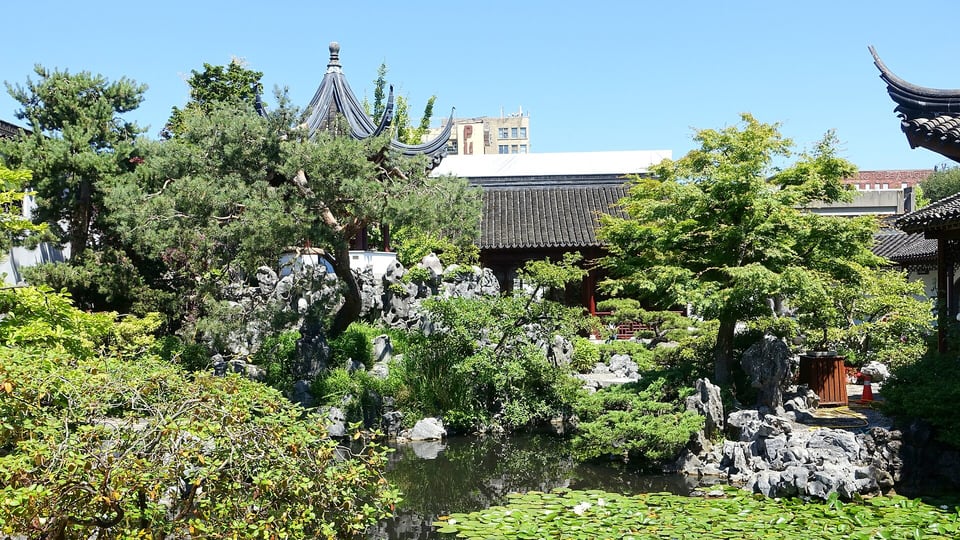
Chinatown and the Sun Yat-Sen Garden
Vancouver’s Chinatown is a national historic site, designated in 2010, centred on Pender Street and known for buildings with deeply recessed balconies. The Dr. Sun Yat-Sen Classical Chinese Garden, built in 1986 by 53 craftsmen from China, is the first classical Chinese garden in Canada and has covered walkways.
Best for: Visitors interested in Chinese Canadian history, and in a garden that stays usable in the rain · Area: Chinatown, on the east side of downtown
Plan for Most buildings are working shops, associations and homes rather than sights. The streets read best with some history in hand from a guide or a garden visit first.
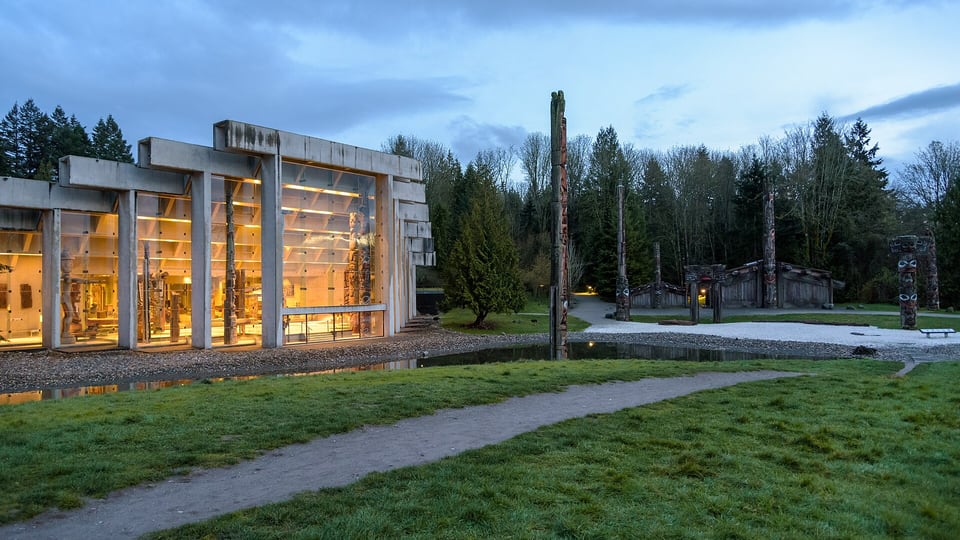
Museum of Anthropology at UBC
The museum’s online catalogue lists nearly 50,000 objects, and its ethnographic collection comes from the South Pacific, Asia, Africa, Europe and the Americas. It works with originating communities on access to collections, under the principles of the UN Declaration on the Rights of Indigenous Peoples.
Best for: Visitors interested in Indigenous and world cultures who want an indoor option · Area: University of British Columbia, west side
Plan for It is a bus ride west of downtown. It closes on Mondays from October 15 to May 15, so it fits a day already heading to the west side.
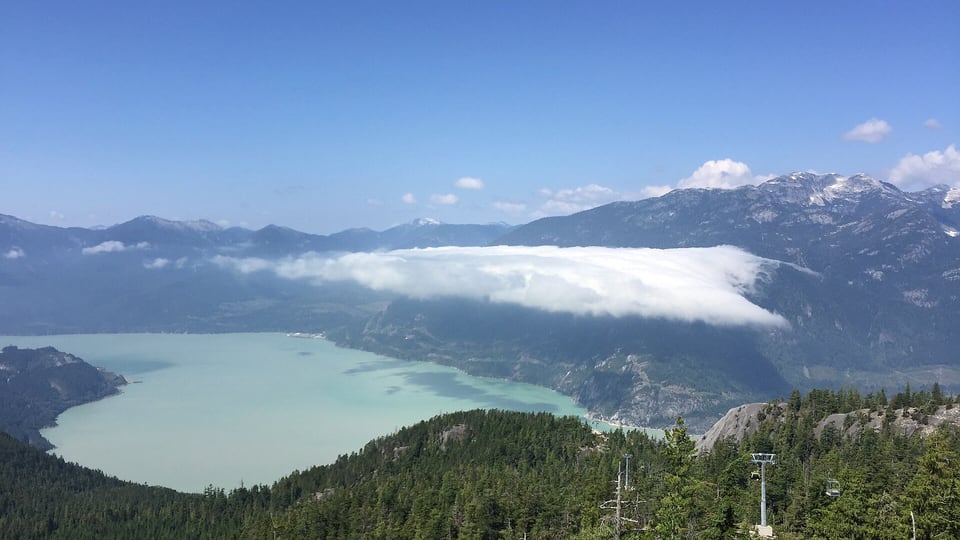
Sea to Sky Highway and Squamish
Highway 99 follows Howe Sound north from Vancouver. Shannon Falls drops 335 metres beside the highway, 58 kilometres from the city, and the Sea to Sky Gondola rises two kilometres south of Squamish to a summit where a suspension bridge is part of the ticket.
Best for: Visitors with a rental car, a shuttle seat or a booked tour who want fjord and mountain scenery · Area: Howe Sound, along Highway 99 to Squamish
Plan for Highway 99 is the only road between Vancouver and Whistler, so a crash or winter weather delays every driver and shuttle on it together.
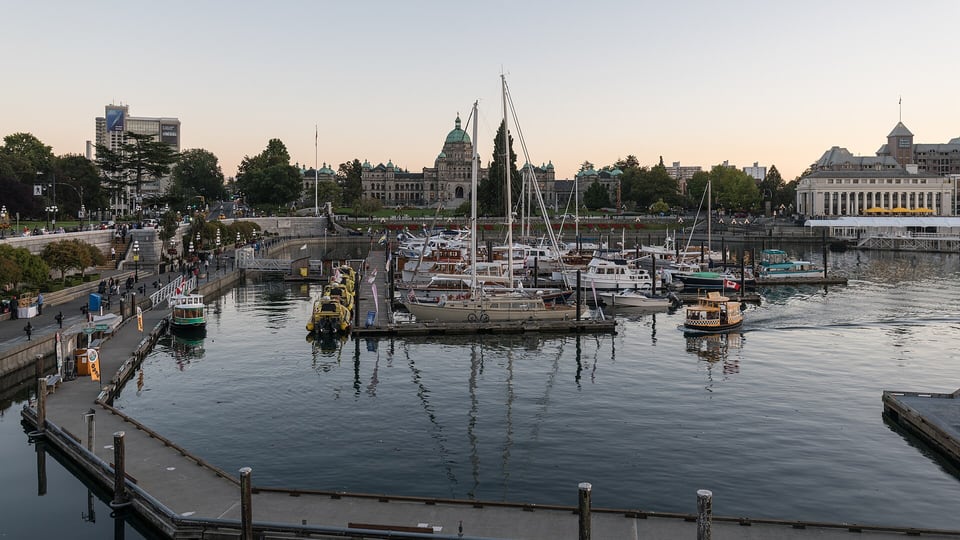
Victoria by Seaplane or Ferry
From downtown, a seaplane leaves Coal Harbour for Victoria’s Inner Harbour, where the seaplane base on Wharf Street is steps from the Parliament Buildings. BC Ferries sails from Tsawwassen to Swartz Bay at the end of Highway 17, north of Victoria, and buses 70 and 72 run from there to downtown Victoria.
Best for: Visitors adding a second city on Vancouver Island who can take a night or more · Area: Vancouver Island, Victoria Inner Harbour
Plan for Advance ferry bookings are limited and often sell out on holiday weekends, Thursday and Friday afternoons and evenings and Sunday afternoons. Without one, vehicles board first come, first served.
Plan one, three or five days in Vancouver
One day: the peninsula loop
Start at Canada Place, follow the Coal Harbour seawall toward Stanley Park, then reach Granville Island by bus and leave Gastown for the evening.
Every leg stays on the downtown peninsula and the False Creek shore, so nothing on this loop needs the SeaBus or a car.
The trade-off The North Shore mountains sit across Burrard Inlet, and a Grouse Mountain ride added to this loop depends on whatever cloud sits on the peak that afternoon.
Three days: the peninsula, the North Shore, then the two ends of the city
Give day one to the peninsula, day two to the North Shore by SeaBus, and day three to Chinatown, the garden and the Museum of Anthropology.
The #236 bus links Lonsdale Quay with Capilano and Grouse Mountain, so those two share a day.
The trade-off Chinatown and the museum lie in opposite directions from downtown; drop the museum first if the day runs late.
Five days: a corridor day and a night on Vancouver Island
Add a corridor day and one island night, and give Whistler a stay of its own rather than a slot in the plan.
Both extras hinge on a road or a crossing that weather can disrupt.
The trade-off Leave slack after each one; a flight home the same evening leaves none.
Costed plans: One Day in Vancouver: C$130 or Less? → · Vancouver in 3 Days for C$220? →
Sources
checked 2026-09-19. Recommendations are editorial judgements based on the cited sources below.
Choose a Vancouver base and explore nearby
Coal Harbour and downtown: harbour departures on the doorstep
Base here when the SeaBus, a seaplane or a coach to the ferries will start several of the days.
Waterfront Station joins SkyTrain with the SeaBus beside Canada Place, and Gastown is five minutes away on foot.
The trade-off A base here suits early departures from the harbour better than late nights elsewhere in the city.
False Creek: the market and the Canada Line
Base here for Granville Island mornings and quick Canada Line rides to downtown and the airport.
The Canada Line and the #50 bus both serve the shore, so downtown and the airport stay a single ride away.
The trade-off Mountain days start with a transfer to the SeaBus, so keep them to one or two.
North Shore: mountains first
Cross the inlet to stay only when Grouse Mountain, Capilano and Lynn Canyon are the reason for the trip.
Buses run from Lonsdale Quay to each attraction, so no leg needs a car.
The trade-off A city-centre evening means a crossing back, and the timetable sets when it ends.
Sources
checked 2026-09-19. Recommendations are editorial judgements based on the cited sources below.
Arrival and getting around
Vancouver International Airport (YVR) links to downtown by the Canada Line, part of SkyTrain. Trips that start at YVR, Sea Island Centre or Templeton carry an extra airport charge; trips to the airport do not.
TransLink runs three fare zones. Every bus trip is one zone, as is every trip after 6:30 pm on weekdays, on weekends and on holidays. One fare is valid for 90 minutes across bus, SkyTrain and SeaBus, and Compass, contactless cards and phone wallets all work at the gates.
The SeaBus crosses to Lonsdale Quay in 12 minutes, every 15 minutes by day. Harbour Air seaplanes link Coal Harbour with Victoria.
Best time to visit
Winter (December–February)
Winter is the wettest stretch of the year. Mean daily temperatures sit between about 4 and 5 degrees. Rain falls on 15 to 20 days a month, so plans lean on covered places such as the Public Market and the museum.
- Crowds
- Varies by event and attraction
Spring (March–May)
Mean daily temperatures climb from about 7 degrees in March to 13 in May. Monthly rainfall eases from about 106 millimetres to 59, which widens the window for the North Shore trails.
- Crowds
- Varies by event and attraction
Summer (June–August)
Summer is the driest and warmest season. July and August average close to 18 degrees, with rain on about six days a month. That suits the seawall, the canyon parks and the ferries.
- Crowds
- Varies by event and attraction
Autumn (September–November)
Rainfall climbs from about 52 millimetres in September to about 175 in November. Mean temperatures fall from about 15 degrees to 6, so the outdoor days cluster early in the season.
- Crowds
- Varies by event and attraction
Food and market life
Granville Island is the city’s covered food stop. Its Public Market has more than 50 independent food sellers, and the island adds eleven restaurants and bars, three of them brewing or distilling on site.
Gastown’s ground floors hold shops and restaurants. Chinatown remains a working neighbourhood of businesses, associations and homes, so a meal fits between the steam clock and the Sun Yat-Sen Garden.
City profile
- Population (City of Vancouver census subdivision (municipal boundary), not Metro Vancouver; 2021 Census of Population, 2021): 662,248
- Population (Vancouver census metropolitan area (Metro Vancouver), not the City of Vancouver alone; 2021 Census of Population, 2021): 2,642,825
Vancouver was incorporated in 1886, and Chinatown, settled in the 1880s, grew as the city became a major point of entry for Chinese immigrants.
Granville Island was completed in 1916 from material dredged out of False Creek and stopped being an island in the 1950s.
Famous for:
- Stanley Park’s seawall and forest trails, beside downtown on land that was home to the Squamish Nation village X̱wáýx̱way.
- Two national historic districts side by side on the east side of downtown: Gastown and Chinatown.
- Mountain and canyon outings across Burrard Inlet that a SeaBus and a bus reach without a car.
Why Vancouver works as a trip
Downtown Vancouver sits on the south side of Burrard Inlet with False Creek on its other flank, so the harbour, a rainforest park and the North Shore mountains share one transit network. A 12-minute SeaBus crossing to Lonsdale Quay puts Capilano, Lynn Canyon and Grouse Mountain a bus ride from the water.
The city asks for outdoor time. Rain falls on close to two days in three from November to January at the Vancouver International weather station, and on about one day in five in July and August. Anyone planning around indoor sights will find few of them among the highlights.
- Best first split
- Downtown peninsula · North Shore · Sea to Sky
- First stay
- 3 days for the city and mountains, 5 with a corridor day or an island night
- Rain
- Wettest November to January, driest July and August
- Getting around
- SkyTrain · SeaBus · buses on one 90-minute fare
Planning your Vancouver visit: FAQs
How long is the Stanley Park seawall, and can I cycle it?
The seawall follows the park’s edge for about 10 kilometres, with separate lanes for walking and cycling. From Canada Place the park entrance is a 30-minute walk along the Coal Harbour seawall or a 10-minute bike ride, so many visitors start there and cover one stretch.
Should I choose Capilano or Lynn Canyon?
Capilano’s single admission covers a 137-metre bridge, Treetops Adventure and Cliffwalk, with timed entry. Lynn Canyon Park is a public park whose bridge, 50 metres above Lynn Creek, is free to cross and about two minutes from the main parking lot. Neither bridge suits a wheelchair.
Can I reach Grouse Mountain without a car?
Yes. Ride the SeaBus from Waterfront Station to Lonsdale Quay, then take the #236 bus, a ride of about 25 minutes. The same bus serves Capilano, so the two can share one North Shore day.
Do I need to reserve BC Ferries to Victoria?
Advance bookings are limited and often sell out on holiday weekends, Thursday and Friday afternoons and evenings and Sunday afternoons. Without one, vehicles load in order of arrival at the terminal. Foot passengers on the Tsawwassen to Swartz Bay route can book ahead as well.
Is Whistler a day trip from Vancouver?
Whistler is 120 kilometres away on Highway 99, the only road link, and shuttles typically take two and a half to three hours depending on traffic, weather and conditions. That leaves little time in the village, so treat it as an overnight stay or a long guided day.
What works when it rains?
At the airport weather station rain falls on about 19 days in each of November, December and January, against about six in July and August. The Public Market hall, the Museum of Anthropology and the covered walkways of the Sun Yat-Sen Garden all keep working in the wet.
Make your Vancouver plans
Compare tours, tickets and activities in Vancouver →
Choose your departure market and search flights to Vancouver from the Mubboo Flights homepage.
Compare flights ↗Sources
Latest source check: .
Show all 45 sources
- Statistics Canada, 2021 Census Profile, Vancouver city (checked 2026-09-19)
- Statistics Canada, 2021 Census Profile, Vancouver census metropolitan area (checked 2026-09-19)
- Parks Canada, Vancouver’s Chinatown National Historic Site of Canada (checked 2026-09-19)
- Parks Canada, Gastown Historic District National Historic Site of Canada (checked 2026-09-19)
- Destination Vancouver, Stanley Park (checked 2026-09-19)
- Destination Vancouver, Stanley Park trails and seawall (checked 2026-09-19)
- Destination BC, Vancouver area (checked 2026-09-19)
- Granville Island, Public Market (checked 2026-09-19)
- Granville Island, about the Island (checked 2026-09-19)
- Granville Island, history and architecture (checked 2026-09-19)
- Granville Island, directions and parking (checked 2026-09-19)
- Gastown Business Improvement Society, about Gastown (checked 2026-09-19)
- Destination Vancouver, Gastown steam clock (checked 2026-09-19)
- Destination Vancouver, Dr. Sun Yat-Sen Classical Chinese Garden (checked 2026-09-19)
- Capilano Suspension Bridge Park, park attractions (checked 2026-09-19)
- Capilano Suspension Bridge Park, tickets and hours (checked 2026-09-19)
- Capilano Suspension Bridge Park, visitor questions (checked 2026-09-19)
- Capilano Suspension Bridge Park, getting here (checked 2026-09-19)
- Lynn Canyon Ecology Centre, Lynn Canyon Suspension Bridge (checked 2026-09-19)
- Lynn Canyon Ecology Centre, plan your visit (checked 2026-09-19)
- Grouse Mountain, Skyride (checked 2026-09-19)
- Grouse Mountain, Grouse Grind (checked 2026-09-19)
- Grouse Mountain, location and getting here (checked 2026-09-19)
- Grouse Mountain, shuttle from Canada Place (checked 2026-09-19)
- Sea to Sky Gondola, visitor questions (checked 2026-09-19)
- Sea to Sky Gondola, getting here (checked 2026-09-19)
- BC Parks, Shannon Falls Park (checked 2026-09-19)
- Tourism Whistler, getting to Whistler (checked 2026-09-19)
- Tourism Whistler, Vancouver to Whistler by shuttle (checked 2026-09-19)
- BC Ferries, personal travel bookings (checked 2026-09-19)
- BC Ferries, foot passenger check-in (checked 2026-09-19)
- BC Ferries, Swartz Bay terminal (checked 2026-09-19)
- BC Ferries, public transportation, bus and coach (checked 2026-09-19)
- Harbour Air, scheduled service (checked 2026-09-19)
- Harbour Air, Vancouver Harbour terminal (checked 2026-09-19)
- Harbour Air, Victoria Harbour terminal (checked 2026-09-19)
- TransLink, pricing and fare zones (checked 2026-09-19)
- TransLink, Compass Card (checked 2026-09-19)
- TransLink, transferring and AddFare (checked 2026-09-19)
- TransLink, SeaBus schedules (checked 2026-09-19)
- TransLink, SkyTrain schedules (checked 2026-09-19)
- Museum of Anthropology at UBC, visit (checked 2026-09-19)
- Museum of Anthropology at UBC, the collections (checked 2026-09-19)
- Environment and Climate Change Canada, 1991 to 2020 Canadian Climate Normals, Vancouver International (Airport) (checked 2026-09-19)
- The booking platform Partner API, destinations endpoint (Vancouver destination 616) (checked 2026-09-19)
Photo credits
- stanley park — bobanny · Public domain.
- granville island — Ymblanter · CC BY-SA 4.0.
- capilano — Markus Säynevirta · CC BY-SA 4.0.
- grouse mountain — PhilipRJ 89 · CC BY-SA 4.0.
- gastown — Xicotencatl · CC BY-SA 4.0.
- chinatown — Daderot · CC0.
- anthropology museum — Xicotencatl · CC BY-SA 4.0.
- sea to sky — Keely Hill · CC BY-SA 4.0.
- victoria — DXR · CC BY-SA 4.0.
Mubboo Editorial Team · Reviewed by Mubboo Editorial Team


