
Japan · Asia
Tokyo
Tokyo is best approached as a set of neighbourhood experiences: temple streets in Asakusa, the forest around Meiji Jingu, food in Tsukiji and city views from Shibuya or Skytree. Choose the part of the city you want to explore before filling the day with bookings.

Find your Tokyo experience
Explore Tokyo Before You Book
Take a virtual drive or walk, then find tours and tickets for the places you like.

Activities
Featured activities in Tokyo


Prices at a glance
What we sell today and what recent flight searches found. No hotel prices; nothing here is a trip total.
- Tours and tickets in Tokyofrom US$54.00
- Tokyo Bay Cruise ticketsfrom ¥5,333
- Senso-ji Temple ticketsfrom ¥2,250
- Tokyo Skytree ticketsfrom ¥2,308
Live from Viator when this page loaded · per adult · changes by date.
Flights to Tokyo
- From Melbourneone-way from A$414
- From Sydneyone-way from A$450
- From Torontoone-way from CA$492
Lowest fare seen in recent flight searches for that route; the airline or booking site confirms the final fare.
Plan Tokyo by time and budget
Choose a top Tokyo attraction
Top experiences
Top experiences in Tokyo
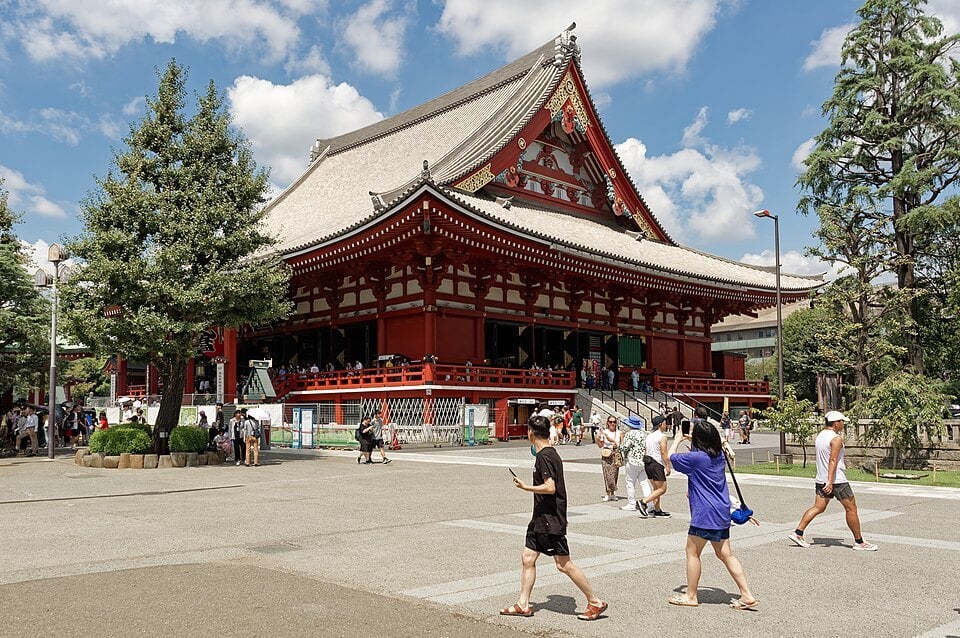
Senso-ji Temple
Tokyo's oldest temple, founded in 645 CE, drawing 30 million worshippers a year.
Best for: History-minded travellers, anyone wanting a free temple visit in Asakusa · Area: Asakusa, Taito City · Time: 1.5-2 hours
Plan for Extremely high visitor volume means heavy crowding at Nakamise shopping street and the main hall.
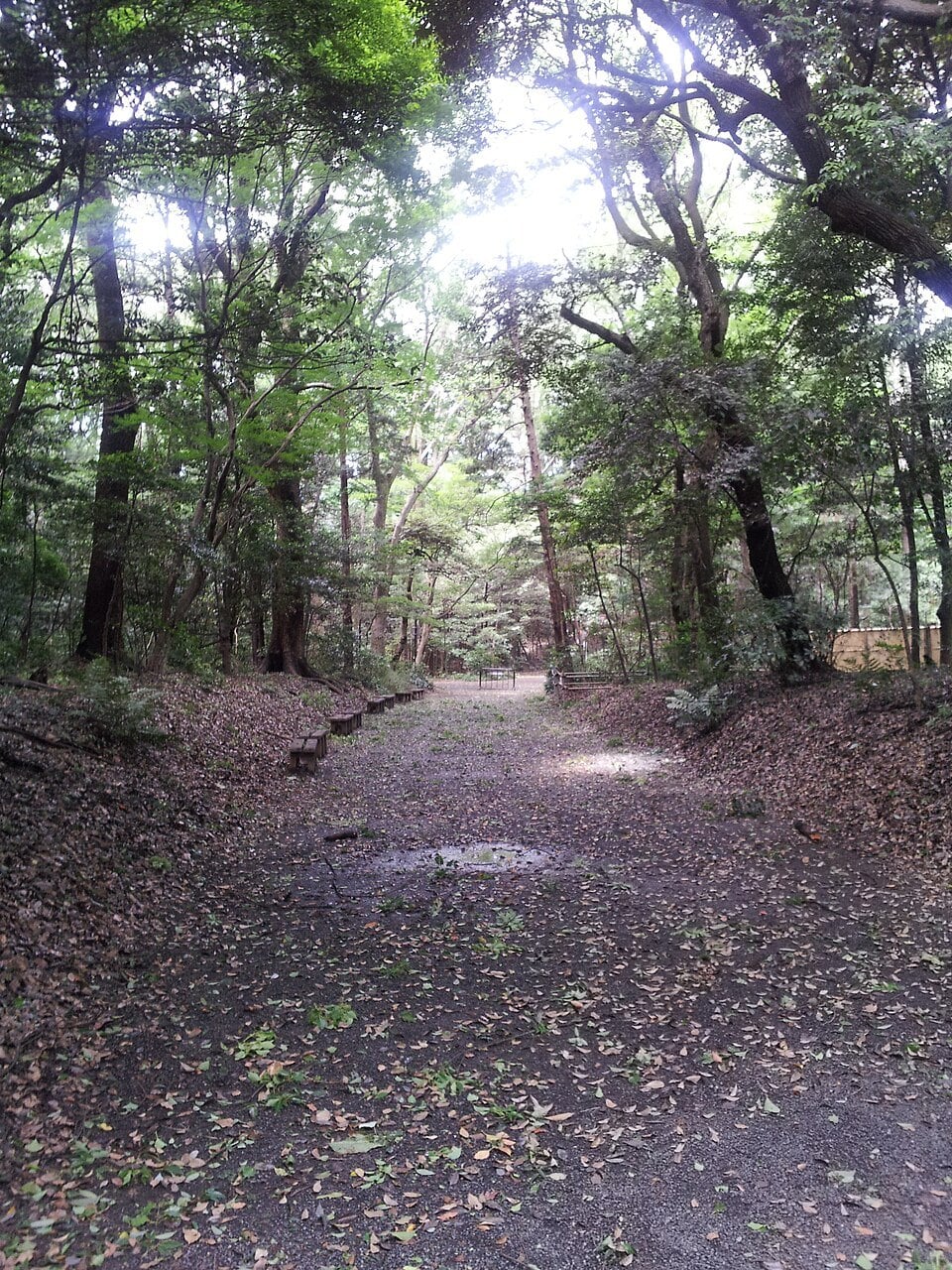
Meiji Jingu Shrine
Established in 1920, set within roughly 70 hectares of forest in the middle of the city.
Best for: Visitors wanting a large forested space plus Shinto ritual context, free entry · Area: Shibuya City (bordering Harajuku/Yoyogi) · Time: 1-1.5 hours
Plan for Proximity to Harajuku and Yoyogi likely drives weekend crowding.
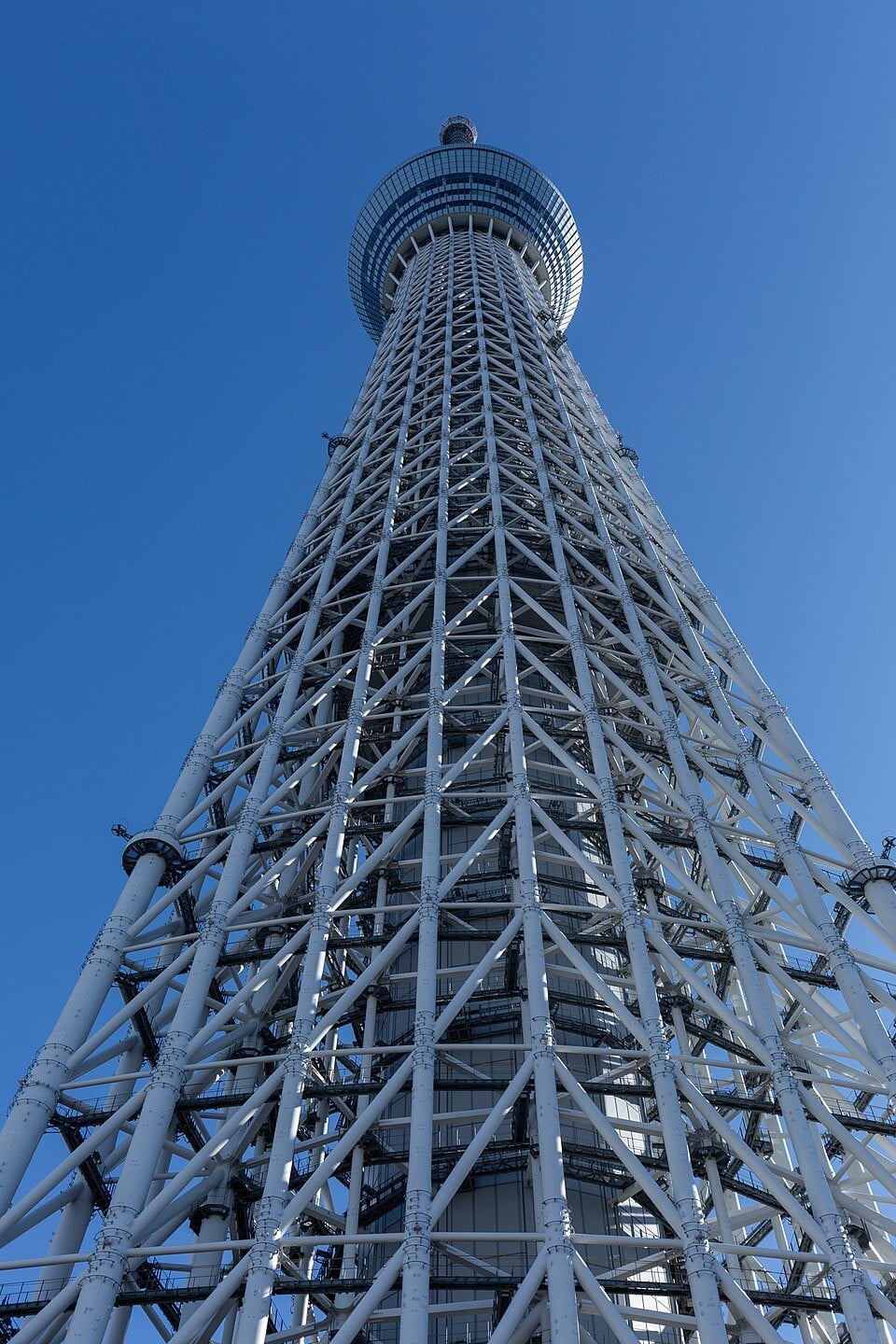
Tokyo Skytree
A 634-meter observation and broadcasting tower.
Best for: Panoramic-view seekers wanting the tallest option · Area: Sumida City · Time: 1.5-2 hours
Plan for Ticket-based; advance booking recommended at peak times.
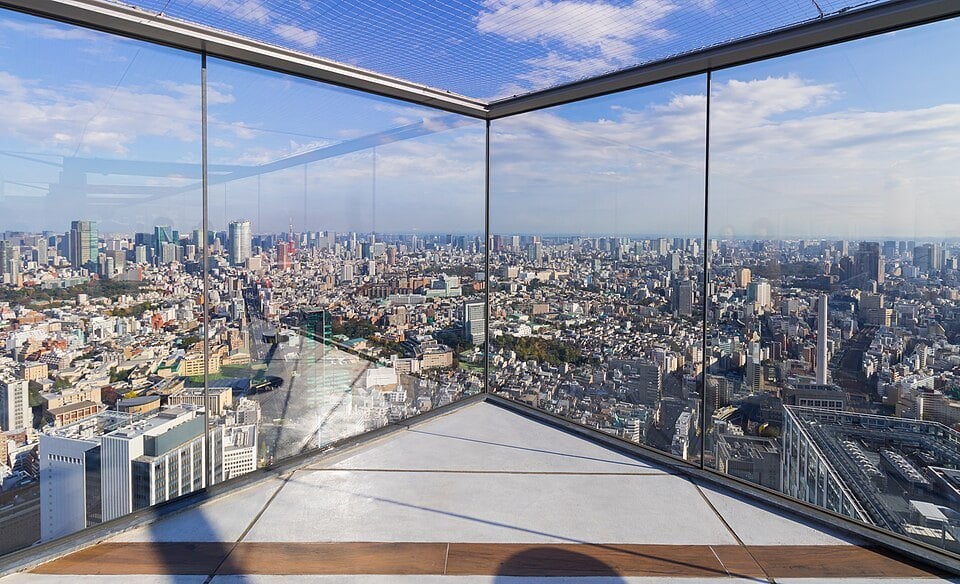
Shibuya Sky
An observation facility 229 meters above Shibuya with a 360-degree view, looking down on the Shibuya Scramble Crossing.
Best for: Sunset photography, anyone wanting to look down on the Shibuya Scramble Crossing · Area: Shibuya City · Time: 1-1.5 hours
Plan for Popular just before sunset; advance online booking is effectively required at peak times.
teamLab Planets TOKYO
A body-immersive digital-art museum where visitors walk barefoot through water across four themed areas.
Best for: Visitors wanting something non-historic and non-religious; suitable for children and adults · Area: Toyosu, Koto City · Time: 2-2.5 hours
Plan for Shoes come off and areas involve wading in water; last entry is 60 minutes before closing.
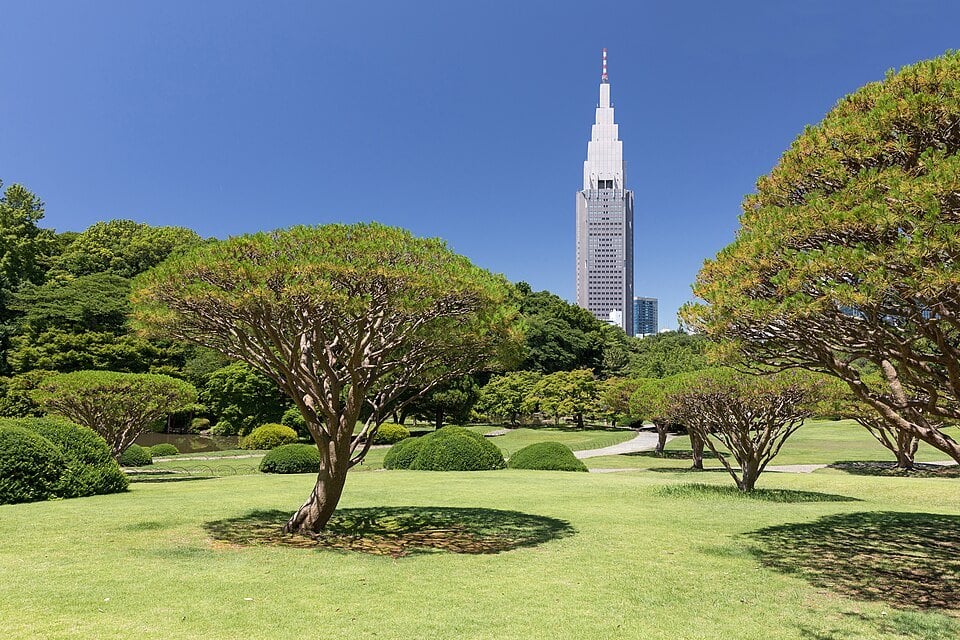
Shinjuku Gyoen
Grounds granted in 1590, landscaped as an imperial garden in 1906, opened to the public in 1949.
Best for: Cherry blossom viewing, families, a spacious landscape garden · Area: Shinjuku City · Time: 2-3 hours
Plan for Has paid admission, unlike Senso-ji Temple and Meiji Jingu Shrine.
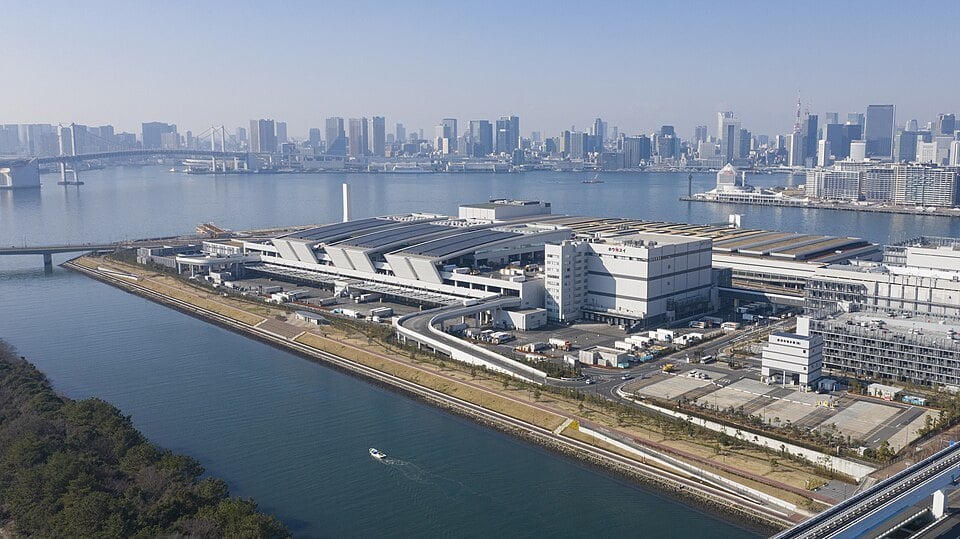
Toyosu Market
The wholesale fish market that replaced Tsukiji's inner market in October 2018.
Best for: Early-morning food and market visitors, sushi breakfast seekers · Area: Toyosu, Koto City · Time: 1.5-2 hours
Plan for Closest tuna-auction viewing requires an advance lottery application; general viewing is free.
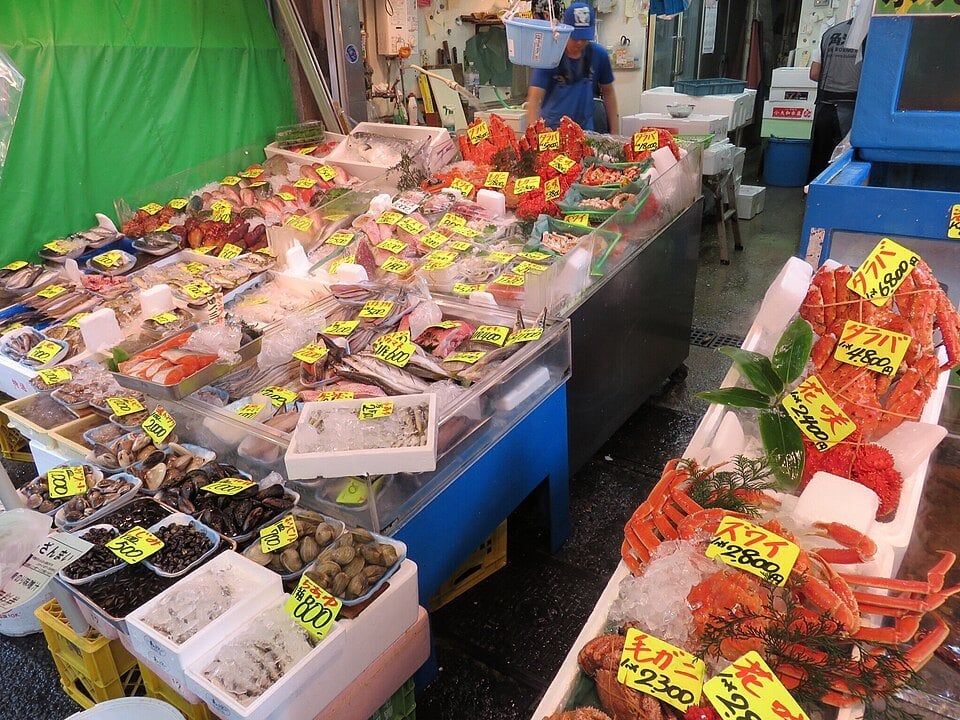
Tsukiji Outer Market
The food-stall district that remained in Tsukiji after the wholesale market itself moved to Toyosu in 2018.
Best for: Visitors who want market atmosphere and food stalls without the Toyosu commute · Area: Chuo City (Tsukiji) · Time: 1-1.5 hours
Plan for A working market district; hours vary by individual vendor.
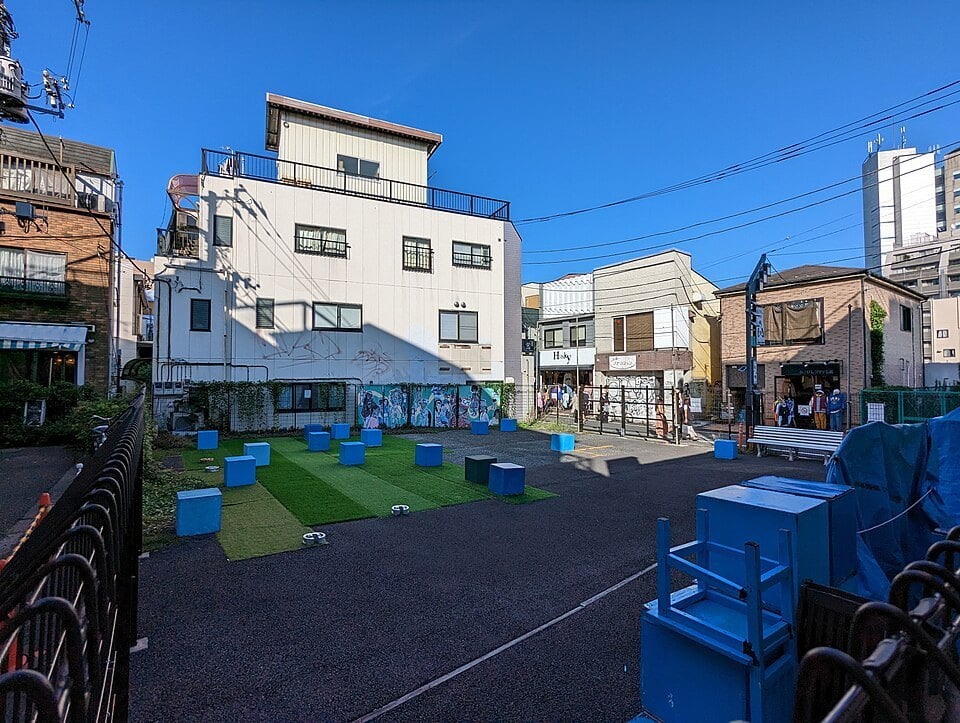
Shimokitazawa
A bohemian district of vintage clothing stores, bookstores and cafes, per Tokyo's own tourism board.
Best for: Travellers who've done the major landmarks and want neighborhood texture over a single ticketed attraction · Area: Setagaya City · Time: 2-3 hours
Plan for Doesn't open or get lively until the afternoon, per the tourism board's own description.
Plan one, three or five days in Tokyo
One full day: let eastern Tokyo set the pace
For a short first visit, our choice is Asakusa and the Sumida waterfront rather than a race between distant districts.
Begin with Sensoji and Nakamise, then leave room for the riverside. Choose a boat outing only after checking its actual pier and route; use a land-based walk if the departure does not fit.
The trade-off Shibuya and Shinjuku lie on the western side of the city, well away from Asakusa, so this day skips them to explore one area rather than collect station changes.
Three days: separate the eastern and western outings
Give traditional streets, contemporary city life and a personal interest different days.
Use day one for the Asakusa plan. On day two choose a western-Tokyo outing around the districts that interest you. Give day three to a museum, food experience or shopping area, keeping the nearest surrounding streets free for exploration.
The trade-off Choose one major paid experience per day before adding more. Our sequence is flexible; confirmed tickets and the weather should decide the final order.
Five days: choose between a deeper city stay and one excursion
Keep three days for Tokyo, then decide whether a day outside the city is central to your trip.
Reserve one extra day for an interest-led visit and one for a nearby excursion or another Tokyo district. Keep your departure day easy to shorten, and check the excursion’s return location before committing.
The trade-off Five calendar days may provide fewer than five full sightseeing days. We would not use every spare morning for another long outing.
Costed plans: One Day in Tokyo: Can You Do It for ¥2,539? → · Tokyo in 3 Days for ¥32,000? →
Sources
checked 2026-09-08. Recommendations are editorial judgements based on the cited sources below.
Choose a Tokyo base and explore nearby
Asakusa: traditional streets outside the booked activity
An Asakusa base fits travellers who want Sensoji, Nakamise and riverside walks to shape the stay.
Make the temple area and Sumida one unhurried outing. Check which station and exit serve your accommodation before committing to a morning meeting point elsewhere.
The trade-off This is an eastern-Tokyo choice. A schedule dominated by western districts may justify a different base.
Shinjuku: base the choice on your evening plans
Consider Shinjuku if shopping and evenings out are recurring priorities.
Start with the actual venues and places you want to visit, then compare the hotel address with the station entrances. Keep a daytime garden or quieter outing separate from the evening plan instead of treating this large district as a single stop.
The trade-off A station-side location can simplify a route while giving a different atmosphere from a smaller street farther away. Check both the journey and the setting.
Ueno: museums, a park and Ameyoko in one outing
Consider Ueno for a museum-led stay with space outside the galleries.
Choose a collection in Ueno Park, then allow time for the park and Ameyoko toward Okachimachi. We would give the museum the day’s main block and keep shopping optional rather than booking a second major interior immediately afterwards.
The trade-off Ueno Park’s collections sit close together, which makes a second museum tempting and a tired afternoon likely. Select the collection that interests you and give the rest of the day to the park and Ameyoko.
Sources
checked 2026-09-08. Recommendations are editorial judgements based on the cited sources below.
Airports and transit
Tokyo is served by two airports. From Narita, the Narita Express reaches Tokyo Station in as fast as 53 minutes with no transfer; the Keisei Skyliner runs non-stop to Nippori, for JR connections, and on to Keisei Ueno, which Keisei puts at 41 minutes from Terminal 2·3.
Haneda, the more central "city airport," is served by the Tokyo Monorail and the Keikyu Line; the airport estimates about 30 minutes to Tokyo Station and 15 minutes to Shinagawa. Tokyo Metro operates 9 lines across 195km of track and 180 stations, and Suica and Pasmo IC cards tap directly on train and bus readers, and Suica also works with eight other regional IC card brands across Japan.
Best time to visit
Winter (Dec-Feb)
Average highs of 50-54°F and lows of 34-39°F, with roughly 7 inches of precipitation across the season, the driest stretch of the year.
- Crowds
- Low
Spring (Mar-May)
March through May sees temperatures rise steadily, from highs near 58°F and lows near 41°F early in the season to highs of 75°F and lows of 58°F by May. Precipitation totals roughly 15 inches across the season, rising toward the June rainy season.
- Crowds
- High
Notable events
- Cherry blossom (sakura) season: per JMA's own long-term normal-date baseline at its Yasukuni Shrine observation point, Tokyo's cherry trees typically first flower around March 24 and reach full bloom about a week later, around March 31. JMA's real-time 2026 observation had flowering arriving five days earlier than that norm.
Summer (Jun-Aug)
The hottest stretch of the year: average highs of 79-88°F and lows of 65-74°F, with roughly 19 inches of precipitation across the season. The region's rainy season (baiu) typically runs from around June 7 to around July 19, per JMA's own averages.
- Crowds
- Moderate
Notable events
- The Sumida River Fireworks Festival is a recurring summer institution; its 2026 edition, held July 25, was the 49th running.
Autumn (Sep-Nov)
Temperatures ease off through autumn, with highs falling from around 82°F in September to 62°F by November (lows 48-68°F). Autumn is Tokyo's wettest season on average, at roughly 22 inches of precipitation, driven by the region's typhoon season.
- Crowds
- High
Notable events
- Autumn foliage (koyo) season, alongside cherry blossoms, draws a large number of domestic and international visitors, per Japan National Tourism Organization's own guide.
Make food part of the outing
Do not confuse Tsukiji Outer Market with Toyosu’s wholesale market. Choose Tsukiji for food stalls and browsing; choose Toyosu when seeing the working market through its visitor facilities is the purpose. The closest auction-viewing arrangements need separate advance planning.
A food tour is most useful when you want help understanding the dishes, ordering or choosing among stalls. If you prefer to explore independently, leave your meal flexible because individual vendors keep their own hours.
City profile
- Population (23 Special Wards (city-proper equivalent), Tokyo Metropolitan Government, October 1, 2025, 2025): 9,948,000
- Population (Tokyo Metropolis (Tokyo-to), Tokyo Metropolitan Government, October 1, 2025, 2025): 14,273,000
- Population (Greater Tokyo Area (Tokyo-to + Kanagawa + Saitama + Chiba), Statistics Bureau of Japan, October 1, 2025, 2025): 36,986,000
Tokyo started out as Edo, a small castle town that began to flourish once Tokugawa Ieyasu made it the seat of his shogunate in 1603. Its current name arrived in 1868, when the Meiji Restoration turned the city into Japan's capital.
Famous for:
- Per Michelin's own count, Tokyo has more starred restaurants than any other city in the world. The 2026 guide lists 160 of them, spanning everyday sushi and tempura counters to fine dining.
- A transit network built at enormous scale: Tokyo Metro alone carries an average of 7.04 million passengers a day across 9 lines. The separate Toei network adds four more lines on top of that.
What makes this visit worthwhile
Asakusa makes room for a temple visit, shopping streets and the Sumida waterfront within one outing. That is a different pace from travelling across town for a timed observation deck or digital-art admission. A first visit to Tokyo works best when each day has a clear neighbourhood centre.
Tokyo’s food experiences also depend on what you want to do. Tsukiji’s outer market is a place to browse and eat; Toyosu is a wholesale market with designated visitor viewing. Choose between tasting, learning and watching before assuming both markets offer the same outing.
Watch Tokyo
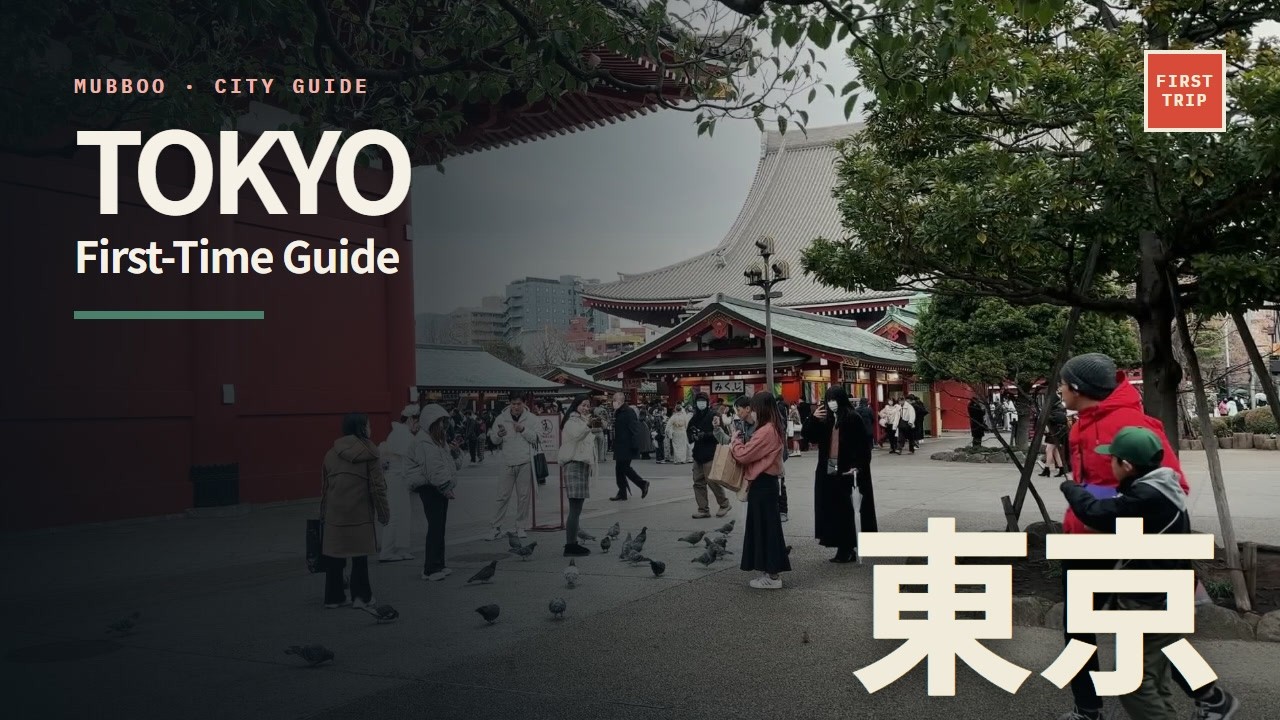
Tokyo travel video: a practical first-trip guide | Mubboo Flights
This 5.3-minute city guide connects Asakusa, Shibuya, Meiji Jingu, Toyosu, and Tsukiji into a practical first-trip plan, helping travellers choose what fits instead of rushing through a checklist. English narration with reviewed English subtitles in the YouTube player.
Planning your Tokyo visit: FAQs
Should I organise Tokyo by attractions or by neighbourhood?
Start with a neighbourhood, then choose its main activity. Asakusa combines Senso-ji, Nakamise and the Sumida waterfront; other priorities sit elsewhere in the city. Grouping nearby interests leaves more time for exploring and less time retracing train journeys.
Are Tsukiji and Toyosu the same market?
No: The wholesale market moved to Toyosu in 2018, while Tsukiji Outer Market remained a food and shopping district. Choose Tsukiji for browsing and eating, or Toyosu for its wholesale-market viewing facilities. Check any advance arrangements for the specific viewing experience you want.
Do I need to visit both Tokyo Skytree and Shibuya Sky?
Only if the different views are a particular interest. For a short first trip, we would choose one deck and use the other block of time for a neighbourhood, garden or food experience. Compare the location and conditions of each deck before booking.
Can a short Tokyo visit include a day outside the city?
Yes, but treat it as a replacement for a Tokyo day. On a two- or three-day stay, that choice leaves fewer chances to experience the city’s different districts. It makes most sense when the destination outside Tokyo is one of your main reasons for travelling.
Will I need cash in Tokyo?
Carry some. JNTO says cashless payment is increasingly common, and Visa, JCB and Mastercard are widely accepted at major hotels, department stores and city restaurants. Many places still require cash, and station ticket machines take only cash when you buy or top up a physical IC card.
Is the Edo-Tokyo Museum in Ryogoku open again?
Yes: it reopened on 31 March 2026 after closing for renovation on 1 April 2022. It closes on Mondays, or the next weekday when a Monday is a national holiday. Exits A3 and A4 of Ryogoku Station on the Toei Oedo Line are a minute’s walk away.
Make your Tokyo plans
Compare tours, tickets and activities in Tokyo →
Choose your departure market and search flights to Tokyo from the Mubboo Flights homepage.
Compare flights ↗Sources
Latest source check: .
Show all 59 sources
- GO TOKYO (checked 2026-08-29)
- GO TOKYO (Tokyo tourism guide) (checked 2026-08-29)
- GO TOKYO (checked 2026-08-29)
- GO TOKYO (checked 2026-08-29)
- GO TOKYO (checked 2026-08-29)
- GO TOKYO (checked 2026-08-29)
- GO TOKYO (checked 2026-08-29)
- Tokyo Haneda Airport (checked 2026-09-13)
- Japan Meteorological Agency (JMA) (checked 2026-08-29)
- Japan Meteorological Agency (JMA) (checked 2026-08-29)
- Japan Meteorological Agency (JMA) (checked 2026-08-30)
- Japan Meteorological Agency (JMA) (checked 2026-08-30)
- Japan National Tourism Organization (JNTO) (checked 2026-08-29)
- Japan National Tourism Organization (JNTO) (checked 2026-08-30)
- Japan National Tourism Organization (JNTO) (checked 2026-08-30)
- Japan National Tourism Organization (JNTO) (checked 2026-08-29)
- JR East (East Japan Railway Company) (checked 2026-08-30)
- JR East (East Japan Railway Company) (checked 2026-08-30)
- Keisei Electric Railway (checked 2026-09-13)
- Meiji Jingu (checked 2026-08-29)
- Michelin Guide (checked 2026-08-30)
- Senso-ji Temple (checked 2026-08-29)
- Shibuya Scramble Square (checked 2026-08-30)
- Ministry of the Environment (Japan) (checked 2026-08-29)
- Statistics Bureau of Japan (checked 2026-08-29)
- Sumida River Fireworks Festival (checked 2026-08-29)
- teamLab (checked 2026-08-30)
- Tokyo Metropolitan Government (checked 2026-08-29)
- Tokyo Metropolitan Central Wholesale Market (Tokyo Metropolitan Government) (checked 2026-08-30)
- Toei Transportation Bureau (Tokyo Metropolitan Government) (checked 2026-08-30)
- Tokyo Metro Co., Ltd. (checked 2026-08-30)
- Tokyo Skytree (checked 2026-08-29)
- Tsukiji Outer Market (checked 2026-08-29)
- GO TOKYO -- Ginza (checked 2026-08-29)
- GO TOKYO -- Akihabara (checked 2026-08-29)
- GO TOKYO -- Asakusa (checked 2026-08-29)
- GO TOKYO -- Nakamise (checked 2026-08-29)
- GO TOKYO -- Roppongi (checked 2026-08-29)
- GO TOKYO — Sensoji Temple and Nakamise-dori (checked 2026-09-07)
- Tokyo National Museum — visitor information (checked 2026-09-07)
- Tokyo Skytree — ticket FAQ (checked 2026-09-07)
- Tokyo Metropolitan Government — 2025 foreign visitor survey (checked 2026-09-07)
- GO TOKYO — Asakusa (checked 2026-09-07)
- GO TOKYO — Shibuya (checked 2026-09-07)
- GO TOKYO — Harajuku (checked 2026-09-07)
- Meiji Jingu: opening hours (checked 2026-09-14)
- GO TOKYO: Tokyo Station and Marunouchi (checked 2026-09-14)
- GO TOKYO: Shinjuku (checked 2026-09-14)
- JNTO: cashless payments in Japan (checked 2026-09-14)
- Edo-Tokyo Museum: about the museum and its reopening (checked 2026-09-14)
- Edo-Tokyo Museum: hours and closing days (checked 2026-09-14)
- Edo-Tokyo Museum: access (checked 2026-09-14)
- teamLab Borderless TOKYO: visitor information, tickets and FAQ (checked 2026-09-14)
- teamLab Planets TOKYO: visitor information (checked 2026-09-14)
- Japan Sumo Association: Grand Tournament schedule (checked 2026-09-14)
- Japan Sumo Association: ticket information (checked 2026-09-14)
- GO TOKYO: Ryogoku (checked 2026-09-14)
- GO TOKYO: Shinjuku evenings (checked 2026-09-14)
- Imperial Household Agency: Imperial Palace tour guidelines (checked 2026-09-14)
Photo credits
- sensoji temple — Jakub Hałun · CC BY 4.0.
- meiji jingu — Nightcrafter · CC BY-SA 4.0.
- tokyo skytree — Balon Greyjoy · CC0.
- shibuya sky — Kakidai · CC BY-SA 4.0.
- shinjuku gyoen — Basile Morin · CC BY-SA 4.0.
- toyosu market — Arne Müseler · CC BY-SA 3.0 de.
- tsukiji outer market — Aw1805 · CC BY-SA 3.0.
- shimokitazawa — Syced · CC0.
Mubboo Editorial Team · Reviewed by Mubboo Editorial Team


