
Stockholm travel guide
Stockholm
Stockholm spreads across islands where Lake Mälaren meets the Baltic Sea. Gamla Stan, the medieval Old Town, holds the Royal Palace and Stortorget square, while a short ferry away on Djurgården sit the Vasa Museum, the ABBA Museum and Skansen. City Hall, on the water in Kungsholmen, is where the Nobel Banquet is held each December, and the much larger Stockholm Archipelago stretches beyond the city itself.
Two to three days cover Gamla Stan, the Vasa Museum and a City Hall tour, three of the city’s most distinct sights. A longer stay adds the rest of Djurgården’s museums, a walk through Södermalm, and, with more time, a half or full day out on the archipelago or to Sigtuna and Uppsala.

Find your Stockholm experience
Explore Stockholm Before You Book
Take a virtual drive or walk, then find tours and tickets for the places you like.

Activities
Featured activities in Stockholm


Prices at a glance
What we sell today and what recent flight searches found. No hotel prices; nothing here is a trip total.
- Tours and tickets in Stockholmfrom US$31.51
Live from Viator when this page loaded · per adult · changes by date.
Top experiences
Top experiences in Stockholm
Gamla Stan: the Royal Palace, Stortorget and the 1520 Bloodbath
Gamla Stan, Stockholm’s medieval Old Town, sits on Stadsholmen island plus three smaller islets. Its baroque Royal Palace has more than 600 rooms across eleven floors and stays open year-round, described by its operator as one of Europe’s largest palaces. Stortorget, just north of the Palace, was the site of the 1520 Stockholm Bloodbath, when dozens were executed after being promised amnesty.
Best for: A half-day walk through the Palace, Stortorget and the narrow medieval alleys, including Mårten Trotzigs Gränd, the narrowest street in the city · Area: Gamla Stan, the Old Town on Stadsholmen island
Plan for Gamla Stan gets crowded in the historic centre around Stortorget; the quieter alleys just off the main square carry the same medieval character with far fewer people.
See Gamla Stan: the Royal Palace, Stortorget and the 1520 Bloodbath tours
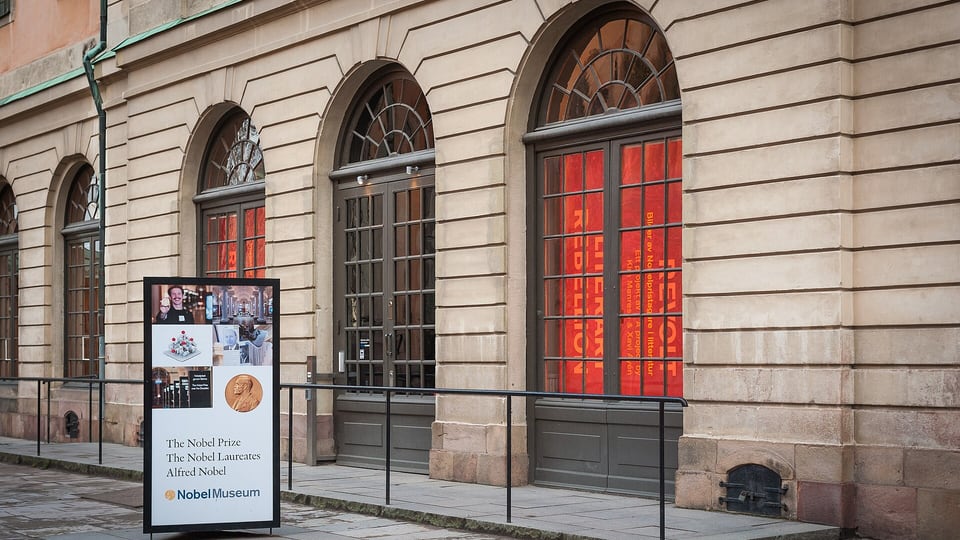
Nobel Prize Museum, Stortorget
Opened in 2001 for the Nobel Prize’s centenary, the museum occupies the ground floor of Börshuset, Stockholm’s former Stock Exchange building, right on Stortorget square. The museum has confirmed it will remain there until the dedicated Nobel Center opens at Slussen in 2031. The museum explains the prize’s history and laureates, but the Peace Prize itself, awarded separately in Oslo, is not decided or awarded here.
Best for: An hour or two learning the Nobel story before or after seeing the rest of Stortorget · Area: Stortorget, Gamla Stan
Plan for The museum covers the prize’s history and laureates broadly; it is not the venue for the Peace Prize, which is a common misconception worth clearing up before visiting.
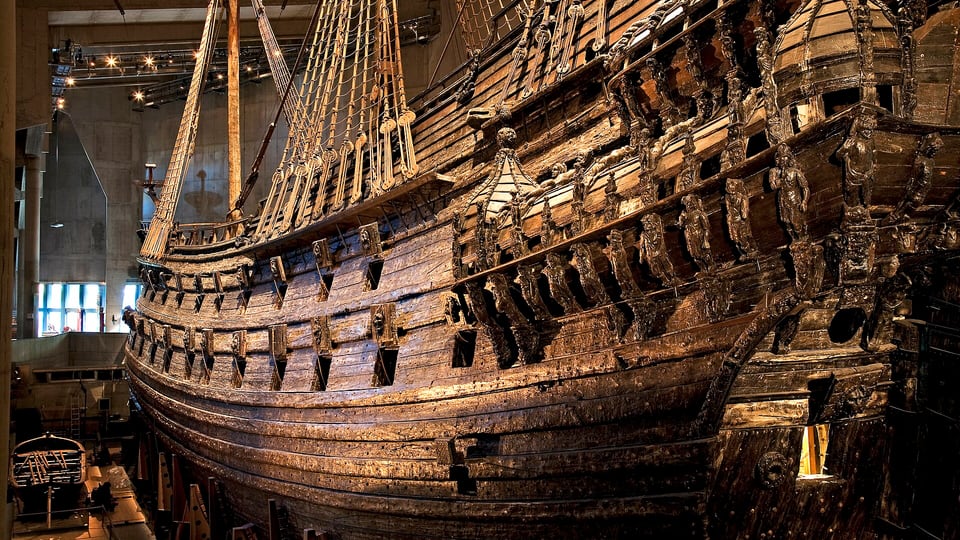
Vasa Museum
The Vasa sank in Stockholm harbour on 10 August 1628, on its maiden voyage, after sailing roughly 1,300 metres, undone by a top-heavy design with too little stability. About 30 people died. Salvaged in 1961 after 333 years on the seabed, it is commonly described as about 95% original material; some sources cite up to 98%, and this page uses the more conservative figure.
Best for: Two to three hours to see the ship and its supporting exhibitions on Djurgården · Area: Djurgården island
Plan for The exact original-material percentage varies slightly by source (roughly 95-98%); this page states the more conservative figure rather than the highest one found.
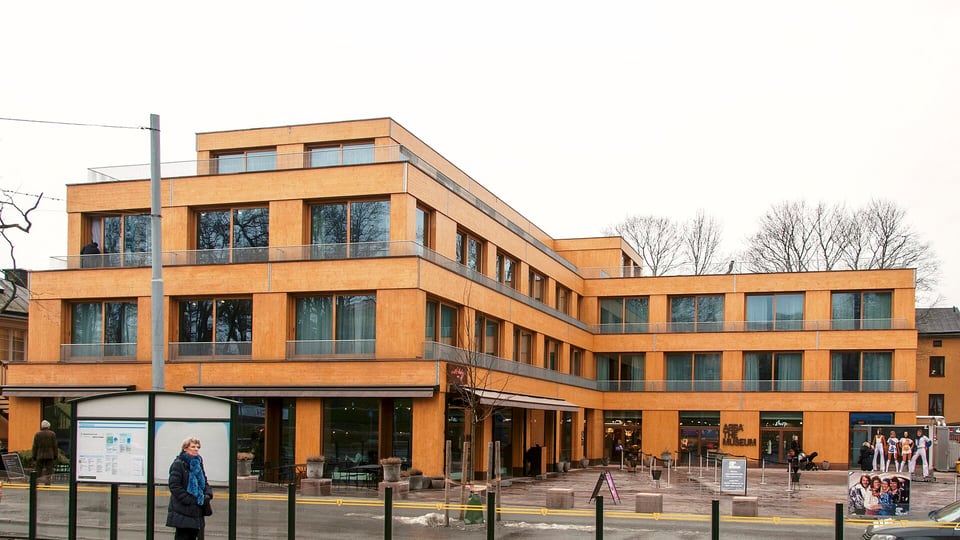
ABBA The Museum
An interactive museum on Djurgården dedicated to the Swedish pop group ABBA, run by Pophouse Entertainment Group’s foundation. It includes a stage where visitors perform alongside holographic versions of the band, a themed quiz, and a recreation of the Polar Studio where ABBA recorded.
Best for: An hour or two for anyone with an interest in the band or Swedish pop culture generally · Area: Djurgården island
Plan for It suits fans and casual pop-culture visitors more than history-focused travellers; pair it with the Vasa Museum or Skansen nearby to fill out a Djurgården day.
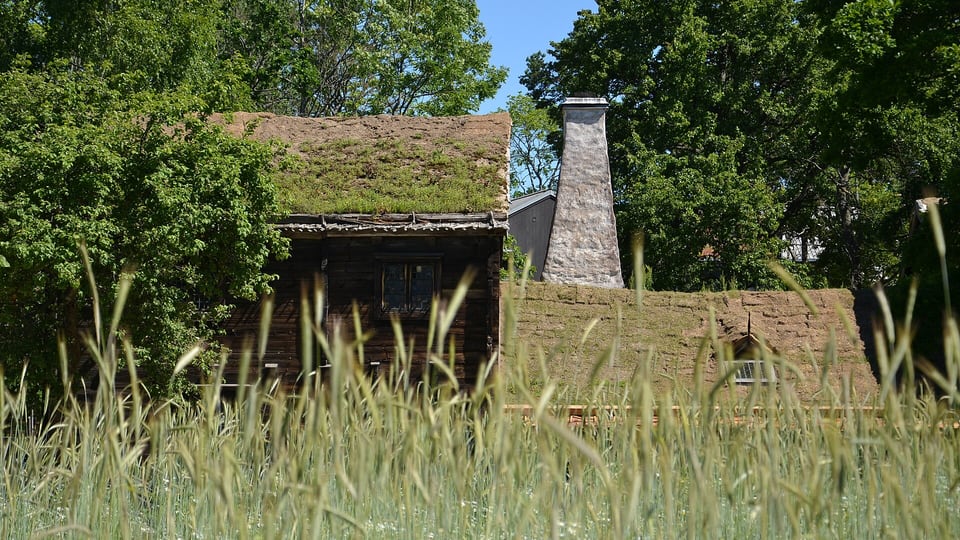
Skansen, the world’s oldest open-air museum
Founded in 1891 by Artur Hazelius, Skansen is the world’s oldest open-air museum by its own stated history. It combines historic Swedish buildings relocated from across the country with Nordic wildlife including moose, bears and seals, plus an aquarium and a science centre.
Best for: Combining the historic buildings with the wildlife enclosures in one visit · Area: Djurgården island
Plan for It is large and spread out; plan for a half-day rather than a quick stop if both the buildings and the animals matter to you.
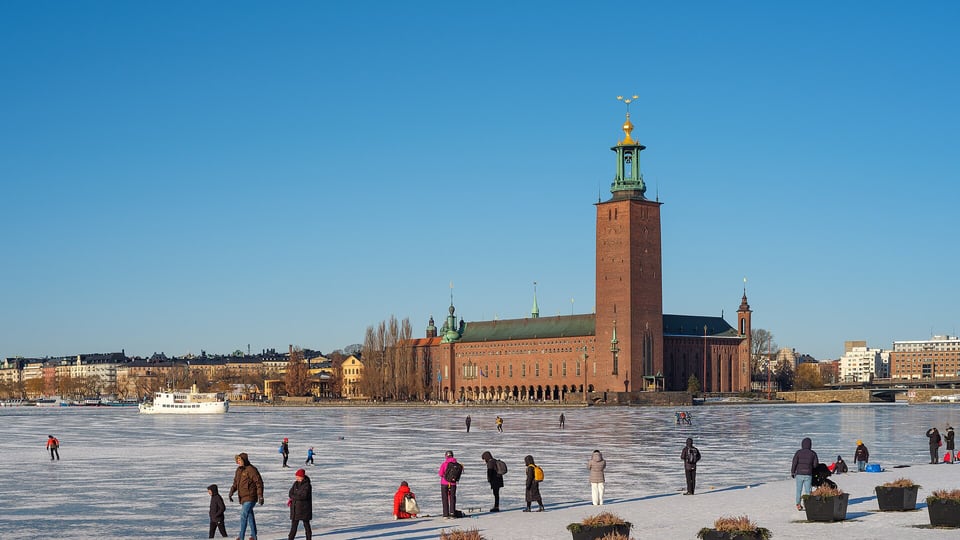
Stockholm City Hall (Stadshuset) and the Nobel Banquet
City Hall was built 1911-1923 from around 8 million red bricks, designed by architect Ragnar Östberg. It is best known for the Nobel Banquet each 10 December, held in its Blue Hall, which despite the name has no blue decoration. The adjoining Golden Hall is covered in mosaics made of more than 18 million tiles, and the 106-metre tower is reachable by 365 steps or a lift.
Best for: A guided interior tour of about 45 minutes, plus time in the lakeside courtyard and gardens · Area: Kungsholmen, on the water facing Riddarfjärden
Plan for City Hall remains a working municipal building, not a museum; access to some areas depends on council business and tour schedules.
See Stockholm City Hall (Stadshuset) and the Nobel Banquet tours
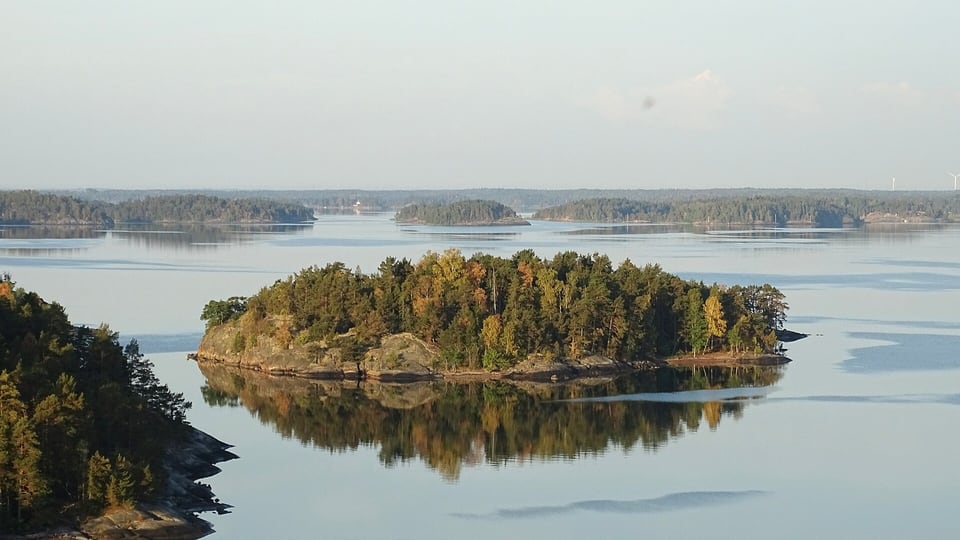
Stockholm Archipelago cruise
Beyond the 14 islands the city sits on, the Stockholm Archipelago is a far larger feature reaching into the Baltic Sea; sources count anywhere from about 24,000 to over 34,000 islands, islets and skerries depending on definition. It is Sweden’s largest archipelago, ranging from the Fjäderholmarna islands near the city to Landsort’s lighthouse and Arholma in the outer archipelago.
Best for: A guided cruise departing from central Stockholm, with several duration options · Area: The Baltic Sea east of the city, reached by boat from Strandvägen and other central departure points
Plan for Island counts vary widely by source; treat any single number, including this page’s, as an estimate rather than a settled count.
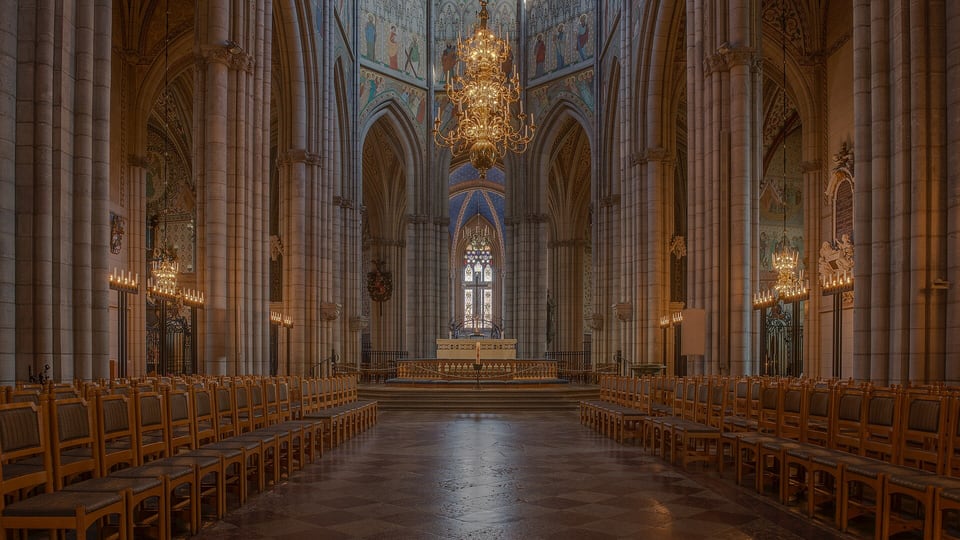
Sigtuna and Uppsala day trip
Sigtuna, founded around 980 CE, is generally regarded as Sweden’s oldest town; sources disagree on whether King Eric the Victorious or King Olof Skötkonung founded it, and Sweden’s first coins were minted there. Uppsala, a short distance further, holds Uppsala University, founded in 1477 and the oldest in the Nordic region, whose most famous figure is botanist Carl Linnaeus.
Best for: A day trip from Stockholm combining both towns, typically by guided tour or regional train · Area: Sigtuna and Uppsala, north-west of Stockholm in Uppland
Plan for Covering both towns in one day, especially on a guided tour, means less time at either than a dedicated visit to just one would allow.
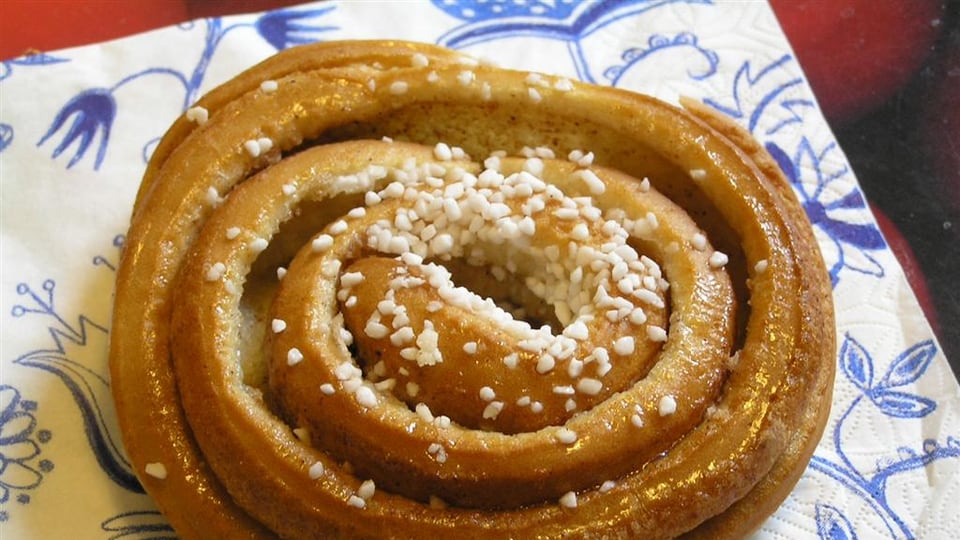
Fika, kanelbullar and Swedish food culture
Fika is Sweden’s deliberate, shared coffee-and-pastry break, usually built around strong filter coffee and a cinnamon bun (kanelbulle); the word works as both noun and verb and stays embedded in Swedish workplace culture. Köttbullar, Swedish meatballs, are traditionally a 50/50 beef-and-pork mix served with cream gravy and lingonberry jam, a separate thing from IKEA’s mass-produced version of the same dish.
Best for: Building fika breaks into a day of sightseeing, and trying köttbullar at an actual Swedish restaurant rather than assuming the IKEA version defines it · Area: Cafés across the city, especially in Gamla Stan and Södermalm
Plan for IKEA’s meatballs are a legitimate, popular product in their own right; the point is that they are a different thing from home-style köttbullar, not that either is more "authentic."
Plan two, four or seven-plus days in Stockholm
Two to three days: Gamla Stan, the Vasa Museum and City Hall
Pick this length for the historic core, the Nobel Prize Museum, the Vasa Museum and a City Hall tour.
This already covers the two most distinct single-site stories: the Vasa and the Nobel Prize.
The trade-off Djurgården’s other museums and the archipelago wait for a longer visit.
Four to five days: add the rest of Djurgården and Södermalm
Pick this length once the ABBA Museum, Skansen and a Södermalm afternoon matter as much as the core sights.
A shorter archipelago cruise of an hour or two fits well in this window too.
The trade-off A full Sigtuna and Uppsala day trip still needs its own extra day.
A week or more: add Sigtuna, Uppsala and a longer archipelago trip
Pick this length to fit a full day trip to Sigtuna and Uppsala and a longer or overnight archipelago excursion without rushing the city itself.
Confirm current tour schedules and ferry timetables before building a day around either.
The trade-off Both additions use a full day away from central Stockholm each.
Sources
checked 2026-09-28. Recommendations are editorial judgements based on the cited sources below.
Choose where to focus in Stockholm
Gamla Stan, for the Royal Palace and Nobel history
Consider it for the Palace, Stortorget and the Nobel Prize Museum, understood alongside the honest 1520 Bloodbath history.
A guide who explains the Bloodbath and the Nobel Stockholm-versus-Oslo distinction adds real value here.
The trade-off The main square gets crowded; side streets carry the same character with fewer people.
Djurgården, for the Vasa, ABBA and Skansen museums
Consider it for a genuine day of museums on one walkable green island.
Pick two of the three major museums per visit rather than rushing all of them.
The trade-off It draws over ten million visitors a year, so popular exhibits can be busy.
Södermalm, for fika and city viewpoints
Consider it for cafés, independent shops and hilltop views over the skyline.
Pair a Södermalm afternoon with a proper fika stop rather than treating it as a quick errand.
The trade-off Weekend crowds build around the most photographed viewpoints in the afternoon.
Sources
checked 2026-09-28. Recommendations are editorial judgements based on the cited sources below.
Three airports, and none of them are interchangeable
Stockholm Arlanda (ARN), the main gateway, is about 45km north; the Arlanda Express reaches Centralstation in 18 minutes.
Stockholm Bromma (BMA), for domestic and regional routes, is a separate airport about 7-8km west, reached by tram line 31 to Alvik.
Stockholm Skavsta (NYO), a low-cost-carrier base about 100km south, is reached by the Flygbussarna coach, roughly 80 minutes to the City Terminal.
Best time to visit
Spring (March-May)
Daylight lengthens fast through spring as Stockholm moves out of its short winter days; by the May equinox period the city already has noticeably long evenings, building toward the extreme June daylight.
- Crowds
- Varies by event and attraction
Summer (June-August)
Around the June solstice, Stockholm gets roughly 18 hours 44 minutes of daylight, with very late sunsets. This is also crayfish-party season from August, and the busiest period for archipelago cruises.
- Crowds
- Varies by event and attraction
Autumn (September-November)
Daylight shortens quickly through autumn as the city heads toward its shortest days; plan outdoor archipelago or day-trip time earlier in the season rather than late autumn.
- Crowds
- Varies by event and attraction
Winter (December-February)
Around the December solstice, Stockholm gets only about 6 hours 11 minutes of daylight, a difference of more than 12 hours from midsummer. Sightseeing outdoors in winter means working around a short daylight window, not just cold weather.
- Crowds
- Varies by event and attraction
Food: köttbullar, fika and the August crayfish party
Köttbullar, Swedish meatballs, are traditionally a roughly equal mix of beef and pork, served with cream gravy and lingonberry jam. IKEA’s version is a separate, mass-produced take on the same dish, not a stand-in for home cooking. In February 2013, a batch of IKEA meatballs sold across several European countries tested positive for horsemeat DNA and was pulled from sale, an episode that never reached US stores.
Fika is Sweden’s dedicated coffee-and-pastry break, usually shared rather than taken alone, most often built around strong filter coffee and a cinnamon bun (kanelbulle). It functions in Swedish as both a noun and a verb, and remains a structured part of the working day in many Swedish workplaces rather than an occasional treat.
Kräftskiva, the crayfish party, is a Swedish late-summer tradition centred on dill-brined crayfish, snaps and traditional drinking songs, with paper hats, bibs and lanterns as customary props. Its timing traces to 1920s Swedish regulations that restricted crayfish catching to August and September to prevent overfishing, and the first Wednesday of August is still informally marked as the season’s start.
City profile
- Population (The municipality (city proper) of Stockholm, Wikipedia, 2025; the wider urban area is about 1.6 million and the Stockholm metropolitan area about 2.5 million, 2025): 996,264
Wikipedia dates Stockholm’s founding as a city to 1252, credited to the Swedish statesman Birger Jarl. Separately, dendrochronological analysis of logs found on Helgeandsholmen, in what is now Gamla Stan, dated their felling to 970-1020, showing activity on the site well before the 1252 founding date usually cited for the city itself.
Gamla Stan was officially called "Staden mellan broarna" (the Town between the Bridges) until 1980, when the name was formally changed to Gamla Stan (the Old Town). The district was considered a run-down area for much of the 19th and 20th centuries and only became a major tourist draw from the 1970s onward.
On 7-9 November 1520, Danish king Christian II, newly crowned king of Sweden, had roughly 82 to nearly 100 Swedish nobles, clergy and townspeople arrested and beheaded in Stortorget square, despite an earlier promise of amnesty. The massacre, known as the Stockholm Bloodbath, earned him the epithet "Christian the Tyrant" and helped trigger the war that ended the Kalmar Union.
Djurgården was originally called Valmundsö before King John III designated it a royal game park in 1579 for deer and other wildlife, which gives the island its name (Djurgården means "animal yard" or game park). It is now home to several of the city’s major museums.
Famous for:
- The Vasa, a 17th-century warship that sank on its maiden voyage in 1628 after sailing barely a mile, recovered almost intact in 1961 and now the centrepiece of the Vasa Museum.
- The Nobel Prize: five of its six categories are awarded in Stockholm each December, while the Peace Prize is awarded separately in Oslo, Norway, a distinction many visitors get wrong.
- ABBA, the Swedish pop group, whose career and legacy are the subject of a dedicated interactive museum on Djurgården.
- The Stockholm Archipelago, a vast, sparsely populated spread of islands, islets and skerries stretching into the Baltic Sea east of the city, reachable by ferry as a half-day or full-day trip.
Why Stockholm is more than "14 islands," and where the Nobel Prize story gets misremembered
Stockholm itself is usually described as built on 14 islands. The wider Stockholm Archipelago beyond the city is a separate, much larger feature, and sources disagree on its size. Wikipedia’s own figures range from about 24,000 to over 34,000, while Visit Stockholm’s own marketing separately uses "30,014," with no single agreed number.
The Vasa Museum tells one of the most verifiable maritime disasters in European history. A warship built for the Swedish crown sank in Stockholm harbour on its maiden voyage in 1628 after sailing barely a mile. It was recovered in 1961 after 333 years on the seabed, and survives today with most of its original 17th-century timber intact.
The Nobel Peace Prize is not awarded in Stockholm. Five Nobel Prize categories (physics, chemistry, physiology or medicine, literature and economic sciences) are presented in Stockholm each 10 December, with the ceremony at Stockholm Concert Hall and the banquet at City Hall. The Peace Prize alone is decided and awarded separately, in Oslo, Norway, at Oslo City Hall, a distinction many visitors assume does not exist.
The UK FCDO states that terrorists are likely to try to carry out attacks in Sweden, and flags gang-related crime, including knife crime, shootings and explosions, in Malmö, Stockholm and Gothenburg, plus pickpocketing. The US State Department separately rates Sweden Level 2 of 4 for terrorism. Neither singles out a Stockholm district as unsafe, but both are worth reading before a trip.
Stockholm sits at about 59.3°N, which gives it extreme seasonal daylight swings: roughly 18 hours 44 minutes of daylight around the June solstice, against about 6 hours 11 minutes around the December solstice, a difference of more than 12 hours. A summer visit means very late sunsets and short nights; a winter visit means planning sightseeing around a short window of daylight.
- Plan by trip type
- Gamla Stan and the Royal Palace · Djurgården’s museums (Vasa, ABBA, Skansen) · City Hall and the Nobel story · an archipelago cruise
- Good first stay
- 2-3 days for Gamla Stan, the Vasa Museum and City Hall. 4-5 days to add the rest of Djurgården, Södermalm and a short archipelago cruise
- Built on islands
- The city is usually described as built on 14 islands; the wider Archipelago beyond it is separate, and sources disagree on its size (24,000-30,000+)
- Main gateway
- Stockholm Arlanda (ARN), 18 min by express train to Centralstation; Bromma (BMA) and Skavsta (NYO) are separate, smaller airports
Planning your Stockholm visit: FAQs
Is Stockholm safe?
The UK FCDO states that terrorists are likely to try to carry out attacks in Sweden, and flags gang-related crime, including knife crime, shootings and explosions, in Malmö, Stockholm and Gothenburg, plus pickpocketing. The US State Department separately rates Sweden Level 2 of 4 for terrorism. Neither singles out a Stockholm district as unsafe, but both are worth reading in full.
How many islands is Stockholm built on?
The city itself is usually described as built on 14 islands. The much larger Stockholm Archipelago beyond the city is a separate feature entirely, and sources disagree on its size. Wikipedia cites figures from about 24,000 to over 34,000 islands, islets and skerries, while Visit Stockholm’s own marketing uses "30,014." There is no single agreed number.
Is the Nobel Peace Prize awarded in Stockholm?
No. Five Nobel Prize categories are awarded in Stockholm each 10 December, at Stockholm Concert Hall with the banquet at City Hall. The Peace Prize is decided and awarded separately, in Oslo, Norway, a distinction many visitors assume does not exist.
Are IKEA meatballs the same as real Swedish köttbullar?
No, not exactly. Traditional köttbullar are a roughly 50/50 beef-and-pork mix served with cream gravy and lingonberry jam; IKEA’s meatballs are a separate, mass-produced version of the same national dish. In 2013, a batch of IKEA meatballs sold in several European countries tested positive for horsemeat and was pulled from sale, a well-documented episode that never reached US stores.
What actually happened to the Vasa warship?
The Vasa sank in Stockholm harbour on 10 August 1628, on its maiden voyage, after sailing roughly 1,300 metres, brought down by an unstable, top-heavy design. About 30 people died. It sat on the seabed for 333 years until its recovery in 1961, and is commonly described as about 95% original material today, among the best-preserved ships of its era anywhere.
Which Stockholm airport should I fly into?
Arlanda (ARN), about 45km north, is the main international gateway, with an 18-minute express train to Centralstation. Bromma (BMA), about 7-8km west, handles domestic and regional routes, while Skavsta (NYO), about 100km south, is a low-cost-carrier base reached by an 80-minute coach. They are three separate airports, not interchangeable terminals of one.
How does the cost of visiting Stockholm compare to other Nordic capitals?
Sweden has a high cost of living by international standards, and Stockholm is the country’s highest-cost city. Numbeo’s cost-of-living index nonetheless ranks Stockholm as the lowest-cost Nordic capital, below Oslo, Copenhagen and Helsinki. Travellers comparing it against other Nordic capitals may find daily costs somewhat lower within the region.
Why does it stay light so late in summer and so dark in winter?
Stockholm sits at about 59.3°N latitude, which produces extreme seasonal daylight swings: around 18 hours 44 minutes of daylight near the June solstice versus about 6 hours 11 minutes near the December solstice, a difference of more than 12 hours. It is a real astronomical fact of the city’s latitude, not a myth, and it is worth planning a trip around.
Make your Stockholm plans
Compare tours, tickets and activities in Stockholm →
Choose your departure market and search flights to Stockholm from the Mubboo Flights homepage.
Compare flights ↗Sources
Latest source check: .
Show all 36 sources
- Wikipedia — Stockholm (checked 2026-09-28)
- Wikipedia — Gamla stan (checked 2026-09-28)
- Wikipedia — Stockholm Bloodbath (checked 2026-09-28)
- Kungliga Slotten (Royal Court of Sweden) — The Royal Palace (checked 2026-09-28)
- Nobel Prize Museum — About the museum (checked 2026-09-28)
- Wikipedia — Nobel Prize (checked 2026-09-28)
- Wikipedia — Stockholm City Hall (checked 2026-09-28)
- Vasa Museum (checked 2026-09-28)
- Wikipedia — Vasa (ship) (checked 2026-09-28)
- ABBA The Museum (checked 2026-09-28)
- Skansen — About Skansen (checked 2026-09-28)
- Wikipedia — Djurgården (checked 2026-09-28)
- Wikipedia — Södermalm (checked 2026-09-28)
- Wikipedia — Stockholm Archipelago (checked 2026-09-28)
- Visit Stockholm (destination marketing organisation) — "Stockholm, 30,014 islands of possibilities" (checked 2026-09-28)
- Visit Sweden (tourism board) — Fika like a Swede (checked 2026-09-28)
- NPR — Horse Meat Found In Ikea’s Meatballs (25 February 2013) (checked 2026-09-28)
- Wikipedia — Crayfish party (kräftskiva) (checked 2026-09-28)
- Uppsala University — history page (checked 2026-09-28)
- Wikipedia — Sigtuna (checked 2026-09-28)
- Arlanda Express (checked 2026-09-28)
- Swedavia (Arlanda Airport operator) — Trains (checked 2026-09-28)
- Wikipedia — Stockholm Skavsta Airport (checked 2026-09-28)
- KAYAK — Your guide to easily navigating Stockholm’s four airports (checked 2026-09-28)
- GOV.UK — Sweden travel advice (checked 2026-09-28)
- GOV.UK — Sweden travel advice: safety and security (last updated 11 August 2026) (checked 2026-09-28)
- Travel Market Report — U.S. State Department Reissues Level 2 Warning for Sweden (checked 2026-09-28)
- Numbeo — Cost of Living in Stockholm (September 2026) (checked 2026-09-28)
- timeanddate.com — Sun & Moon in Stockholm, Sweden (sunrise/sunset/day length) (checked 2026-09-28)
- The booking platform — Stockholm destination (d907) (checked 2026-09-28)
- The booking platform — Vasa Museum Guided Tour, Including Ticket & Guide (product 185626P2, verified ACTIVE, primary destination 907, 2026-09-28) (checked 2026-09-28)
- The booking platform — Walking Tour of Stockholm’s Old Town, Gamla Stan (product 474321P3, verified ACTIVE, primary destination 907, 2026-09-28) (checked 2026-09-28)
- The booking platform — Stockholm Archipelago Cruise with Guide (product 3904P50, verified ACTIVE, primary destination 907, 2026-09-28) (checked 2026-09-28)
- The booking platform — Stockholm City Hall & Nobel Prize Exclusive Private Tour (product 372389P3, verified ACTIVE, primary destination 907, 2026-09-28) (checked 2026-09-28)
- The booking platform — ABBA Museum Fast-Track Tickets, Stockholm Pop Culture Tour (product 332547P381, verified ACTIVE, primary destination 907, 2026-09-28) (checked 2026-09-28)
- The booking platform — Viking History, Runes & Countryside 9h Tour to Sigtuna & Uppsala (product 16888P11, verified ACTIVE, primary destination 907, 2026-09-28) (checked 2026-09-28)
Photo credits
- nobel prize museum — Tuomas Vitikainen · CC BY-SA 4.0.
- vasa museum — Richardmaackphotography · CC BY 4.0.
- abba museum — I99pema · CC BY-SA 3.0.
- skansen — Pudelek · CC BY-SA 4.0.
- stockholm city hall — ArildV · CC BY-SA 4.0.
- stockholm archipelago — Ad Meskens · CC BY-SA 4.0.
- sigtuna uppsala day trip — Arild Vågen · CC BY-SA 3.0.
- fika and swedish food culture — Wikimedia Commons contributor · Public domain.
Mubboo Editorial Team · Reviewed by Mubboo Editorial Team


