
South Korea · Asia
Seoul
Choose a Seoul trip around palace history, market food, contemporary design or the city’s music and shopping districts. Gyeongbokgung, Changdeokgung and a neighbourhood outing offer different experiences, even when they appear together on a sightseeing list.

Find your Seoul experience
Explore Seoul Before You Book
Take a virtual drive or walk, then find tours and tickets for the places you like.

Activities
Featured activities in Seoul


Prices at a glance
What we sell today and what recent flight searches found. No hotel prices; nothing here is a trip total.
- Tours and tickets in Seoulfrom US$32.00
Live from Viator when this page loaded · per adult · changes by date.
Flights to Seoul
- From Singaporeone-way from SGD 176
- From Los Angelesone-way from US$373
- From New Yorkone-way from US$286
Lowest fare seen in recent flight searches for that route; the airline or booking site confirms the final fare.
Plan Seoul by time and budget
Top experiences
Top experiences in Seoul
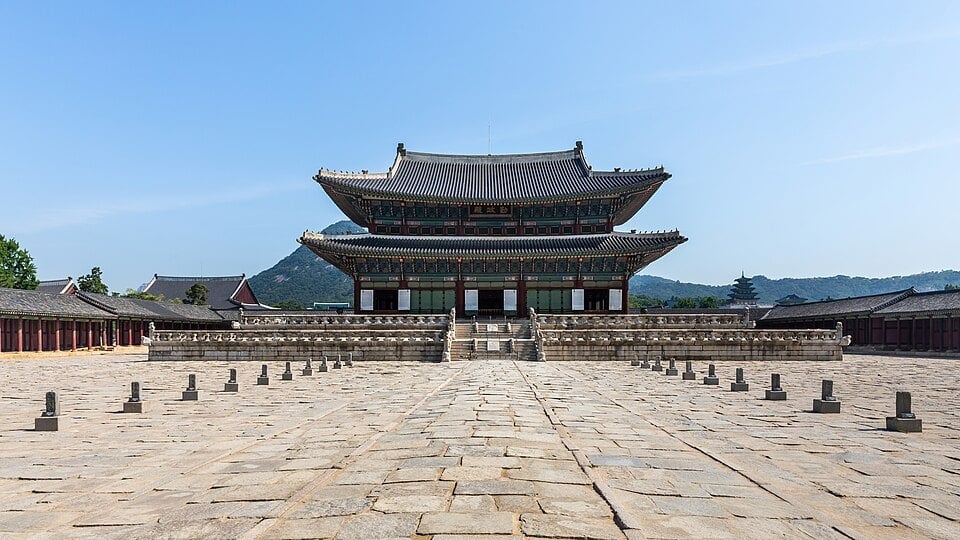
Gyeongbokgung Palace
Built in 1395 as the Joseon dynasty's first royal palace, and per Korea Tourism Organization's own description, the largest of Seoul's Five Grand Palaces.
Best for: Joseon royal history, palace architecture, free public event days · Area: Jongno District
Plan for Normally closed on Tuesdays, with holiday exceptions, and its scale means a single visit only covers a fraction of the palace grounds.
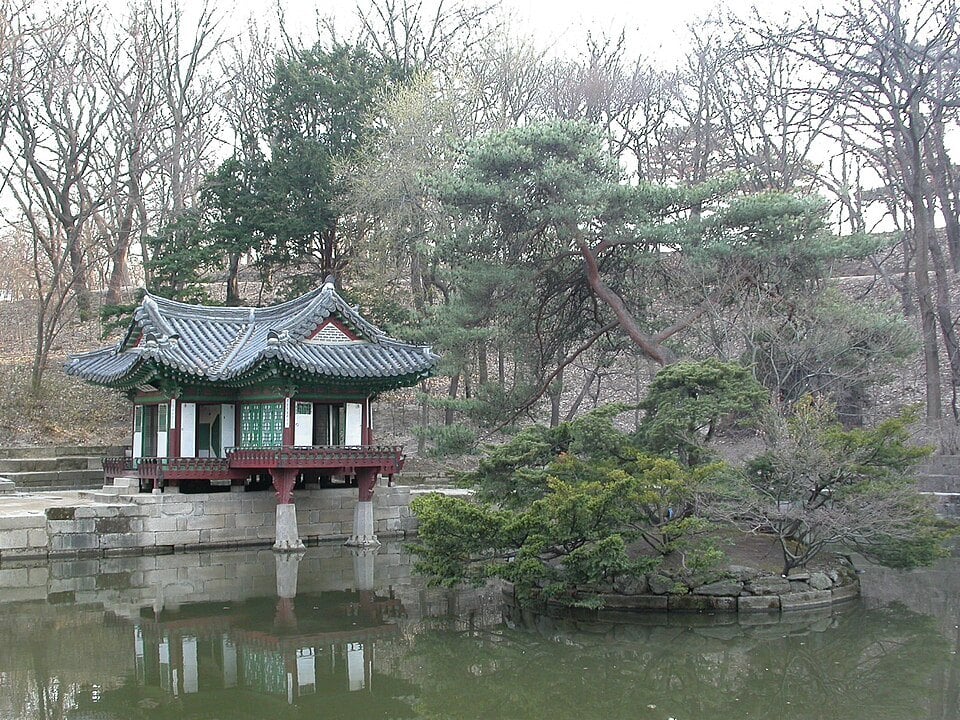
Changdeokgung Palace & Huwon Secret Garden
Served as the Joseon dynasty's de facto primary residence and is the only one of Seoul's five Joseon palaces with UNESCO World Heritage status.
Best for: Garden lovers, UNESCO-site travellers, visitors who want a garden laid out to follow the terrain rather than a formal courtyard plan · Area: Jongno District
Plan for Check the separate arrangements for the Secret Garden before selecting a palace visit; entry to one does not automatically include the other.
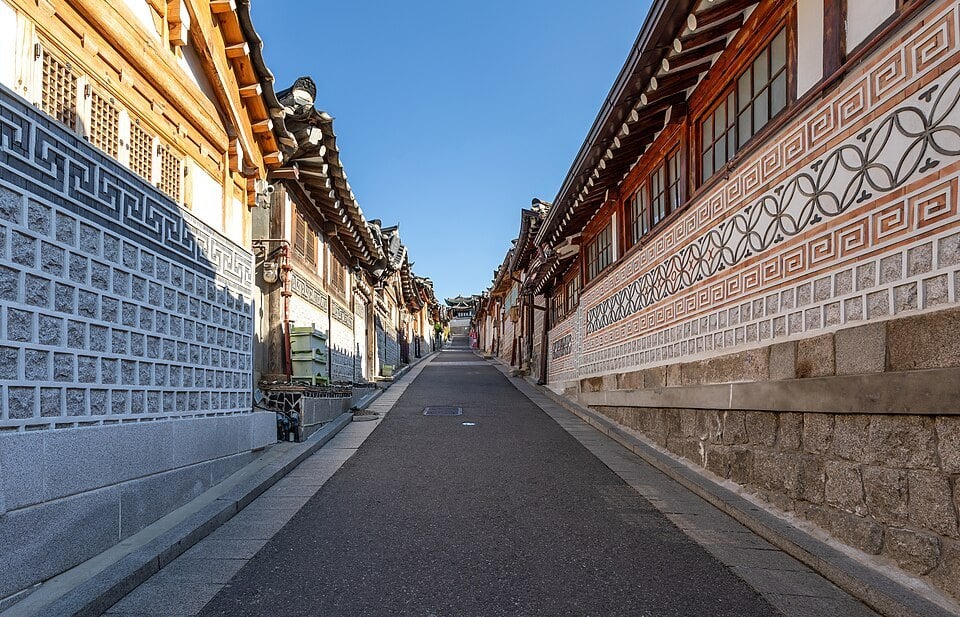
Bukchon Hanok Village
A residential hanok district between Gyeongbokgung and Changdeokgung palaces, settled by Joseon-era nobility roughly 600 years ago.
Best for: Architecture photographers, quiet walkers, morning and weekday visits · Area: Jongno District
Plan for As a residential neighborhood rather than a museum, loud groups and late-hour visits affect real neighbors living there.
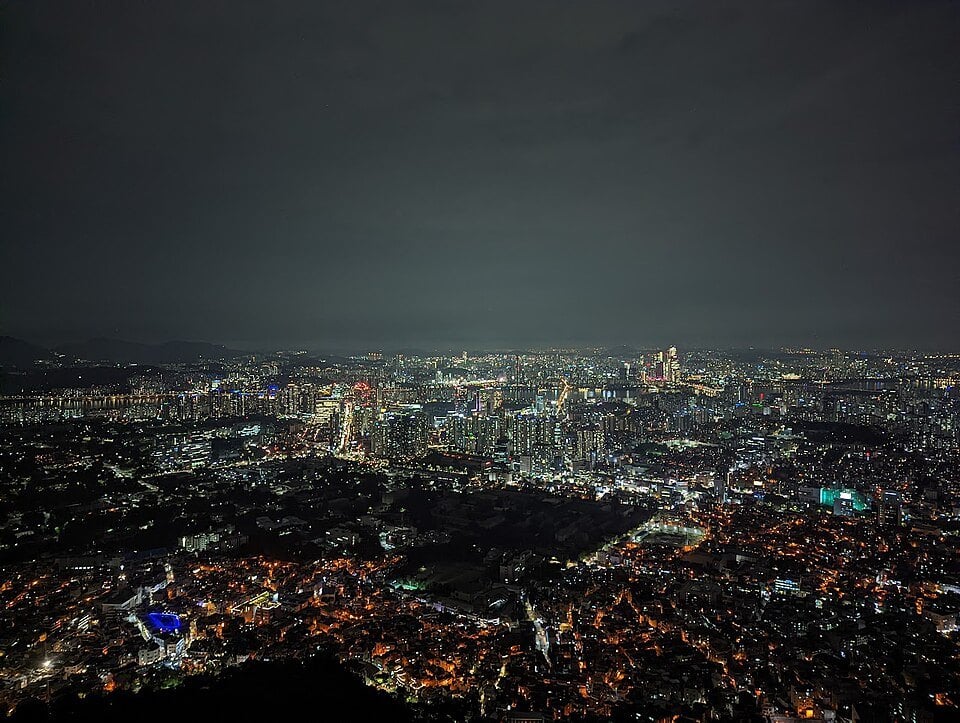
N Seoul Tower (Namsan Seoul Tower)
Korea's first telecommunications tower, built in 1969 atop Namsan mountain, now doubling as a panoramic-view rest stop.
Best for: Sunset and night views, couples leaving love locks, a cable-car ride up Namsan · Area: Yongsan District, Namsan
Plan for Reaching the summit means a cable car, bus or an uphill walk before the tower itself.
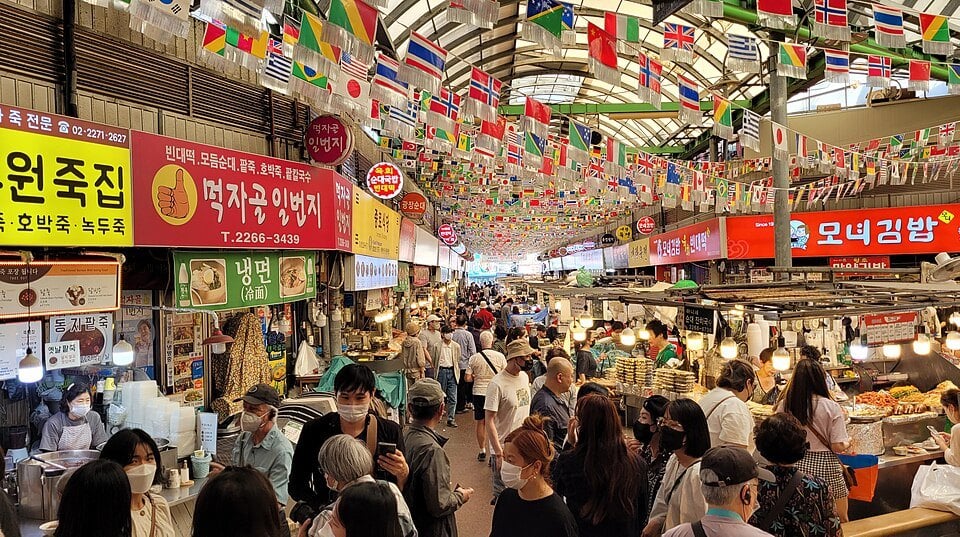
Gwangjang Market
Established in 1905 as the first market permanently run by private Korean merchants rather than colonial or foreign operators.
Best for: Street food, market atmosphere, eating at the ground-floor stalls · Area: Jongno District
Plan for Ground-floor food stalls get dense and smoky at peak meal times, and the upstairs fabric trade keeps separate vendor hours.
Dongdaemun Design Plaza (DDP)
Designed by architect Zaha Hadid and opened in 2014 on the site of the former Dongdaemun Stadium.
Best for: Architecture and design fans, exhibitions, photography · Area: Jung District, Dongdaemun
Plan for Exhibition and fashion-show schedules change often, so specific events need checking ahead of a visit.
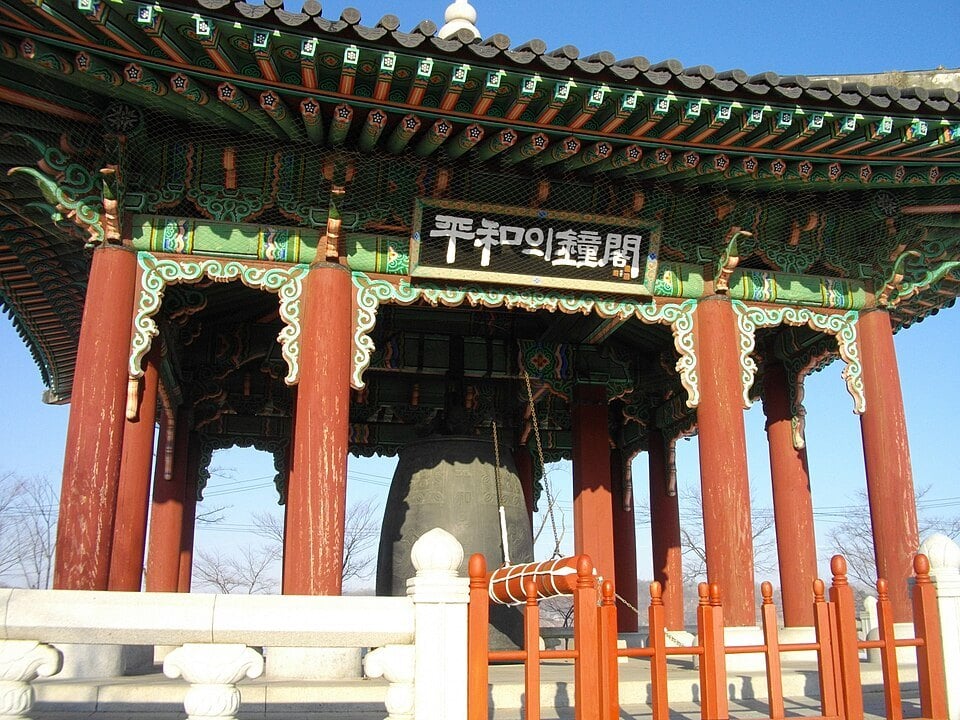
DMZ Third Tunnel & Imjingak
The Third Tunnel, discovered in 1978 about 52 kilometers from Seoul, is one of four known infiltration tunnels dug by North Korea toward the South.
Best for: History-minded travellers, a day trip genuinely different from central Seoul · Area: Paju, Gyeonggi Province (day trip)
Plan for Visitors must reserve the tour in advance and bring identification such as a passport.
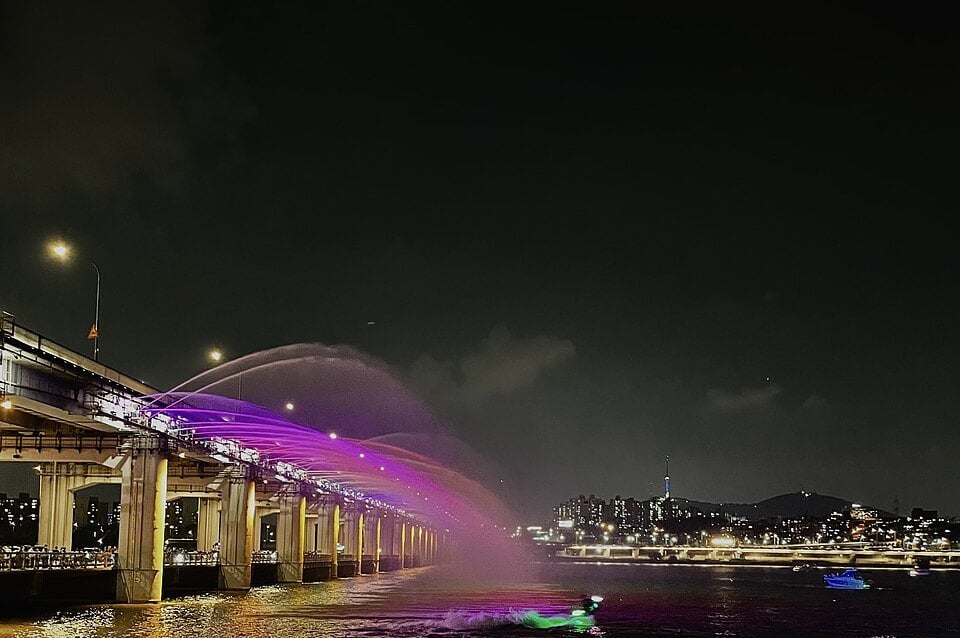
Hangang (Han River) Park, Banpo
One of 11 Hangang parks the city has maintained along the river since 1992.
Best for: Cyclists, picnickers, evening walks, families · Area: Seocho District, Banpo
Plan for Which park suits a visit best depends on the season, since river parks are livelier in warm weather and quieter in winter.
K-Star Road, Gangnam
A roughly 1-kilometer stretch of Apgujeong-ro in Gangnam lined with GangnamDol bear statues customized for K-pop acts such as BTS, EXO and Girls' Generation.
Best for: K-pop fans, photo stops, an easy add-on to a Gangnam visit · Area: Gangnam District, Cheongdam-dong
Plan for Some agencies named on route guides, including SM Entertainment's original Cheongdam office, have since relocated elsewhere in Seoul.
Plan one, three or five days in Seoul
One day: a palace and the surrounding city
For a short first visit, choose one palace and leave room for a nearby street-level outing.
Make Gyeongbokgung the main visit if royal history interests you, then choose Insadong or another manageable nearby area. Avoid committing to a second large interior before you know how much time the first deserves.
The trade-off This does not cover every contemporary shopping district. If shopping or K-culture is the main purpose, replace the palace block with that interest rather than racing through both.
Three days: history, neighbourhood life and your own interest
Let each day show a different Seoul rather than repeating palace-and-market combinations.
Use day one for a palace and nearby streets. Give day two to a chosen neighbourhood, food or shopping interest. Keep day three for a museum, performance or excursion, allowing the confirmed activity to determine the order.
The trade-off A full excursion uses a city day. We would keep an independent afternoon in Seoul before adding a second distant outing.
Five days: add depth and leave a flexible final day
Use the longer stay to follow the interest that made you choose Seoul.
Keep the three-day framework, add a second cultural or food experience on day four, and leave day five for a slower return or departure. Visit residential historical areas respectfully and follow the current visitor arrangements.
The trade-off Five calendar days may contain fewer full days after flights. Do not let a long list of neighbourhoods consume the time needed to enjoy one of them.
Costed plans: One Day in Seoul: ₩28,671 or Less? → · Seoul in 3 Days for ₩180,000? →
Sources
checked 2026-09-08. Recommendations are editorial judgements based on the cited sources below.
Choose a Seoul base and explore nearby
Jongno and Insadong: a history-and-craft base
Consider this part of the city when palaces, traditional crafts and walking are recurring priorities.
Compare the actual accommodation street with the palace entrance and places you want to revisit. Insadong’s galleries, tea houses and shops can support an independent outing alongside a guided historical visit.
The trade-off A district label does not promise a quiet room or proximity to every palace. Check the address and local approach separately.
Myeongdong: put shopping within the everyday route
Consider Myeongdong when shopping is a central interest rather than a quick detour.
Choose accommodation by its real location and the transport connections for your other plans. Keep a shopping evening flexible, instead of reserving several tours whose return times compete with it.
The trade-off A commercially busy setting serves a different preference from a smaller residential street. Choose the atmosphere you want as well as the map position.
Bukchon: plan a respectful visit, not an unrestricted photo circuit
Visit for the traditional streets and cultural setting while recognising that people live here.
Korea Tourism Organization identifies Bukchon as a residential neighbourhood and lists controlled visiting hours for Bukchon-ro 11-gil. Follow current signs and keep voices low; choose an actual guesthouse booking if an overnight hanok stay is the experience you want.
The trade-off An attractive street does not imply public access to every home. A short, considerate visit is preferable to treating the neighbourhood as an all-hours attraction.
Sources
checked 2026-09-08. Recommendations are editorial judgements based on the cited sources below.
Airports and transit
Seoul is served by Incheon International Airport (ICN), the main international gateway that passed 1 billion cumulative passengers within about 25 years, and Gimpo International Airport (GMP), the domestic and short-haul regional hub.
A dedicated Airport Railroad (AREX) express train runs nonstop from Incheon to Seoul Station, alongside limousine buses and taxis. The Seoul Subway, first opened in 1974, now spans 345 stations across the city.
Best time to visit
Winter (Dec-Feb)
Winter is very cold, with strong winds and shorter days. Plan indoor breaks between outdoor visits.
- Crowds
- Varies by event and attraction
Notable events
- Seollal, the Lunar New Year, is a three-day holiday around the first day of the lunar calendar (16 to 18 February in 2026). Some businesses close for several days, while palaces, museums and department stores stay open.
Spring (Mar-May)
Spring brings flowering parks and streets, but temperatures can fall sharply after dark. Bring layers for an outing that continues into the evening.
- Crowds
- Varies by event and attraction
Notable events
- The Lotus Lantern Festival (Yeondeunghoe) brings a free evening lantern parade through Jongno to Jogyesa Temple ahead of Buddha's Birthday; in 2026 the festival ran 16 and 17 May.
Summer (Jun-Aug)
Summer is hot and humid, with monsoon rain interrupting outdoor plans. Keep an indoor alternative alongside a market or palace visit.
- Crowds
- Varies by event and attraction
Autumn (Sep-Nov)
Autumn brings changing foliage and cooler conditions. It is a useful season to consider for walking-focused plans, with the day’s forecast still guiding what you wear.
- Crowds
- Varies by event and attraction
Notable events
- The Seoul International Fireworks Festival lights the Han River at Yeouido Hangang Park each autumn with an evening show by international fireworks teams (5 September in 2026).
- Chuseok, the harvest holiday, is a three-day holiday around the 15th day of the eighth lunar month (24 to 26 September in 2026). Some businesses close for several days, while palaces, museums and department stores stay open.
Make food part of the outing
A Korean barbecue meal and a market tasting stop have different rhythms. Barbecue invites the group to sit, grill and share side dishes; Gwangjang offers a way to sample foods such as mung-bean pancakes while exploring a working market.
Choose a food walk if explanation and help ordering matter to you. If you prefer to decide as you go, leave the meal flexible and check the particular stalls you want. Do not build a food outing solely around the market’s founding date or a claim that every stall is equally worthwhile.
City profile
- Population (Seoul Special Metropolitan City (city proper), Q1 2026, Seoul Metropolitan Government, 2026): 9,579,449
- Population (Seoul Capital Area (Seoul + Incheon + Gyeonggi Province), resident-registration population, December 2023, reported via The Korea Herald from Korean government data, 2023): 26,100,000
Seoul has been continuously inhabited since the Neolithic period. It served as one of Korea's principal administrative centers for about 2,000 years, starting as Wiryeseong, the ancient capital of Baekje, founded around 18 BCE.
It became the Joseon dynasty's capital in 1395, when King Taejo (Yi Seong-gye) built Gyeongbokgung Palace as the new dynasty's primary royal residence.
Famous for:
- Seoul is known for its preserved Joseon-dynasty palace architecture. Gyeongbokgung is the largest of its Five Grand Palaces, and Changdeokgung is the only one with UNESCO World Heritage status.
- Seoul is also a hub of the Korean Wave (Hallyu). Gangnam's K-Star Road lines a street with statues honoring K-pop acts such as BTS and EXO.
What makes this visit worthwhile
The palace district offers choices within its history. Gyeongbokgung is the largest of the Five Grand Palaces and Changdeokgung adds the Secret Garden, while Bukchon is also a residential neighbourhood with people living behind its much-photographed facades. For a first visit, we favour an intentional palace choice and a respectful walk over racing through every name.
Market food, contemporary architecture and K-pop-related places show another side of Seoul. Let a particular interest determine whether you head to Gwangjang, DDP or Gangnam. K-Star Road is a street of statues honouring K-pop acts, a photo stop with no performance attached.
Watch Seoul
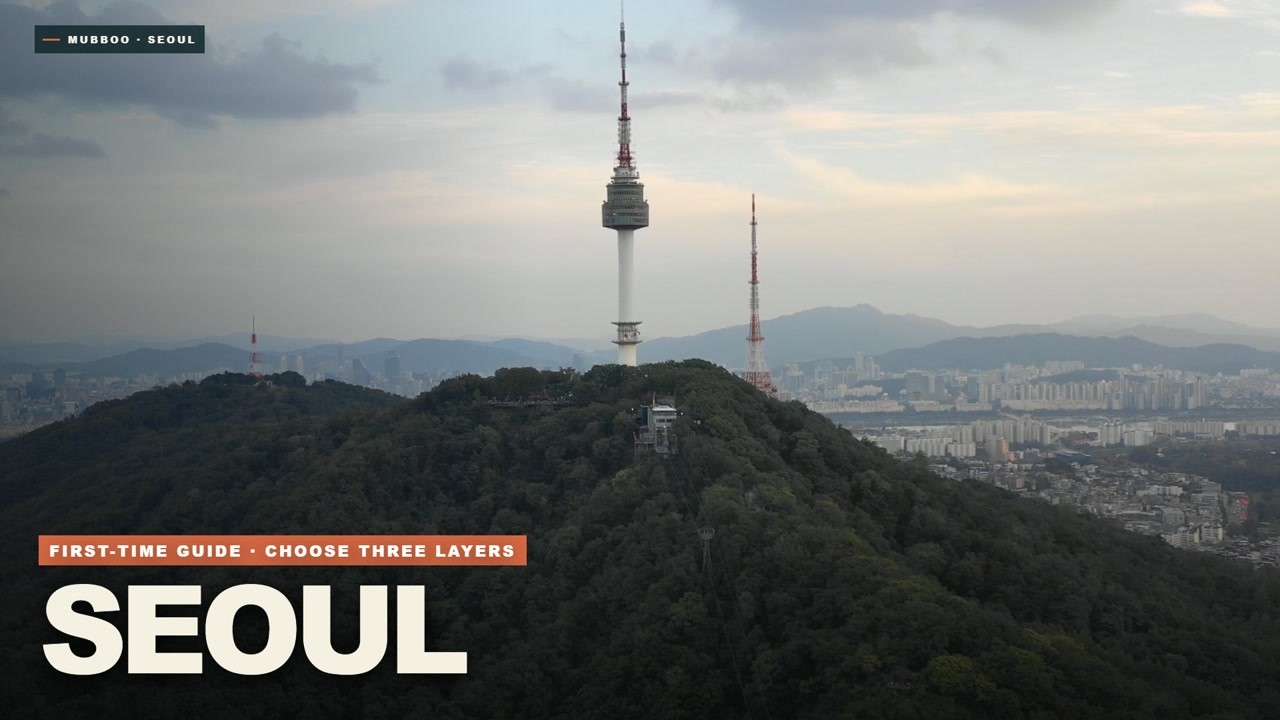
Seoul travel video: a practical first-trip guide | Mubboo Flights
This 3-minute city guide connects Gyeongbokgung, Bukchon, Gwangjang Market, Dongdaemun, and Han River into a practical first-trip plan, helping travellers choose what fits instead of rushing through a checklist. English narration with reviewed English subtitles in the YouTube player.
Planning your Seoul visit: FAQs
Should I visit every palace on a first Seoul trip?
Only if palace history is a main interest. For a shorter visit, we would choose one carefully and leave time for a market, neighbourhood or contemporary Seoul experience. Check that palace’s own programme and closure day before arranging the rest of the visit.
Is Bukchon a tourist attraction or a residential area?
It is a residential hanok neighbourhood, so a visit affects people who live there. Keep voices low, respect signed visiting restrictions and avoid blocking doorways. A guided walk should respect those same boundaries; booking one does not grant access to residents’ homes.
Is a DMZ trip part of normal Seoul sightseeing?
It is a separate outing outside the city, with its own reservation and identification requirements. Read the actual itinerary and current operating conditions. If you have only a short stay, choose it because that history matters to you, accepting that it replaces time in Seoul.
How can I fit modern Seoul into a palace-focused visit?
Set aside a different outing for a specific interest: contemporary design around DDP, market food at Gwangjang or K-pop-related places in Gangnam. Avoid promising yourself all three after a full palace day; the travel and the activities themselves need time.
Does wearing hanbok affect palace admission?
The Korea Heritage Service admits hanbok wearers free at Gyeongbokgung, Changdeokgung, Deoksugung, Changgyeonggung, Jongmyo Shrine and the royal tombs. Traditional and modernised hanbok both count, but the outfit needs a jeogori top with a skirt or trousers. A jeogori worn over jeans does not qualify.
Is there a short-stay transit pass for Seoul?
Seoul’s Climate Card comes as a one, two, three, five or seven-day pass as well as a 30-day version. It covers unlimited subway and bus travel in the city, but not the Sinbundang Line, subway lines outside Seoul or airport buses. A short-term pass starts on the day it is charged.
Make your Seoul plans
Compare tours, tickets and activities in Seoul →
Choose your departure market and search flights to Seoul from the Mubboo Flights homepage.
Compare flights ↗Sources
Latest source check: .
Show all 45 sources
- Seoul Metropolitan Government (checked 2026-08-30)
- Seoul Metropolitan Government (checked 2026-08-30)
- The Korea Herald (checked 2026-08-30)
- Korea Tourism Organization (VisitKorea) (checked 2026-08-30)
- Korea Tourism Organization (VisitKorea) (checked 2026-08-30)
- Korea Tourism Organization (VisitKorea) (checked 2026-08-30)
- Seoul Metropolitan Government (checked 2026-08-30)
- Seoul Metropolitan Government (checked 2026-08-30)
- Seoul Metropolitan Government (checked 2026-08-30)
- Seoul Metropolitan Government (checked 2026-08-30)
- Korea Tourism Organization (VisitKorea) (checked 2026-08-30)
- Seoul Metropolitan Government (checked 2026-08-30)
- Seoul Tourism Organization (Visit Seoul) (checked 2026-08-30)
- Seoul Tourism Organization (Visit Seoul) (checked 2026-08-30)
- Korea Tourism Organization (VisitKorea) (checked 2026-08-30)
- The Korea Times (checked 2026-08-30)
- Visit Gangnam (Gangnam tourism portal) (checked 2026-08-30)
- Korea Tourism Organization (VisitKorea) (checked 2026-08-30)
- Wikipedia, Climate of Seoul (table attributed to KMA 1991-2020 normals) (checked 2026-08-30)
- The Korea Times (checked 2026-08-30)
- Korea Airports Corporation (checked 2026-08-30)
- Seoul Metropolitan Government (checked 2026-08-30)
- Creatrip (AREX travel-guide corroboration, documented fallback) (checked 2026-08-30)
- Korea Meteorological Administration (checked 2026-08-29)
- Korea Tourism Organization (VisitKorea) -- Airport Transportation Guide (checked 2026-08-29)
- Korea Heritage Service — Gyeongbokgung admission and guided tours (checked 2026-09-07)
- Korea Heritage Service — Changdeokgung and Secret Garden admission (checked 2026-09-07)
- National Museum of Korea — visitor information (checked 2026-09-07)
- Seoul Metropolitan Government — visitor experience analysis (checked 2026-09-07)
- Seoul Metropolitan Government — four seasons (checked 2026-09-07)
- UNESCO World Heritage Centre (checked 2026-09-13)
- Seoul Tourism Organization (Visit Seoul) (checked 2026-09-13)
- Seoul Metropolitan Government (checked 2026-09-13)
- Korea Tourism Organization (VisitKorea) (checked 2026-09-13)
- Korea Heritage Service (checked 2026-09-13)
- Seoul Metropolitan Government (checked 2026-09-13)
- Seoul Metropolitan Government (checked 2026-09-13)
- Korea Tourism Organization: The 3rd Tunnel (checked 2026-09-13)
- Korea Tourism Organization: Nami Island (checked 2026-09-13)
- Korea Tourism Organization: Palace Royal Guard Changing Ceremony (checked 2026-09-13)
- Korea Tourism Organization: E-Land Cruise (checked 2026-09-13)
- Korea Tourism Organization: public holidays (checked 2026-09-17)
- Seoul Metropolitan Government: holidays and annual events for 2026 (checked 2026-09-17)
- Visit Seoul: 2026 Lotus Lantern Festival (checked 2026-09-17)
- Visit Seoul: Seoul International Fireworks Festival 2026 (checked 2026-09-17)
Photo credits
- gyeongbokgung palace — Basile Morin · CC BY-SA 4.0.
- bukchon hanok village — Basile Morin · CC BY-SA 4.0.
- n seoul tower — Takipoint123 · CC BY-SA 4.0.
- dmz third tunnel — Abasaa · Public domain.
- hangang park banpo — Cookinu · CC BY-SA 4.0.
- changdeokgung palace — Lawinc82 · CC BY-SA 4.0.
- gwangjang market — Bgag · CC0.
Mubboo Editorial Team · Reviewed by Mubboo Editorial Team


