
Rome travel guide
Rome
Rome works best as distinct historic layers: ancient Rome around the Colosseum and Forum, the Renaissance and Baroque centre around the Pantheon and Piazza Navona, then Vatican City across the river. Choose one layer for depth per day rather than combining all three.
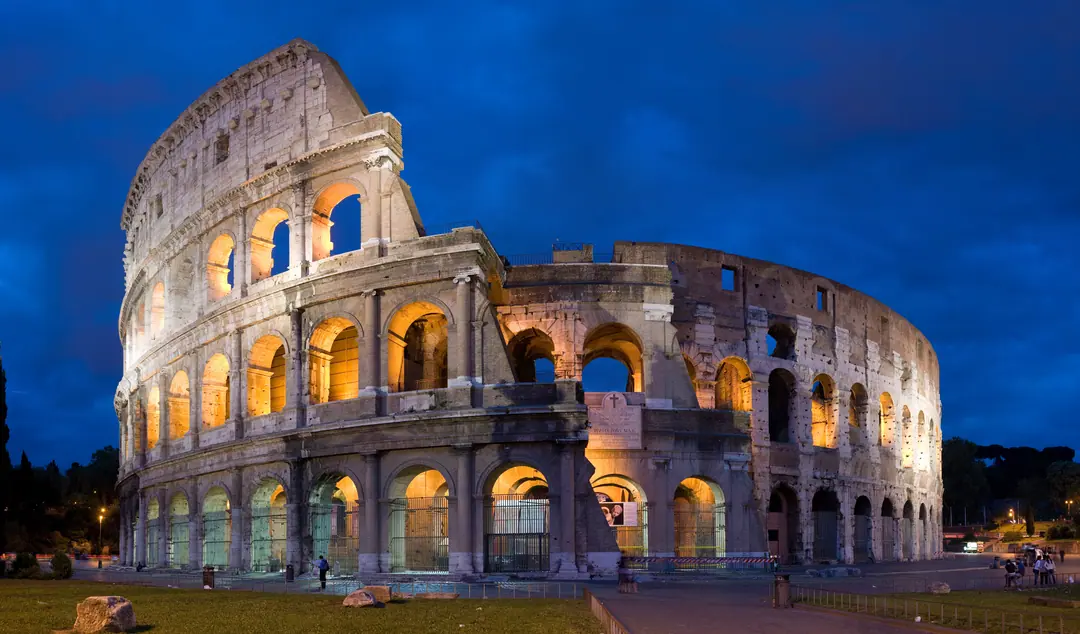
Find your Rome experience
Explore Rome Before You Book
Take a virtual drive or walk, then find tours and tickets for the places you like.
Activities
Featured activities in Rome


Prices at a glance
What we sell today and what recent flight searches found. No hotel prices; nothing here is a trip total.
- Tours and tickets in Romefrom US$20.78
- Pantheon ticketsfrom €35.00
- Galleria Borghese ticketsfrom €56.00
Live from Viator when this page loaded · per adult · changes by date.
Flights to Rome
- From Londonone-way from £16.00
- From Los Angelesone-way from US$311
- From New Yorkone-way from US$149
Lowest fare seen in recent flight searches for that route; the airline or booking site confirms the final fare.
Plan Rome by time and budget
Choose a top Rome attraction
Top experiences
Top experiences in Rome
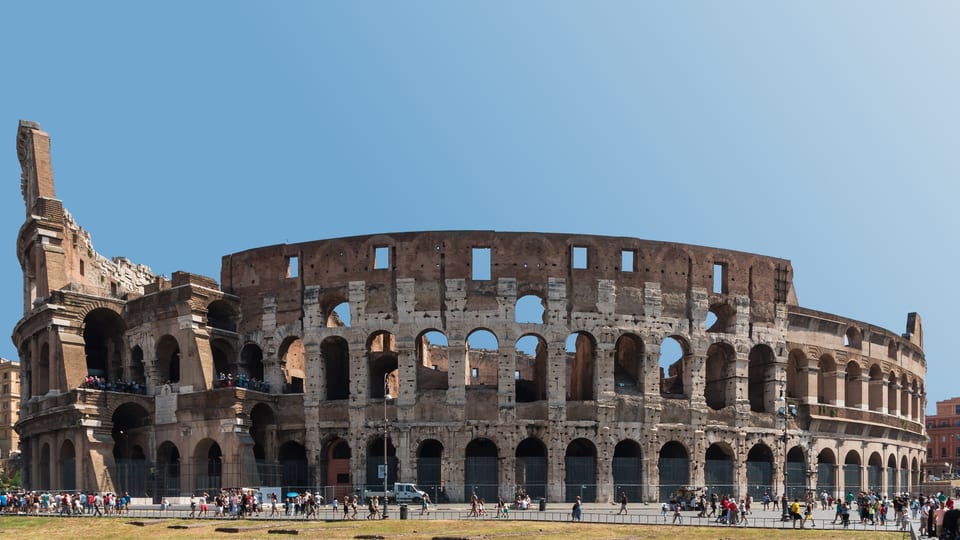
Colosseum, Roman Forum and Palatine
The Colosseum is the largest Roman amphitheatre in the world, and the adjoining Forum was the political and religious heart of ancient Rome. The park’s 24h ticket covers the Colosseum’s first and second tiers with a reserved entry time, plus one entry each to the Forum and Palatine within the same 24 hours.
Best for: Ancient-history visitors who want the amphitheatre, the Forum and the Palatine on one 24h ticket · Area: Ancient Rome, Rione Monti
Plan for The 24h ticket excludes the arena floor and limits the Colosseum stay to 75 minutes. Opening runs 8:30 to between 16:30 and 19:15 depending on the season, closed 1 January and 25 December, and last entry is an hour before the park closes.
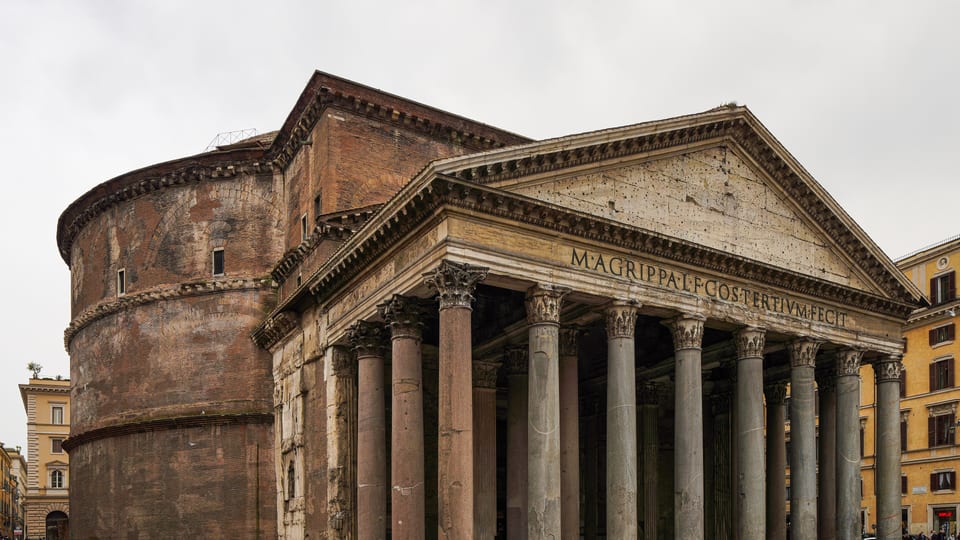
Pantheon
The Pantheon holds the world’s largest unreinforced dome, just over 43 metres across with an 8.92-metre oculus, rebuilt under Hadrian in 118–125 AD and still in use as a church. Since 3 July 2023 entry requires a ticket; it opens daily 9:00–19:00 with last entry at 18:30.
Best for: Architecture visitors and anyone with an hour between the historic centre and the Forum · Area: Historic centre, Piazza della Rotonda
Plan for The ticket rule removed the old walk-in habit; hours shift during religious services, so check the day before rather than turning up unannounced. The single chamber is small, so midday is the most crowded time inside.
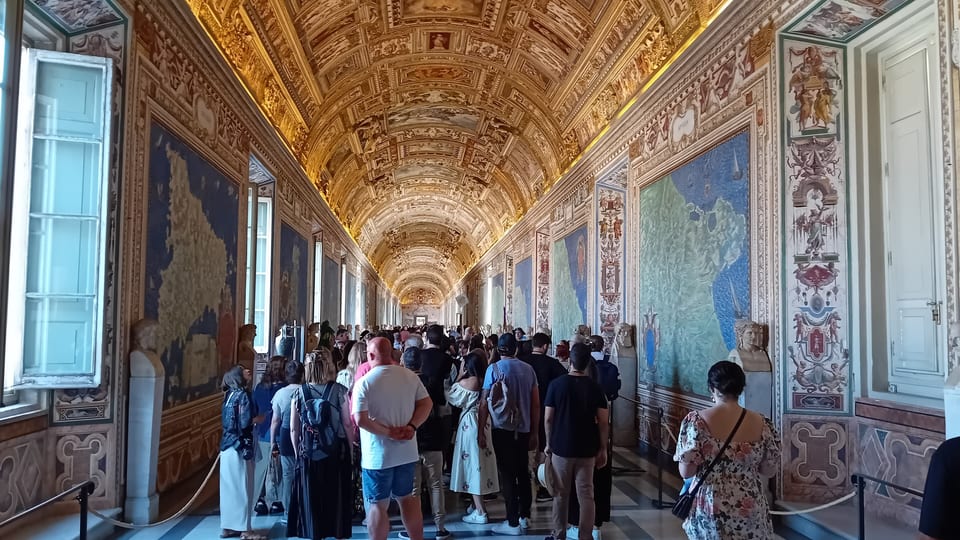
Vatican Museums and Sistine Chapel
The Vatican Museums hold the Sistine Chapel, whose ceiling and wall frescoes the Vatican itself presents as its central devotional and artistic sequence. They open Monday to Saturday 8:00–20:00 with final entry at 18:00, and are closed on Sundays except the last Sunday of the month, when entry is free from 9:00 to 14:00.
Best for: Art and history visitors who will accept the Vatican’s own calendar and dress rules · Area: Vatican City
Plan for Sleeveless or low-cut clothing, shorts above the knee, miniskirts and hats are refused at the entrance, and photography is forbidden inside the Sistine Chapel. The museums also close on a dozen feast days each year.
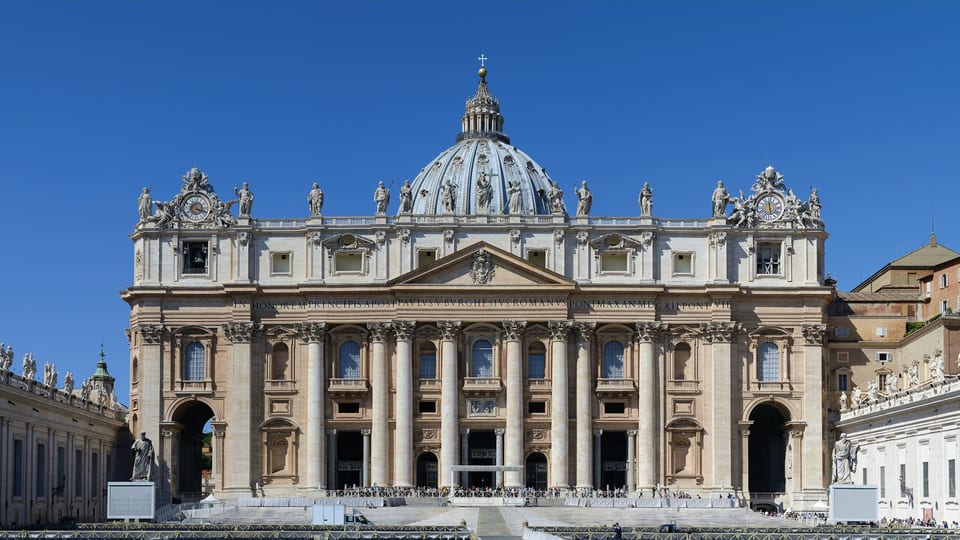
St Peter’s Basilica and the dome climb
St Peter’s dome is reached by 551 steps in total, or 320 steps after the lift to the terrace level, and the climb is physically demanding because of narrow spaces and steep inclines. The dome opens 7:30–17:00 in winter and 7:00–18:00 in summer, and dome tickets can be reserved online for a date and time.
Best for: Visitors who want the city from above and can manage a long, narrow staircase · Area: Vatican City
Plan for The basilica advises against the climb for anyone with heart or respiratory conditions, vertigo, claustrophobia or mobility difficulties, and for pregnant women. Shoulders and knees must be covered, and the visit averages about an hour before the return.
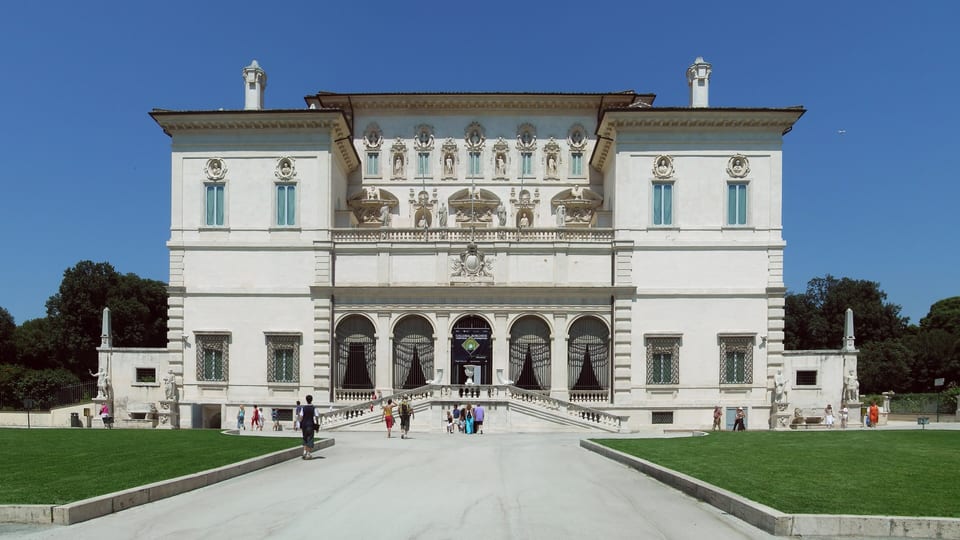
Galleria Borghese
The Galleria Borghese admits visitors only by reservation, in ten timed slots a day of at most 180 people, and each visit lasts two hours apart from the shorter final 17:45 slot. It opens Tuesday to Sunday 9:00–19:00 with final entry at 17:45, and closes on Mondays, 25 December and 1 January.
Best for: Visitors who want one intimate Bernini-and-Caravaggio interior instead of another giant museum · Area: Villa Borghese park, north of the historic centre
Plan for The reservation rule applies to every ticket category, including free tickets for under-18s, and only small bags up to 21 by 15 centimetres are allowed inside. A missed slot cannot be swapped on the day.
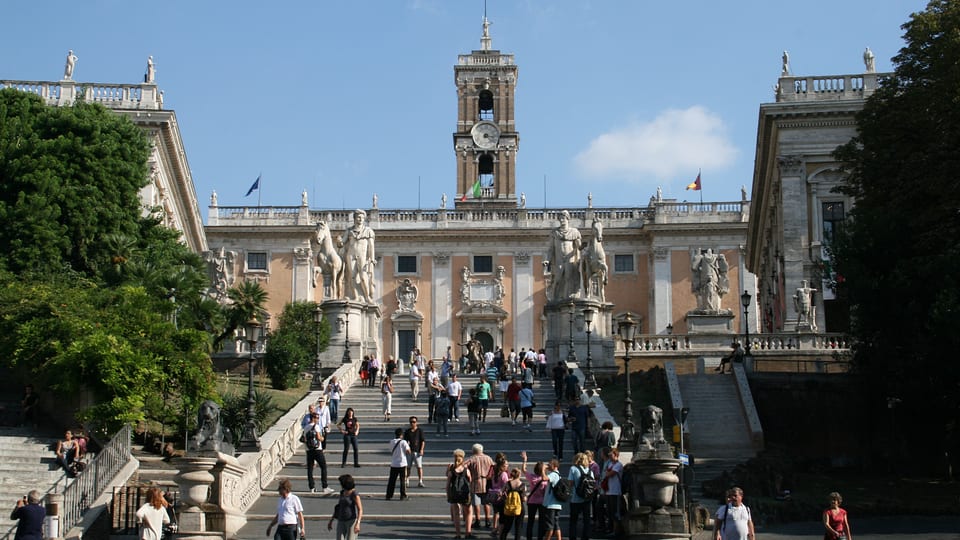
Capitoline Museums
The Capitoline Museums trace their creation to 1471, when Pope Sixtus IV donated a group of bronze statues to the People of Rome, and most exhibits come from the city itself. They open every day 9:30–19:30 with last admission an hour before closing, at Piazza del Campidoglio 1.
Best for: Visitors who want ancient sculpture without a timed slot, and a rainy-day fallback · Area: Capitoline Hill, between Piazza Venezia and the Forum
Plan for The museums close on 1 May and 25 December and shorten hours over the Christmas week. The Campidoglio sits uphill from the Forum, so pair it with the ancient-Rome day rather than with the Vatican.
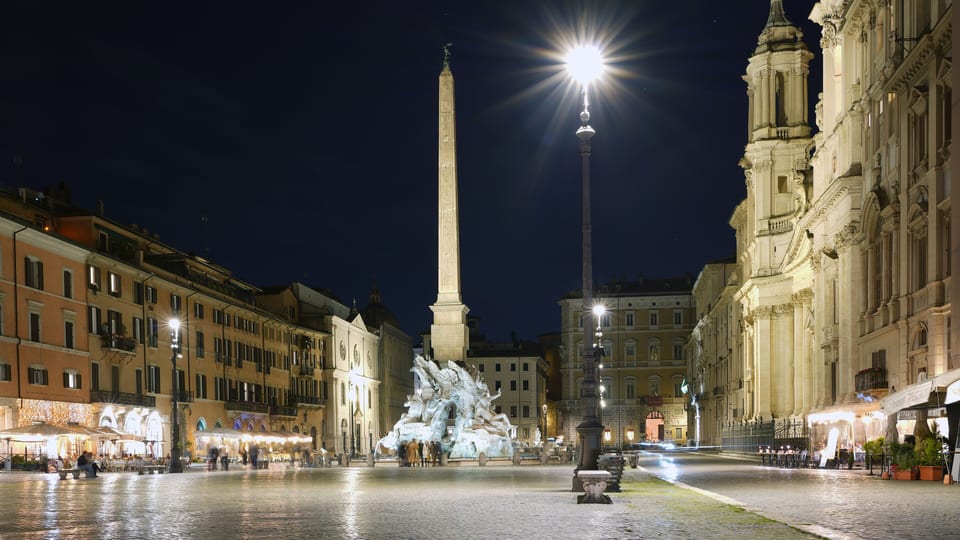
Piazza Navona and the Baroque centre
Piazza Navona and the surrounding lanes show Rome’s Renaissance and Baroque rebuilding layered directly on the ancient street plan, inside the historic centre UNESCO listed in 1980. The square needs no ticket and connects on foot to the Pantheon and to the Campo de’ Fiori market in the rione of Regola.
Best for: Walkers who want architecture in its everyday urban context, and anyone building a ticket-free day · Area: Historic centre, Rione Parione
Plan for The area is compact and busy in the evening; a slower daytime visit shows the architecture more clearly than a crowded night walk. It is a square, not an interior, so it cannot rescue a rainy day.
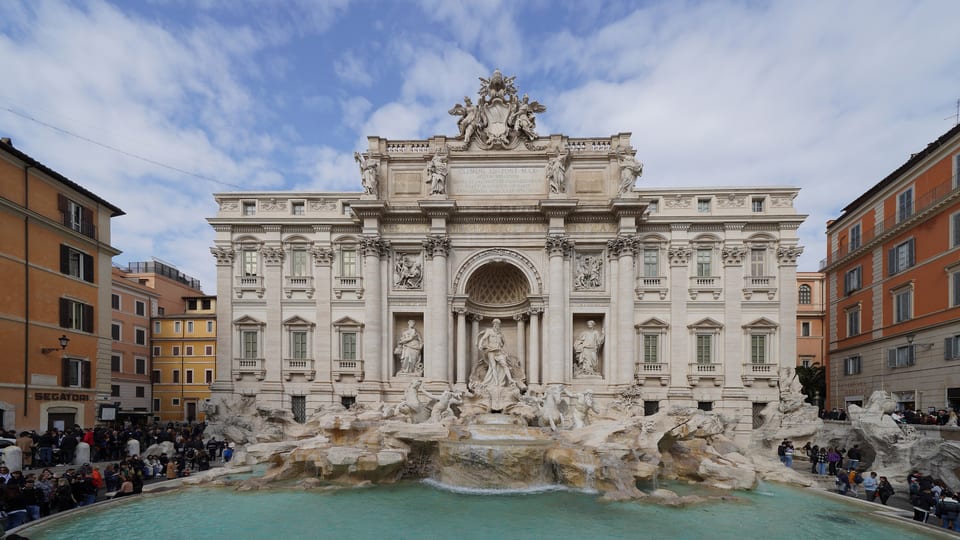
Trevi Fountain
The Trevi Fountain, launched by Pope Clement XII in 1732 to Nicola Salvi’s design and completed by Giuseppe Pannini, is the end point of the Virgo aqueduct, the only ancient aqueduct in continuous use. Since 2 February 2026 tourists and non-residents pay for a ticket to enter the lower basin closest to the fountain, valid daily 9:00–22:00; the square above it stays free.
Best for: Travellers who want the Baroque set piece and an evening stop after dinner · Area: Historic centre, Rione Trevi
Plan for Entry stays free for residents, children up to five and disabled visitors with carers, and hours can change for maintenance or public order. The coin-throwing custom survives; a quiet daytime visit no longer does.
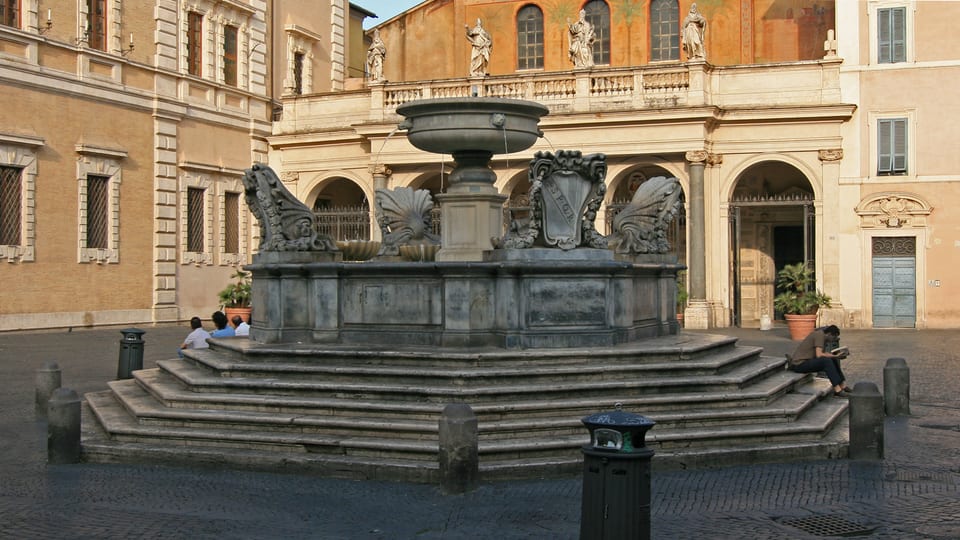
Trastevere and the Gianicolo
Trastevere sits on the right bank of the Tiber and is, in the city tourism board’s words, one of the neighbourhoods most loved by citizens and tourists. The Basilica of Santa Maria in Trastevere was probably the first official place of Christian worship in Rome, and Villa Farnesina and the Orto Botanico sit along Via della Lungara below the Gianicolo hill.
Best for: Travellers who want an evening of trattorias and a free morning of churches and gardens · Area: Trastevere, right bank of the Tiber
Plan for The same popularity that fills its trattorias fills its lanes after dark. Choose a weekday morning for the basilica and the botanical garden, and keep the evening for eating rather than sightseeing.
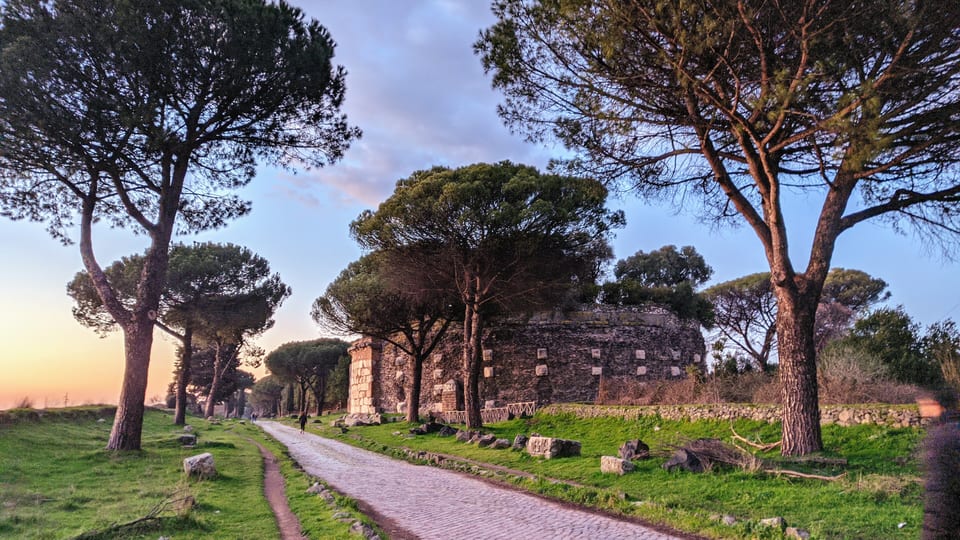
Via Appia Antica archaeological park
The Parco archeologico dell’Appia Antica takes in the Via Appia Antica itself, the Mausoleum of Cecilia Metella and the Villa dei Quintili, with its ticketed sites open 9:00 to 19:15. The Via Appia, begun in 312 BCE and more than 800 kilometres long, was inscribed on the UNESCO World Heritage List in 2024 as Via Appia. Regina Viarum.
Best for: Walkers and cyclists who want ancient Rome in open country rather than behind turnstiles · Area: South of the Aurelian walls, beyond Porta San Sebastiano
Plan for The park is spread along kilometres of road, so pick one stretch and one paid site rather than trying to reach the Villa dei Quintili and the tombs in one walk. Shade is scarce in high summer.
Plan one, three or five days in Rome
One full day: pick ancient Rome or the Vatican, not both
For a short first visit, let one reserved entry set the day and walk everything else. If this is an arrival or departure day, start from the Leonardo Express or FL1 timing and cut a stop rather than shorten the reserved visit.
Our choice is the ancient-Rome version: a morning Colosseum slot, the Forum and Palatine on the same ticket, then a walk through Monti to the Pantheon and Piazza Navona. The Vatican version starts when the Vatican Museums open, moves to St Peter’s and ends in Prati; it is the better day for art, the worse day for walking between periods. Either way, buy the reserved entry before the flight, not the tour.
The trade-off The Borghese and the day trips need reserved slots of their own and cannot share this day. A single day that tries to cross from the Colosseum to the Sistine Chapel spends its middle hours on the metro and its reserved slots on the wrong side of the river.
Three days: ancient Rome, the Vatican, then the Baroque centre and Trastevere
Give each day its own side of the river so no day crosses the Tiber twice. Reserve two things before you leave home: the Colosseum entry time and the Vatican Museums slot.
Day one: Colosseum, Forum and Palatine, with the Capitoline Museums as the unreserved afternoon if legs allow. Day two: the Vatican Museums first, St Peter’s and the dome if you want the climb, lunch at Mercato Trionfale, then the riverbank back towards Castel Sant’Angelo. Day three: the Pantheon and Piazza Navona in the morning, Campo de’ Fiori for lunch, the Trevi area later, and Trastevere for the evening. Check the weekday before fixing the order: the Vatican day cannot fall on an ordinary Sunday, because the museums open on Sundays only on the last Sunday of the month.
The trade-off We would not force the Galleria Borghese into three days unless a late-afternoon slot is already held; without it, the third afternoon is better spent in Trastevere than crossing the city for a museum that will not admit you. Three calendar days with a flight at each end are two sightseeing days, so drop the Capitoline before you drop a reserved entry.
Five days: add the Borghese and one excursion, and keep the same hotel
Use the fourth day for the Borghese and the Appia Antica, and the fifth for a single day trip chosen by its opening day. Do not move hotels for a five-day Rome stay: every district in this plan is a metro ride or a walk from one base, and a moving day takes hours from the Borghese or the excursion.
Book the Borghese slot as soon as the dates are fixed and build day four around it, with the Appia Antica as the outdoor half. For day five, Ostia Antica is the short option and Tivoli the longer one; Pompeii is a Naples day, reachable by Frecciarossa in just over an hour, and only fits if you accept a long day and buy the nominative ticket in advance. Keep the excursion on day five, away from the departure day.
The trade-off One excursion is enough for five days: a second one adds another early train and another set of turnstiles, while a slow return to a neighbourhood you enjoyed or a second Vatican morning keeps the time in Rome.
Costed plans: One Day in Rome: Can You Do It for €60? → · Rome in 3 Days for €200? →
Sources
checked 2026-09-12. Recommendations are editorial judgements based on the cited sources below.
- Parco archeologico del Colosseo: 24h ticket
- Vatican Museums: days and hours
- Aeroporti di Roma: Fiumicino by train
- ATAC: tickets and passes
- Vatican Museums: useful information for visitors
- Galleria Borghese: visit
- Turismo Roma: Trastevere, Isola Tiberina and Testaccio
- Turismo Roma: Mercato Trionfale
- Turismo Roma: the Pantheon
- Parco archeologico di Ostia antica: visitor information
- Villae Tivoli: opening time and tickets
- Parco archeologico di Pompei: timetables and tickets
- Trenitalia: Frecciarossa destinations
Choose a Rome base and explore nearby
Centro Storico: a base for walking, not for early slots
Consider the historic centre when the Pantheon, Piazza Navona and Campo de’ Fiori are the streets you want outside your door and you are happy to reach the Colosseum and the Vatican on foot or by bus.
Choose the property by its exact street and by how you will arrive with luggage: many centre addresses sit inside limited-traffic zones where a taxi cannot stop outside the building. Use the centre for the ticket-light day and for evenings; use the metro from Termini or Ottaviano only when a reserved slot makes the timing matter.
The trade-off There is no metro station in the historic centre, so an 8:00 Vatican entry or a first Colosseum slot means an earlier start than the map suggests. Central rooms are also the ones most exposed to evening noise; a quiet courtyard is a listing detail, not a district promise.
Prati and the Vatican: choose it for the museum morning
Consider Prati when the Vatican Museums are your main reservation and you want a market lunch and calmer streets afterwards, with Metro Line A for everything else.
Pair the museum slot with Mercato Trionfale and a walk along Via Cola di Rienzo; keep the Colosseum for another day reached from Ottaviano by Line A and a change at Termini. Compare the hotel’s distance to the museum entrance on Viale Vaticano, not to St Peter’s Square, because the two are on different sides of the walls.
The trade-off Prati is the right base for one day and a detour on the others; a Sunday here, when the museums and the market are both closed, is the quietest morning in Rome. If ancient Rome is the reason for the trip, Monti serves it better.
Trastevere: stay for the evenings, cross the river in the mornings
Consider Trastevere when dinners, the lanes around Santa Maria in Trastevere and a slower pace matter more than a short walk to any reserved entry.
Build one local morning around the basilica, Villa Farnesina and the botanical garden, then cross the river for the day’s main visit. Check the property’s actual lane, its distance from the tram and bus stops, and whether luggage can reach the door, because the district has no metro and its cobbled lanes do not suit wheeled cases.
The trade-off Every timed entry starts with a bridge crossing, which makes a first Colosseum or Vatican slot an early morning. What Trastevere gives back is the evening: dinner and the lanes around Santa Maria in Trastevere are outside the door. Do not choose it for a two-night stay built around three reserved entries.
Sources
checked 2026-09-12. Recommendations are editorial judgements based on the cited sources below.
Airport and getting around
Fiumicino (FCO) is Rome’s main airport and was Italy’s busiest by international passenger volume in summer 2025. The Leonardo Express reaches Roma Termini in 32 minutes. The FL1 regional line serves other Rome stations rather than Termini.
Metro Line A meets Line B at Termini and Line C at San Giovanni, and the three lines reach most major sightseeing districts. The historic centre itself is largely walked rather than ridden. ATAC sells a 100-minute BIT ticket, 24, 48 and 72-hour tickets and a seven-day CIS card, and contactless Tap&Go payment works at metro turnstiles and on buses.
Best time to visit
Spring (March–May)
Rising temperatures before the summer peak, with rain still possible across the season.
- Crowds
- Varies by event and attraction
Notable events
- Run Rome The Marathon in mid March
Summer (June–August)
Hot days with July and August mean daily maximums around 31–32°C; July is the driest month of the year.
- Crowds
- Varies by event and attraction
Notable events
- The Feast of Saints Peter and Paul on 29 June, when the Vatican Museums close
- 14 and 15 August, when the Vatican Museums close
Autumn (September–November)
The wettest months on record, with November averaging around 108mm of rain, while temperatures ease from summer highs.
- Crowds
- Varies by event and attraction
Winter (December–February)
The mildest part of Rome’s Mediterranean winter, with January’s mean temperature around 7.5°C and shorter daylight.
- Crowds
- Varies by event and attraction
Notable events
- 8, 25 and 26 December, when the Vatican Museums close
- 1 and 6 January, when the Vatican Museums close
Markets, trattoria districts and where lunch happens
Rome’s rione markets decide where lunch happens. Mercato rionale Testaccio, with entrances on Via Volta, Via Ghiberti, Via Manuzio and Via Franklin, is a covered market with prepared-food counters and, in the tourism board’s words, the only market in the world with an archaeological site beneath it. Campo de’ Fiori is the historic centre’s open-air street market for fruit, vegetables, meat, fish, pulses and flowers.
Mercato Trionfale at Via Andrea Doria 41 has more than 270 stalls in colour-coded fruit, fish and meat sections, open Monday to Saturday 7:00–14:00 and until 19:00 on Tuesdays and Fridays. It pairs with a Vatican morning: the museums open at 8:00, so an early slot ends in time for a market lunch before the 14:00 close.
Trattoria districts are a separate decision from markets. The city tourism board ties Trastevere and Testaccio to traditional Roman recipes and evening crowds, and Monti to coffee and cocktails beneath medieval towers. The trade-off: the markets close by early afternoon and Trionfale shuts on Sundays, so a food-led day starts early and ends in a trattoria, not the other way round.
City profile
- Population (Comune di Roma Capitale, 2026): 2,745,062
According to legend Rome was founded by Romulus and Remus in 753 BC, and became the capital of the Christian world in the 4th century.
UNESCO designated Rome’s historic centre a World Heritage Site in 1980. The 1990 extension reached the walls of Urban VIII, the Holy See’s extraterritorial properties and the Basilica of St Paul’s Outside the Walls.
The historic core is divided into 22 rioni. Pope Benedict XIV fixed 14 of them in 1748; Prati, added in 1921, was the last.
Famous for:
- Distinct ancient-Rome monuments including the Colosseum, the Roman Forum and the Pantheon.
- The Pantheon’s dome, rebuilt under Hadrian in 118–125 AD: just over 43 metres across, equal to the building’s height, lit by an 8.92-metre oculus.
- Vatican City’s museums and St Peter’s Basilica, a separate sovereign state within the city.
What makes a Rome visit worthwhile
Rome is best read as layers: ancient Rome, the Vatican and the Baroque centre each explain a different period, and each is better given a day of its own, since the Vatican sits across the Tiber from the Colosseum and the Forum.
The best contrast comes from alternating: follow an ancient-ruins morning with a slower Renaissance or Baroque afternoon rather than another ruins-heavy day.
Whole neighbourhoods still cost nothing: Trastevere on the right bank, Testaccio with its amphora-shard hill and converted slaughterhouse, and Monti beneath medieval towers. The three most famous interiors, by contrast, now all require paid and mostly timed entry, which is why the free layers matter more than they did.
- Plan by layer
- Ancient Rome · Historic centre · Vatican
- Good first stay
- 4–5 days for the three layers
- Climate constraint
- Midsummer heat · Autumn rain peak
- Main airport
- FCO · Leonardo Express, 32 min
Planning your Rome visit: FAQs
Can I see the Colosseum, the Vatican Museums and Piazza Navona in one day?
It is only possible with tightly matched timed-entry slots, and each site explains a different period of the city. Choose one for depth and treat the rest as a future visit when the schedule allows.
Which Rome area is most convenient to stay in?
The historic centre for the Pantheon and Piazza Navona, Prati for an 8:00 Vatican entry, Monti for the Colosseum, Trastevere or Testaccio for trattoria evenings, and the area near Termini for transit and day trips. The best base is the one that cuts the journeys you would otherwise repeat.
When is Rome hottest or wettest?
The climate record shows July and August as hottest and November as wettest. These are long-term monthly averages, so check the forecast for your travel dates and keep an indoor alternative in the plan.
Which Rome sites close on Sundays or Mondays?
The Vatican Museums close on Sundays except the last Sunday of the month, and on listed feast days. The Galleria Borghese and Ostia Antica close on Mondays. The Colosseum park closes only on 1 January and 25 December, and the Capitoline Museums on 1 May and 25 December. So Sunday is the ancient-Rome day and Monday the Vatican or Capitoline day.
Is the Pantheon or the Trevi Fountain still free?
No. The Pantheon has required a ticket since 3 July 2023, but booking is optional and entry runs in order of arrival; it opens daily 9:00–19:00, last entry 18:30. Since 2 February 2026 tourists and non-residents also need a ticket for the Trevi Fountain’s lower basin, valid daily 9:00–22:00; the square above stays free, as does the basin for residents, children up to five and disabled visitors with carers.
Should I add a day trip outside Rome?
Only when it replaces a Rome day rather than extending a full one, and only after checking the opening day: Ostia Antica is closed on Mondays and opens from 8:30, while Villa d’Este in Tivoli opens on Mondays only from 14:00. Choose by opening day and transport time, not by fame.
Make your Rome plans
Compare tours, tickets and activities in Rome →
Choose your departure market and search flights to Rome from the Mubboo Flights homepage.
Compare flights ↗Sources
Latest source check: .
Show all 37 sources
- Wikipedia — Rome (documented fallback; ISTAT/Roma Capitale registry pages publish the underlying figures only as downloadable datasets, not as readable page text) (checked 2026-09-11)
- UNESCO World Heritage Centre — Historic Centre of Rome (checked 2026-09-11)
- Italia.it (ENIT) — Rome, the Eternal City (checked 2026-09-11)
- Vatican Museums — Sistine Chapel (checked 2026-09-11)
- Aeroporti di Roma (ADR) — Fiumicino Airport train access (checked 2026-09-11)
- ATAC — Rome public transport maps (checked 2026-09-11)
- Wikipedia — Line A (Rome Metro), documented fallback for structural line facts (checked 2026-09-11)
- Trenitalia — Leonardo Express (checked 2026-09-11)
- Wikipedia — Climate of Rome, documented fallback for seasonal normals (checked 2026-09-11)
- The booking platform — Rome destination mapping d511 (checked 2026-09-11)
- ENIT — Italy summer 2025 tourism monitoring (checked 2026-09-11)
- Parco archeologico del Colosseo — 24h Colosseum, Roman Forum and Palatine ticket (checked 2026-09-12)
- Parco archeologico del Colosseo — Full Experience Underground and Arena ticket (checked 2026-09-12)
- Parco archeologico del Colosseo — opening times (checked 2026-09-12)
- Vatican Museums — days and hours of opening and closure (checked 2026-09-12)
- Vatican Museums — useful information for visitors (checked 2026-09-12)
- Galleria Borghese — visit (checked 2026-09-12)
- Turismo Roma — The Pantheon (checked 2026-09-12)
- Ministry of Culture (Direzione generale Musei) — Pantheon ticket from 3 July 2023 (checked 2026-09-12)
- Turismo Roma — Trevi Fountain (checked 2026-09-12)
- Turismo Roma — Trastevere, Isola Tiberina and Testaccio (checked 2026-09-12)
- Turismo Roma — A city within a city: the rioni of Rome (checked 2026-09-12)
- Turismo Roma — Mercato rionale Testaccio (checked 2026-09-12)
- Turismo Roma — Mercato rionale Regola I, Campo de’ Fiori (checked 2026-09-12)
- Turismo Roma — Mercato Trionfale (checked 2026-09-12)
- Musei Capitolini — museum history (checked 2026-09-12)
- Musei Capitolini — hours and address (checked 2026-09-12)
- St Peter’s Basilica — the Dome, visitor FAQ (checked 2026-09-12)
- St Peter’s Basilica — opening hours (checked 2026-09-12)
- Parco archeologico di Ostia antica — visitor information (checked 2026-09-12)
- Villae Tivoli (Villa Adriana and Villa d’Este) — opening time and tickets (checked 2026-09-12)
- Parco archeologico dell’Appia Antica (checked 2026-09-12)
- UNESCO World Heritage Centre — Via Appia. Regina Viarum (page text confirmed from UNESCO’s own listing excerpt; the server returned 403 to automated fetches on 2026-09-12) (checked 2026-09-12)
- ATAC — tickets and passes (checked 2026-09-12)
- Roma Capitale — 2025 record tourism year (Ente Bilaterale del Turismo del Lazio data, 20 January 2026) (checked 2026-09-12)
- Run Rome The Marathon (checked 2026-09-17)
- Ministero della cultura — Pantheon e Basilica di Santa Maria ad Martyres (booking optional, entry in order of arrival) (checked 2026-09-27)
Photo credits
- colosseum forum — Jebulon · CC0.
- pantheon — NikonZ7II · CC BY-SA 4.0.
- vatican museums — Vojtasekd · CC BY 4.0.
- st peters dome — Alvesgaspar · CC BY-SA 4.0.
- galleria borghese — Alessio Damato · CC BY-SA 3.0.
- capitoline museums — Jean-Pol GRANDMONT · CC BY-SA 3.0.
- piazza navona baroque — NikonZ7II · CC BY-SA 4.0.
- trevi fountain — NikonZ7II · CC BY-SA 4.0.
- trastevere — Jensens · Public domain.
- appia antica — LuisaV72 · CC BY-SA 4.0.
Mubboo Editorial Team · Reviewed by Mubboo Editorial Team


