
Playa del Carmen travel guide
Playa del Carmen
Playa del Carmen is a real Quintana Roo town in its own right, with its own Maya archaeological site at Xaman-Ha in Playacar and its own downtown identity along Quinta Avenida, not merely a staging point for Xcaret, cenotes, Cozumel, Tulum and Chichen Itza.
Xcaret, the region's cenotes, Cozumel, Tulum and Chichen Itza are each a genuinely distinct excursion with its own distance, direction and access rules, reachable directly from Playa del Carmen but not interchangeable under one generic "day trip" label.

Find your Playa del Carmen experience
Explore Playa del Carmen Before You Book
Take a virtual drive or walk, then find tours and tickets for the places you like.

Activities
Featured activities in Playa del Carmen


Prices at a glance
What we sell today and what recent flight searches found. No hotel prices; nothing here is a trip total.
- Tours and tickets in Playa del Carmenfrom US$99.00
Live from Viator when this page loaded · per adult · changes by date.
Flights to Playa del Carmen
- From Belize Cityone-way from BZD 722
Lowest fare seen in recent flight searches for that route; the airline or booking site confirms the final fare.
Top experiences
Top experiences in Playa del Carmen
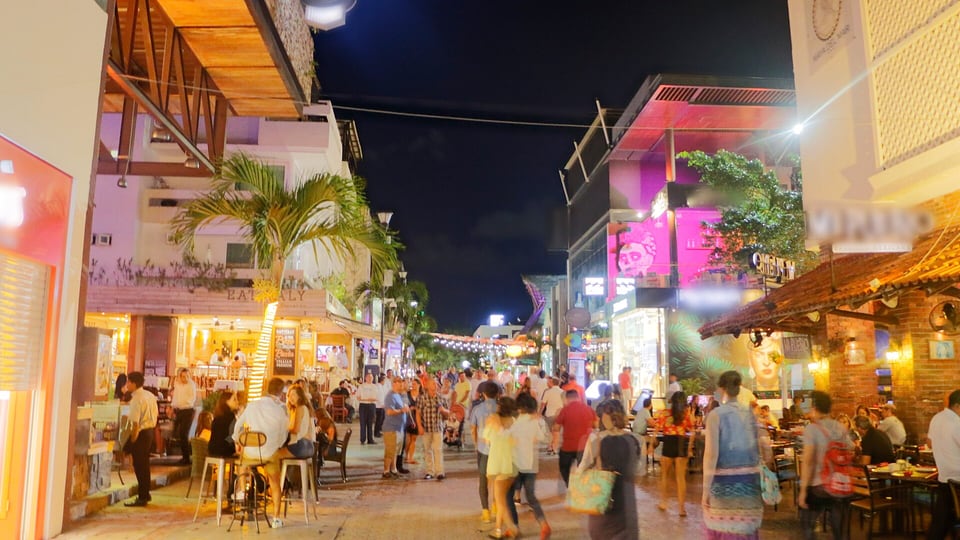
Quinta Avenida (5th Avenue)
Quinta Avenida's fully pedestrianized stretch runs roughly 2km from the ferry terminal to Constituyentes Avenue, within a wider 4km commercial corridor that carried the town from a fishing village to over one million annual visitors by 2017.
Best for: Travellers who want Playa del Carmen's own genuine downtown identity, on foot, without a day-trip commitment · Area: Centro, running the length of the beachfront corridor
Plan for The pedestrian stretch is genuinely commercial and tourist-oriented; travellers wanting quieter, more local streets should walk a few blocks inland into Colonia Centro instead.
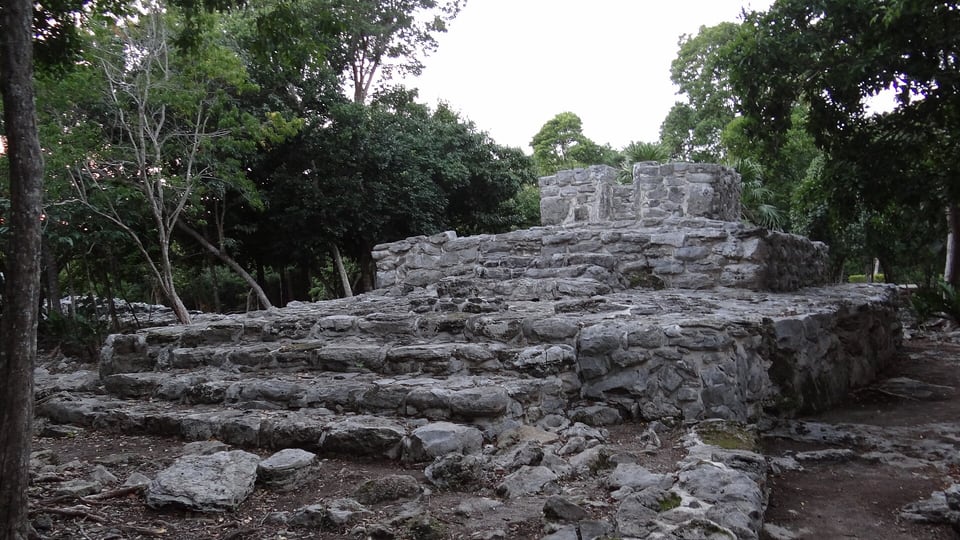
Xaman-Ha Ruins (Playacar)
Xaman-Ha was a Late Preclassic-to-Postclassic Maya settlement of 19 recorded building groups, among the first Maya sites the Spanish encountered in 1518, and INAH has run formal conservation there since 1978.
Best for: Travellers who want proof Playa del Carmen carries its own real Maya heritage, not only day trips to Tulum or Chichen Itza · Area: Playacar, south of Centro
Plan for INAH's own listing records the site as currently temporarily closed to visitors, so confirm current access before planning a visit around it.
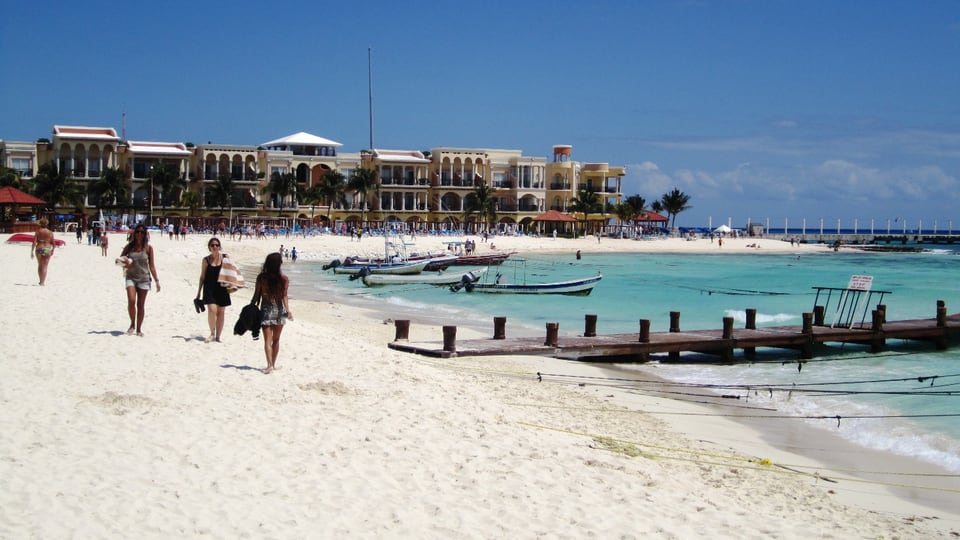
Beaches and the Mesoamerican Reef
Playa del Carmen's own beaches front the Mesoamerican Reef, the second-largest barrier reef system in the world, letting snorkelers reach coral and marine life directly from shore in several spots without a boat.
Best for: Travellers who want reef snorkeling without a boat trip or a Cozumel crossing · Area: Along the Centro and Coco Beach waterfront
Plan for Sargassum seaweed is a genuine, documented recurring problem here in certain seasons; conditions vary by week and by beach, so check current status rather than assuming clear sand.
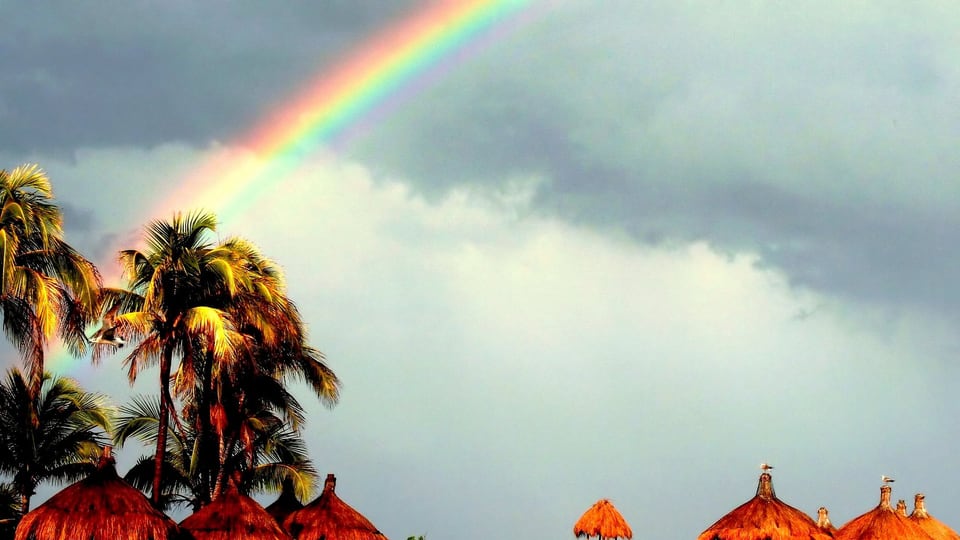
Xcaret Park
Xcaret Park opened in December 1990 on 81 hectares about 6.5km south of Playa del Carmen, combining cenotes and underground rivers with an aviary, a coral-reef aquarium, a turtle nesting site and a Mexican cultural night show.
Best for: Travellers who want one full day covering cenote swimming, wildlife and Mexican culture in a single ticketed park · Area: About 6.5km south of Playa del Carmen on the Cancun-Chetumal highway
Plan for Xcaret is one of several distinct Grupo Xcaret parks; a ticket to Xcaret does not include Xel-Ha, Xplor or Xenses, which are separately ticketed.
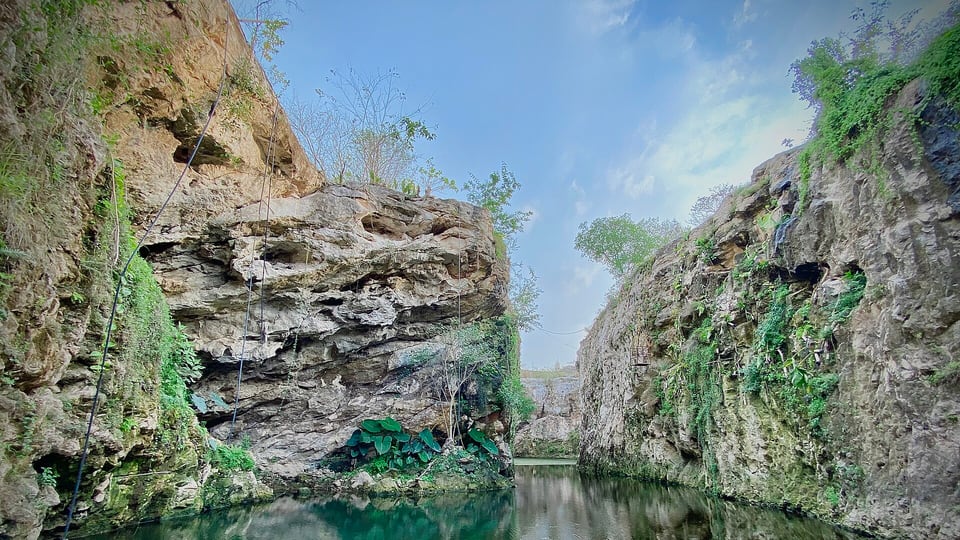
Cenotes near Playa del Carmen
A cenote is a natural sinkhole exposing groundwater through collapsed limestone; the Yucatan Peninsula's karst terrain has almost no surface rivers, so an estimated 10,000 cenotes formed instead, and the Maya considered them portals to the underworld and home to the rain god Chaac.
Best for: Travellers who want a genuinely different, geologically real swimming experience beyond a beach or pool · Area: Scattered between Playa del Carmen and Tulum, with Cenote Azul the closest named example
Plan for Access rules genuinely differ by cenote: open cenotes like Cenote Azul or Gran Cenote need no certification, while cavern systems like Dos Ojos require an Open Water certification and a guide.
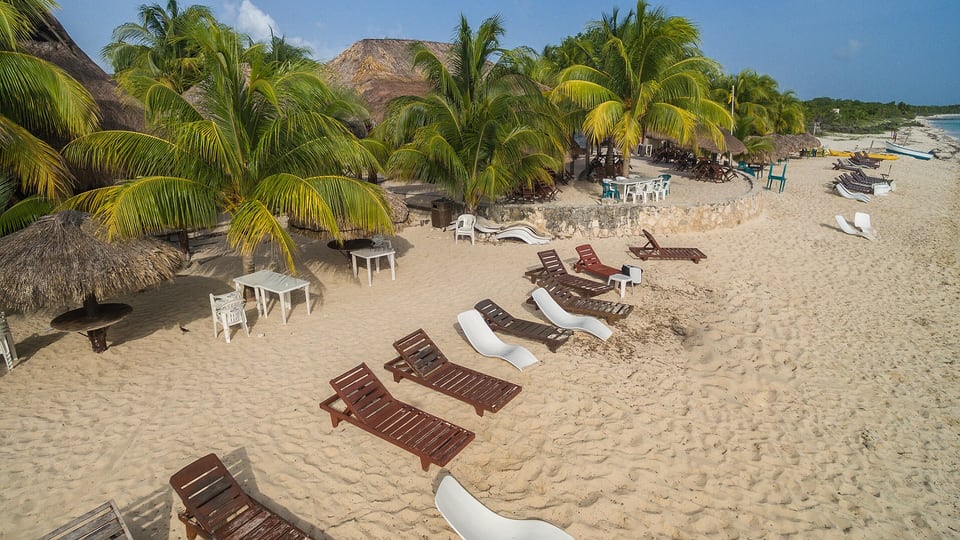
Cozumel Day Trip
Cozumel (population 88,626 at the 2020 census) sits across the Cozumel Channel from Playa del Carmen and is regarded as one of the world's best scuba-diving destinations, with reef sites including Palancar, Columbia and El Cielo.
Best for: Travellers who want an island excursion built around diving or snorkeling rather than ruins or a theme park · Area: Reached by ferry from the Maritime Terminal at the end of Quinta Avenida
Plan for The ferry crossing itself takes 35-45 minutes each way, so a Cozumel day trip commits most of a day once transfers and time on the island are counted.
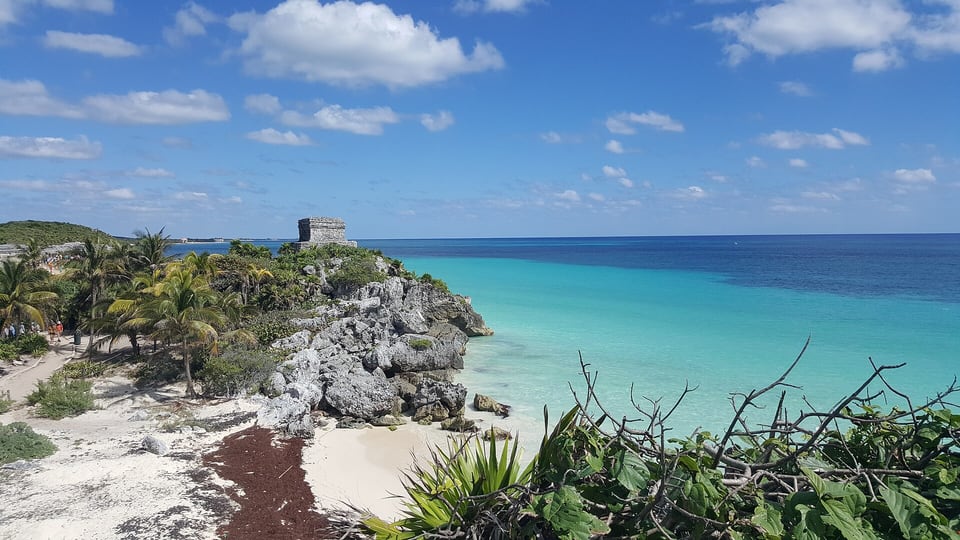
Tulum Ruins Day Trip
The Tulum ruins are a walled Maya city built roughly 1200-1450 CE atop a 12-metre cliff above the Caribbean, the only major Maya site on the Caribbean coast and Mexico's third most-visited archaeological site, with over 2.2 million visitors in 2017.
Best for: Travellers who want a shorter, cliffside ruin paired with a beach, in about an hour each way · Area: The town of Tulum, roughly an hour south of Playa del Carmen by road
Plan for Tulum's popularity means real crowds at the site's most photographed viewpoints, especially by mid-morning.
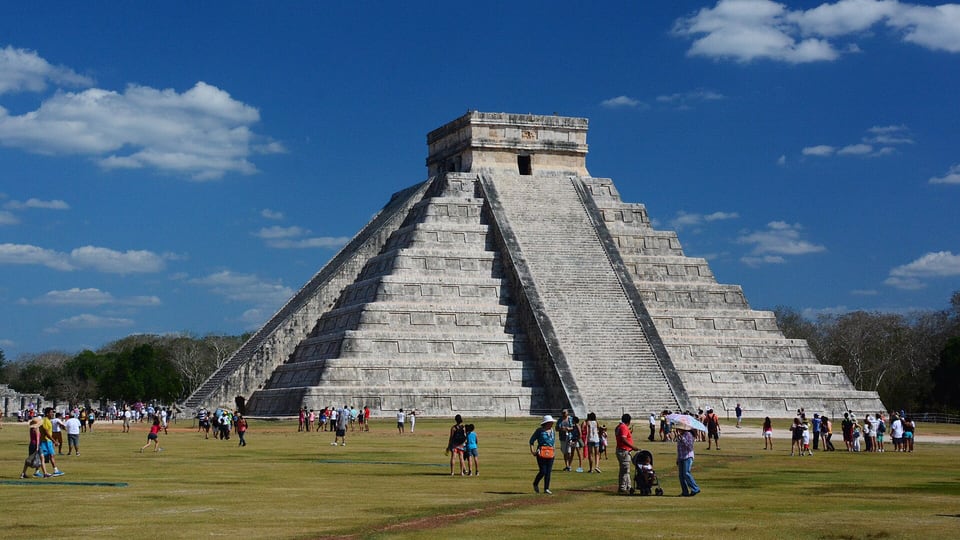
Chichen Itza Day Trip
Chichen Itza has held UNESCO World Heritage status since 1988 and its Temple of Kukulkan (El Castillo), a 30-metre step pyramid, was named one of the New7Wonders of the World in a 2007 public vote; its Sacred Cenote was a major Maya pilgrimage site.
Best for: Travellers who want Mexico's most internationally recognized Maya site and are willing to commit a full day to it · Area: About 185km from Playa del Carmen, roughly two to two-and-a-half hours each way via Highway 180D
Plan for The drive alone is four to five hours round trip, so this is a long day with little time for anything else, unlike the shorter Tulum excursion.
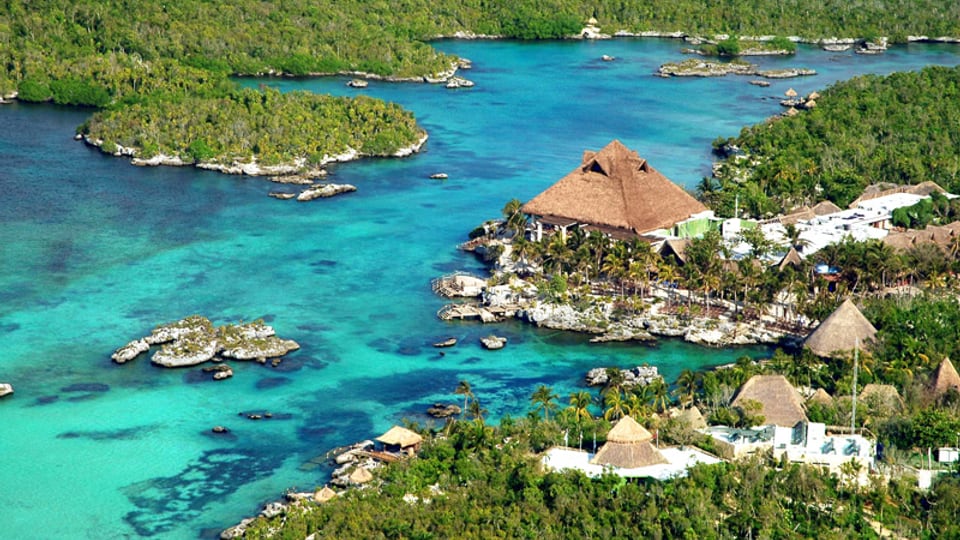
Xel-Ha Park
Xel-Ha, about 45km south of Playa del Carmen and 15km north of Tulum, is an all-inclusive natural park built around a coastal cove and mangrove river system, with admission including unlimited snorkeling among more than 90 recorded marine species.
Best for: Travellers who want a full day of unlimited snorkeling in a natural setting with food and drinks included · Area: About 45km south of Playa del Carmen, 15km north of Tulum
Plan for Xel-Ha is further from Playa del Carmen than Xcaret and leads with snorkeling rather than Xcaret's broader mix of cenotes, wildlife and cultural shows.
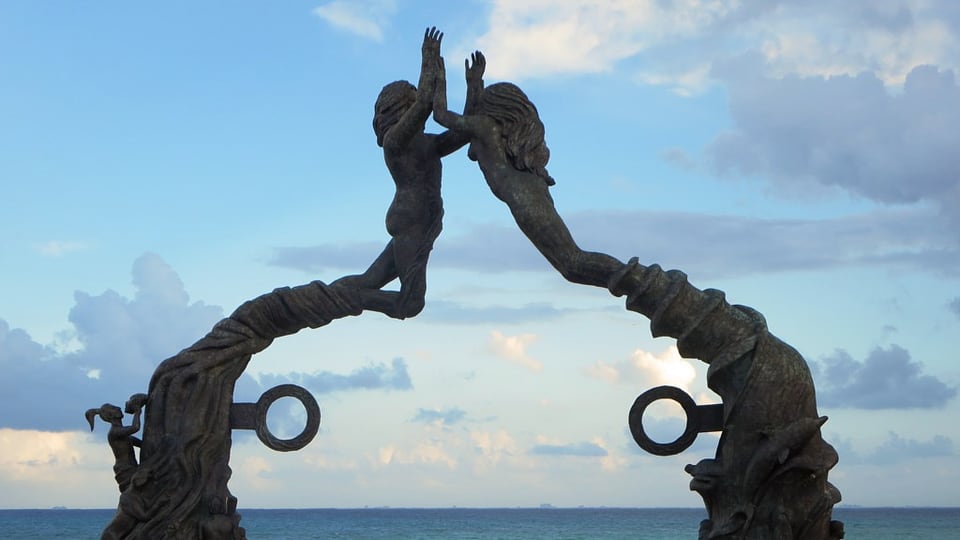
Parque Los Fundadores and the Portal Maya
Parque Los Fundadores, the oceanfront plaza near the ferry dock, is anchored by Portal Maya 2012, a 16-metre bronze sculpture by artist Arturo Taravez installed at the end of 2011, and regularly hosts performances of the Danza de los Voladores, a UNESCO-recognized ceremonial ritual.
Best for: Travellers who want a genuine downtown landmark and a chance to see a real, UNESCO-recognized Maya-rooted ritual performance · Area: Oceanfront, near the ferry dock, just off Quinta Avenida
Plan for Performances have no fixed guaranteed public schedule, so a visit built specifically around seeing the Danza de los Voladores is not guaranteed to coincide.
Plan two, five or seven-plus days in Playa del Carmen
Two to three days: Playa del Carmen itself and one day trip
Choose this plan for a short first visit: spend a day on Quinta Avenida and Parque Los Fundadores, then one full day at Xcaret or a nearby cenote.
This fits the town's own downtown identity plus one signature excursion without rushing either.
The trade-off A short trip means picking only one of Xcaret, cenotes, Cozumel, Tulum or Chichen Itza, not several.
Four to five days: add Cozumel or Tulum
Choose this plan when one day trip feels incomplete: add Cozumel by ferry for diving or snorkeling, or Tulum for its cliffside ruins and beach, on a separate day.
Four to five days lets you add a genuinely different excursion, an island crossing or a cliffside ruin, without stacking two long days back-to-back.
The trade-off Fitting a second excursion still leaves limited slack for the longer Chichen Itza day trip unless you extend further.
Six to seven or more days: Xcaret, cenotes, Cozumel, Tulum and Chichen Itza
Choose this plan on a longer stay: book Xcaret or Xel-Ha and a cenote day, add Cozumel and Tulum on separate days, and set aside a full day for the longer Chichen Itza trip.
Their genuinely different directions from Playa del Carmen make these five excursions hard to compress into fewer days without cutting one short.
The trade-off A week or more covering five distinct excursions is a full, active schedule with little rest day built in unless you add extra time.
Sources
checked 2026-09-24. Recommendations are editorial judgements based on the cited sources below.
Choose a Playa del Carmen base area
Centro: Playa del Carmen's walkable downtown core
Consider this base when walking distance to Quinta Avenida, Parque Los Fundadores and the Cozumel ferry matters more than a quiet evening.
Centro puts the town's own defining sights and the ferry terminal within easy walking reach.
The trade-off Choosing Centro for that convenience means accepting its density and tourist volume, and the same ordinary after-dark caution UK travel advice recommends for any busy downtown here.
Playacar or Coco Beach: a calmer, resort-style base
Consider Playacar for a gated resort setting with the Xaman-Ha ruins inside its own grounds, or Coco Beach for a calmer residential beachfront a short ride from Centro.
Both areas trade some of Centro's walkable density for a quieter, more resort-oriented pace.
The trade-off Choosing either means a taxi or transfer ride into Centro for its concentration of restaurants and nightlife.
Gonzalo Guerrero or Colosio: boutique or genuinely local
Consider Gonzalo Guerrero for a boutique, walkable base near Playa Mamitas, or Colosio for a genuinely local, lower-cost neighborhood a short ride from the tourist zone.
Both sit outside Centro's densest tourist core but offer a real change of character from it.
The trade-off Colosio in particular trades Centro's concentration of English-language tourist services for a more authentic, lower-cost local neighborhood.
Sources
checked 2026-09-24. Recommendations are editorial judgements based on the cited sources below.
Airport and getting around
Playa del Carmen has no major commercial airport of its own. Cancun International Airport (CUN) sits about 68km, roughly 45-65 minutes by road via Highway 307 depending on traffic, north of Playa del Carmen and is the region's primary international gateway, handling about 29.3 million passengers in 2025.
Tulum International Airport (TQO), which opened 1 December 2023 about 20km southwest of Tulum, sits roughly an hour south of Playa del Carmen. It flies a real, growing roster of domestic and international routes, a genuine second gateway for travellers whose itinerary favors the southern Riviera Maya.
Mexico's Tren Maya passenger rail line has connected Cancun International Airport, Playa del Carmen and Tulum since March 2024, a rail alternative to a road transfer along the same corridor, with its own Playa del Carmen station.
Within town, Centro's grid is genuinely walkable, while colectivos (shared vans) and metered taxis are the standard way to reach Playacar, Colosio or day-trip departure points without a rental car.
Best time to visit
Winter (December-February)
Playa del Carmen's dry-season peak: warm, low-humidity days, minimal rain and the year's busiest, most expensive tourist crowds.
- Crowds
- High
Spring (March-May)
Stays dry and warms toward summer, with lighter crowds than the December-February peak and generally good conditions for cenotes and reef visibility before the summer's heaviest sargassum months typically arrive.
- Crowds
- Moderate
Summer (June-September)
Hot, humid and the start of the Atlantic hurricane season; this window has historically overlapped with the region's heaviest sargassum influxes, as 2026's record season and Playa del Carmen's own May 2026 sargassum red alert illustrate.
- Crowds
- Moderate
Autumn (October-November)
The tail of Quintana Roo's hurricane season, which runs into November and has historically brought severe tropical systems; October and November otherwise bring fewer crowds and typically less sargassum than the summer peak.
- Crowds
- Low
Food, markets and local life
Playa del Carmen's food blends Yucatecan tradition with Caribbean seafood. Cochinita pibil, pork marinated in achiote and sour orange and traditionally pit-cooked wrapped in banana leaves, is the peninsula's defining dish, alongside tacos al pastor shaved from a spit and ceviche or aguachile made with fresh local fish and shrimp.
Mercado 28, inland from Quinta Avenida, is a traditional market for handmade Mexican crafts, textiles, ceramics and silver jewelry, offering a more local, bargaining-based alternative to Quinta Avenida's tourist-oriented shops.
City profile
- Population (Playa del Carmen, seat of Solidaridad Municipality, 2020 Mexican census, 2020): 304,942
The town was founded in 1937 as a small fishing settlement; its name comes from a colonial-era chapel dedicated to the Virgen del Carmen, whose feast is still celebrated locally every July.
Playa del Carmen's shift from fishing village to tourist town began with its passenger ferry service to Cozumel, which drew a steady flow of visitors decades before Quinta Avenida's current shops and restaurants existed.
Famous for:
- Quinta Avenida (5th Avenue) is Playa del Carmen's defining downtown corridor, a shop-, restaurant- and club-lined thoroughfare with a fully pedestrianized central stretch that carried the town to over one million visitors a year by 2017.
- Playa del Carmen's growth rate is set at roughly 7.5% per year, and Guinness World Records has recognized it as one of Latin America's fastest-growing communities.
- The town is widely marketed as the base for Xcaret, cenotes, Cozumel and Tulum, a reputation this page treats honestly: each is a genuinely separate excursion rather than an extension of Playa del Carmen itself.
What makes a Playa del Carmen visit worthwhile
Playa del Carmen carries its own genuine Maya archaeological site at Xaman-Ha, in the Playacar area, first documented among the earliest Maya settlements the Spanish encountered in 1518, plus a real downtown landmark, the 16-metre Portal Maya bronze sculpture at Parque Los Fundadores. Travellers who treat the town only as a base for day trips miss a place with its own identity.
Xcaret, the region's cenotes, Cozumel, Tulum and Chichen Itza are each real, well-documented excursions genuinely worth their own day, directly reachable from Playa del Carmen. Treating all five as one undifferentiated "day trip" blurs real differences in distance, direction and access rules that matter for planning.
Two facts deserve stating plainly. Playa del Carmen has no major commercial airport of its own: Cancun International Airport, about 68km and 45-65 minutes north, is the real primary gateway, with the newer Tulum International Airport about an hour south as a second option.
Sargassum seaweed is a genuine, documented recurring problem on Riviera Maya beaches in certain seasons, and Playa del Carmen sits in a tourist corridor where UK government travel advice recommends ordinary after-dark caution downtown. Both are worth planning around rather than glossing over, alongside the town remaining a major destination the Mexican government actively protects.
- Plan by trip type
- Playa del Carmen's own Quinta Avenida and Xaman-Ha ruins · Xcaret · Cenotes · Cozumel · Tulum · Chichen Itza
- Good first stay
- 2-3 days for the town plus one day trip, 4-5 days to add Cozumel or Tulum, 6-7+ days for Xcaret, cenotes, Cozumel, Tulum and Chichen Itza
- Main gateway
- No airport of its own: Cancun (CUN), 45-65 min north, is the primary gateway; Tulum (TQO), about an hour south, is a second option
- Two honest facts
- Sargassum is a real seasonal problem on Riviera Maya beaches · UK advice recommends ordinary after-dark caution downtown
Planning your Playa del Carmen visit: FAQs
Does Playa del Carmen have its own airport?
No. Playa del Carmen's own airfield is a small general-aviation strip with minimal scheduled passenger service. Cancun International Airport, about 68km and 45-65 minutes north, is the real primary gateway, with Tulum International Airport about an hour south as a genuine second option.
Is Playa del Carmen safe to visit?
Playa del Carmen is a major, normally safe tourist destination the Mexican government actively protects. UK government travel advice recommends ordinary after-dark caution in downtown areas and staying in well-lit pedestrian and tourist zones, the same kind of big-city precaution that applies in any major destination.
Is sargassum seaweed a problem on Playa del Carmen's beaches?
Yes, it is a real seasonal issue. Playa del Carmen declared a sargassum red alert on 1 May 2026 and cleared over 33,000 tons by late July, the most of any Quintana Roo municipality, though offshore volumes had dropped for two straight weeks and eased significantly by late September 2026. Conditions vary by beach and week.
Do I need a guide or certification to swim in a cenote?
It depends on the cenote. Open, shallow cenotes such as Gran Cenote or Cenote Azul allow unguided snorkeling with no certification, while cavern systems such as Dos Ojos require an Open Water certification and a guide, and true cave penetration requires full cave-diving certification.
Should I visit Cozumel or Tulum, and can I do both in one day?
They are different directions and different kinds of days. Cozumel is a ferry crossing east to an island built around diving and snorkeling, while Tulum is roughly an hour south by road to a walled cliffside Maya ruin and its own beach. Combining both in one day is not realistic.
Is Chichen Itza a realistic day trip from Playa del Carmen?
Yes, but it is a long day. Chichen Itza is about 185km and roughly two to two-and-a-half hours each way from Playa del Carmen, so a round trip plus a real visit fills most of a full day.
Make your Playa del Carmen plans
Compare tours, tickets and activities in Playa del Carmen →
Choose your departure market and search flights to Playa del Carmen from the Mubboo Flights homepage.
Compare flights ↗Sources
Latest source check: .
Show all 32 sources
- The booking platform - Playa del Carmen destination mapping d5501 (checked 2026-09-24)
- Playa del Carmen - Wikipedia (checked 2026-09-24)
- Cozumel - Wikipedia (checked 2026-09-24)
- Tulum International Airport - Wikipedia (checked 2026-09-24)
- Cancun International Airport - Wikipedia (checked 2026-09-24)
- Cenote - Wikipedia (checked 2026-09-24)
- Xcaret Park - Wikipedia (checked 2026-09-24)
- Tulum - Wikipedia (checked 2026-09-24)
- Chichen Itza - Wikipedia (checked 2026-09-24)
- Quintana Roo - Wikipedia (checked 2026-09-24)
- Playa del Carmen Airport - Wikipedia (checked 2026-09-24)
- Playa del Carmen (Xamanha) - INAH (checked 2026-09-24)
- Mexico travel advice: safety and security - UK Foreign, Commonwealth & Development Office (checked 2026-09-24)
- Xcaret Park (checked 2026-09-24)
- About Xel-Ha - Grupo Xcaret (checked 2026-09-24)
- Ultramar Ferry (checked 2026-09-24)
- Playa del Carmen Sargassum Today: Live Conditions & Forecast (checked 2026-09-24)
- The Best Things to Do and See Along 5th Avenue in Playa del Carmen - Playadelcarmen.com (checked 2026-09-24)
- Short History Lesson of Playa del Carmen - TravelYucatan (checked 2026-09-24)
- Parque Los Fundadores: Iconic Park in Playa del Carmen - ChoosePlayaDelCarmen (checked 2026-09-24)
- A complete travel guide to Cenote Azul - RivieraMaya.mx (checked 2026-09-24)
- Diving in Tulum Cenotes: Special Restrictions and Rules to Follow - Koox Diving (checked 2026-09-24)
- Passenger Ferries to/from Playa del Carmen - This is Cozumel (checked 2026-09-24)
- The Mesoamerican Barrier Reef: A Wonderland of Sea Life - Island Life Mexico (checked 2026-09-24)
- How to Get From Playa Del Carmen to Chichen Itza - Let's Travel to Mexico (checked 2026-09-24)
- Snorkel The World's Largest 'Natural' Aquarium At Xel-Ha - Islands (checked 2026-09-24)
- Where To Stay in Playa del Carmen: Best Areas & Accommodation - Goats on the Road (checked 2026-09-24)
- Is it time to invest in Colosio neighborhood? - Everything Playa del Carmen (checked 2026-09-24)
- Playa del Carmen Food Guide: Beyond Quinta Avenida - Cook in Fiesta (checked 2026-09-24)
- 6 Best Playa del Carmen Markets for Food, Handicrafts, Art & Fashion - Playadelcarmen.com (checked 2026-09-24)
- Cancun Airport to Playa del Carmen - Destinationless Travel (checked 2026-09-24)
- Cancun to Playa del Carmen route of the Maya Train begins operations - Mexico News Daily (checked 2026-09-24)
Photo credits
- quinta avenida — XXMaxusXx · CC BY-SA 4.0.
- xaman ha ruins playacar — Hanay · CC BY-SA 3.0.
- playa del carmen beaches reef — Elelicht · CC BY-SA 3.0.
- xcaret park — Bahman from Toronto, Canada · CC BY 2.0.
- cenotes near playa — Sharon Hahn Darlin · CC BY 2.0.
- cozumel day trip — dronepicr · CC BY 2.0.
- tulum ruins day trip — FeldBum · CC BY-SA 4.0.
- chichen itza day trip — Paxson Woelber · CC BY-SA 3.0.
- xel ha park — Angelique800326 · CC BY-SA 3.0.
- parque los fundadores portal maya — David Stanley from Nanaimo, Canada · CC BY 2.0.
Mubboo Editorial Team · Reviewed by Mubboo Editorial Team


