
Lima travel guide
Lima
Lima spreads across the desert coast where the Rímac, Chillón and Lurín valleys reach the Pacific. The colonial grid around the Plaza Mayor lies inland, while Miraflores and Barranco sit on cliffs above the ocean road. Pachacamac is a half day south, and Paracas is a long day farther down the coast.
Two or three days cover the historic center with San Francisco’s catacombs, Museo Larco, a ceviche lunch and an evening on the Miraflores and Barranco clifftops. Four or five days add Huaca Pucllana, Pachacamac and the Magic Water Circuit, and a week leaves room for Paracas and the Ballestas Islands.

Find your Lima experience
Explore Lima Before You Book
Take a virtual drive or walk, then find tours and tickets for the places you like.

Activities
Featured activities in Lima


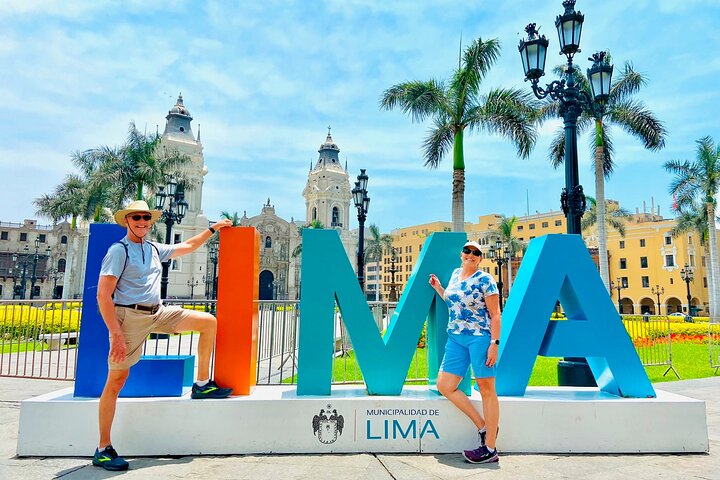
Prices at a glance
What we sell today and what recent flight searches found. No hotel prices; nothing here is a trip total.
- Tours and tickets in Limafrom US$36.00
Live from Viator when this page loaded · per adult · changes by date.
Top experiences
Top experiences in Lima
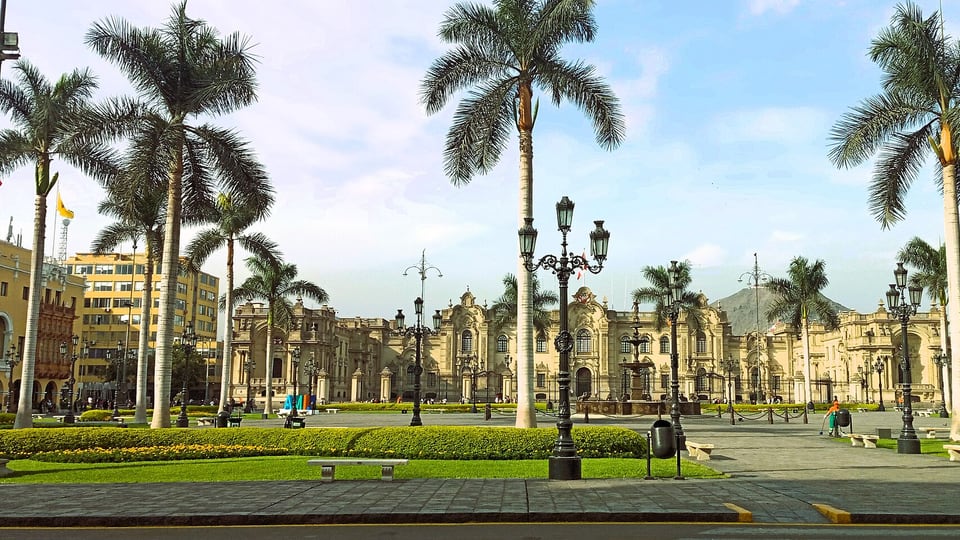
The Historic Centre and the Plaza Mayor
Pizarro traced the Plaza Mayor and the city grid himself, and the square is still framed by the Government Palace, the Cathedral, the Archbishop’s Palace and the Municipal Palace. Its fountain was inaugurated in 1651. The Cathedral, built in its present form between 1602 and 1797, holds Pizarro’s tomb.
Best for: A first walk through the viceroyal capital’s main square, cathedral and palaces · Area: Plaza Mayor, Cercado de Lima
Plan for The remains displayed in the Cathedral from 1891 turned out not to be Pizarro’s; his authentic remains, found in 1977, now lie in the mausoleum. Ceremonial guard units hold a daily Changing of the Guard at the Government Palace, and protests can restrict access to the square.
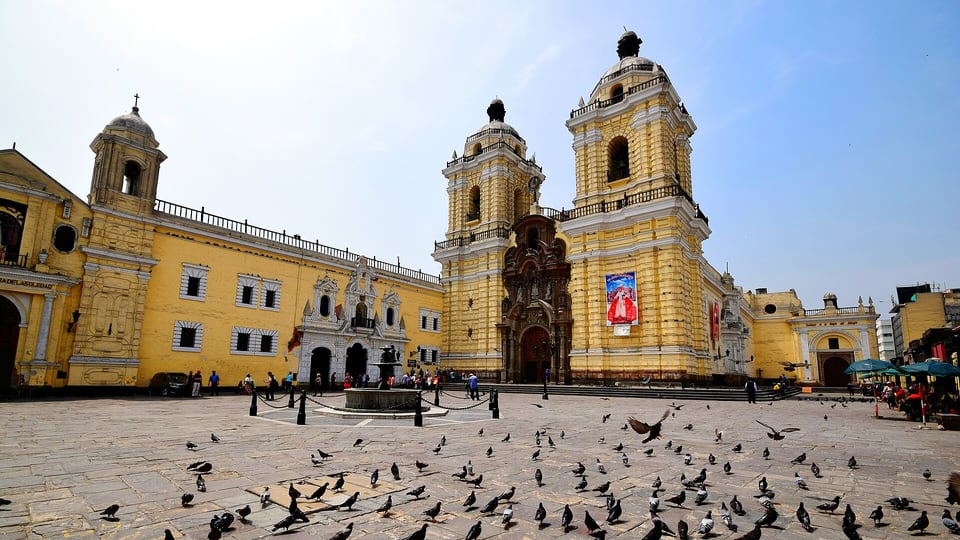
San Francisco Monastery and its catacombs
Begun in 1546 and inaugurated in 1672, the Basilica and Convent of San Francisco is the building UNESCO singles out in the Historic Centre. Beneath it, the catacombs served as a burial ground until 1810, and bones from those burials are laid out in the ossuary. The library holds about 25,000 volumes, some from the 16th century.
Best for: Colonial cloisters, a historic library and the burial vaults beneath the church · Area: Plaza San Francisco, corner of Jirón Áncash and Jirón Lampa, historic center
Plan for Peru’s Ministry of Culture lists the convent museum as open every day from 9:00 to 20:15, and visits run as guided tours, so expect to wait for the next group. The vaults are underground with narrow passages and human remains on view.
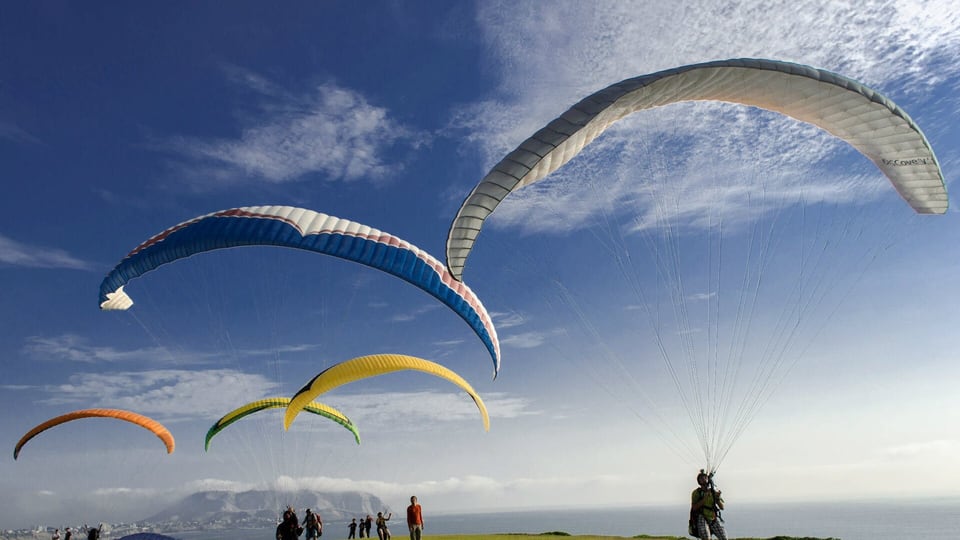
Miraflores: the clifftop Malecón and paragliding
Miraflores runs along cliffs above the Costa Verde, the ocean road and beaches that curve around the bay. Parque del Amor, opened on 14 February 1993 on the Malecón Cisneros, holds Víctor Delfín’s sculpture El Beso. Beside it, the municipal launch site in Parque Raimondi sends tandem paragliders out along the cliffs.
Best for: Walking the cliff parks toward sunset, or flying tandem along the Costa Verde · Area: Malecón Cisneros, Parque del Amor and Parque Raimondi, Miraflores
Plan for A site commissioner checks the weather before flights go up, so wind can cancel them. When tandem flights resumed in December 2023, the municipality said 40 certified pilots would fly between 8:00 and 18:00, with insurance for passengers.
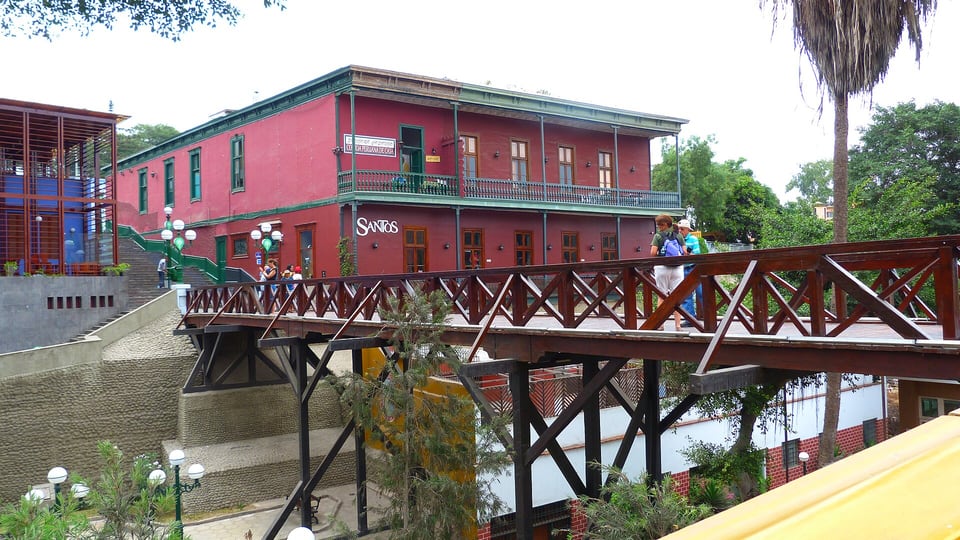
Barranco: the Puente de los Suspiros and MATE
Barranco was a fashionable 19th-century beach resort for Lima’s upper class, and the singer-songwriter Chabuca Granda, the poet Martín Adán and the novelist Mario Vargas Llosa are all linked to it. Its wooden Puente de los Suspiros dates from 1876; it was destroyed during the Chilean occupation of 1881 and rebuilt.
Best for: A late-afternoon walk over the bridge, a photography museum and an evening out · Area: Barranco, south of Miraflores on the same clifftop
Plan for MATE opened in 2012 in a restored 1898 mansion on Avenida Pedro de Osma and shows Testino’s 1997 portraits of Diana, Princess of Wales. The district covers only 3.33 square kilometers, so it is best on foot, but the FCDO names it for street robberies.
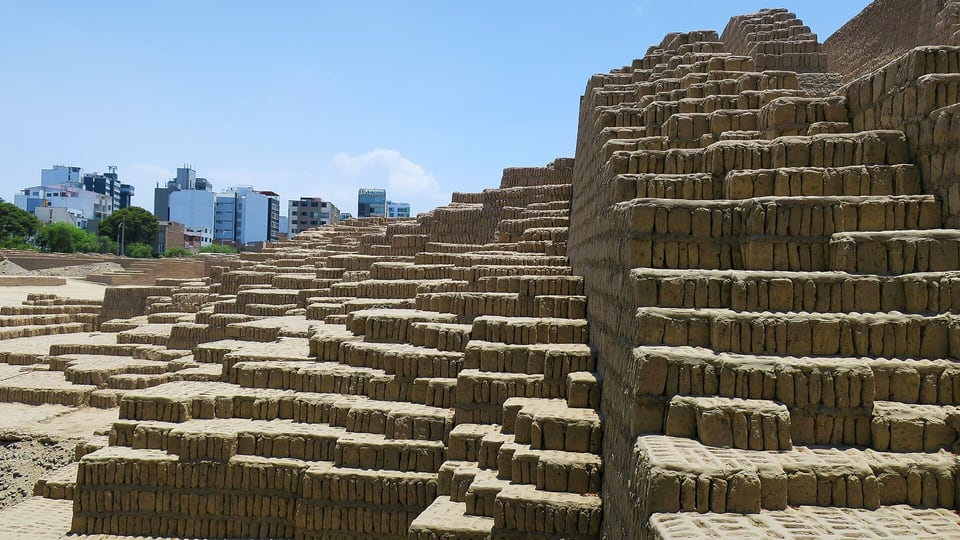
Huaca Pucllana
Huaca Pucllana was a ceremonial and administrative center of the Lima culture, which flourished between about AD 200 and 700. Its adobe pyramid rises 22m in seven staggered platforms, and the complex runs over 500m long. The Wari and later the Ychsma used it, and excavations found the burial known as the Lord of the Unkus.
Best for: Seeing a pre-Inca pyramid without leaving Miraflores · Area: Miraflores
Plan for The pyramid is seen on guided tours, and a site museum has been open since 1984. Walk the Malecón the same afternoon, since both are in Miraflores.
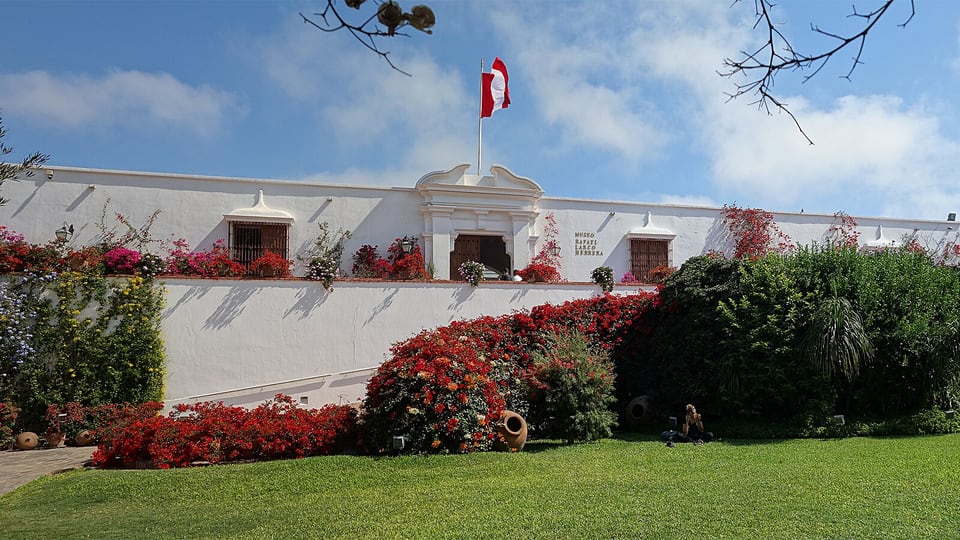
Museo Larco
Museo Larco was founded on 28 July 1926 and occupies an 18th-century viceroyal building in Pueblo Libre. Its galleries trace about 5,000 years of Peruvian history, from Moche portrait vessels to the Gold and Silver Gallery, and its visible storage lets visitors walk between shelves of some 30,000 catalogued ceramics.
Best for: One museum that lays out Peru’s cultures before and during the Inca · Area: Avenida Simón Bolívar 1515, Pueblo Libre
Plan for It also has a gallery of pre-Columbian erotic ceramics, mostly Moche, described as the world’s largest collection of its kind; because it is a separate gallery, a visit can include or skip it. The museum opens every day from 9:00 to 19:00, with shorter hours on some holidays.
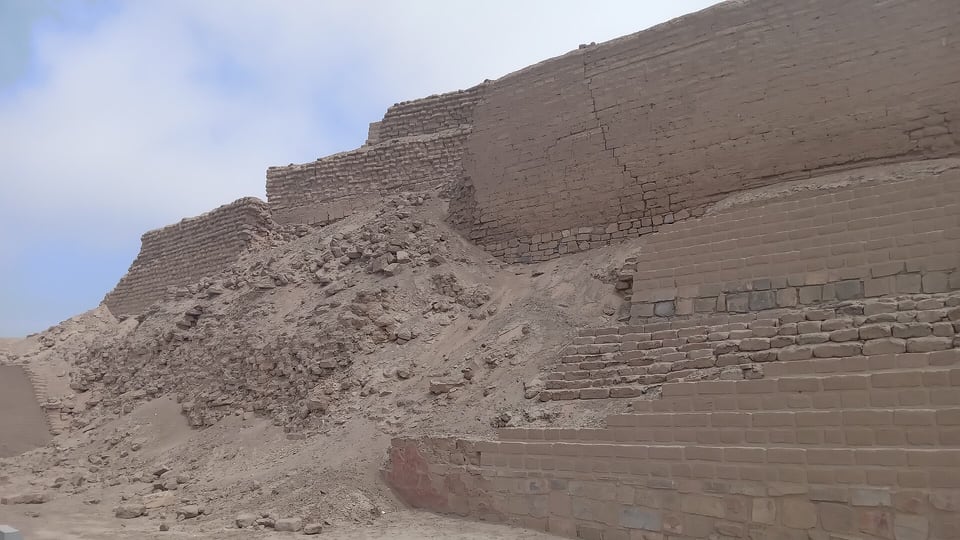
Pachacamac
Pachacamac was a sanctuary and oracle of the central coast, first settled around AD 200 and used by the Lima, Wari, Ychsma and Inca cultures; the Inca took it around 1470. The idol found at its Painted Temple, dated to about AD 760 to 876, is now the centerpiece of the site museum. Hernando Pizarro reached the sanctuary in 1533.
Best for: A half day south of the city among adobe temples, with a site museum to explain them · Area: Lurín, at km 31.5 of the old Pan-American Highway South
Plan for The Ministry of Culture lists hours of 9:00 to 17:00 from Tuesday to Saturday and 9:00 to 16:00 on Sunday, with ticket sales closing half an hour earlier. The site is large and exposed, so a tour with transport and a guide saves arranging both.
Ceviche, cevicherías and a Lima food day
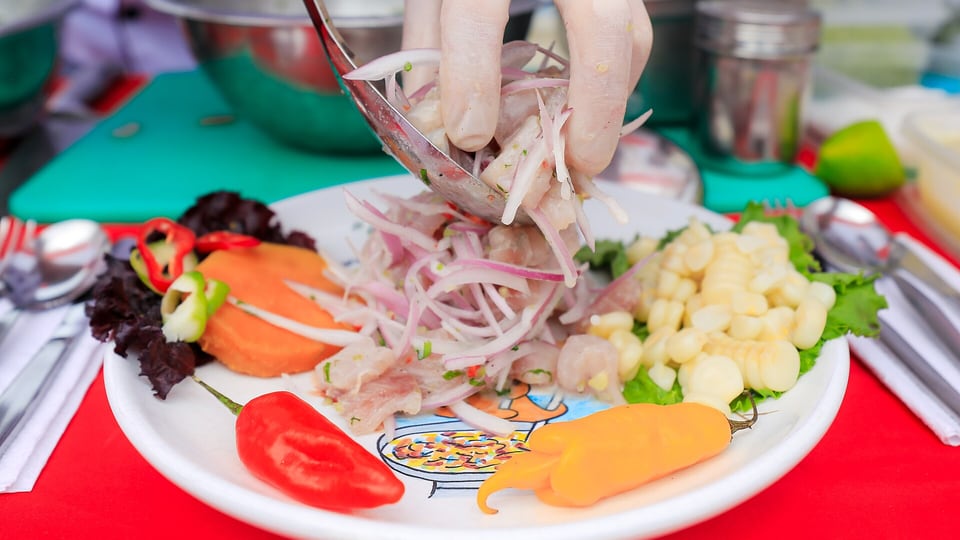
Ceviche is raw fish marinated in lime, and in December 2023 UNESCO inscribed the practices around it as Intangible Cultural Heritage, the first Peruvian element to cover the whole country. Many cevicherías serve only at lunch, and they often bring a small glass of the marinade, leche de tigre, first. Peru marks Ceviche Day on 28 June.
Best for: A long lunch built around ceviche, then a market visit, food tour or cooking class · Area: Cevicherías across the city
Plan for Because many cevicherías close by the afternoon, a ceviche plan belongs at lunch rather than dinner. For the evening, street grills sell anticuchos from late afternoon.
The Magic Water Circuit
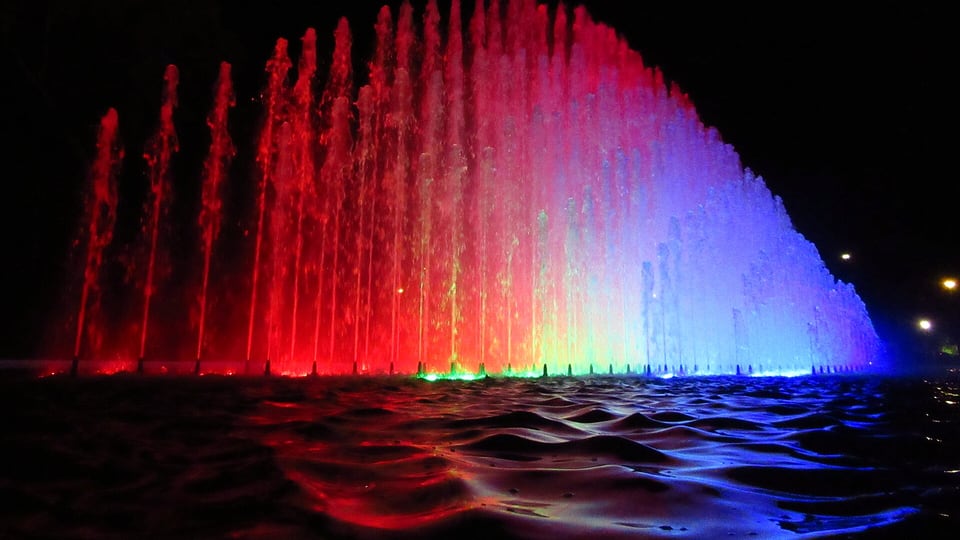
The Magic Water Circuit in the Parque de la Reserva opened on 26 July 2007 with 13 illuminated fountains, and that year it received a Guinness World Record as the largest fountain complex in a public park. Its water screen, about 95m long, carries the evening light-and-music show.
Best for: An evening of lit fountains, music and projections on water · Area: Parque de la Reserva, Santa Beatriz, Cercado de Lima
Plan for The park opens in the afternoon, but the projection shows run only after dark, at times that vary between sources and seasons, so check the schedule on the day. Night tours bundle it with transport.
Paracas and the Ballestas Islands
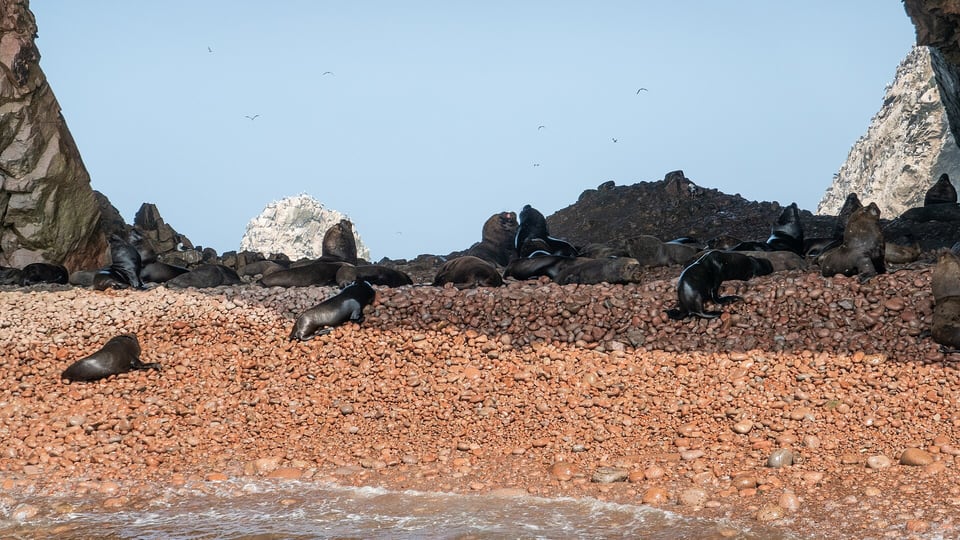
The Paracas National Reserve lies about 250km south of Lima and covers 335,000 hectares, 65% of it sea. Tour boats from the town of Paracas take about two hours to circle the Ballestas Islands, a sanctuary for Humboldt penguins, Peruvian boobies, Inca terns, fur seals and sea lions.
Best for: Seabirds, penguins and sea lions from a boat, with the desert reserve on the same trip · Area: Paracas, Ica region, about 250km south of Lima
Plan for The road takes roughly three and a half to four and a half hours each way. Ballestas boats leave in the morning before the wind rises, so day trips from Lima start very early. The FCDO warns that sand buggies at Huacachina, often added to these tours, are unregulated and have been involved in deaths.
Plan two, four or seven days in Lima
Two to three days: the center, the museums and the clifftops
Pick this length for the Plaza Mayor and San Francisco, Museo Larco, a ceviche lunch and evenings in Miraflores and Barranco.
Give the center a morning of its own, since it is a bus or taxi ride north of Miraflores.
The trade-off Nothing south of the city fits; Pachacamac and Paracas both need their own day.
Four to five days: add pre-Inca Lima and the fountains
Pick this length once Huaca Pucllana, Pachacamac and an evening at the Magic Water Circuit all matter.
Pachacamac’s listed hours run from Tuesday to Sunday, so fix its day first and build the rest around it.
The trade-off Paracas still does not fit comfortably; a same-day trip there leaves little else for that day.
A week: the coast south, then Cusco
Pick this length to add Paracas and the Ballestas Islands, ideally with a night on the coast, before flying on to Cusco.
Ballestas boats go out in the morning before the wind, which is why an overnight in Paracas makes the trip easier.
The trade-off Every night in Paracas is one fewer in Lima or the Andes, so decide which the trip is really about.
Sources
checked 2026-09-27. Recommendations are editorial judgements based on the cited sources below.
Choose a base in Lima
Miraflores: the cliffs, the ocean and the widest choice of places to eat
Consider Miraflores for a first stay, with the Malecón parks, paragliding and Huaca Pucllana close by.
The Airport Express Lima bus runs straight here, which keeps the first evening simple.
The trade-off The FCDO lists Miraflores for armed robberies, so keep phones out of sight near the road.
Barranco: old houses, bars and the bridge
Consider Barranco if evenings out and walking matter more than being central.
At 3.33 square kilometers it is walkable end to end, and Miraflores is next door.
The trade-off Nightlife streets are loud late, and the historic center is the longest ride of any base on this list.
The historic center: for sightseeing days, not late nights
Consider the center only if the colonial churches and museums are the core of your trip.
The Plaza Mayor, the Cathedral and San Francisco are all a short walk apart.
The trade-off Protests can close streets here, and the FCDO advises against walking alone at night in quiet areas.
Sources
checked 2026-09-27. Recommendations are editorial judgements based on the cited sources below.
Airport, safety and getting around
Jorge Chávez International Airport (LIM) lies in Callao, 11km from the historic center and 17km from Miraflores. Lima Airport Partners opened its new passenger terminal on 1 June 2025, built for 40 million passengers a year.
The public AeroDirecto buses run five routes with 63 stops, the Centro route from Plaza San Martín, but they take only backpacks or small hand luggage. With suitcases, use the Airport Express Lima bus to Miraflores or a taxi.
The FCDO warns of criminals posing as taxi drivers at the airport. It advises the authorized taxi desks outside the baggage hall, or app or phone-booked taxis, and not hailing cabs in the street.
Best time to visit
Summer (December-April)
Summer is sunny, hot and humid, with daily lows of 18 to 22°C and highs of 25 to 30°C. Sunsets over the Pacific often turn the sky orange and red around 7 pm, which locals call cielo de brujas.
- Crowds
- Varies by event and attraction
Autumn (May)
The low winter cloud deck generally forms in late May, so the first grey days arrive before winter proper. Rain stays extremely rare in any month.
- Crowds
- Varies by event and attraction
Winter (June-October)
Winter brings the garúa: a persistent low cloud deck and a morning drizzle, most frequent from June to September, that generally dries by early afternoon. Highs sit between 16 and 19°C, and long stretches of 10 to 15 overcast days are common.
- Crowds
- Varies by event and attraction
Spring (November)
The cloud deck can persist until mid-November or even early December, so spring sunshine is not guaranteed. Lima has only about 1,284 hours of sunshine a year.
- Crowds
- Varies by event and attraction
Food: anticuchos, chifa, nikkei and pisco
Lima’s everyday dishes carry its history of migration. Anticuchos, beef-heart skewers marinated in vinegar with cumin, ají pepper and garlic, grew out of recipes that enslaved Africans in colonial Lima made from cuts the Spanish rejected, and street grills still cook them from late afternoon.
Cantonese immigrants brought chifa; the word comes from a Cantonese phrase about eating rice, and Lima had over 6,000 chifa restaurants by 2007. Lomo saltado, beef stir-fried with onion and tomato and served with fries and rice, is the best-known dish of that crossing, alongside arroz chaufa fried rice.
The first 790 Japanese immigrants reached Callao on the Sakura Maru on 3 April 1899, and nikkei cooking, Japanese technique with Peruvian ingredients, grew from that community. Tiradito is one of its signature dishes. The pisco sour combines pisco, citrus juice, syrup, egg white and bitters, and Peru celebrates it on the first Saturday of February.
Beyond Maido, three more Lima restaurants, Kjolle, Mérito and Mayta, are in the 2025 World’s 50 Best list. Central’s tasting menu is built around Peru’s ecosystems, from 15 meters under the Pacific to 4,200 meters up in the Andes.
City profile
- Population (City of Lima, 2023 census projection; the wider agglomeration including the seven districts of the Constitutional Province of Callao is about 11.3 million, 2023): 10,092,000
Francisco Pizarro founded Lima in the Rímac valley in January 1535 as the City of the Kings, on land of the pre-Inca Lordship of Ichma.
Lima was the capital of the Viceroyalty of Peru. Until the middle of the 18th century it was the most important city of the Spanish dominions in South America.
A strong earthquake in 1746 severely damaged the city and destroyed the port of Callao, and the cathedral had to be rebuilt afterward.
UNESCO inscribed the Historic Centre of Lima on the World Heritage List in 1988 and significantly extended its boundaries in 1991.
Famous for:
- Restaurants ranked the world’s best: Central in 2023 and Maido in 2025. The 2026 ranking is being revealed in Lima on 4 November.
- Ceviche, whose practices and meanings UNESCO inscribed on its Intangible Cultural Heritage list in December 2023.
- The Convent of San Francisco, which UNESCO calls the largest of its type in this part of the world, and the catacombs beneath it.
- The pisco sour, first mixed in Lima in the early 1920s by the American bartender Victor Morris, although Chile also claims the drink as its own.
Why Lima is worth more than a stopover
Lima’s restaurants have topped the best-known world restaurant ranking twice in three years. Central, run by Virgilio Martínez and Pía León in Barranco, became the first South American restaurant ranked No.1 in The World’s 50 Best Restaurants in 2023. Maido, Mitsuharu Tsumura’s nikkei restaurant, took No.1 in 2025.
The Historic Centre has been on UNESCO’s World Heritage List since 1988. Lima was the capital of the Viceroyalty of Peru, and UNESCO describes its Convent of San Francisco, with catacombs beneath it, as the largest of its type in this part of the world.
The city is far older than its Spanish grid. Huaca Pucllana, an adobe pyramid of the Lima culture that flourished between about AD 200 and 700, stands among the apartment blocks of Miraflores. The sanctuary of Pachacamac, first settled around AD 200, lies at km 31.5 of the old Pan-American Highway South.
The US State Department rates Peru Level 2, exercise increased caution, in an advisory reissued on 16 May 2025; its Do Not Travel areas lie far from Lima. The UK FCDO says armed robberies have hit tourists in Miraflores and Barranco and warns of express kidnappings by fake taxi drivers.
Peru’s government has repeatedly declared a state of emergency in Lima and Callao to fight crime; the latest 60-day declaration began on 28 August 2026, with army support for police and identity checks in targeted areas. The FCDO notes that protests in Lima often gather in the historic center.
- Plan by trip type
- Historic center inland · Miraflores and Barranco on the cliffs · Pachacamac to the south · Paracas as a long day trip
- Good first stay
- 2-3 days: center, catacombs, Museo Larco, Miraflores, Barranco; 4-5 days adds Huaca Pucllana, Pachacamac and the fountains; a week fits Paracas
- Climate
- Desert coast: sunny December-April, highs 25-30°C; grey low cloud June-October, highs 16-19°C; rain is extremely rare
- Main gateway
- Jorge Chávez International (LIM) in Callao, 17km from Miraflores; its new passenger terminal opened on 1 June 2025
Planning your Lima visit: FAQs
Is Lima safe to visit?
The US State Department rates Peru Level 2, exercise increased caution. The UK FCDO names Miraflores and Barranco for armed robberies of tourists. Keep phones out of sight near the road, use ATMs inside banks, supermarkets or large buildings during business hours, and book taxis by app, phone or through your hotel.
How do I get from the airport to Miraflores?
Miraflores is 17km from Jorge Chávez. The Airport Express Lima bus runs there, or take a taxi from the authorized desks outside the baggage hall. The public AeroDirecto buses accept only backpacks or small hand luggage.
Is Lima really grey for half the year?
Largely, yes. A low cloud deck generally forms in late May and can last until mid-November, and the garúa drizzle is most frequent from June to September. From December to April the city is sunny and warm, with highs of 25 to 30°C.
Should I order ceviche at dinner?
Plan it for lunch instead. Many cevicherías serve only at lunch, while anticuchos and other street grills take over from late afternoon.
What should I know about earthquakes in Lima?
Peru lies in an active earthquake zone with frequent tremors, and the FCDO advises following the instructions of local authorities if one strikes. UNESCO notes that earthquakes severely damaged the colonial city, and the 1746 quake destroyed Callao.
What is in Museo Larco’s erotic gallery?
Pre-Columbian ceramics with sexual scenes, mostly from the Moche culture, which Rafael Larco Hoyle researched and catalogued in the 1960s. They are shown in a gallery of their own, separate from the Gold and Silver Gallery and the main collection.
Is Pachacamac worth a half day, and when is it open?
Yes, if you want to see a pre-Inca sanctuary used for some 1,300 years. The Ministry of Culture lists the site museum at km 31.5 of the old Pan-American Highway South with hours from Tuesday to Sunday, closing at 17:00, or at 16:00 on Sunday.
Can I see Machu Picchu from Lima?
Not as a day trip. Most visitors fly from Lima to Cusco, whose airport mostly serves domestic routes from Lima, and continue from there; our Cusco guide covers that side of the trip.
Make your Lima plans
Compare tours, tickets and activities in Lima →
Choose your departure market and search flights to Lima from the Mubboo Flights homepage.
Compare flights ↗Sources
Latest source check: .
Show all 46 sources
- Wikipedia — Lima (checked 2026-09-27)
- UNESCO World Heritage Centre — Historic Centre of Lima (checked 2026-09-27)
- Wikipedia — Historic Centre of Lima (checked 2026-09-27)
- Wikipedia — Plaza Mayor, Lima (checked 2026-09-27)
- Wikipedia — Cathedral of Lima (checked 2026-09-27)
- Wikipedia — Government Palace (Peru) (checked 2026-09-27)
- Peru Ministry of Culture — Museo Convento de San Francisco (checked 2026-09-27)
- Wikipedia — Basilica and Convent of San Francisco, Lima (checked 2026-09-27)
- Wikipedia — Miraflores District, Lima (checked 2026-09-27)
- Municipalidad de Miraflores — Tandem paragliding returns to the Malecón (28 December 2023) (checked 2026-09-27)
- Wikipedia — Parque del Amor (checked 2026-09-27)
- Wikipedia — Costa Verde (Lima) (checked 2026-09-27)
- Wikipedia — Barranco District (checked 2026-09-27)
- Wikipedia — Museo Mario Testino (MATE) (checked 2026-09-27)
- Wikipedia — Huaca Pucllana (checked 2026-09-27)
- Museo Larco — Visit information (checked 2026-09-27)
- Wikipedia — Larco Museum (checked 2026-09-27)
- Peru Ministry of Culture — Museo de Sitio Pachacamac (checked 2026-09-27)
- Wikipedia — Pachacamac (checked 2026-09-27)
- The World’s 50 Best Restaurants — Central is The World’s Best Restaurant 2023 (checked 2026-09-27)
- The World’s 50 Best Restaurants — Maido takes No.1 in 2025 (checked 2026-09-27)
- The World’s 50 Best Restaurants — The 2026 list to be revealed in Lima (10 July 2026) (checked 2026-09-27)
- UNESCO — Ceviche inscribed on the Intangible Heritage List (December 2023) (checked 2026-09-27)
- National Geographic — A culinary guide to Lima (Nicholas Gill, January 2024) (checked 2026-09-27)
- Wikipedia — Ceviche (checked 2026-09-27)
- Wikipedia — Chifa (checked 2026-09-27)
- Wikipedia — Japanese Peruvians (checked 2026-09-27)
- Wikipedia — Nikkei cuisine (checked 2026-09-27)
- Wikipedia — Anticucho (checked 2026-09-27)
- Wikipedia — Pisco sour (checked 2026-09-27)
- PromPerú (Y tú qué planes?) — Circuito Mágico del Agua key facts (November 2024) (checked 2026-09-27)
- Wikipedia — Paracas National Reserve (checked 2026-09-27)
- Wikipedia — Ballestas Islands (checked 2026-09-27)
- Wikipedia — Huacachina (checked 2026-09-27)
- The Only Peru Guide — Lima to Paracas by bus (updated 24 August 2026) (checked 2026-09-27)
- Wikipedia — Jorge Chávez International Airport (checked 2026-09-27)
- Lima Airport Partners — New Jorge Chávez terminal opens (30 May 2025) (checked 2026-09-27)
- Peru Ministry of Transport (MTC) — The five AeroDirecto routes (17 May 2025) (checked 2026-09-27)
- ATU Lima y Callao — AeroDirecto buses and luggage rules (3 February 2025) (checked 2026-09-27)
- The booking platform — Airport Express Lima: Lima Airport to Miraflores (product 167488P2) (checked 2026-09-27)
- GOV.UK — Peru travel advice: safety and security (updated 22 June 2026) (checked 2026-09-27)
- GOV.UK — Peru travel advice: regional risks (checked 2026-09-27)
- US Department of State — Peru Travel Advisory (reissued 16 May 2025) (checked 2026-09-27)
- Infobae — Lima and Callao declared in emergency for 60 days (28 August 2026) (checked 2026-09-27)
- Wikipedia — Alejandro Velasco Astete International Airport (Cusco) (checked 2026-09-27)
- The booking platform — Lima destination mapping d928 (checked 2026-09-27)
Photo credits
- historic centre plaza mayor — YusmarBlanco · CC BY-SA 4.0.
- san francisco monastery catacombs — BrunoLocatelli · CC BY-SA 4.0.
- miraflores malecon paragliding — Andrearubin · CC BY 3.0.
- barranco bridge and mate — Ibrehaut (Ivan Brehaut L.) · CC BY-SA 4.0.
- huaca pucllana — AlisonRuthHughes · CC BY-SA 4.0.
- museo larco — Velvet · CC BY-SA 4.0.
- pachacamac — Milena Casco 2002 · CC BY-SA 4.0.
- ceviche and lima food — MINISTERIO DE LA PRODUCCIÓN - PRODUCE · Public domain.
- magic water circuit — Felipe Restrpo Acosta · CC BY-SA 4.0.
- paracas ballestas islands — PsamatheM · CC BY-SA 4.0.
Mubboo Editorial Team · Reviewed by Mubboo Editorial Team


