
FIND YOUR NEXT EXPERIENCE
Featured activities across Japan
Explore activities around different starting areas, then check each tour’s meeting point before planning your day.
CHOOSE THE TRIP BEFORE THE TICKET
Where do you want to spend your time?
Start with the experience you want most. These areas offer different reasons to travel; you do not need to fit them all into one itinerary.
NEIGHBOURHOODS & CITY CONTRASTS
Tokyo
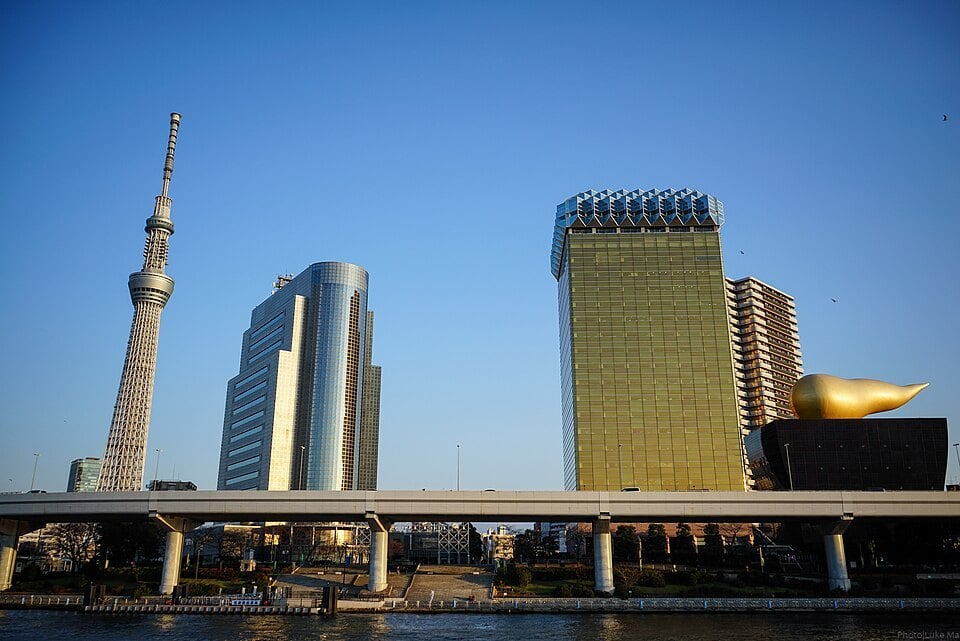
Choose Tokyo for a trip that can change character without changing hotels: temple streets around Asakusa, the Sumida waterfront and a different neighbourhood for dinner. We would organise each day around one side of the city, leaving room to follow an interesting street.
Before you book
A tour that crosses the whole city may spend much of its time in transit. Read the named stops and meeting station before comparing the number of attractions.
TEMPLES, GARDENS & CULTURAL CONTEXT
Kyoto
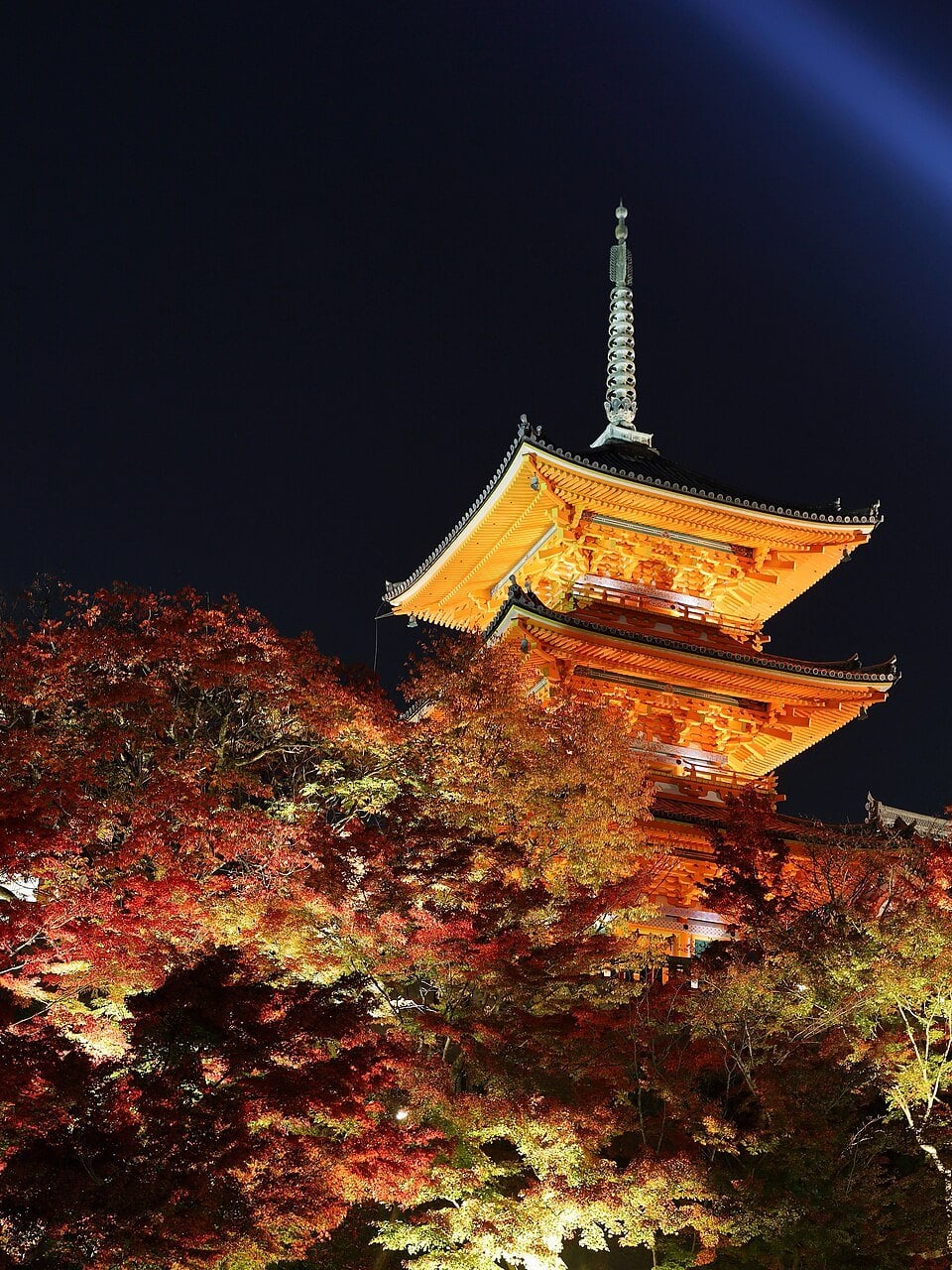
Kyoto works best as a small group of temples and the streets between them. Pick an eastern-city walk or a western outing as the main event, rather than collecting distant temple entrances. A guide is most useful when you want to understand what you are seeing.
Before you book
Kyoto city and Kyoto Prefecture are different scales. A listing with Kyoto in its name may involve a substantial excursion; check the actual route.
FOOD & AN EVENING BASE
Osaka
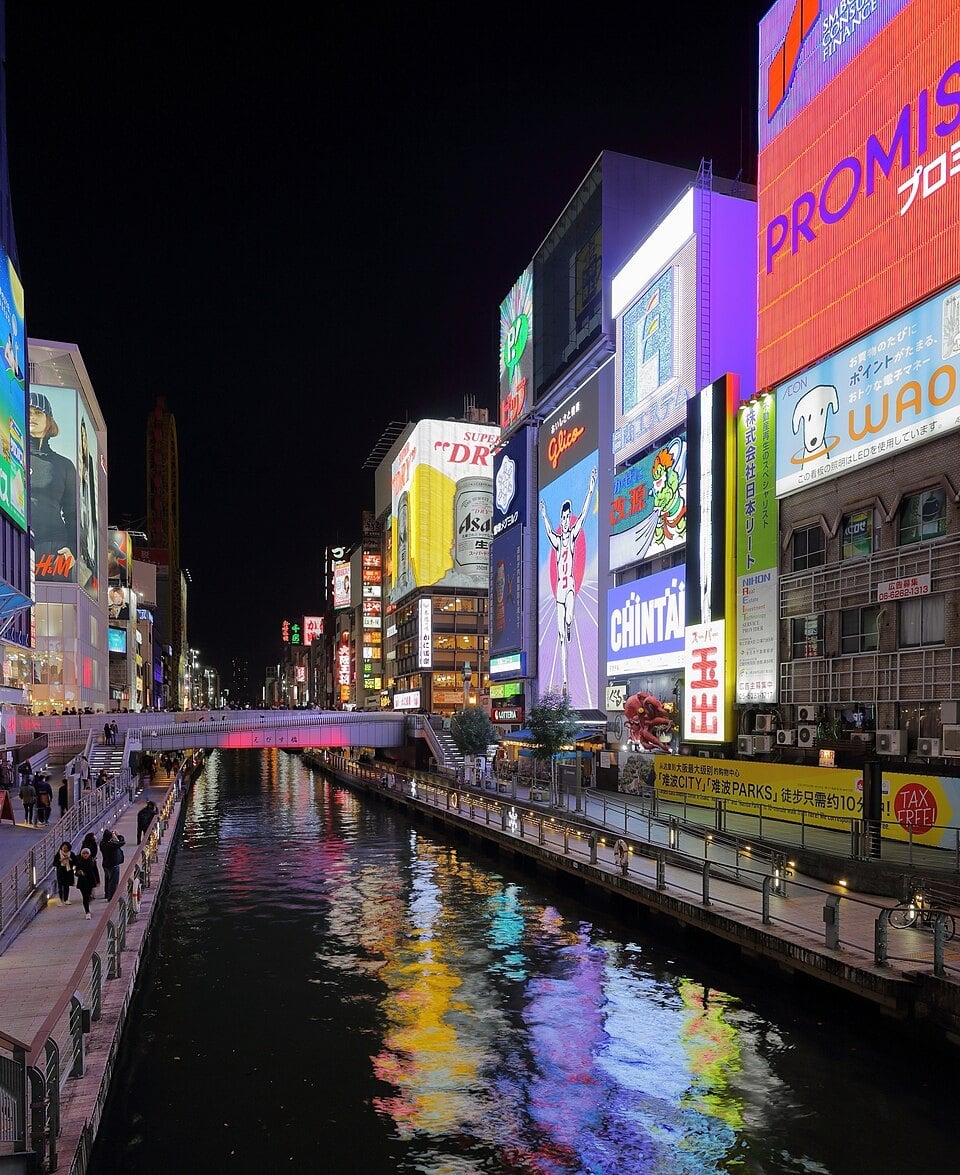
Osaka is our choice for travellers who want food to shape the evening. Give the city its own time around the canals, shopping streets and kitchens instead of treating it only as the place to sleep between Kyoto visits.
Before you book
A food walk, cooking class and restaurant reservation offer different levels of participation. Compare included dishes, drinks and dietary arrangements, not just the number of stops.
REMEMBRANCE & AN ISLAND CONTRAST
Hiroshima
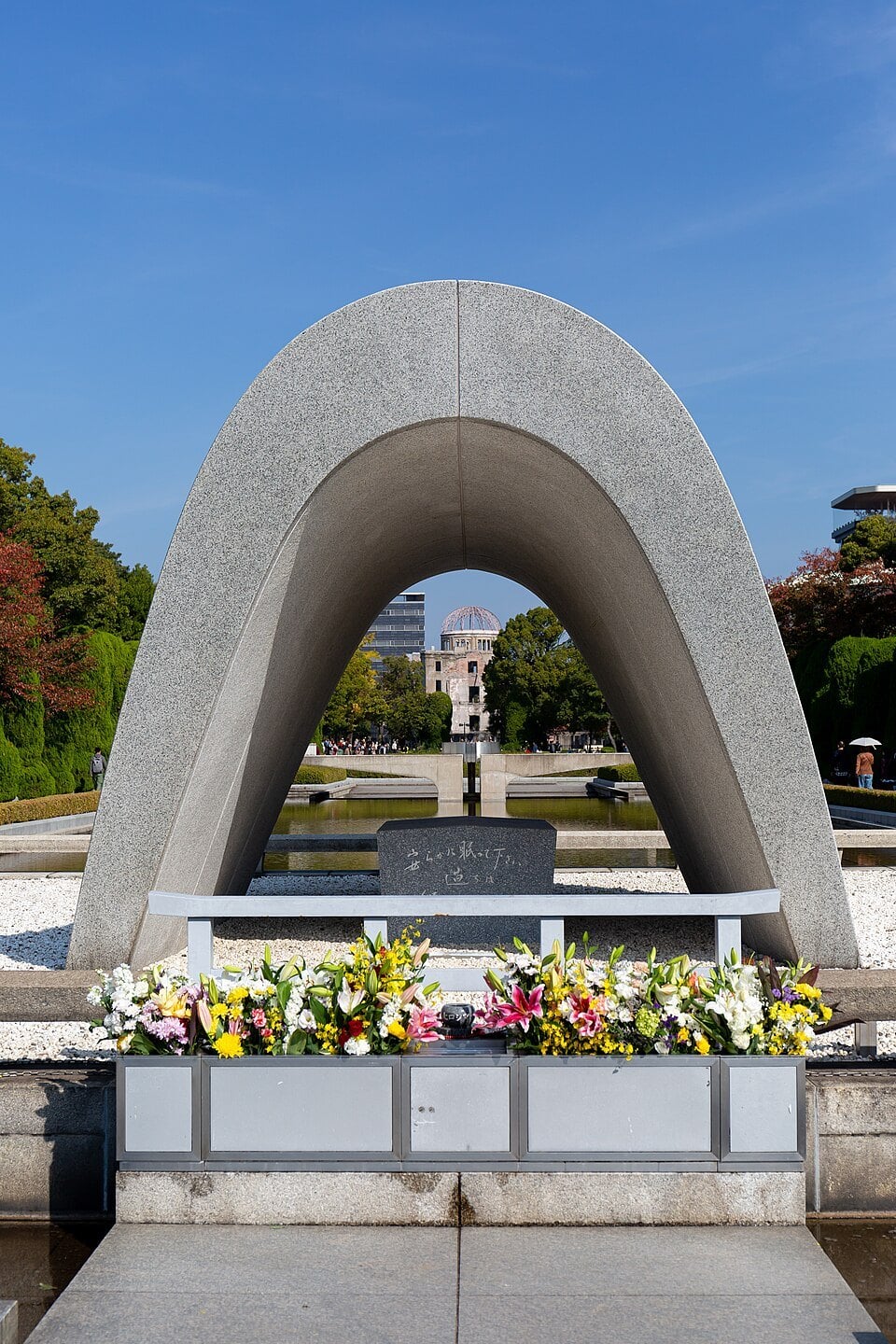
Give Hiroshima’s peace memorial sites room for reflection, then consider Miyajima as a separate outing. We prefer an overnight stay when both are priorities; it avoids making the museum visit compete with an island connection.
Before you book
A combined day tour can handle the logistics, but check how long it allows at each place. The return journey matters as much as the list of included sights.
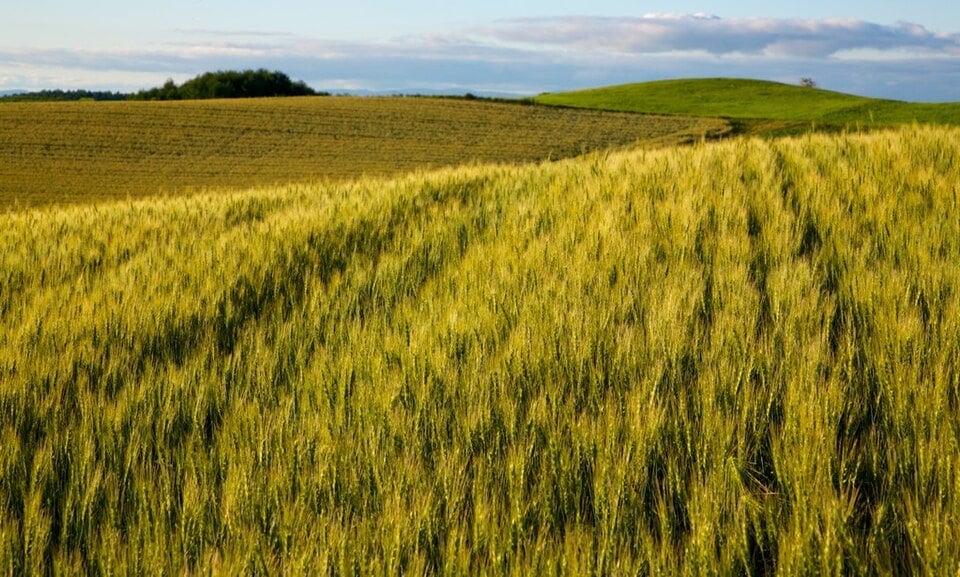
LANDSCAPES & A SEASONAL TRIP
Hokkaido
Choose Hokkaido when landscapes are the reason for travelling. Start with a particular base and season, then choose excursions from there. Sapporo city time and a countryside stay are complementary possibilities, not interchangeable booking locations.
Before you book
Hokkaido is a large island. A result in the regional catalogue is not necessarily reachable from your hotel for a morning meeting; check the departure town first.
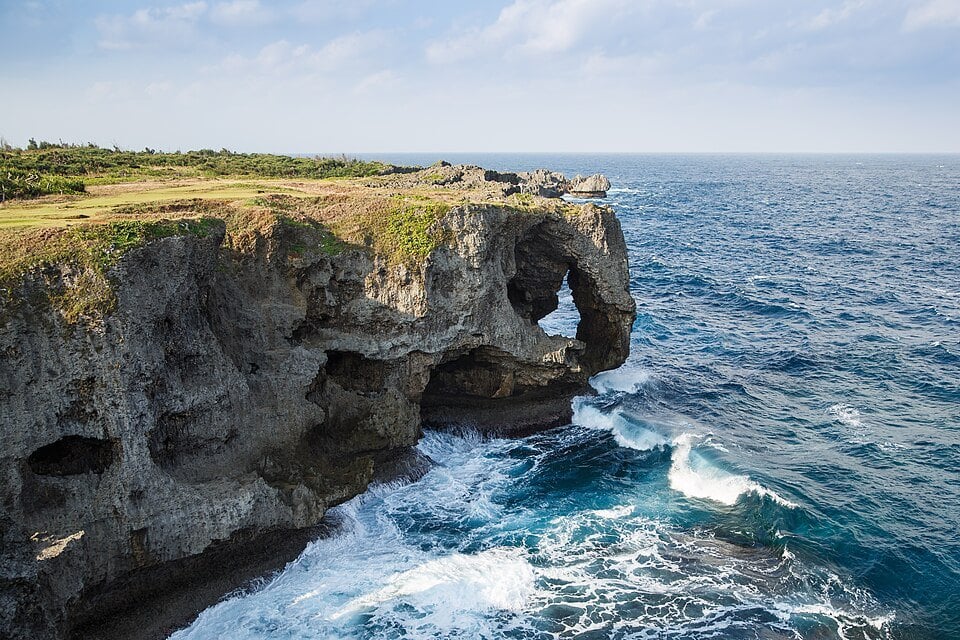
ISLAND TIME & RYUKYU HERITAGE
Okinawa
Okinawa suits travellers who want the island stay to be a real part of the holiday. Choose your island before your hotel: a Naha-based visit, time along the main island’s coast and a stay on another island produce different routes.
Before you book
Do not treat an Okinawa-wide activity search as a single local area. Confirm the island, harbour and transport needed before booking a boat or water activity.
Explore Japan Before You Book
Take a virtual drive or walk, then find tours and tickets for the places you like.

Country profile
Japan country profile
42.68 million international arrivals in 2025
JNTO’s January 2026 release estimates 42,683,600 visitor arrivals during 2025. This is a national arrivals measure, not a count of unique holidaymakers or a satisfaction rating. It cannot tell you how busy a particular temple will be on your date.
Sources →One week needs a clear centre
Our recommendation for seven days is one region, with at most one hotel change. Kansai lets you build a trip around Kyoto and Osaka with a chosen Nara outing. Travellers drawn mainly to contemporary city life can instead stay in Tokyo.
Sources →Two weeks makes a corridor practical
Tokyo, the Hakone area and Kansai form a coherent first-trip direction. We would spend the extra nights on full days in each base before adding another distant city. Compare arrival and departure airports after the route is settled.
Sources →Season belongs in the destination decision
Hokkaido and Okinawa should be chosen for their own landscapes and seasonal conditions. We would replace part of a mainland itinerary with one of them, rather than add an island flight simply because the country map makes it look close.
Sources →A guide is most useful with a purpose
In Kyoto, choose interpretation of a temple area; in Osaka, a focused food experience; in Tokyo, a neighbourhood you want to understand. Our preference is one substantial guided session followed by independent time, rather than a guide for every transfer.
Sources →The rail pass decision comes after the route
Write down the journeys you will actually take, then compare individual tickets and any relevant pass using current operator terms. We do not assume a nationwide pass is the right ticket for every Tokyo–Kyoto trip, or that it covers every local transfer.
Sources →27 World Heritage properties, most of them cultural
UNESCO lists 27 World Heritage properties for Japan: 22 cultural and 5 natural, with the Ancient Capitals of Asuka and Fujiwara added in 2026. Ancient Kyoto, Ancient Nara, the Hiroshima Peace Memorial and Itsukushima Shinto Shrine all sit on routes this page already suggests.
Sources →2 hours 21 minutes from Tokyo to Shin-Osaka
JR Central gives 2 hours 21 minutes as the fastest Tokyo to Shin-Osaka time on the Tokaido Shinkansen, based on its March 2023 timetable. The line ran 372 services a day in FY2023. In our planning, the slower part of a moving day is reaching and leaving the station.
Sources →Trip plans
Japan · Trip plans
These are our suggested routes, with travel days included. Choose the pace that suits you; none promises to cover the entire country.
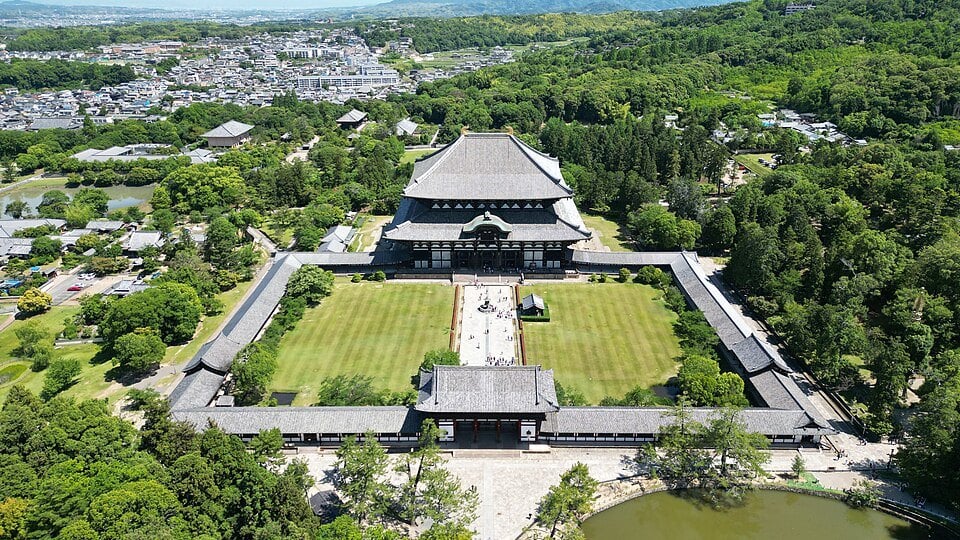
7 days: Kyoto, Nara and Osaka
A Kansai-first week with two bases: three nights in Kyoto and three in Osaka. It gives cultural visits and food their own time without an extra flight to Tokyo.
- Day 1 · Kyoto: arrive and settle in. Keep the first walk near your accommodation and leave prepaid visits for the following days.
- Days 2–3 · Kyoto: choose one temple district for a guided or independent walk, then use the second day for a contrasting area. Put the places you most want to understand ahead of the number of stops.
- Day 4 · Osaka: move hotels and spend the afternoon getting your bearings. Use the evening for a food experience whose meeting point and included dishes suit you.
- Day 5 · Nara: make this the chosen excursion from Osaka. Compare a guided visit with independent travel and reserve enough time for the return; avoid adding another city that day.
- Days 6–7 · Osaka: keep a full city day for your own interests, then allow day 7 for departure. If your flight leaves from Tokyo, this plan needs an additional intercity journey and a different final-night arrangement.
The trade-off
All six nights of this week are in Kansai, so Tokyo is not on the route. If Tokyo is the main reason for your trip, make it the base for the whole week instead of cutting both Kyoto and Osaka down to passing stops.
What Tokyo costs: One Day in Tokyo: Can You Do It for ¥2,539? → · Tokyo in 3 Days for ¥32,000? →
What Kyoto costs: One Day in Kyoto: Can You Do It for ¥6,000? → · Kyoto in 3 Days for ¥18,000? →
What Osaka costs: One Day in Osaka for ¥2,170? → · Osaka in 3 Days for ¥7,000? →
Activities for days 2–3 of an independent itinerary. The button does not book the seven-day route, hotels or the Nara journey.
Explore Kyoto Cultural Tours from ≈ US$60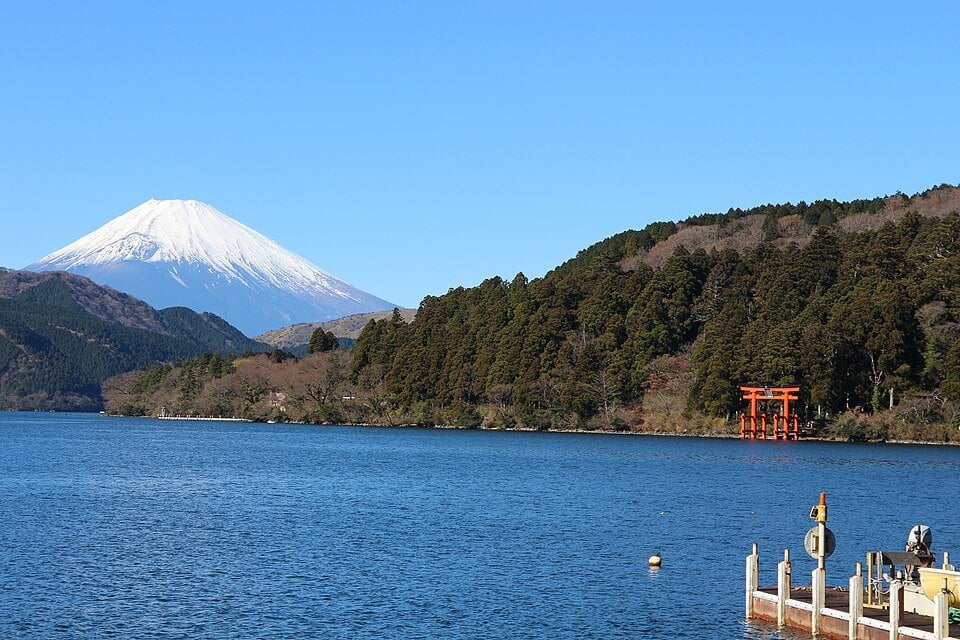
14 days: Tokyo, Hakone and Kansai
Four bases with travel days protected: four nights in Tokyo, two in Hakone, four in Kyoto and three in Osaka. Finish in Kansai if your flights allow it.
- Days 1–4 · Tokyo: allow an arrival day, an eastern-city day around Asakusa, a western-city day and one day shaped by your own interests. Book the one timed attraction that matters before filling the gaps.
- Days 5–6 · Hakone: travel on day 5 and check in without an ambitious circuit attached. Use day 6 for the lake, landscape or art that brought you here, adjusting to local conditions.
- Days 7–10 · Kyoto: make day 7 the transfer day. Give the next three days to selected temple areas, a cultural experience and a flexible day that can absorb weather or fatigue.
- Days 11–13 · Osaka: move on day 11. Keep one full day for Osaka and one for a Nara outing or another Osaka neighbourhood, according to your interests.
- Day 14 · Departure: leave time for the airport journey. A return flight from Tokyo requires a separately planned journey back; do not assume it fits after a final Osaka activity.
The trade-off
Two Hakone nights give the landscape a chance, but no itinerary can promise a clear Mount Fuji view. If changing hotels feels tiring, remove Hakone and give those nights to Tokyo or Kyoto.
What Tokyo costs: One Day in Tokyo: Can You Do It for ¥2,539? → · Tokyo in 3 Days for ¥32,000? →
What Kyoto costs: One Day in Kyoto: Can You Do It for ¥6,000? → · Kyoto in 3 Days for ¥18,000? →
What Osaka costs: One Day in Osaka for ¥2,170? → · Osaka in 3 Days for ¥7,000? →
Related excursions to compare before choosing the Hakone overnight stop. A Tokyo-return day tour is an alternative to that stop, not transport to your Hakone hotel. Check its route explicitly.
Compare Tokyo & Fuji-Area Excursions from ≈ US$55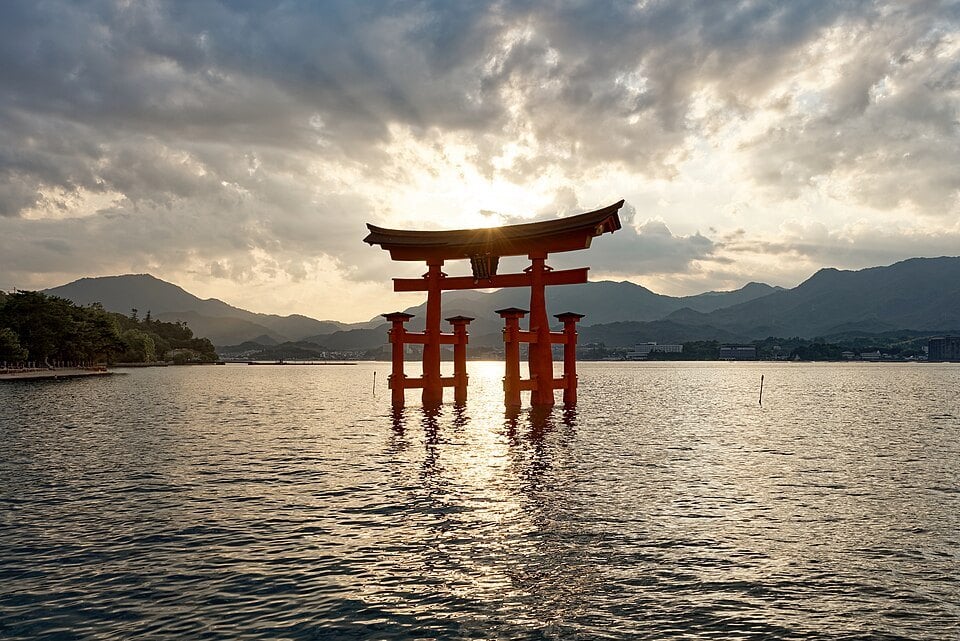
21 days: the city corridor, Hiroshima and Miyajima
A slower westward journey: five nights in Tokyo, two in Hakone, five in Kyoto, three in Hiroshima and five in Osaka. This plan assumes departure from Kansai.
- Days 1–5 · Tokyo: settle in, explore two contrasting sides of the city and keep a day for a personal interest such as art, food or neighbourhood shopping. Leave one day lightly booked.
- Days 6–7 · Hakone: transfer on day 6, then use a full day for your chosen landscape or museum route. Keep an indoor alternative in mind rather than relying on a single view.
- Days 8–12 · Kyoto: move on day 8 and use the four full days for separate districts, a cultural session and a slower day. Avoid repeating the same temple circuit through several tours.
- Days 13–15 · Hiroshima: reserve day 13 for the journey. Give a full day to Hiroshima’s memorial sites and another to Miyajima, checking the island connection and return arrangements.
- Days 16–20 · Osaka: return east on day 16. Use the remaining days for Osaka food and neighbourhoods, one Nara excursion and uncommitted time rather than four successive day trips.
- Day 21 · Departure: travel to your airport. If departing from Tokyo instead, replace the last Osaka night with a properly planned return journey.
The trade-off
This adds depth along a connected corridor, not coverage of all Japan. Hokkaido, Okinawa, Kyushu and many rural areas sit off this corridor entirely. To prioritise an island, replace a substantial section rather than add another two-night stop.
What Tokyo costs: One Day in Tokyo: Can You Do It for ¥2,539? → · Tokyo in 3 Days for ¥32,000? →
What Kyoto costs: One Day in Kyoto: Can You Do It for ¥6,000? → · Kyoto in 3 Days for ¥18,000? →
What Osaka costs: One Day in Osaka for ¥2,170? → · Osaka in 3 Days for ¥7,000? →
Related activities for the Hiroshima portion only. Compare whether a listing includes Miyajima, museum time and the required transport; the full twenty-one-day plan is independent.
Explore Hiroshima & Miyajima Activities from ≈ US$210Visitor perspectives
Our recommendations for pacing a Japan trip
These are Mubboo planning judgments informed by the official destination sources below. They are not a national visitor survey or quotations from activity reviews.
Use a guide for one district, then leave space
We would use a Kyoto guide to understand one district and keep the next part of the day independent. A smaller geographic scope gives questions, gardens and unplanned stops room to matter.
Sources →Let dinner belong to the city
Give Osaka an evening of its own instead of returning there only to sleep. Choose between a hosted food walk and a meal you select yourself; booking both back-to-back can turn dinner into a timetable.
Sources →Treat Hiroshima as a stay, not a detour
When remembrance and Miyajima both matter, our preference is to sleep in Hiroshima. The extra time makes it easier to give each experience the attention it deserves rather than judge the day by how many places were reached.
Sources →Send the suitcase ahead when you change hotels
On a moving day we would ask the front desk about sending the main bag on to the next hotel. JNTO says most major hotels can arrange delivery between hotels. Travelling with a day bag makes a stop between the two cities realistic.
Sources →Go deeper with a city guide
Explore the places, neighbourhoods and practical choices behind the activities.
Tokyo: One Day in Tokyo: Can You Do It for ¥2,539? → · Tokyo in 3 Days for ¥32,000? →
Kyoto: One Day in Kyoto: Can You Do It for ¥6,000? → · Kyoto in 3 Days for ¥18,000? →
Osaka: One Day in Osaka for ¥2,170? → · Osaka in 3 Days for ¥7,000? →
Planning Japan activities: FAQs
Should a first week include both Tokyo and Kyoto?
It can, but our default is one region for seven days. Each hotel move uses time for packing, stations and check-in. Choose Tokyo if the city itself is the priority; choose Kyoto and Osaka if temple areas, cultural visits and Kansai food matter more. Add a second region when the extra journey is worth giving up a full local day.
Do I need a different hotel for Kyoto, Osaka and Nara?
Not necessarily. Our one-week plan changes hotels once, from Kyoto to Osaka, and visits Nara as an excursion. Keeping a single Kansai base can reduce packing further, but compare the journeys from the actual hotel to the places and evening activities you want, rather than comparing city names alone.
Can I add Hokkaido or Okinawa to the two-week route?
Yes, by replacing part of it. We would remove a mainland base and assign a meaningful block of nights to the island, including travel days. Choose the island, season and departure point before booking activities; a regional listing may start far from your accommodation.
Is a Mount Fuji day tour the same as staying in Hakone?
No. A day tour follows its listed route and normally returns to its stated departure area; an overnight stay gives you a different pace and your own accommodation arrangements. Compare the actual stops, return point and weather policy. Cloud can hide Mount Fuji on either.
Which reservations should I make first?
Start with the experience you would be most disappointed to miss and any intercity journey that fixes a moving day. Then fit nearby activities around those commitments. Read the venue or operator’s current booking rules rather than assuming every shrine, museum, restaurant and observation deck works the same way.
Do the itinerary buttons book the whole holiday?
No. They open related activity collections or a clearly described alternative for one part of the route. Accommodation, intercity travel and other days remain separate unless an individual product explicitly includes them. Check the scope written beside each button before booking.
Sources & planning approach
Research by Mubboo Flights. Sources checked 2026-09-08. Recommendations are editorial judgements based on the cited sources below.
Photo credits
- Coastal cliffs at Cape Manzamo on Okinawa Island — CEphoto, Uwe Aranas; CC BY-SA 3.0.
- Tokyo Skytree and riverside buildings beside the Sumida River — Luke Ma from Taipei, Taiwan ROC; CC BY 2.0.
- Illuminated pagoda at Kiyomizu-dera in Kyoto — Martin Falbisoner; CC BY-SA 4.0.
- Dotonbori canal and illuminated buildings in Osaka — Martin Falbisoner; CC BY-SA 4.0.
- Memorial Cenotaph framing the Atomic Bomb Dome in Hiroshima — Balon Greyjoy; CC0.
- Fields and rolling hills near Biei in Hokkaido — Chi King; CC BY 2.0.
- Todai-ji temple grounds in Nara — Bob Tan; CC BY-SA 4.0.
- Lake Ashi with Mount Fuji in clear weather — Suicasmo; CC BY-SA 4.0.
- Itsukushima Shrine torii in the water at Miyajima — Jakub Hałun; CC BY 4.0.


Commercial selection from Viator. Featured order comes from the provider and may reflect commercial factors. Mubboo may earn a commission through these links. Prices and availability can change; confirm details on Viator before booking.