
FIND YOUR NEXT EXPERIENCE
Featured activities across Italy
Explore activities around different starting areas, then check each tour’s meeting point before planning your day.
CHOOSE THE TRIP BEFORE THE TICKET
Where do you want to spend your time?
Start with the experience you want most. These areas offer different reasons to travel; you do not need to fit them all into one itinerary.

Ancient Rome, the Vatican and the Baroque centre layered in one city
Rome
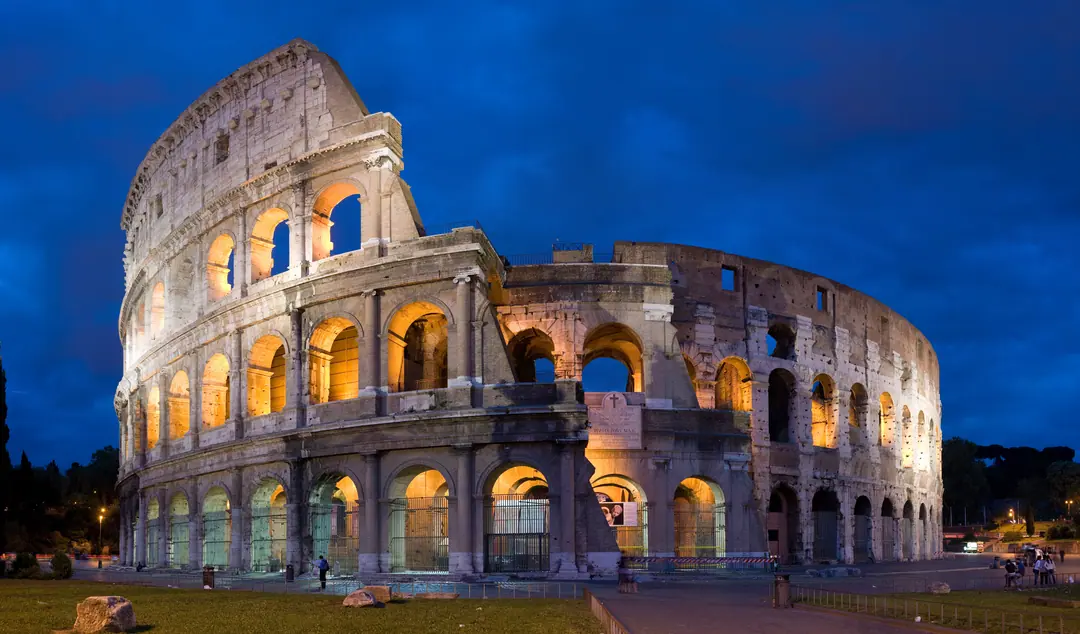
Give Rome separate time for ancient Rome, the Vatican and the Baroque historic centre. The strongest visit gives each its own day, since the Vatican sits across the Tiber from the Colosseum and the Baroque squares.
Before you book
Timed-entry sites and Vatican-specific rules can dictate the day. Confirm the exact admission, dress code and meeting point before booking a multi-site product.
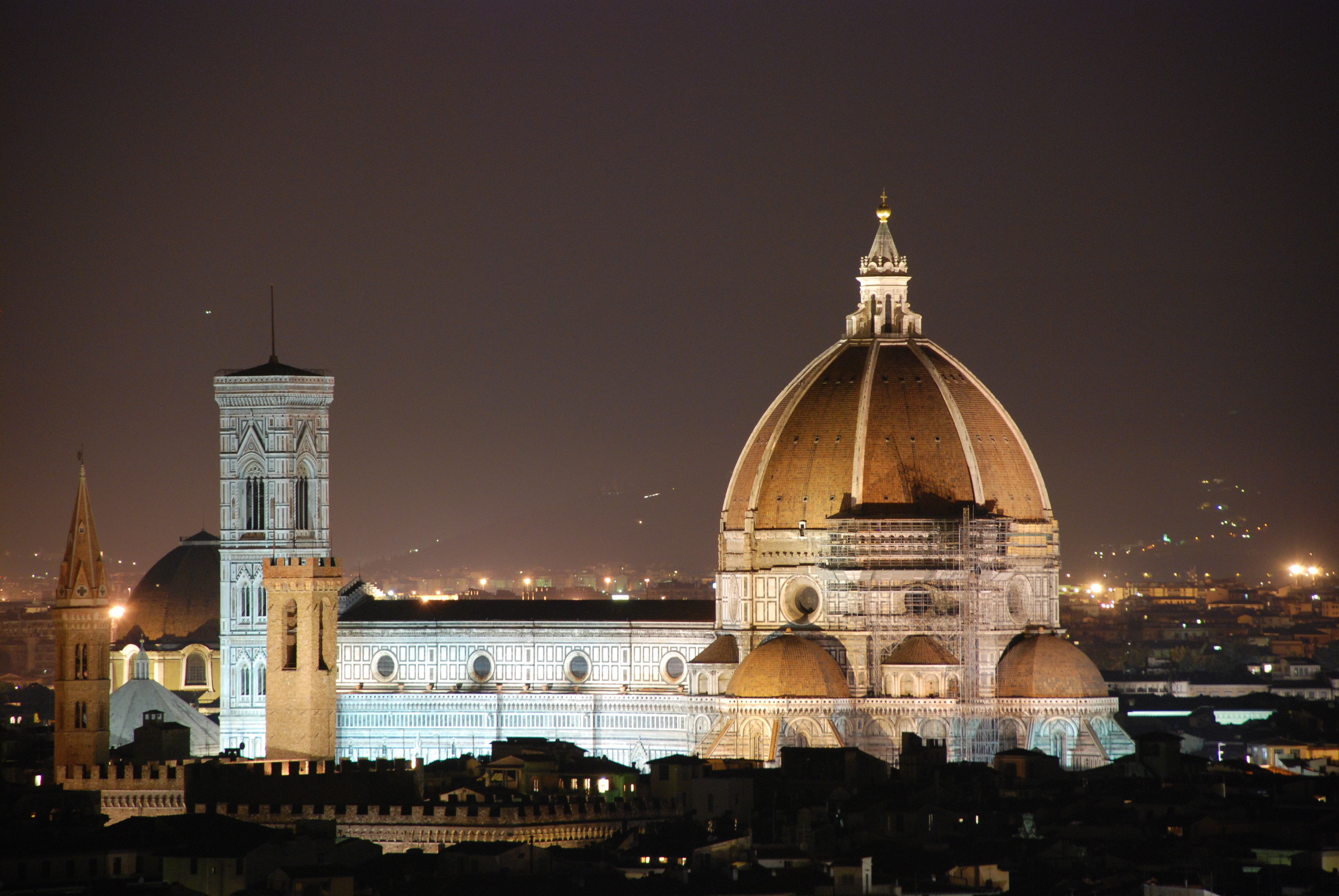
The cradle of the Renaissance in a walkable historic centre
Florence
Use Florence for Renaissance art and architecture in a compact centre built around the Duomo, the Uffizi and the Ponte Vecchio. Choose one museum or district to understand in depth rather than sampling all of them briefly.
Before you book
Major museums use timed entry and can sell out. A rushed single day compresses the Uffizi, the Duomo climb and the Oltrarno into an unworkable schedule.
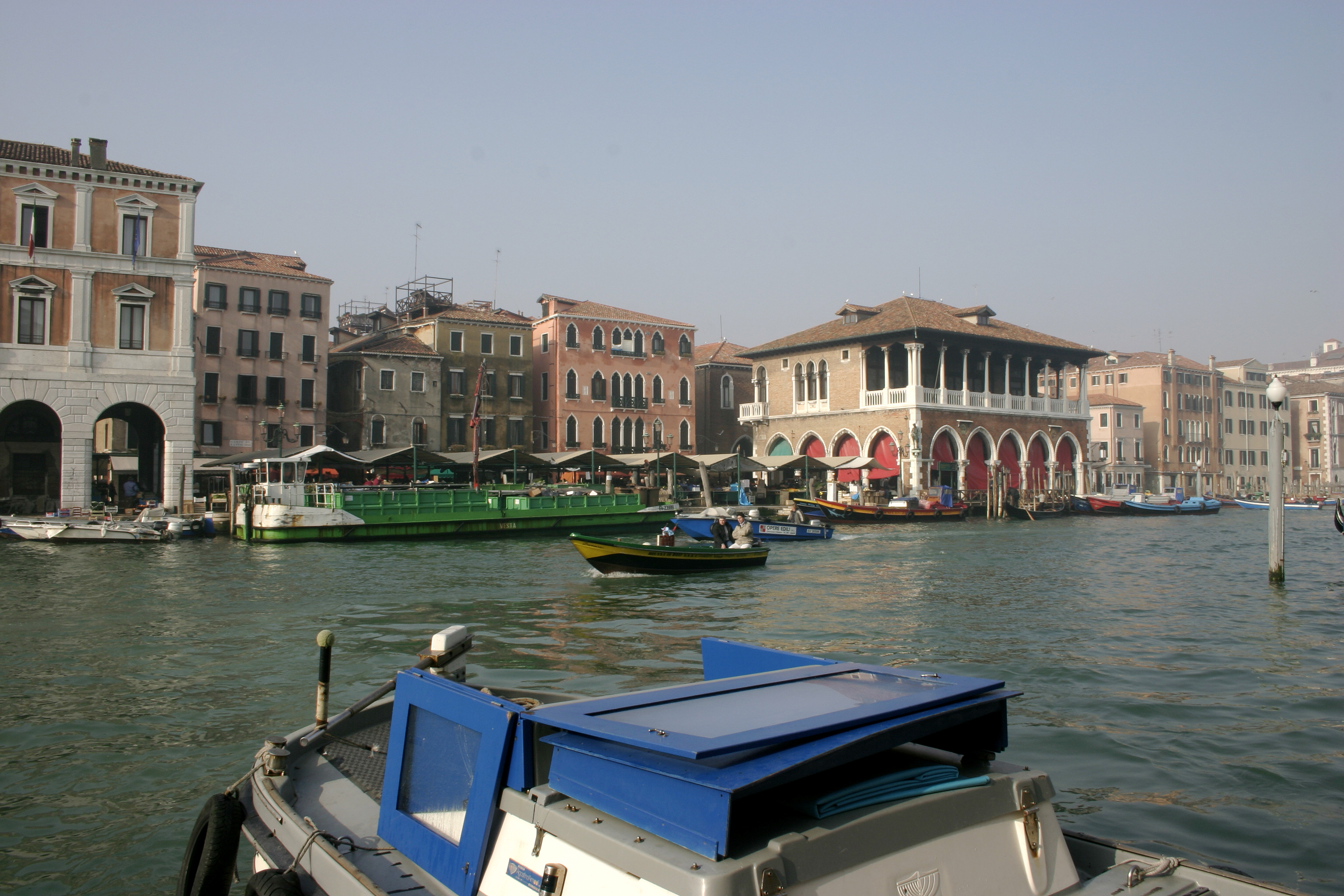
A lagoon city built on canals, with its own transport logic
Venice
Venice replaces streets with canals and bridges, so plan around Piazza San Marco, the Grand Canal and one quieter sestiere rather than assuming Rome-style walking distances.
Before you book
High tide can flood Piazza San Marco and the lowest parts of the city. Check current conditions and keep a backup indoor plan for the square.
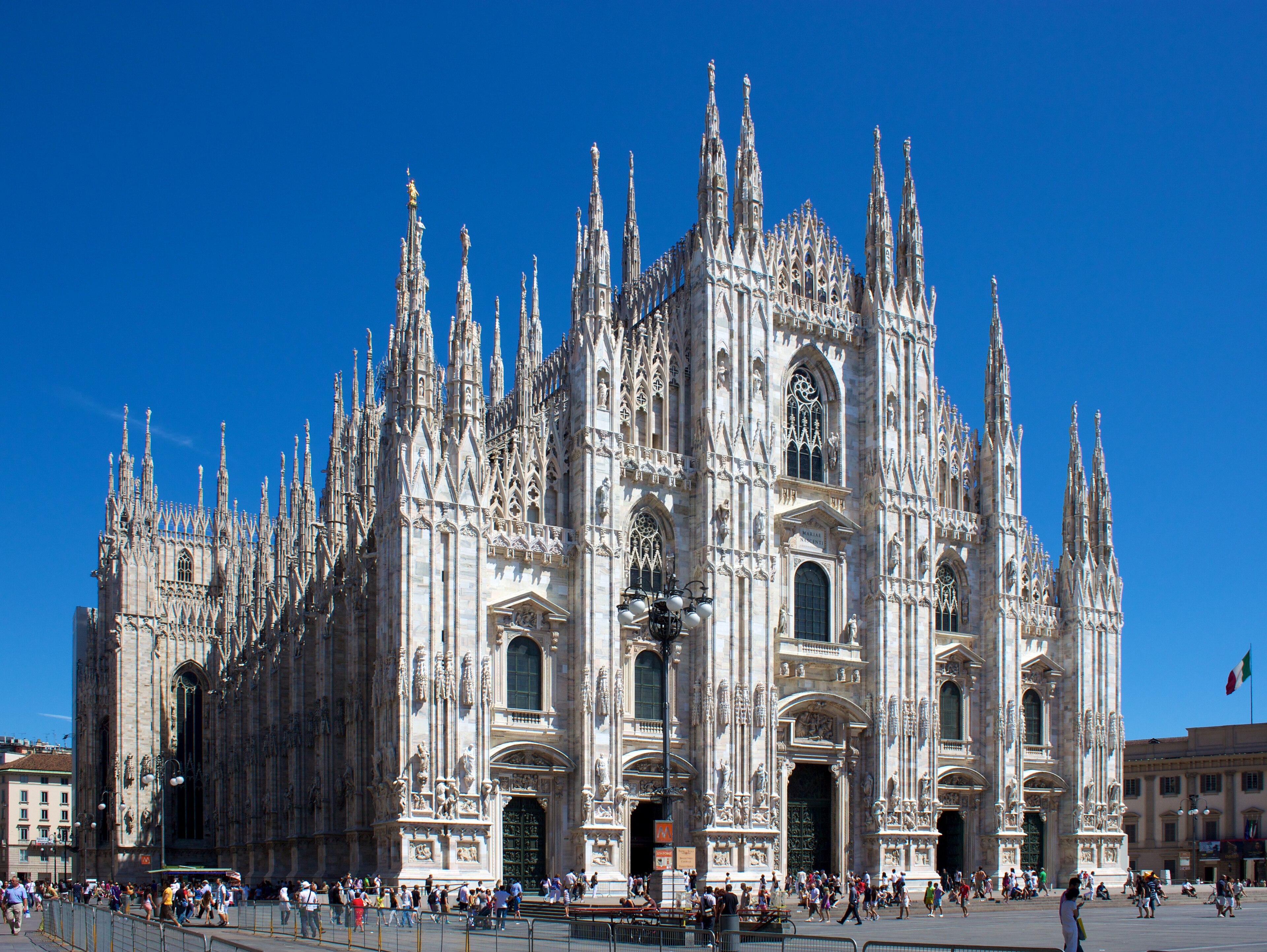
Italy's fashion, design and business capital, built around a six-century Gothic cathedral
Milan
Use Milan for the Duomo, whose construction began in 1386 under Gian Galeazzo Visconti and continued for six centuries, the Galleria Vittorio Emanuele II shopping arcade linking the cathedral to La Scala, Castello Sforzesco and Leonardo da Vinci's Last Supper at Santa Maria delle Grazie. Treat the city as a design-and-fashion base rather than a Rome-style ancient-history stop.
Before you book
Leonardo's Last Supper requires a timed reservation booked well ahead and admits only small groups for a fixed viewing window; arriving without one usually means missing it entirely.
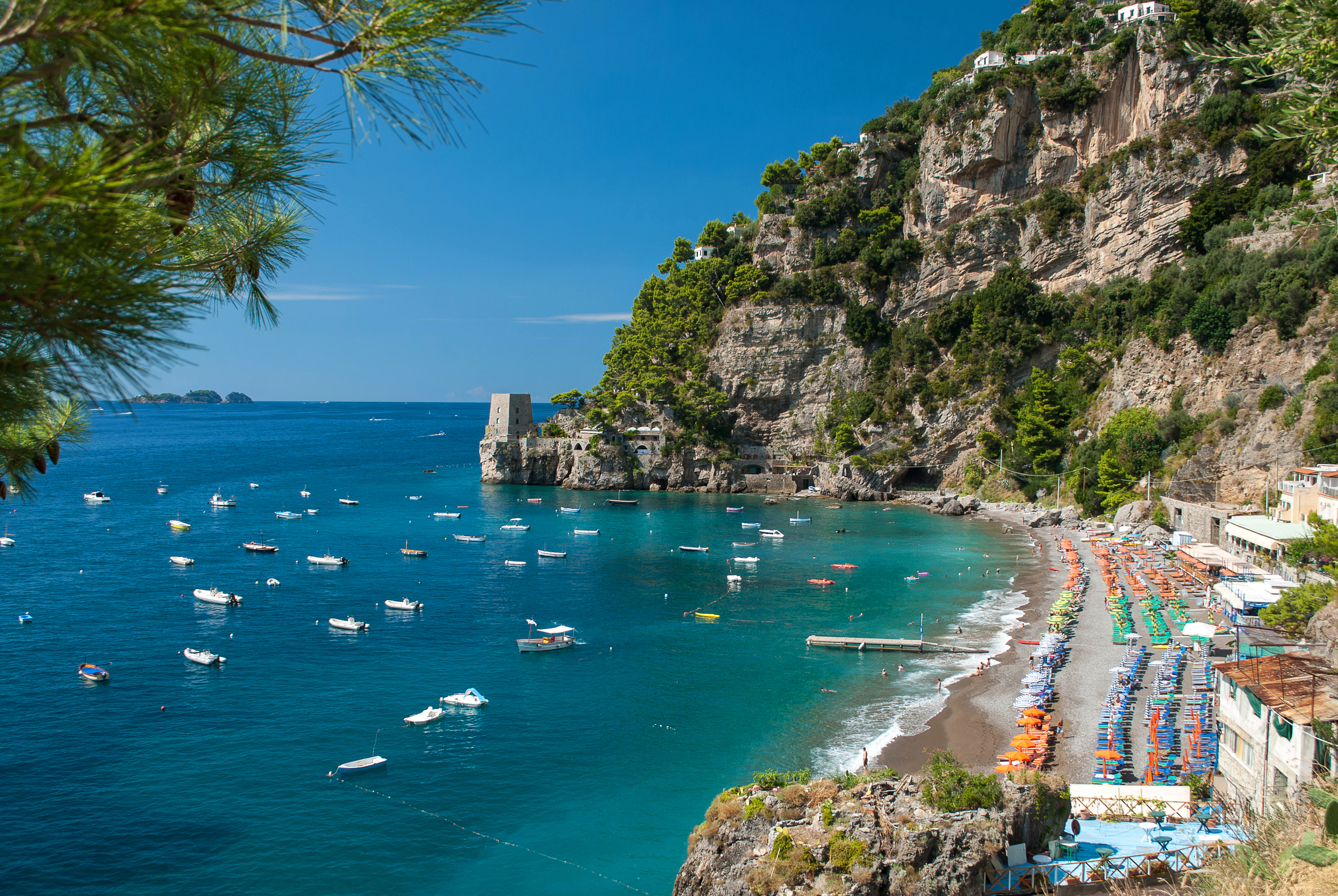
A UNESCO-listed cliffside coastline of Positano, Amalfi and Ravello
Amalfi Coast
The Amalfi Coast (Costiera Amalfitana) has been a UNESCO World Heritage Site since 1997, its municipalities strung along cliffs between Positano and Vietri sul Mare with terraced lemon groves, vineyards and olive trees. Base in one town, such as Positano, Amalfi or Ravello, rather than trying to see the whole coast in a single day.
Before you book
The coast road is narrow, winds along sheer cliffs and becomes heavily congested in summer; many visitors use the SITA bus or a ferry between towns instead of a rental car.
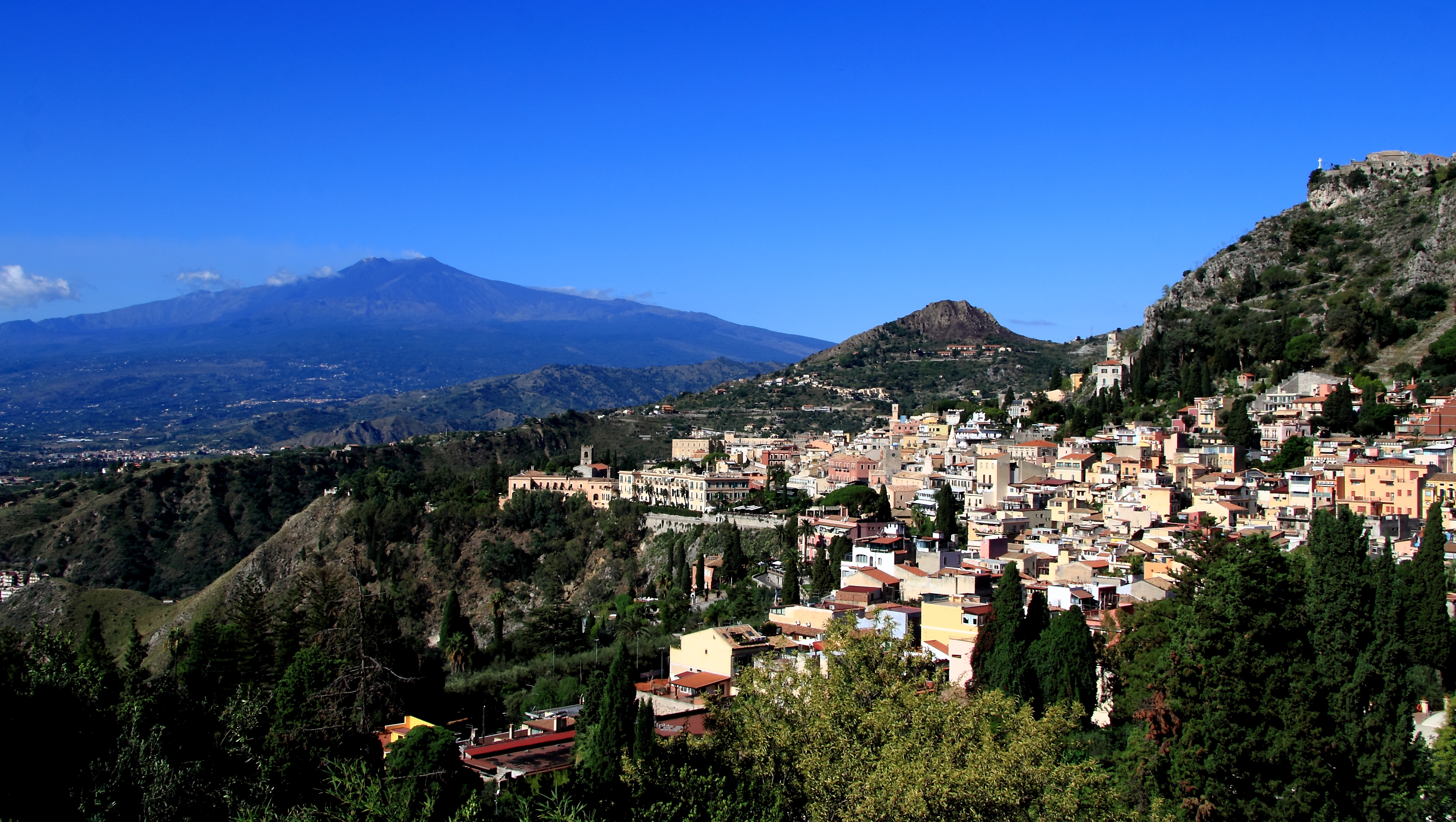
Layered Phoenician, Greek, Roman, Arab and Norman civilisations across Palermo, Taormina and Mount Etna
Sicily
Sicily combines Palermo's Arab-Norman-Baroque old city, Taormina's Greek Theatre above the Ionian Sea and Mount Etna, Europe's highest active volcano. Pick one coastal base and treat Etna as a separate excursion rather than a day-trip afterthought.
Before you book
Mount Etna is an active volcano and its summit zones can close on short notice for volcanic activity or weather; confirm the current access level with a licensed guide before booking a crater excursion.
Explore Italy Before You Book
Take a virtual drive or walk, then find tours and tickets for the places you like.
Country profile
Italy country profile
Italy splits into several distinct trips
Rome, Florence, Venice and the rest of the peninsula offer different histories, art periods and transport shapes, from a walking city to a canal city. Pick compatible cities before counting stops.
Sources →Visitor volume is context, not a verdict
Italy recorded an all-time-high 87.9 million visitor arrivals through 2025, and national tourism monitoring forecast 27 million summer 2025 tourists alone, with Rome Fiumicino the country’s busiest airport. That scale supports deep visitor infrastructure but does not rank one city or product for every traveller.
Sources →Rome and Florence justify independent stays
Rome’s ancient-to-Baroque layers and Florence’s concentrated Renaissance core are different trip shapes. Treat the intercity train as a moving day and give each city its own full sightseeing days.
Sources →Venice changes the transport logic
Venice is an archipelago of some 118 islands linked by more than 400 bridges, with canals in place of streets. It adds a genuinely different way of moving compared with Rome or Florence, not just another old-town add-on.
Sources →Milan adds a design-and-business counterpoint
Milan pairs the centuries-old Duomo with a fashion, design and business identity built around the Galleria Vittorio Emanuele II, La Scala and the Quadrilatero della Moda. It is a different kind of Italian city break from Rome's ancient layers or Florence's Renaissance core.
Sources →The south needs its own coastal or island detour
The Amalfi Coast's UNESCO-listed cliffside towns and Sicily's Greek, Norman and volcanic landscape sit outside the Rome-Florence-Venice corridor entirely, each needing its own transfer and base rather than a bolt-on day trip.
Sources →High-speed rail sets the shape of a route
Trenitalia’s Frecciarossa trains run at up to 300 km/h and the operator states Rome–Florence in just over 1.5 hours, Rome–Naples in just over 1 hour, Milan–Rome in 2 hours 50 minutes and Rome–Venice in under 4 hours. A moving day between two of the Big Three is therefore a half-day commitment, not a lost day, which is why the routes below move by train rather than by internal flight.
Sources →Capped and timed entry is now standard at Italy’s headline sites
Pompeii admits a maximum of 20,000 visitors a day on nominative tickets with time slots (9:00–13:00 and 13:00–17:30 from 16 March to 14 October) and closes on 1 January and 25 December. Milan’s Last Supper allows 15-minute visits for at most 40 people, requires a reservation and releases tickets roughly every three months. The Uffizi opens Tuesday to Sunday 8:15–18:30 and closes on Mondays. Book these before fixing hotel nights around them.
Sources →Trip plans
Italy · Trip plans
These are our suggested routes, with travel days included. Choose the pace that suits you; none promises to cover the entire country.
7 days: Rome and Florence
A two-city first trip with four nights in Rome, two in Florence and one protected departure day.
- Days 1–4 · Base: Rome (4 nights). Separate ancient Rome, the Vatican and the Baroque historic centre into distinct days, then keep one flexible day to return to the layer you want to see more slowly.
- Day 5 · Moving day: Rome to Florence by Frecciarossa, just over 1.5 hours station to station. Overnight in Florence; add only a short evening walk near the accommodation.
- Day 6 · Base: Florence (2 nights including the moving night). Give the Duomo and the Uffizi (closed Mondays) the morning and the Ponte Vecchio, the Oltrarno and the Boboli Gardens the afternoon.
- Day 7 · Depart from Florence, or return to Rome Fiumicino by train. Leave room for the station or the airport instead of attaching a distant day trip.
The trade-off
The route omits Venice. Adding a third base would turn a compact week into repeated arrivals and departures.
What Rome costs: One Day in Rome: Can You Do It for €60? → · Rome in 3 Days for €200? →
What Florence costs: One Day in Florence: €45 or Less? → · Florence in 3 Days for €250? →
This collection covers Rome activities only. It does not book the train, the Florence stay, flights or the complete seven-day route.
Explore Rome activities from ≈ US$90Sources
- www.italia.it · 1
- www.italia.it · 2
- www.trenitalia.com · 3
- The booking platform · 4
14 days: Rome, Florence and Venice
A three-base route through Italy’s traditional “Big Three”, with enough nights in each city to avoid a rushed pace.
- Days 1–5 · Base: Rome (5 nights). Reserve one Vatican morning, then separate ancient Rome and the Baroque centre into their own days and keep one day for Trastevere or a market.
- Day 6 · Moving day: Rome to Florence by high-speed train. Overnight in Florence and treat the transfer as the day’s only commitment.
- Days 7–9 · Base: Florence (4 nights including the moving night). Balance museum depth with the Oltrarno and one slower neighbourhood day.
- Day 10 · Moving day: Florence to Venice by train. Overnight in Venice; plan the transfer and the arrival by water as their own commitment.
- Days 11–13 · Base: Venice (4 nights including the moving night). Anchor one day around Piazza San Marco and the Grand Canal, then use the rest for a quieter sestiere away from the crowds.
- Day 14 · Depart from Venice. Choose the departure city before buying the route so the final day does not require an unprotected connection.
The trade-off
Three bases create strong contrast but two hotel changes. Drop Venice if slow evenings matter more than covering all three cities.
What Rome costs: One Day in Rome: Can You Do It for €60? → · Rome in 3 Days for €200? →
What Florence costs: One Day in Florence: €45 or Less? → · Florence in 3 Days for €250? →
What Venice costs: One Day in Venice: €80 or Less? → · Venice in 3 Days for €200? →
This collection covers Florence activities only. The intercity route, accommodation and other cities remain separate decisions.
Explore Florence activities from ≈ US$30Sources
- www.italia.it · 1
- www.italia.it · 2
- www.italia.it · 3
- www.trenitalia.com · 4
- The booking platform · 5
21 days: Rome, the Bay of Naples, Florence and Venice
A four-base version of the classic route that adds the south by train before heading north, with every hotel change on its own moving day.
- Days 1–5 · Base: Rome (5 nights). Use the extra nights for the Galleria Borghese, the Appia Antica park and one day trip to Ostia Antica or Tivoli.
- Day 6 · Moving day: Rome to Naples by Frecciarossa, just over 1 hour. Overnight in Naples or on the Amalfi Coast; do not plan a timed entry the same afternoon.
- Days 7–9 · Base: Naples or the Amalfi Coast (4 nights including the moving night). Give Pompeii a full day on a nominative, time-slotted ticket, then use the ferry or the SITA bus for one coast day.
- Day 10 · Moving day: Naples to Florence by train via Rome. Overnight in Florence and keep the evening unplanned.
- Days 11–14 · Base: Florence (5 nights including the moving night). Add a Tuscany day only if it replaces a Florence day rather than extending a full one.
- Day 15 · Moving day: Florence to Venice by train. Overnight in Venice.
- Days 16–20 · Base: Venice (6 nights including the moving night). Extend the lagoon stay, or return extra nights to an earlier city you want to see more slowly.
- Day 21 · Depart from Venice. Keep the final travel day clear of a timed-entry booking.
The trade-off
Four bases mean three moving days and three hotel changes. Drop the Bay of Naples leg and give its nights to Rome and Florence if you prefer fewer transfers over seeing the south.
What Rome costs: One Day in Rome: Can You Do It for €60? → · Rome in 3 Days for €200? →
What Florence costs: One Day in Florence: €45 or Less? → · Florence in 3 Days for €250? →
What Venice costs: One Day in Venice: €80 or Less? → · Venice in 3 Days for €200? →
This collection covers Venice activities only. It does not combine the mainland route, intercity transport, hotels or flights.
Explore Venice activities from ≈ US$140Sources
Visitor perspectives
How to turn Italy’s visitor scale into a workable route
These planning conclusions combine official destination facts, national survey data with its period stated, and a current review of bookable inventory. They are not customer reviews and do not rank places by affiliate commission.
High demand means more formats to compare
Italy’s record 2025 arrivals create many products with similar headlines. Compare the named entrance, interpretation, meeting point and transport rather than picking the listing with the most bookings.
Sources →Timed sites should organise the day
In Rome and Florence, the fixed admission window often matters more than the length of the attraction list. Build nearby streets and meals around that commitment.
A coherent route beats maximum coverage
For a first visit, two or three well-separated cities usually produce more usable time than a longer chain of one-night stops.
Sources →2025 was a Jubilee year, so treat it as an outlier
The Bank of Italy’s international tourism survey for 2025, published 26 June 2026, found foreign travellers’ spending in Italy up 4.6% in nominal terms (3.1% real), with nearly two-thirds of that growth attributed to visitors who came for the Jubilee. Crowd impressions from 2025 reports therefore overstate a normal year, especially in Rome.
Sources →Go deeper with a city guide
Explore the places, neighbourhoods and practical choices behind the activities.
Rome: One Day in Rome: Can You Do It for €60? → · Rome in 3 Days for €200? →
Florence: One Day in Florence: €45 or Less? → · Florence in 3 Days for €250? →
Milan: One Day in Milan: Free, Mid or Splurge →
Venice: One Day in Venice: €80 or Less? → · Venice in 3 Days for €200? →
Planning Italy activities: FAQs
How many Italian cities should I combine in one week?
Two, and Rome with Florence is the natural pair: both sit on the same high-speed line, so the week needs a single moving day. Ancient and Baroque Rome against Renaissance Florence gives the contrast without a transfer every second day.
Should I add Venice to a first Italy trip?
Yes when the schedule allows at least three nights. Venice’s canal-built layout needs its own pace; treat it as a base, not a rushed add-on.
Is Venice a realistic day trip from Rome?
No. Rome–Venice takes under 4 hours each way by train, and Venice’s canal-and-bridge transport logic needs its own pace. Give it its own stay.
Where does Florence fit in a first Italy route?
Florence fits as the Renaissance counterpart to Rome’s ancient and Baroque layers. It can replace a third city rather than being appended automatically.
Which direction should a Rome–Florence–Venice route run?
Either, as long as it runs in one direction. The three cities sit on a single high-speed line, so Rome to Florence to Venice, or the reverse, keeps every moving day short; fly into one end and out of the other rather than returning to your arrival city. Milan attaches to the Venice end, Naples and the Amalfi Coast to the Rome end.
Does this guide include current entry rules?
No. Entry requirements depend on nationality, date and trip purpose, and Vatican City has its own rules separate from Italy. Check the appropriate authority before travel.
Sources & planning approach
Research by Mubboo Flights. Sources checked 2026-09-12. Recommendations are editorial judgements based on the cited sources below.
Photo credits
- The Colosseum in Rome seen from outside its ancient arena walls at golden hour — Diliff (David Iliff); CC BY-SA 2.5.
- Florence's Duomo and Brunelleschi's dome seen at night from Piazzale Michelangelo — MarcusObal; CC BY-SA 3.0.
- Gondolas and palazzi along Venice's Grand Canal — Nino Barbieri; CC BY-SA 2.5.
- Milan Cathedral, the Duomo, seen from Piazza del Duomo — Jiuguang Wang; CC BY-SA 3.0.
- Positano's cliffside houses above Fornillo Beach on Italy's Amalfi Coast — Mihael Grmek; CC BY-SA 4.0.
- Mount Etna and the town of Taormina seen from the ancient Greek theatre, Sicily — John Menard; CC BY-SA 2.0.
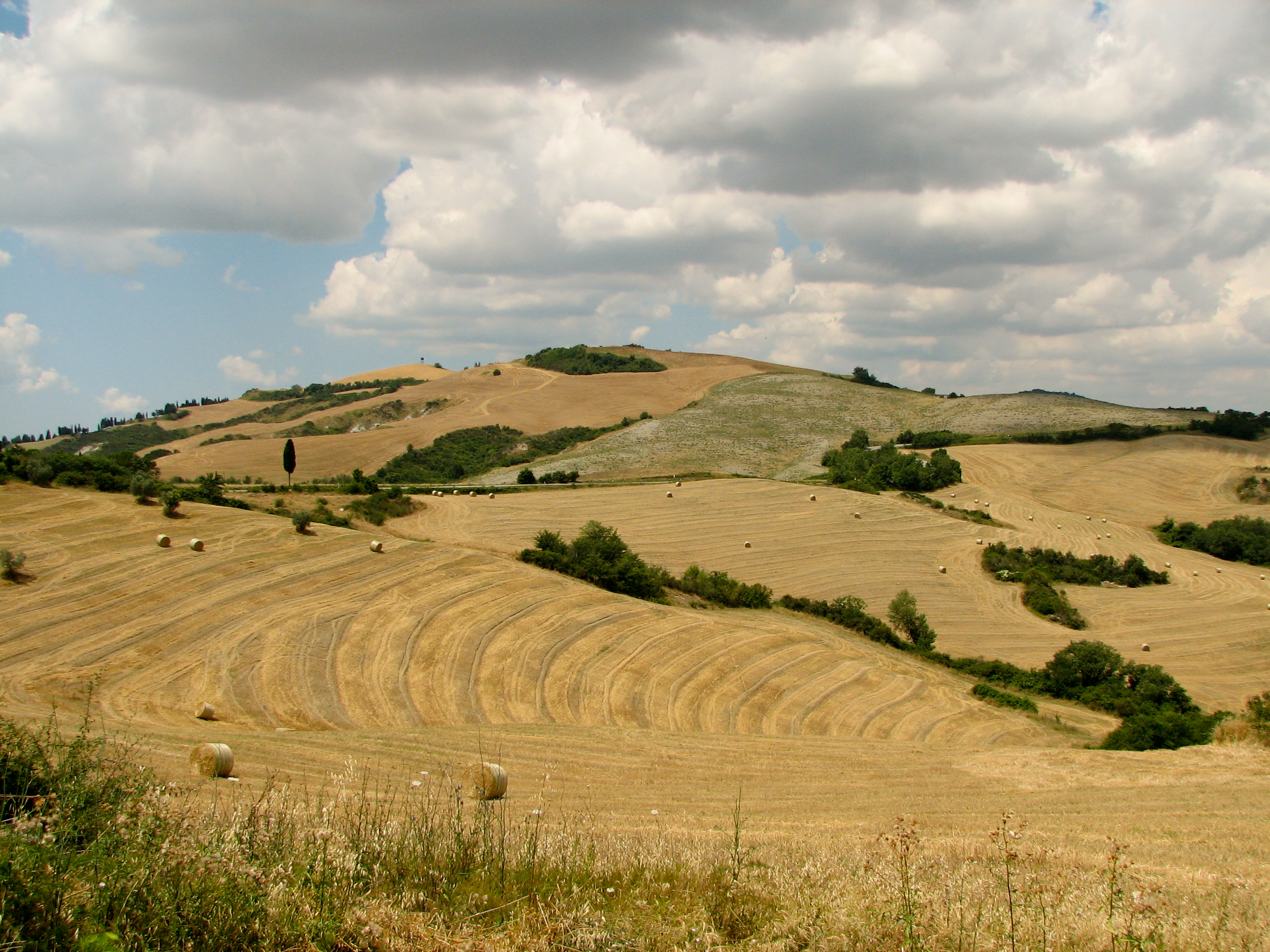
- Cypress-lined Tuscan countryside near Siena — Norbert Nagel; CC BY-SA 3.0.
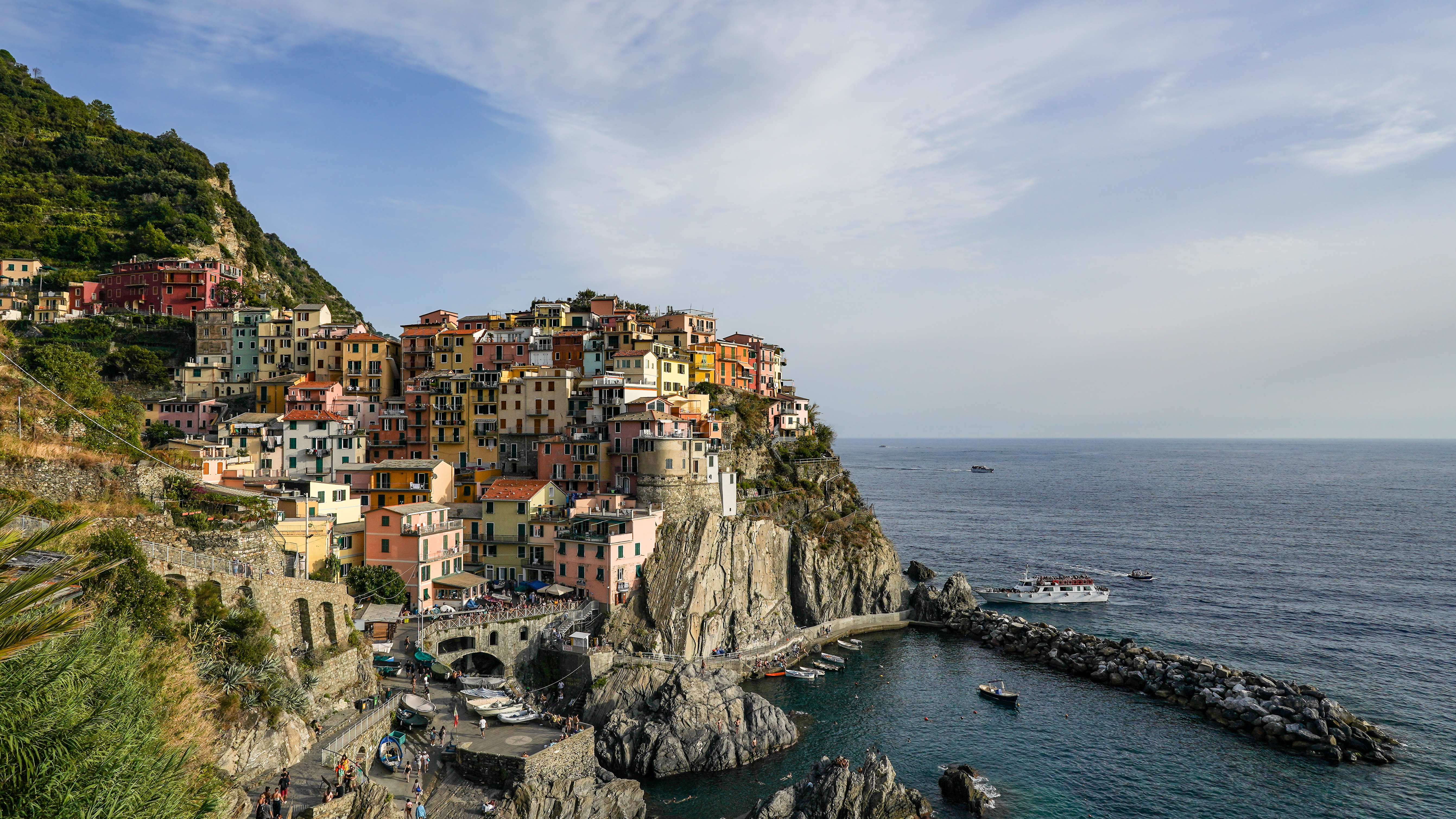
- Manarola's harbour and pastel houses in the Cinque Terre, Liguria — Timothy A. Gonsalves; CC BY-SA 4.0.
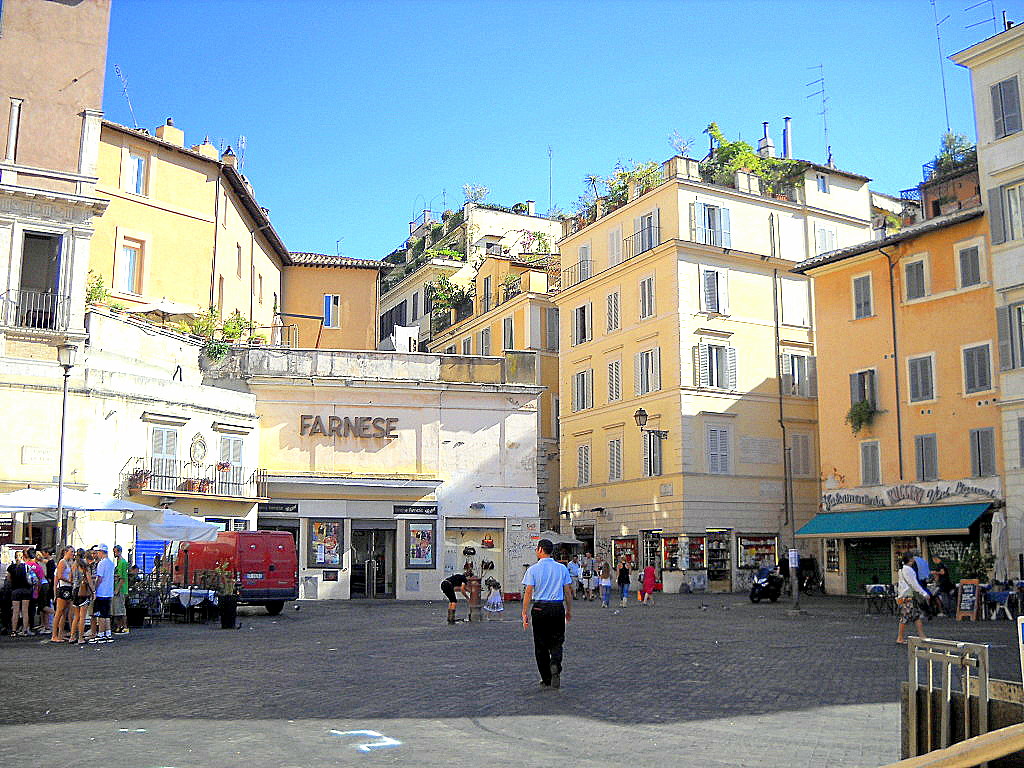
- Campo de' Fiori market square in Rome — Gobbler; CC BY-SA 3.0.


Commercial selection from Viator. Featured order comes from the provider and may reflect commercial factors. Mubboo may earn a commission through these links. Prices and availability can change; confirm details on Viator before booking.