
Ho Chi Minh City travel guide
Ho Chi Minh City
Ho Chi Minh City is built around District 1’s French colonial-era core on the Saigon River, where Notre-Dame Cathedral Basilica, the Central Post Office and Ben Thanh Market sit a short walk from Independence Palace and the War Remnants Museum. Cu Chi Tunnels and the Mekong Delta are each a separate half- or full-day trip outside the city, not an extension of it.
Most first visits centre on District 1’s colonial landmarks, the War Remnants Museum and Ben Thanh Market, plus one day trip to either Cu Chi Tunnels or the Mekong Delta. A longer stay adds Cho Lon’s Chinatown, Thao Dien’s riverside cafes, and a proper look at both the city’s French colonial and wartime history, each worth its own time rather than squeezed into a single day.

Find your Ho Chi Minh City experience
Explore Ho Chi Minh City Before You Book
Take a virtual drive or walk, then find tours and tickets for the places you like.

Activities
Featured activities in Ho Chi Minh City


Prices at a glance
What we sell today and what recent flight searches found. No hotel prices; nothing here is a trip total.
- Tours and tickets in Ho Chi Minh Cityfrom US$27.00
Live from Viator when this page loaded · per adult · changes by date.
Top experiences
Top experiences in Ho Chi Minh City
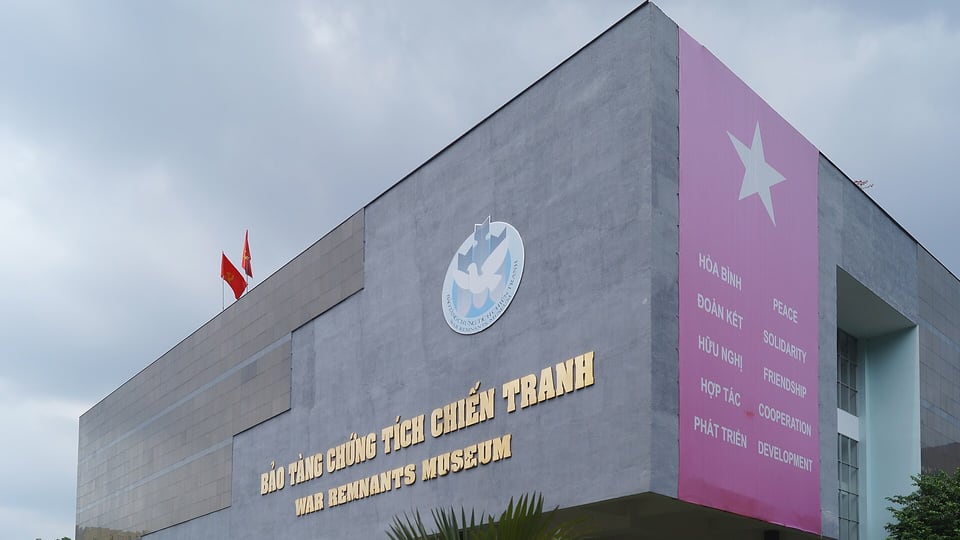
War Remnants Museum
Opened 4 September 1975 and carrying its current name since 1995, the museum documents the Vietnam War from the Vietnamese perspective through primary-source exhibits: Agent Orange photography, a recreated "tiger cage" cell, and captured military hardware.
Best for: Travellers wanting the war’s documented history told plainly, with real primary sources · Area: District 3, 28 Võ Văn Tần Street
Plan for The exhibits are graphic and presented with minimal softening; this is a serious visit, not a quick photo stop.
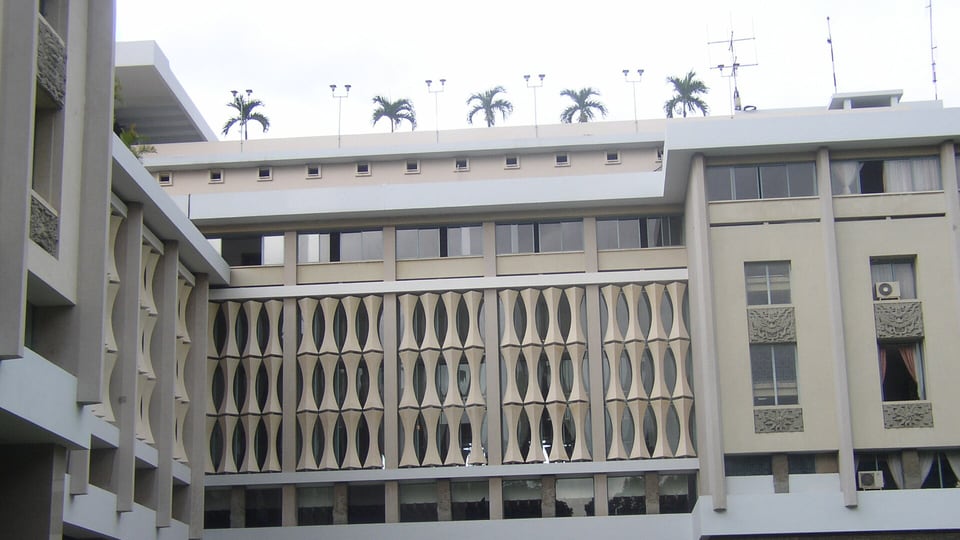
Independence Palace (Reunification Palace)
Rebuilt 1962-1966 by architect Ngô Viết Thụ, the palace is the exact site where a North Vietnamese tank crashed through the gate at 10:45am on 30 April 1975, ending the Vietnam War.
Best for: Travellers wanting the precise site and moment the war ended · Area: District 1
Plan for The building now doubles as a convention hall for state events, so gallery access can vary by day.
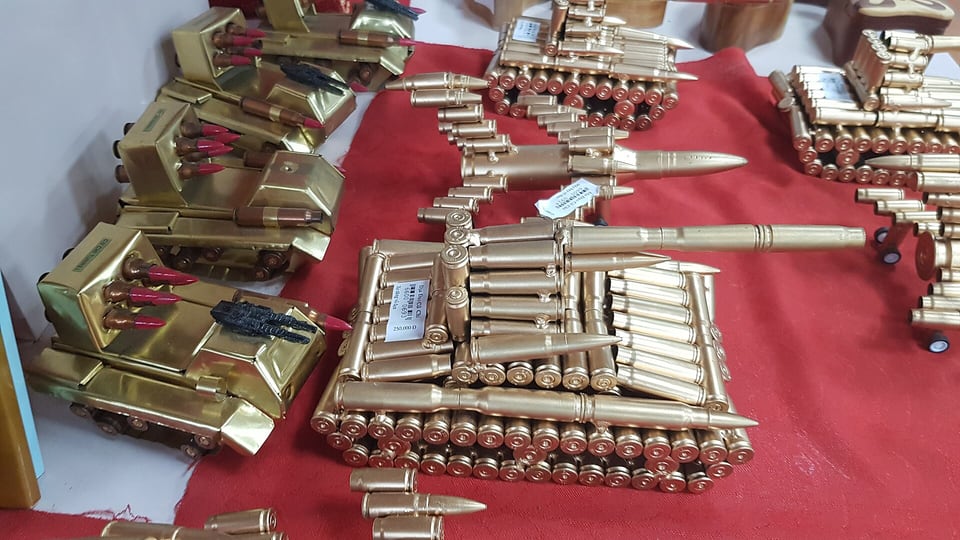
Củ Chi Tunnels
The roughly 121km tunnel network has two visitable sections: Bến Đình, closer to the city with tunnels enlarged for tourists, and Bến Dược, which preserves part of the original, narrower system.
Best for: Travellers wanting a real, physical sense of the tunnels’ wartime role · Area: Củ Chi district, roughly 40-70km / 1.5-2 hours northwest of central Ho Chi Minh City
Plan for Bến Đình’s enlarged tunnels suit larger visitors better but are less representative of the original scale than Bến Dược.
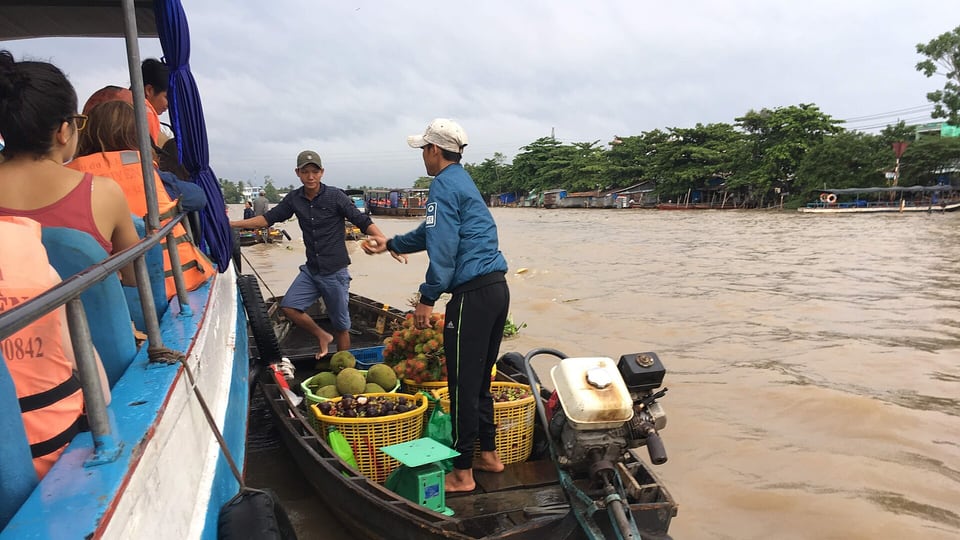
Mekong Delta day trip: Mỹ Tho, Bến Tre or Cái Răng
A standard day trip covers Mỹ Tho, about 70km south, and Bến Tre’s coconut-lined canals by sampan. Cái Răng floating market near Cần Thơ only fully operates roughly 5:00-8:30am, so seeing it running needs an overnight stay.
Best for: Travellers wanting real delta towns and canal life, not a generic river cruise · Area: Tiền Giang, Bến Tre and Cần Thơ provinces, 70km+ south of the city
Plan for A single day trip cannot realistically include Cái Răng in full operation; that needs a second day and a Cần Thơ overnight.
See Mekong Delta day trip: Mỹ Tho, Bến Tre or Cái Răng tours
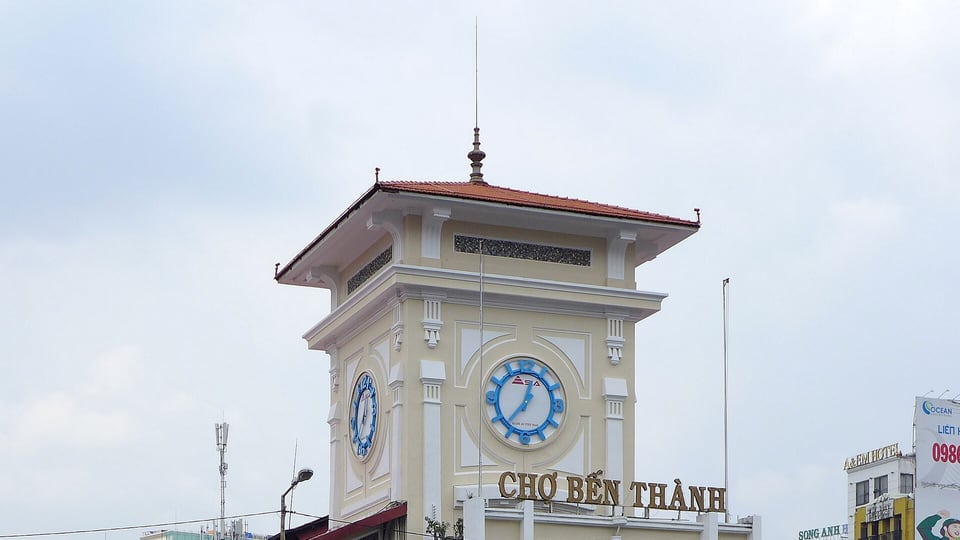
Ben Thanh Market
The market’s current clock-tower building was constructed 1912-1914 on a site trading since the early 1600s. Its four gates each specialize: textiles and shoes to the south, fresh produce to the north, dry goods to the east, arts and ceramics to the west.
Best for: Travellers wanting District 1’s central historic market for food, textiles and souvenirs · Area: District 1, at Lê Lợi, Lê Thánh Tôn, Phan Bội Châu and Phan Châu Trinh
Plan for The market is a working, sometimes crowded commercial space with common tourist-price haggling, not a curated retail experience.
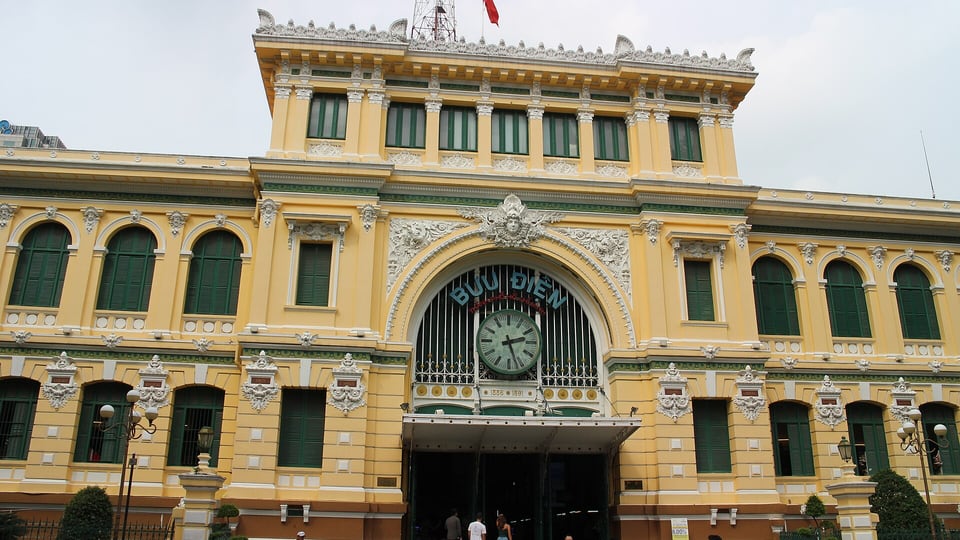
Notre-Dame Cathedral Basilica and the Central Post Office
Built 1877-1880 with Toulouse brick, Marseille roof tiles and Chartres stained glass, the cathedral stands across a shared square from the Central Post Office, completed 1891 by Architect-in-Chief Alfred Foulhoux, not Gustave Eiffel despite a persistent local myth.
Best for: Travellers interested in the city’s French colonial architecture, told accurately · Area: District 1, Paris Square
Plan for The cathedral has been under renovation since 2017, so some exterior views may be partly obstructed.
See Notre-Dame Cathedral Basilica and the Central Post Office tours
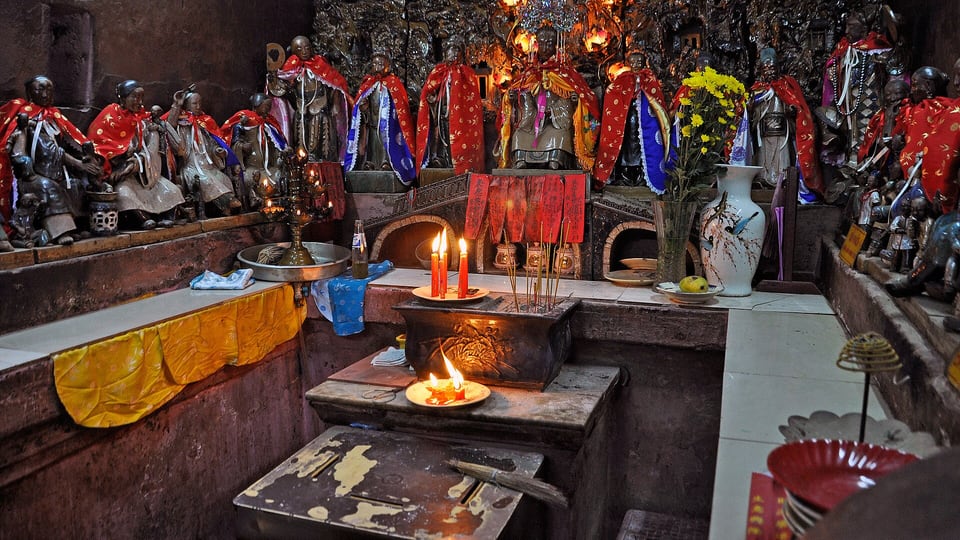
Jade Emperor Pagoda
Built in 1909 by Cantonese merchant Lưu Minh and officially renamed Phước Hải Tự in 1984, the pagoda blends Taoist, Buddhist and Confucian imagery inside a working temple that US President Barack Obama visited on 22 May 2016.
Best for: Travellers wanting a working temple away from the main tourist strip · Area: District 1 (Da Kao), 73 Mai Thị Lựu Street
Plan for It is a small, active place of worship, not a large tourist complex, so a quiet, respectful visit fits better than a rushed one.
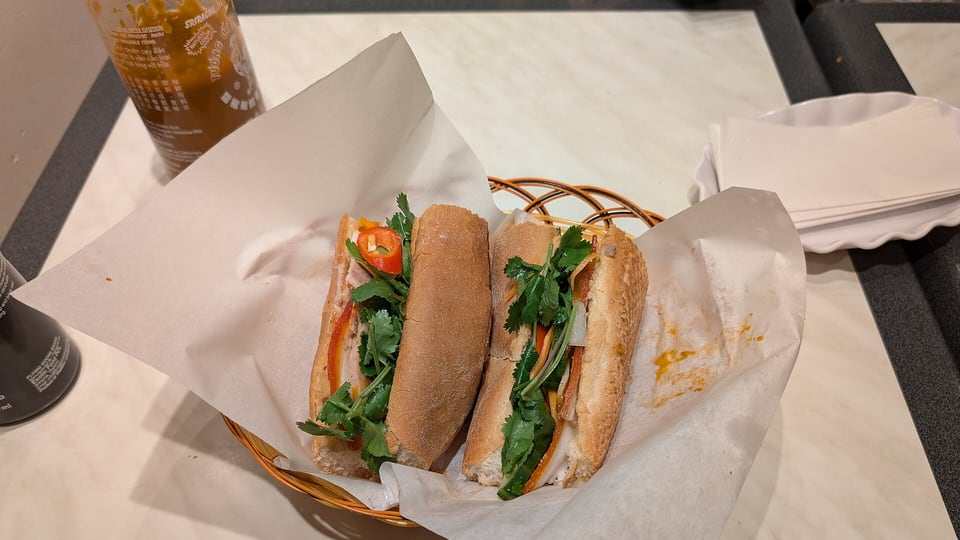
Cơm tấm, bánh mì and hủ tiếu: the city’s own street food
Cơm tấm rose from a cheap broken-rice farmers’ lunch to a layered Saigon specialty by the mid-20th century, bánh mì reworked the French baguette with rice flour and local fillings, and hủ tiếu’s Nam Vang style reflects the city’s Southern-Vietnamese influences.
Best for: Travellers wanting dishes actually rooted in Saigon rather than a generic "Vietnamese food" label · Area: Citywide, concentrated around District 1 and District 3 street stalls
Plan for Street-stall food quality and hygiene standards vary by vendor, so a guided food tour trades some spontaneity for vetted stops.
See Cơm tấm, bánh mì and hủ tiếu: the city’s own street food tours
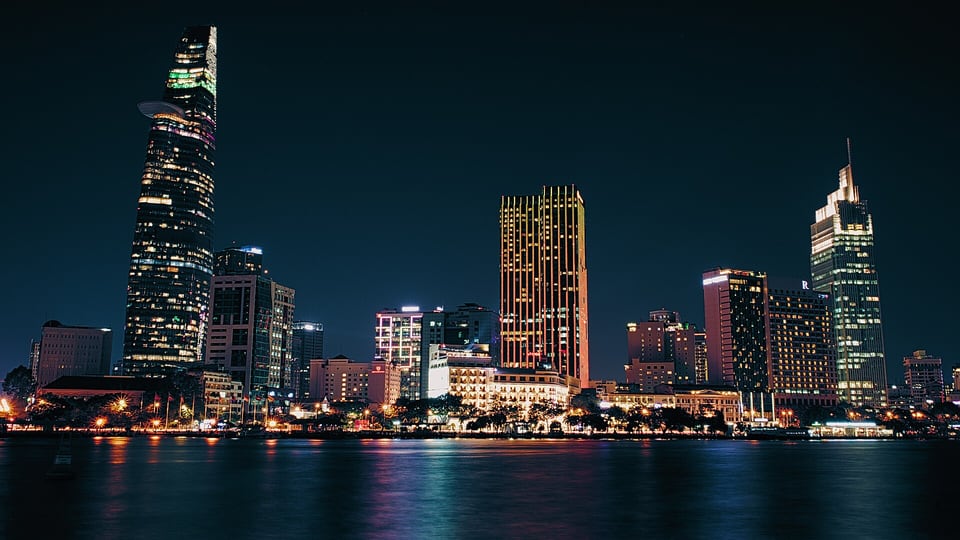
District 1 skyline from Bitexco Financial Tower or Landmark 81
Bitexco Financial Tower (262.5m, completed 2010, Saigon Skydeck open since January 2011) and Landmark 81 (270m, completed April 2018, now the city’s tallest building) both offer elevated views over the Saigon River.
Best for: Travellers wanting an elevated view over the river and District 1’s colonial-era grid · Area: District 1 (Bitexco) or Bình Thạnh across the river (Landmark 81)
Plan for Landmark 81’s SkyView is higher and newer; Bitexco’s Saigon Skydeck sits more centrally in District 1 itself.
See District 1 skyline from Bitexco Financial Tower or Landmark 81 tours
Plan three, five or seven days in Ho Chi Minh City
Three to four days: District 1 and the War Remnants Museum
Pick this length when District 1’s colonial landmarks, Independence Palace and the War Remnants Museum are the goal, all within a compact, mostly walkable core.
Notre-Dame Cathedral Basilica, the Central Post Office, Ben Thanh Market, Independence Palace and the War Remnants Museum sit close enough together to cover without a long drive each day.
The trade-off A three-to-four-day trip has to skip both Củ Chi Tunnels and the Mekong Delta, so this length suits a District 1-focused visit.
Five to six days: add Củ Chi Tunnels or the Mekong Delta
Pick this length once a real full-day Củ Chi Tunnels trip or a Mekong Delta day trip matters enough to justify an extra day outside the city.
Củ Chi Tunnels and the Mekong Delta each need their own dedicated day rather than being squeezed into a District 1 itinerary.
The trade-off Adding one of the two leaves less time for Cho Lon or Thao Dien on this length, since fitting both needs the longer stay below.
A week or more: unhurried, with Cho Lon and Thao Dien
Pick this length to spread District 1, Củ Chi Tunnels, the Mekong Delta, Chợ Lớn’s Chinatown and Thảo Điền’s riverside cafes across genuinely unhurried days.
A week or more absorbs the real travel time the Củ Chi and Mekong trips take without forcing a rushed final morning or a skipped major site.
The trade-off This length costs more overall time, but it is the only one that comfortably fits both day trips alongside District 1, Chợ Lớn and Thảo Điền.
Sources
checked 2026-09-24. Recommendations are editorial judgements based on the cited sources below.
Choose a Ho Chi Minh City base and explore nearby
District 1: a base for the shortest walk to everything historic
Consider this base when minimising travel time to Notre-Dame Cathedral Basilica, the Central Post Office and Independence Palace matters most.
District 1 puts nearly every colonial-era and wartime sight within a short walk or taxi ride, at the cost of the city’s heaviest tourist traffic.
The trade-off District 1 sacrifices a quiet setting in exchange for keeping almost every major sight within reach, a reasonable exchange on a short first visit.
Chợ Lớn: a base for the city’s Chinese-Vietnamese heritage
Consider Chợ Lớn for direct access to Bình Tây Market and Thiên Hậu Temple, and a genuinely different, less tourist-oriented daily rhythm than District 1.
This historic Chinatown trades District 1’s tourist convenience for a real working district with its own centuries-old heritage.
The trade-off Chợ Lớn has far fewer English-language tourist services than District 1, a reasonable trade for travellers prioritising this heritage.
Thảo Điền: a base for a quieter, greener riverside stay
Consider Thảo Điền when leafy streets, international dining and a slower pace matter more than walking distance to District 1.
Thảo Điền’s riverside setting and international schools suit a slower, less commercial stay than the historic core.
The trade-off Basing in Thảo Điền means a taxi or ride-hail into District 1 rather than a walk, a worthwhile trade for a quieter, greener stay.
Sources
checked 2026-09-24. Recommendations are editorial judgements based on the cited sources below.
Airport, safety and getting around
Tan Son Nhat International Airport (SGN), Vietnam’s busiest airport, sits about 7km / 15-20 minutes from central District 1 and is publicly owned and operated by Airports Corporation of Vietnam.
Traffic, not crime, is the most commonly cited real hazard for visitors. Ho Chi Minh City’s dense, near-continuous motorbike flow means the safest way to cross is to walk at a slow, steady, predictable pace and let riders steer around you, rather than stopping or jumping back, which breaks the flow the traffic is built on.
The UK Foreign, Commonwealth & Development Office advises that travelling by motorbike in Vietnam is much riskier than in the UK and that motorbike accidents have killed and injured British nationals. It recommends against hiring a motorbike without riding experience, using a proper helmet, and renting only from a reputable operator.
The FCDO also flags bag-snatching by thieves on motorcycles as common in crowded, tourist-visited areas, advising travellers to hold bags in front of them or on the side away from traffic. It recommends reputable metered taxi companies or app-based ride-hailing rather than unbranded street taxis.
Best time to visit
Winter (December-February)
December through February is Ho Chi Minh City’s coolest, driest stretch within its dry season, with lower humidity than the months that follow.
- Crowds
- Varies by event and attraction
Spring (March-April)
March through April is the hottest part of the dry season, with temperatures and humidity both building toward the May onset of the rainy season.
- Crowds
- Varies by event and attraction
Summer (May-August)
May through August opens the rainy season with heavy but typically short afternoon downpours, part of the roughly 1,800mm of rain the city receives annually between May and November.
- Crowds
- Varies by event and attraction
Autumn (September-November)
September through November keeps the rainy season’s downpours while temperatures ease slightly from mid-year highs, still inside the citywide 28°C annual average.
- Crowds
- Varies by event and attraction
Food, markets and local life
Cơm tấm, bánh mì and hủ tiếu are Ho Chi Minh City’s three most-cited street-food staples, each with a distinct, documented origin rather than an interchangeable "Vietnamese street food" label. Cơm tấm rose from a cheap farmers’ lunch of broken rice to a layered Saigon specialty by the mid-20th century, while bánh mì reworked the French baguette, introduced from 1859, with rice flour and local fillings.
Hủ tiếu’s popular Nam Vang style reflects the city’s Southern-Vietnamese and Khmer-Chinese influences. Phở, by contrast, is genuinely a Hanoi dish, first documented in northern Vietnam between 1900 and 1907; it is served everywhere here today, but travellers wanting the city’s own culinary identity should reach for cơm tấm, bánh mì or hủ tiếu instead.
City profile
- Population (City of Ho Chi Minh City, pre-1 July 2025 administrative boundaries (before the merger with Binh Duong and Ba Ria-Vung Tau provinces); Vietnam’s 1 April 2019 Population and Housing Census, 2019): 7,004,921
Before Vietnamese settlement, the area was Prey Nokor, a Khmer fishing settlement. Vietnamese administrative control began in 1698, when Nguyễn Hữu Cảnh, sent by the Nguyễn lords of Huế, established governing structures there under the name Gia Định.
France captured Saigon in 1859 and built it into French Cochinchina’s colonial capital. Notre-Dame Cathedral Basilica was built 1877-1880 with bricks from Toulouse and roof tiles from Marseille, and the Central Post Office, completed in 1891, was designed by colonial Architect-in-Chief Alfred Foulhoux, not Gustave Eiffel as local legend often claims.
The Vietnam War, called the American War in Vietnam, ended on 30 April 1975 when a North Vietnamese army tank crashed through the gate of the Presidential Palace in Saigon at 10:45am, four days after South Vietnamese President Nguyễn Văn Thiệu had fled the city.
Vietnam’s National Assembly voted on 2 July 1976 to rename Saigon-Gia Dinh as Ho Chi Minh City. The name Saigon remains in everyday use today, including in the airport code SGN and on landmark names like the Saigon Central Post Office.
On 1 July 2025, Ho Chi Minh City administratively merged with Binh Duong and Ba Ria-Vung Tau provinces into an expanded, centrally governed city of roughly 13.7 million people. The tourist core described on this page is the pre-merger city centred on District 1, not the wider merged administrative area.
Famous for:
- The War Remnants Museum opened on 4 September 1975 and has carried its current name since 1995. It documents the First Indochina War and the Vietnam War from the Vietnamese perspective and draws about 500,000 visitors a year, roughly two-thirds of them international.
- The Củ Chi tunnel network, roughly 121km long, served as hiding spots, communication and supply routes, hospitals and living quarters during the Vietnam War. Two preserved sections, Bến Đình and Bến Dược, are open to visitors today.
- The city carries two real, documented names side by side: Ho Chi Minh City, official since the 1976 National Assembly vote, and Saigon, the pre-1975 name that never disappeared from daily use, the airport code SGN, or landmark names like the Saigon Central Post Office.
- French colonial-era landmarks built between 1877 and 1914, including Notre-Dame Cathedral Basilica, the Central Post Office and Ben Thanh Market, still anchor District 1’s street grid. That layer of history sits directly alongside the city’s 1975 wartime landmarks rather than as a separate, disconnected era.
What makes a Ho Chi Minh City visit worthwhile
The War Remnants Museum presents graphic, primary-source material documented rather than softened: Agent Orange and dioxin-related photography, a recreated South Vietnamese "tiger cage" prison cell, captured military hardware and a French guillotine used for executions through 1960. Travellers should know the tone going in rather than be caught off guard by it.
A Củ Chi Tunnels visit is a real underground crawl through a wartime tunnel network, not a staged reenactment. Expect low, tight, enlarged-for-tourists passages at Bến Đình, or the more extensive original tunnels at Bến Dược, plus preserved booby-trap displays and restored rooms where the 1968 Tết Offensive was planned.
Naming both Ho Chi Minh City and Saigon accurately, with their real 1976 and pre-1975 context rather than picking one and pretending the other does not exist, matches how the city actually refers to itself today, from street-level signage to the airport code.
- Plan by trip type
- War Remnants Museum & Independence Palace · Cu Chi Tunnels · Mekong Delta day trip · Ben Thanh Market · street food
- Good first stay
- 3-4 days for District 1 and the War Remnants Museum, 5-6 with Cu Chi Tunnels or the Mekong Delta, a week+ with Cho Lon and Thao Dien
- Climate constraint
- Dry season Dec-Apr, rainy season May-Nov (~1,800mm/year) · tropical, around 28°C year-round
- Main gateway
- SGN airport (Tan Son Nhat), about 7km / 15-20 minutes from District 1
Planning your Ho Chi Minh City visit: FAQs
Is it Ho Chi Minh City or Saigon?
Both, genuinely: the city was officially renamed Ho Chi Minh City by a National Assembly vote on 2 July 1976. Saigon never disappeared from everyday use, though, and remains the name behind the airport code SGN and landmark names like the Saigon Central Post Office.
What should I expect at the War Remnants Museum?
A serious, documentary museum, not a light stop. Exhibits include graphic Agent Orange/dioxin photography, a recreated "tiger cage" prison cell and captured military hardware, presented from the Vietnamese perspective with minimal softening, and it has carried its current name since 1995.
Are the Củ Chi Tunnels actually walkable, or is it just a museum?
Genuinely walkable, or rather crawlable: the tunnel network’s two visitable sections, Bến Đình (enlarged for tourists) and Bến Dược (closer to the original scale), both involve narrow, low underground crawling, roughly 1.5-2 hours’ drive from central Ho Chi Minh City.
Can I visit a Mekong Delta floating market on a day trip?
Only partly: a standard day trip reaches Mỹ Tho and Bến Tre’s canals, but Cái Răng floating market near Cần Thơ operates roughly 5:00-8:30am, so seeing it in full swing needs an overnight stay in Cần Thơ, not a same-day return.
Is Ho Chi Minh City safe, and how do I cross the street?
Traffic, not crime, is the most commonly cited real risk. Walk at a slow, steady, predictable pace and let motorbikes steer around you; the FCDO separately flags motorbike rental and bag-snatching by motorcycle thieves as the two specific risks worth real caution.
What food is actually from Ho Chi Minh City, and is pho one of them?
Cơm tấm (broken rice), bánh mì (a French-baguette sandwich reworked with rice flour and local fillings) and hủ tiếu (a Southern noodle soup) are the city’s own street-food staples. Phở, though served everywhere, actually originated in Hanoi in the early 1900s, not in Ho Chi Minh City.
Make your Ho Chi Minh City plans
Compare tours, tickets and activities in Ho Chi Minh City →
Choose your departure market and search flights to Ho Chi Minh City from the Mubboo Flights homepage.
Compare flights ↗Sources
Latest source check: .
Show all 31 sources
- Banh Mi Labs — Bánh Mì History: The Street Outlasted the Empire (checked 2026-09-24)
- City Population — Vietnam cities (2019 Population and Housing Census) (checked 2026-09-24)
- UK Foreign, Commonwealth & Development Office — Vietnam travel advice: safety and security (checked 2026-09-24)
- Globetrotter Girls — Vietnam’s Mekong Delta: Floating Markets and Life on the River (checked 2026-09-24)
- Historic Vietnam — Debunking the Eiffel Myth (checked 2026-09-24)
- Institute of Culinary Education — History of Pho (checked 2026-09-24)
- Local Vietnam — Thảo Điền, Ho Chi Minh City: A complete guide (checked 2026-09-24)
- Nomadic Notes — Thảo Điền, the coolest neighbourhood in Saigon (checked 2026-09-24)
- Pacific Ties — A Sandwich Speaks: Exploring Vietnam’s Colonial History through Bánh Mì (checked 2026-09-24)
- SGGP English Edition — New Ho Chi Minh City officially established, beginning operations on July 1 (checked 2026-09-24)
- The booking platform — Ho Chi Minh City destination mapping d352 (checked 2026-09-24)
- Vicky Pham — Authentic Cơm Tấm: A Vietnamese Broken Rice Dish (checked 2026-09-24)
- Vietcetera — A Walk Through the History of Chợ Lớn Chinatown (checked 2026-09-24)
- VietnamNet — The untold story behind Ho Chi Minh City’s historic name (checked 2026-09-24)
- VietnamPlus — HCM City set to become megametropolis after administrative merger (checked 2026-09-24)
- Vietnam Tourism (Vietnam National Authority of Tourism) — 4 memorable days in the Mekong Delta (checked 2026-09-24)
- Viet World Kitchen — What is the History of Pho? (checked 2026-09-24)
- Wikipedia — Bến Thành Market (checked 2026-09-24)
- Wikipedia — Bình Tây Market (checked 2026-09-24)
- Wikipedia — Bitexco Financial Tower (checked 2026-09-24)
- Wikipedia — Củ Chi tunnels (checked 2026-09-24)
- Wikipedia — Ho Chi Minh City (checked 2026-09-24)
- Wikipedia — Independence Palace (checked 2026-09-24)
- Wikipedia — Jade Emperor Pagoda (checked 2026-09-24)
- Wikipedia — Landmark 81 (checked 2026-09-24)
- Wikipedia — Notre-Dame Cathedral Basilica of Saigon (checked 2026-09-24)
- Wikipedia — Saigon Central Post Office (checked 2026-09-24)
- Wikipedia — Tan Son Nhat International Airport (checked 2026-09-24)
- Wikipedia — Thiên Hậu Temple of Chợ Lớn (checked 2026-09-24)
- Wikipedia — Vietnam War (checked 2026-09-24)
- Wikipedia — War Remnants Museum (checked 2026-09-24)
Photo credits
- war remnants museum — Prenn · CC BY-SA 3.0.
- independence palace — HappyMidnight · CC BY-SA 4.0.
- cu chi tunnels — Andre Hospers · CC BY-SA 4.0.
- mekong delta day trip — Christophe95 · CC BY-SA 4.0.
- ben thanh market — Bahnfrend · CC BY-SA 4.0.
- notredame postoffice — Suicasmo · CC BY-SA 4.0.
- jade emperor pagoda — P. Hughes · CC BY 4.0.
- street food scene — Andy Li · CC0.
- district1 skyline — Gurval Le Bouter · CC BY 2.0.
Mubboo Editorial Team · Reviewed by Mubboo Editorial Team


