
FIND YOUR NEXT EXPERIENCE
Featured activities across Greece
Explore activities around different starting areas, then check each tour’s meeting point before planning your day.
CHOOSE THE TRIP BEFORE THE TICKET
Where do you want to spend your time?
Start with the experience you want most. These areas offer different reasons to travel; you do not need to fit them all into one itinerary.
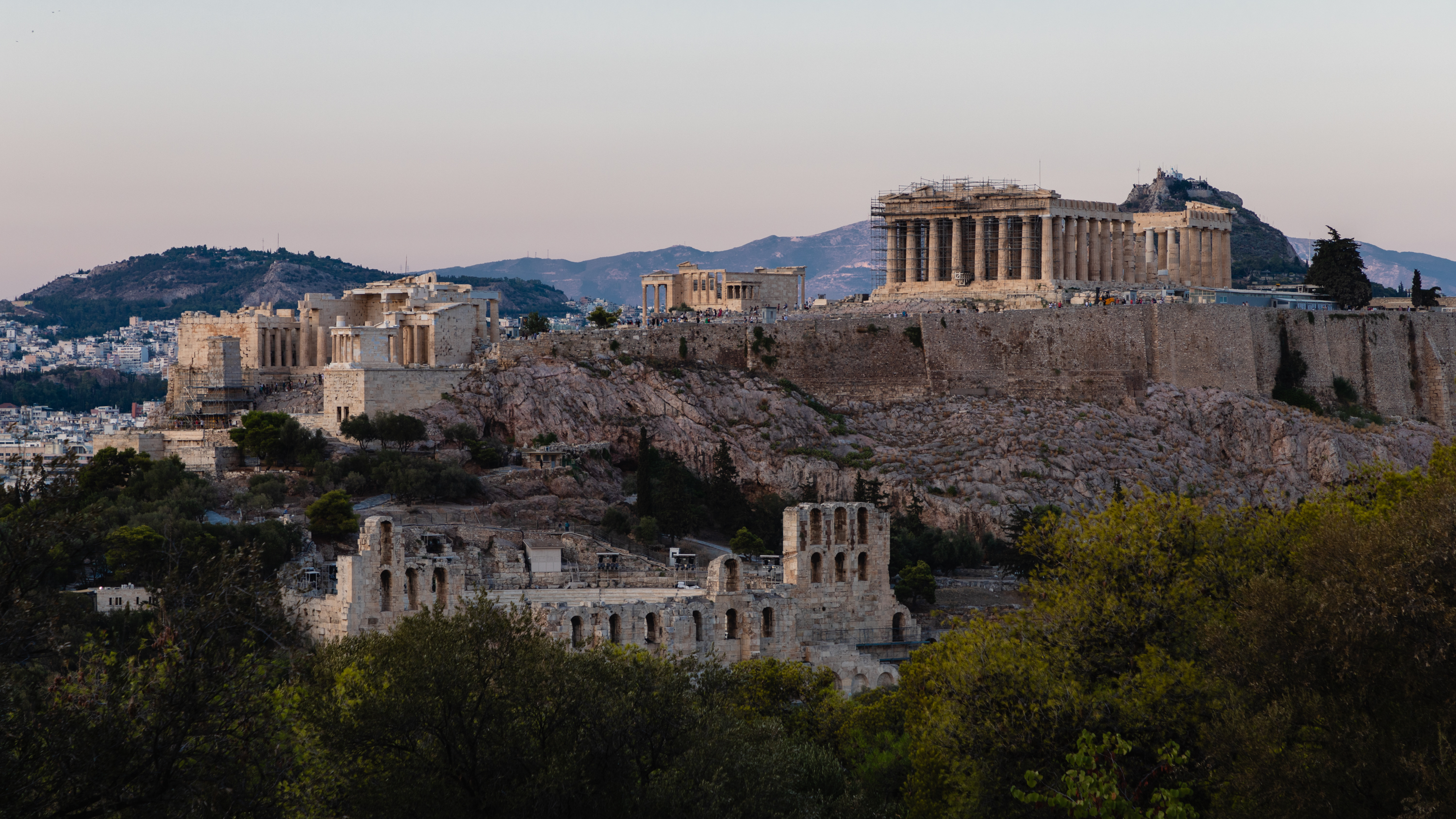
Greece’s capital, layered from the Acropolis to a modern metropolis
Athens
Athens concentrates the Acropolis and its 447–432 BC Parthenon, the Plaka’s neoclassical lanes beneath it, and the marble Panathenaic Stadium rebuilt for the first modern Olympic Games in 1896, all within a municipality the Hellenic Statistical Authority put at 643,452 residents in the 2021 census. Continuously inhabited for millennia, Athens only became the modern Greek state’s capital in 1834, after the war of independence had reduced it to a few thousand people.
Before you book
The Acropolis, Plaka and Syntagma sit within walking distance of each other, but Piraeus port, where most island ferries depart, and the airport both sit well outside downtown, so a single day cannot combine a Saronic island cruise with unhurried time at the Acropolis Museum.

A volcanic caldera island shaped by a Bronze-Age eruption
Santorini
Santorini’s crescent shape is the rim of a caldera left by the Minoan eruption of about 1600 BC, which buried the Bronze-Age port of Akrotiri under volcanic ash so completely that its multi-storey buildings and frescoes survived largely intact; excavations begun by Spyridon Marinatos in 1967 continue today. The Municipality of Thira recorded 15,480 residents in the 2021 census, spread across the caldera-rim towns of Fira and Oia and the flatter southern half of the island.
Before you book
Fira and Oia’s famous caldera-facing terraces sit on the island’s west side, while its beaches at Kamari and Perissa are black-sand stretches on the opposite coast, so a short stay usually means choosing the view or the beach rather than both.
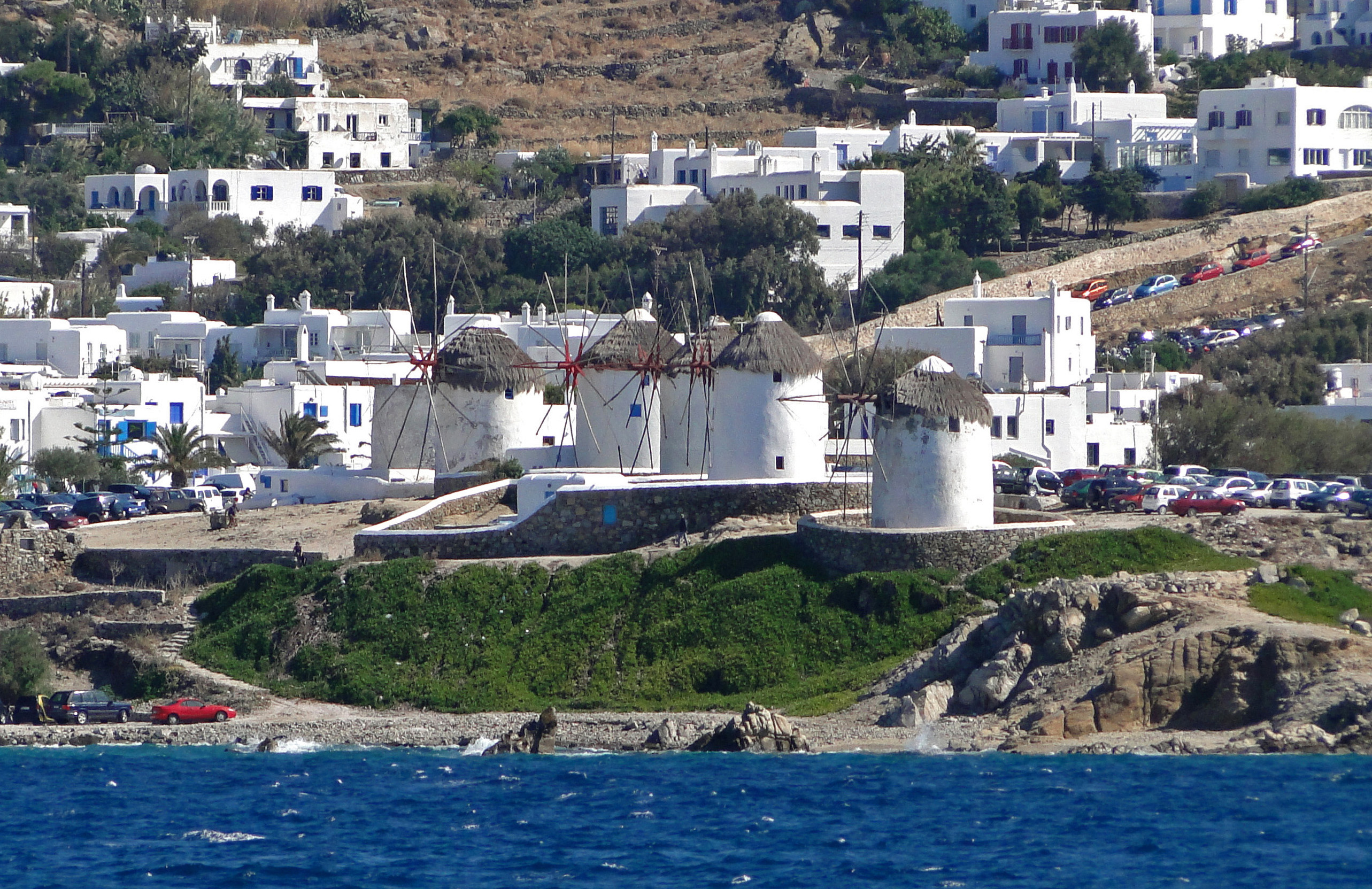
The Cyclades’ nightlife island and gateway to sacred Delos
Mykonos
Mykonos pairs its 16th-century windmills and Little Venice waterfront with the roughly 45-minute ferry crossing to Delos, the UNESCO-listed island sanctuary of Apollo that has stood uninhabited since around the 7th century BC and was inscribed in 1990 for its exceptionally preserved ancient port city. The municipality recorded 9,053 residents in the 2021 census, a small year-round population next to its scale as one of the Cyclades’ busiest islands.
Before you book
Mykonos town’s nightlife-driven economy makes it one of the most crowded Cyclades bases in peak season, while Delos itself has no overnight accommodation at all, so a Delos visit has to be built around the return ferry schedule rather than an open-ended day.
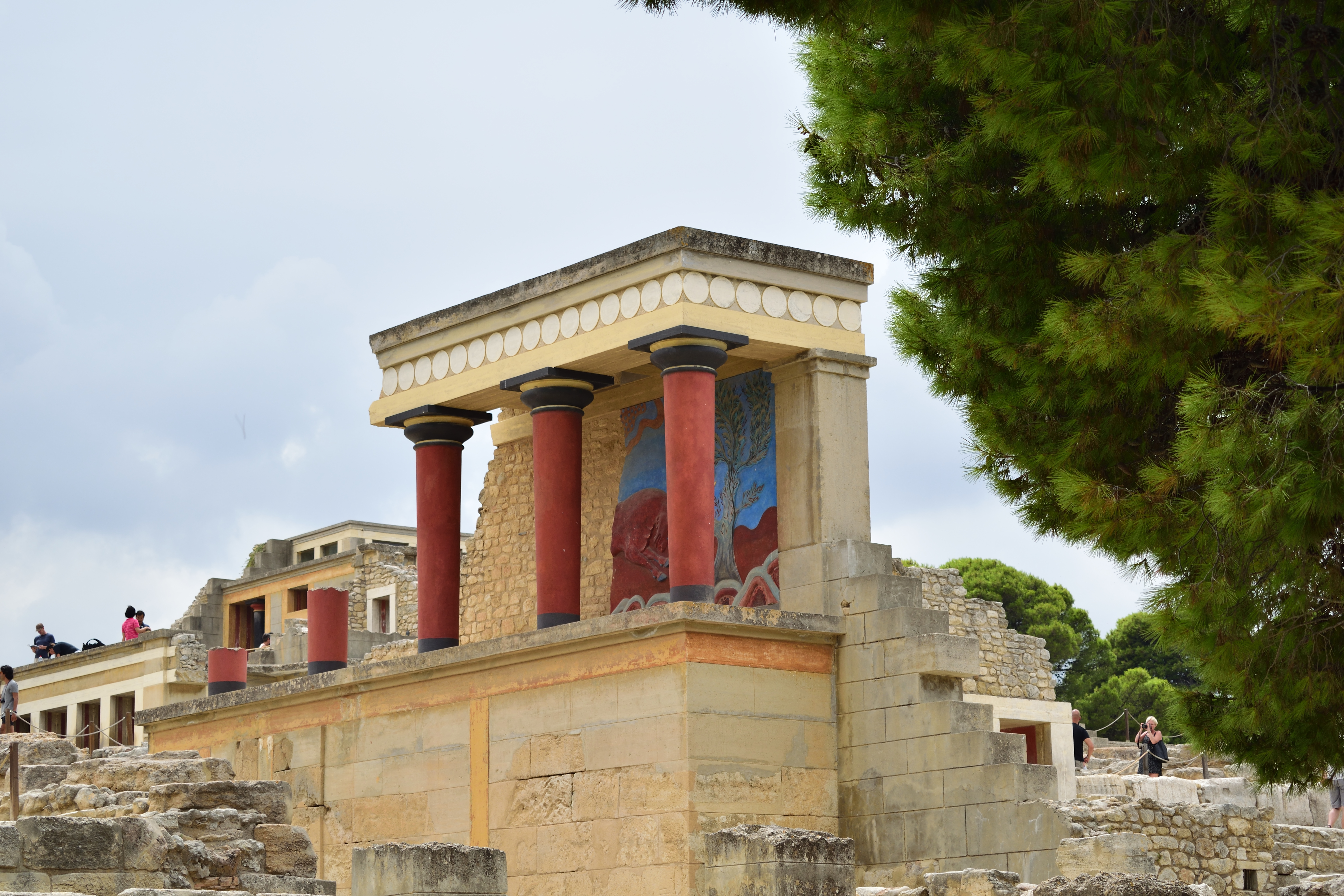
Greece’s largest island and the cradle of Minoan civilization
Crete (Heraklion and Knossos)
Heraklion, Crete’s capital and largest city, sits about five kilometres from the Palace of Knossos, where the British archaeologist Arthur Evans began excavating on 23 March 1900 and within a year had uncovered palace ruins covering 5.5 acres, work that gave the Bronze-Age Minoan civilization its name. Heraklion’s municipality recorded 179,302 residents in the 2021 census, the largest population of any region in this guide outside Athens.
Before you book
Knossos and central Heraklion make a strong half-to-full day, but Crete’s south-coast beaches, the Samaria Gorge and cities such as Chania and Rethymno sit hours further west by road, so a short Heraklion stop cannot substitute for a dedicated Crete trip.
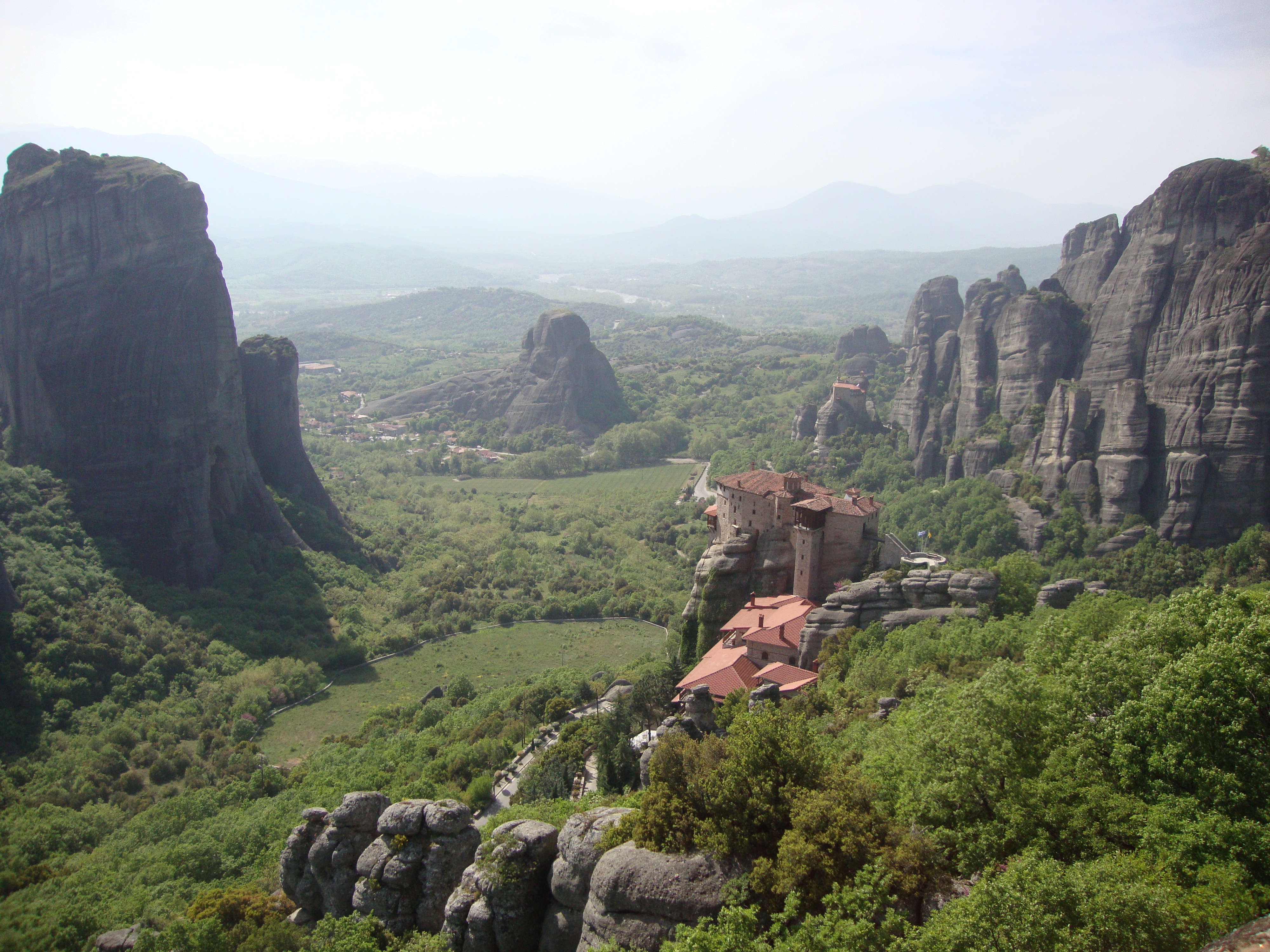
Byzantine monasteries balanced on sandstone pillars
Meteora
Monks began settling on Meteora’s sandstone pillars from the 11th century onward, and twenty-four monasteries were eventually built at the height of the 15th-century hermitic revival; UNESCO inscribed the site in 1988 and records that only four monasteries still house religious communities today, while their 16th-century frescoes mark a key stage in post-Byzantine painting. The site sits near the towns of Kalabaka and Kastraki in Thessaly, well north of every other region in this guide.
Before you book
Getting there on your own means the Athens–Thessaloniki train to Palaiofarsalos and then a replacement bus, just over five hours on the fastest schedule. A day trip from Athens works only as a guided outing of about 12 to 14 hours; otherwise plan an overnight stay.
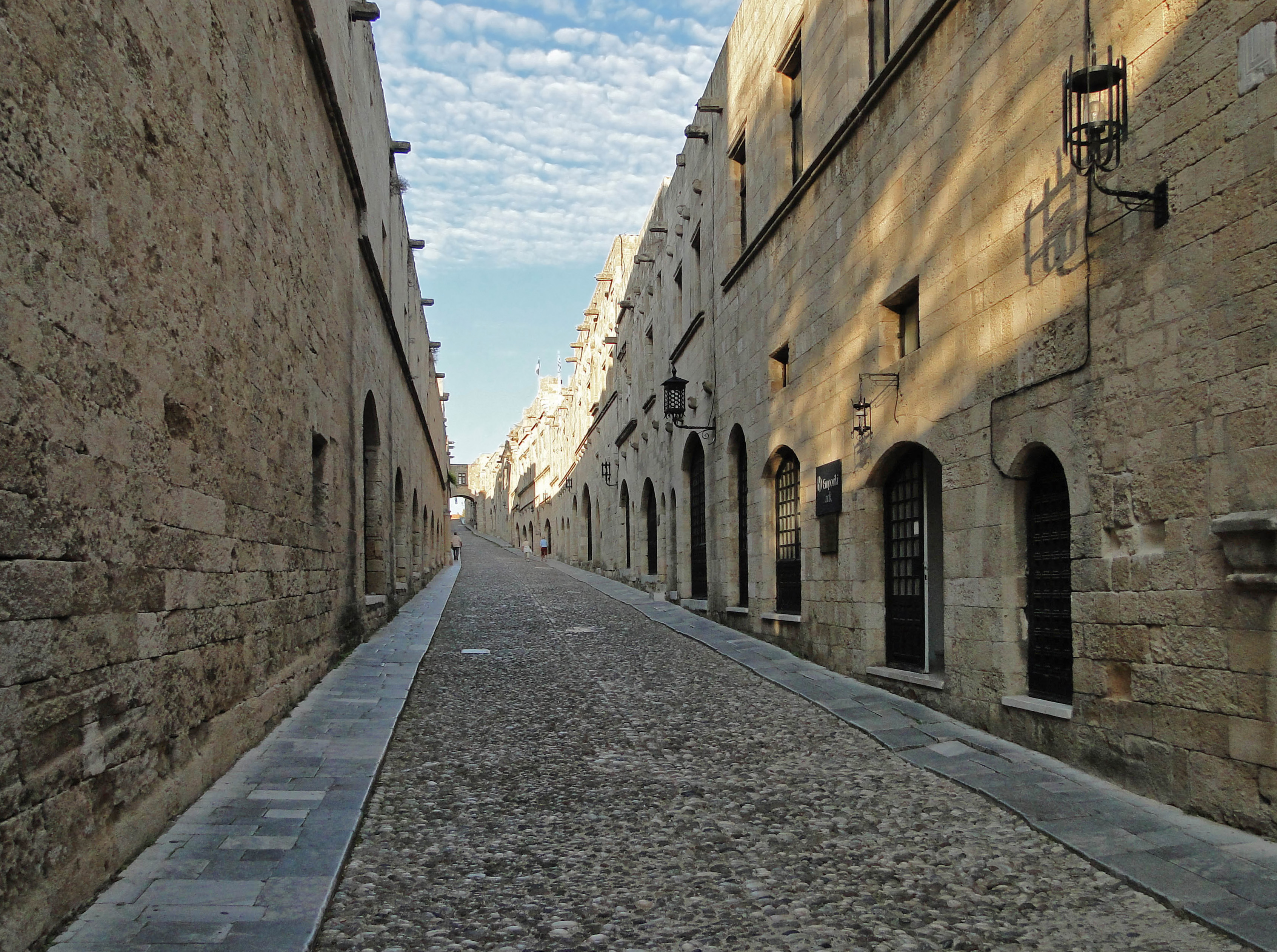
A Dodecanese island fortified by the Knights of St John
Rhodes
The Knights of St John held Rhodes from 1309 until a six-month siege by Suleyman II ended their rule in 1522, and their fortified Upper Town, centred on the Street of the Knights and the Palace of the Grand Masters, still stands beside a Lower Town where Gothic buildings coexist with mosques and baths from the later Ottoman period; UNESCO inscribed the Medieval City in 1988. The Municipality of Rhodes recorded 125,113 residents in the 2021 census, up from 115,490 in 2011.
Before you book
The Medieval Old Town’s fortifications and Street of the Knights fill a satisfying half day on foot, but Lindos’ clifftop acropolis and the island’s beach resorts sit over an hour’s drive south, so combining the old town, Lindos and a beach day needs a multi-day stay rather than a single excursion.
Explore Greece Before You Book
Take a virtual drive or walk, then find tours and tickets for the places you like.

Country profile
Greece country profile
Greece’s mainland-and-island geography sets the logistics before any single region does
The Hellenic Statistical Authority recorded 10,482,487 residents in the 2021 census, spread across a mainland peninsula and, per the Greek National Tourism Organisation, roughly 6,000 islands and islets of which only 227 are inhabited. A route that treats an island region as a quick add-on to a mainland itinerary breaks on the ferry timetable before it breaks on the ground.
Sources →Visitor volume is context, not a verdict
Greece recorded 37.98 million international arrivals in 2025, a 5.6% increase on 2024’s 35.95 million and 21.2% above 2019 levels, according to INSETE, the Greek Tourism Confederation’s research institute. That scale funds deep visitor infrastructure on popular islands but does not rank one region over another for every traveller.
Sources →Athens anchors the largest population, but is one of six regions
The Municipality of Athens recorded 643,452 residents in the 2021 census, more than three times Heraklion’s population and over five times Rhodes’. Its scale is a reason to give it dedicated time, not a reason to treat Santorini, Mykonos, Crete, Meteora or Rhodes as optional.
Sources →Four of six regions carry independent UNESCO status
The Acropolis of Athens (1987), the Medieval City of Rhodes (1988) and Meteora (1988) are each independently inscribed by UNESCO, and Mykonos sits beside its own UNESCO-listed neighbour, the sacred island of Delos (1990). Santorini and Crete are included for their own Bronze-Age Minoan identity rather than a shared heritage listing.
Sources →Island geography sets a different logistics pattern than mainland Meteora
Reaching Santorini, Mykonos or Rhodes from Athens means a several-hour high-speed ferry or a short flight, while Meteora is a mainland rail-and-bus journey north through Thessaly; combining an island region with Meteora in the same short trip means committing a full transfer day to each leg.
Sources →A Mediterranean climate does not share one calendar across the mainland and the islands
Athens’ hot, dry summers reach average highs near 33°C in July and August with milder, wetter winters around 10–14°C, while the Cyclades add the seasonal meltemi wind and Meteora’s inland Thessaly setting brings a more continental swing; a single “best month for Greece” does not exist across all six regions.
Sources →Piraeus, not central Athens, is the country’s sea gateway to five of the other regions
This is Athens, the city’s own destination-management organisation, describes Piraeus as having grown into one of the largest passenger ports in the world, and every island region in this guide, Santorini, Mykonos, Crete and Rhodes, departs from its gates rather than from anywhere in central Athens itself.
Sources →A one-hour Saronic crossing and a five-hour Cycladic crossing start at the same Piraeus gate
The ferry from Piraeus to Aegina takes roughly one hour ten minutes, next to the roughly five-hour high-speed crossing to Santorini used in the itineraries above. Two island regions can sit at very different distances from the same terminal, so “an island day” means something different depending on which one is chosen.
Sources →Trip plans
Greece · Trip plans
These are our suggested routes, with travel days included. Choose the pace that suits you; none promises to cover the entire country.
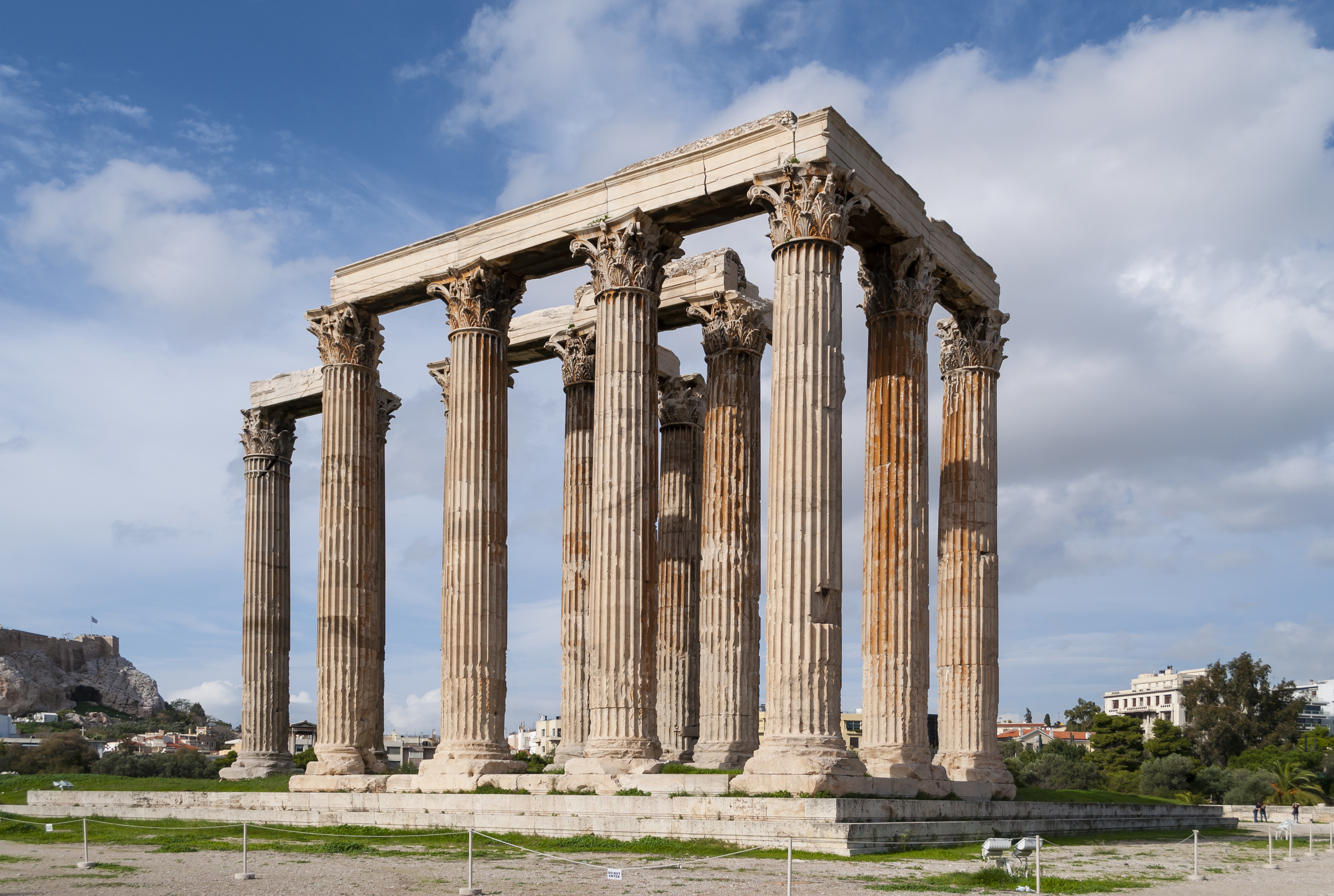
7 days: Athens and Santorini
A two-region first trip pairing the capital’s ancient core with a Cycladic caldera island.
- Days 1–4 · Athens: split an Acropolis-and-Plaka day from a National Archaeological Museum and Syntagma day, then an Acropolis Museum and Panathenaic Stadium day, plus a Varvakios Market morning.
- Day 5 · Travel to Santorini: take the roughly five-hour high-speed ferry from Piraeus, or a short flight, as the day’s fixed commitment.
- Days 6–7 · Santorini: an Oia sunset evening and a Fira caldera-walk day, plus a half-day at the Akrotiri archaeological site and a black-sand beach.
The trade-off
The route omits Mykonos, Crete, Meteora and Rhodes entirely. Adding a third region would turn a one-week trip into repeated transfers rather than real time in either place.
What Athens costs: One Day in Athens: €80 or Less? → · Athens in 3 Days for €190? →
This collection covers Athens activities only. It does not book the Santorini ferry or flight, accommodation or the complete seven-day route.
Explore Athens activities from ≈ US$45Sources
- whc.unesco.org · 1
- www.ferryhopper.com · 2
- The booking platform · 3
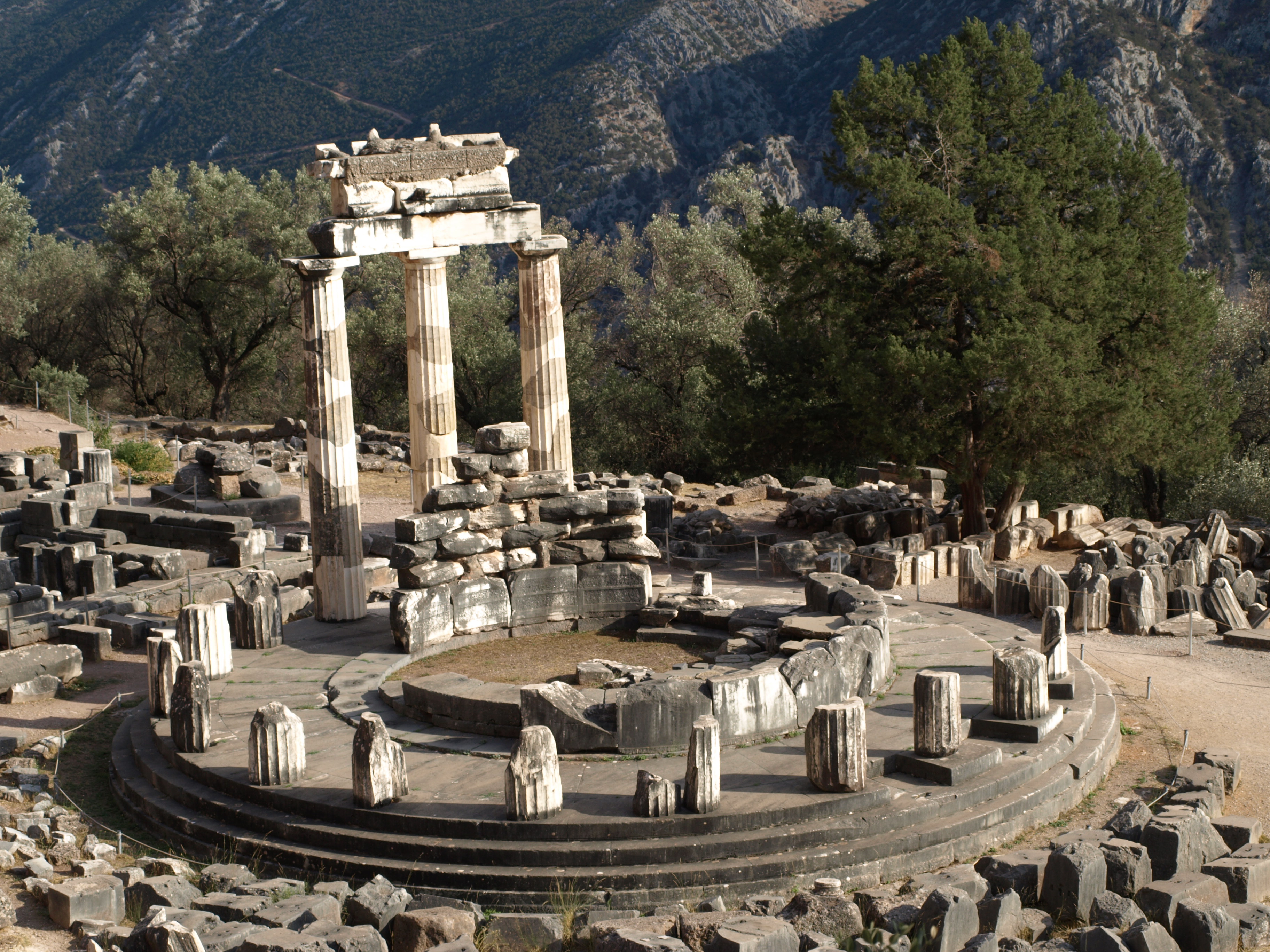
14 days: Athens, Meteora, Santorini and Mykonos
A four-region route linking the mainland capital and Byzantine Meteora to two contrasting Cycladic islands.
- Days 1–4 · Athens: the Acropolis and Plaka, the National Archaeological Museum and Syntagma, the Acropolis Museum and Panathenaic Stadium, and a Varvakios Market morning.
- Day 5 · Travel to Meteora: the Athens–Thessaloniki train to Palaiofarsalos and a replacement bus for the last leg, just over five hours on the fastest schedule.
- Days 6–7 · Meteora: visit the monasteries open that day and walk the Kastraki and Kalabaka valley viewpoints.
- Day 8 · Travel to Santorini: back through Athens for the roughly five-hour high-speed ferry from Piraeus, or a short flight.
- Days 9–10 · Santorini: the Oia and Fira caldera towns, and the Akrotiri archaeological site.
- Day 11 · Travel to Mykonos: the roughly two-to-three-hour high-speed ferry from Santorini.
- Days 12–14 · Mykonos: Mykonos Town, Little Venice and the windmills, a Delos day trip, and a beach day.
The trade-off
Four regions in two weeks means several transfer days; a slower traveller should drop either Meteora or one island rather than compress both into rushed stops.
What Athens costs: One Day in Athens: €80 or Less? → · Athens in 3 Days for €190? →
This collection covers Meteora activities only. It does not book rail or ferry transfers, accommodation or the complete fourteen-day route.
Explore Meteora activities from ≈ US$45Sources
- whc.unesco.org · 1
- visitmeteora.travel · 2
- The booking platform · 3
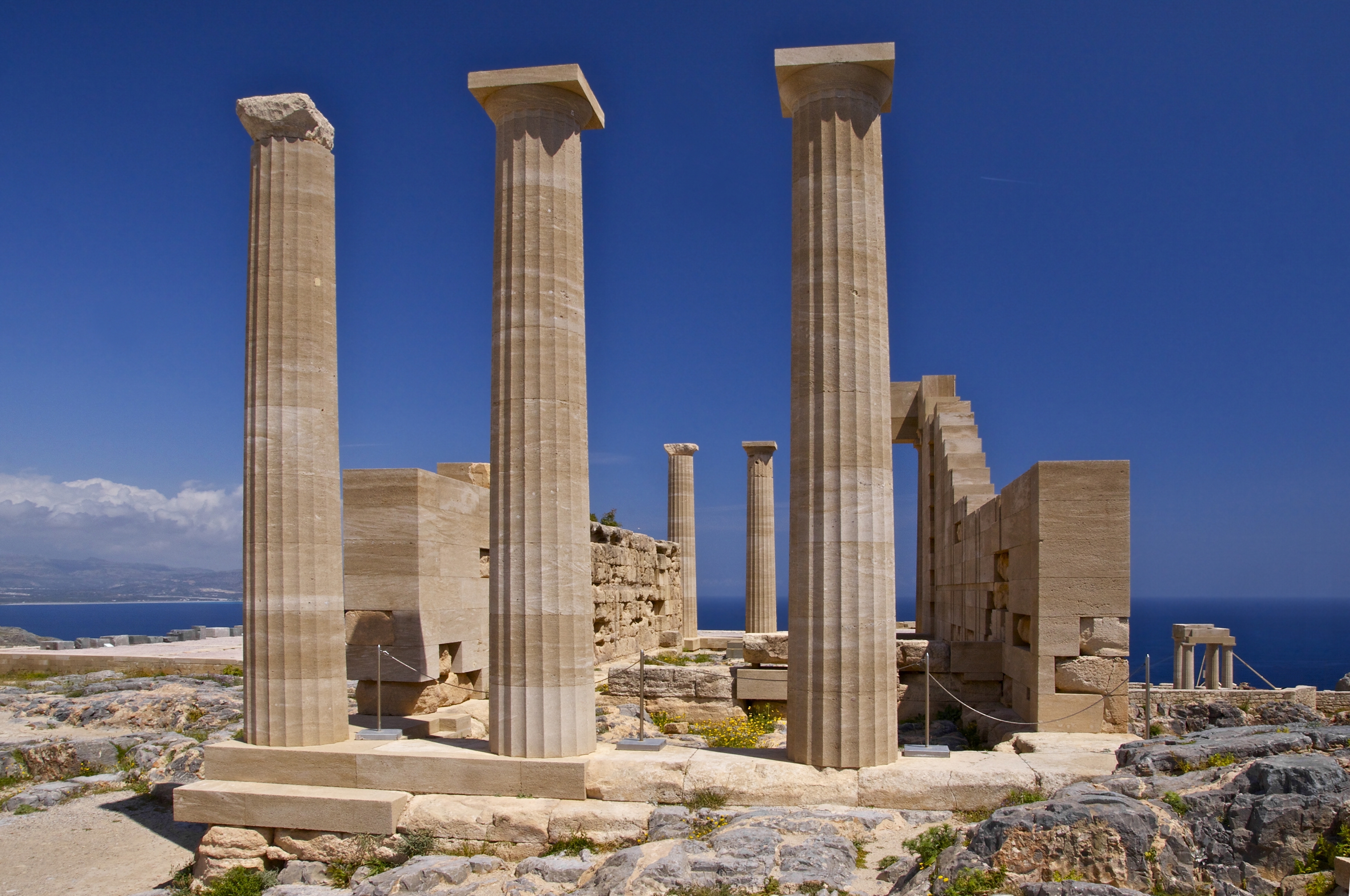
21 days: Athens, Meteora, Santorini, Mykonos, Crete and Rhodes
A complete six-region route that adds Crete’s Minoan palace and Rhodes’ Medieval City to the fourteen-day mainland-and-Cyclades itinerary above.
- Days 1–4 · Athens: the Acropolis and Plaka, the National Archaeological Museum and Syntagma, the Acropolis Museum and Panathenaic Stadium.
- Day 5 · Travel to Meteora: the Athens–Thessaloniki train to Palaiofarsalos and a connecting bus.
- Days 6–7 · Meteora: the monasteries and the Kastraki valley viewpoints.
- Day 8 · Travel to Crete: a flight or overnight ferry from Athens/Piraeus to Heraklion, treated as a full transfer day.
- Days 9–10 · Crete: the Palace of Knossos and central Heraklion, including the Morosini Fountain at Lions Square.
- Day 11 · Travel to Santorini: a ferry connection south through the Cyclades.
- Days 12–13 · Santorini: the Oia and Fira caldera towns and the Akrotiri archaeological site.
- Day 14 · Travel to Mykonos: the roughly two-to-three-hour high-speed ferry from Santorini.
- Days 15–16 · Mykonos: the windmills, Little Venice and a Delos day trip.
- Day 17 · Travel to Rhodes: a flight, generally routed via Athens since no direct island-to-island air route connects Mykonos and Rhodes.
- Days 18–20 · Rhodes: the Medieval City’s Street of the Knights and Palace of the Grand Masters, and a Lindos day trip.
- Day 21 · Travel to Athens to depart: a flight back to the capital, keeping the final day free of a same-day connecting flight home.
The trade-off
This full six-region route needs several long transfer days across the mainland and three separate island groups; a shorter trip should pick either the mainland-and-one-island route or an island-hopping-only route rather than attempt all six.
What Athens costs: One Day in Athens: €80 or Less? → · Athens in 3 Days for €190? →
This collection covers Rhodes activities only. It does not combine the Crete leg, flights and ferries, accommodation or the complete twenty-one-day itinerary.
Explore Rhodes activities from ≈ US$40Sources
- www.britannica.com · 1
- whc.unesco.org · 2
- The booking platform · 3
- The booking platform · 4
Visitor perspectives
How to turn Greece’s six regions into a workable route
These planning conclusions combine official destination facts with a current review of bookable inventory. They are not customer reviews and do not rank places by affiliate commission.
Record demand means more formats to compare
Greece’s 37.98 million international arrivals in 2025 create many products with similar headlines, especially around the Acropolis and Santorini’s caldera. Check the named itinerary, the ferry or coach used and what each listing includes before choosing.
Sources →A famous caldera view creates uneven crowding across one small island
Santorini’s Municipality of Thira holds only 15,480 residents, yet the caldera-facing towns of Fira and Oia absorb the heaviest visitor numbers while the island’s south-coast beach towns stay comparatively quiet.
Sources →A coherent route beats maximum coverage
For a first visit, Athens plus one strongly contrasting island usually produces more usable time than a chain of one-night stops across all six regions.
Sources →Summer heat can close archaeological sites through the early afternoon
The Ministry of Culture closed the archaeological site of Eleusis from 12:00 to 17:00 on 23 to 25 July 2025 to protect visitors and staff from high temperatures. It has closed the Acropolis in the afternoon during heatwaves too. On a July or August route, put each ancient site in the morning.
Sources →Go deeper with a city guide
Explore the places, neighbourhoods and practical choices behind the activities.
Athens: One Day in Athens: €80 or Less? → · Athens in 3 Days for €190? →
Planning Greece activities: FAQs
How many Greek regions should I combine in one week?
Athens and Santorini fill a first week with a single transfer: the roughly five-hour high-speed ferry from Piraeus, or a short flight. Meteora is a separate train-and-bus journey of just over five hours north, and Crete and Rhodes each need their own flight or ferry.
Should I combine Meteora with an island in a two-week trip?
Yes, when the trip is ten days or longer and the transfer through Athens is protected. On a shorter trip, choose one rather than converting both into rushed stops.
Can I visit Crete and Rhodes without long transfers from Athens?
No. Crete and Rhodes each need their own flight or ferry connection from Athens, and there is generally no direct island-to-island route between them; combining both in one trip means treating each as its own leg, not a quick add-on.
Where does Delos fit in a first Mykonos visit?
Delos fits as a day trip from Mykonos by ferry, not as an overnight stay, since the island has no visitor accommodation at all.
Does this guide include current entry rules?
No. Entry requirements depend on nationality, date and trip purpose. Check Greece’s foreign ministry or your own country’s travel authority before travel.
Is Piraeus worth planning around, or just a ferry gate?
Plan around it only as a transit point: This is Athens describes Piraeus as one of the largest passenger ports in the world, and every island region in this guide departs from there, but its own sights are thin next to a full day in Athens itself or on an island.
Sources & planning approach
Research by Mubboo Flights. Sources checked 2026-09-12. Recommendations are editorial judgements based on the cited sources below.
Photo credits
- The Acropolis of Athens rising above the historic centre — Oleksandr Troitskyi; CC BY-SA 4.0.
- Whitewashed Oia clinging to the caldera rim in Santorini — LBM1948; CC BY-SA 4.0.
- The windmills of Mykonos above Little Venice — Bernard Gagnon; CC BY-SA 3.0.
- The restored north entrance of the Palace of Knossos, Crete — Theofanis Ampatzidis; CC BY-SA 4.0.
- A Meteora monastery perched on a sandstone pillar in Thessaly — XeresNelro; CC BY-SA 4.0.
- The Street of the Knights in the Medieval City of Rhodes — Bernard Gagnon; CC BY-SA 4.0.
- The Temple of Olympian Zeus in Athens — Ava Βabili; CC BY-SA 4.0.
- The Tholos of Athena Pronaia at Delphi — Mr.checker; CC BY-SA 3.0.
- The Acropolis of Lindos above the coast of Rhodes — Jebulon; CC0 1.0.


Commercial selection from Viator. Featured order comes from the provider and may reflect commercial factors. Mubboo may earn a commission through these links. Prices and availability can change; confirm details on Viator before booking.