
Dubrovnik travel guide
Dubrovnik
Dubrovnik's walled Old Town sits on a narrow peninsula between the Adriatic and Mount Srđ, with Lokrum Island a short ferry ride offshore and the Elaphiti Islands, Montenegro and Mostar each a separate boat or road trip, not extensions of the city itself.
Most first visits centre on the City Walls, Stradun and the Game of Thrones filming forts, plus one Mount Srđ cable-car afternoon; a longer stay adds a real island or cross-border day, each worth its own dedicated day rather than squeezed into a walls-and-Old-Town itinerary.

Find your Dubrovnik experience
Explore Dubrovnik Before You Book
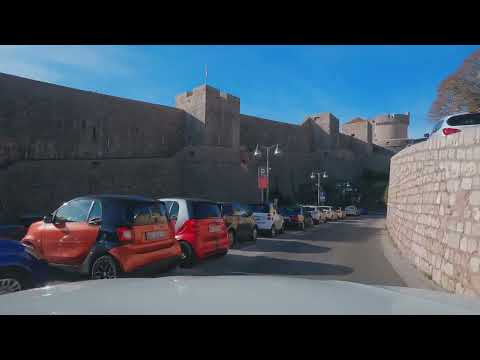
Take a virtual drive or walk, then find tours and tickets for the places you like.
Activities
Featured activities in Dubrovnik



Prices at a glance
What we sell today and what recent flight searches found. No hotel prices; nothing here is a trip total.
- Tours and tickets in Dubrovnikfrom US$22.88
Live from Viator when this page loaded · per adult · changes by date.
Top experiences
Top experiences in Dubrovnik
The Dubrovnik City Walls
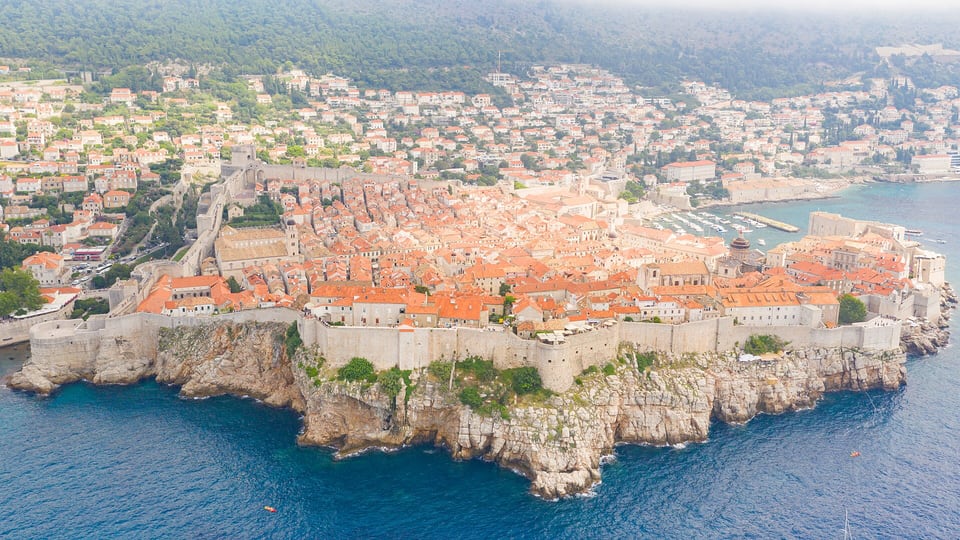
The roughly 1,940-metre wall circuit connects six historic fortresses, Fort Lovrijenac, Fort Revelin, Minčeta Tower, Fort Bokar, St John's Fortress and St Luke's Tower, and is the defining structure of the Old Town, built up through the 15th and 16th centuries on 13th-century foundations.
Best for: Every first-time visitor, ideally an early morning or late-afternoon slot · Area: Encircling the Old Town; entrances near Pile Gate, Ploče Gate and Fort Bokar
Plan for The roughly two-hour loop has only a few exit points and almost no shade, so a midday walk in July or August is a real physical undertaking, not a casual stroll.
Old Town and Stradun
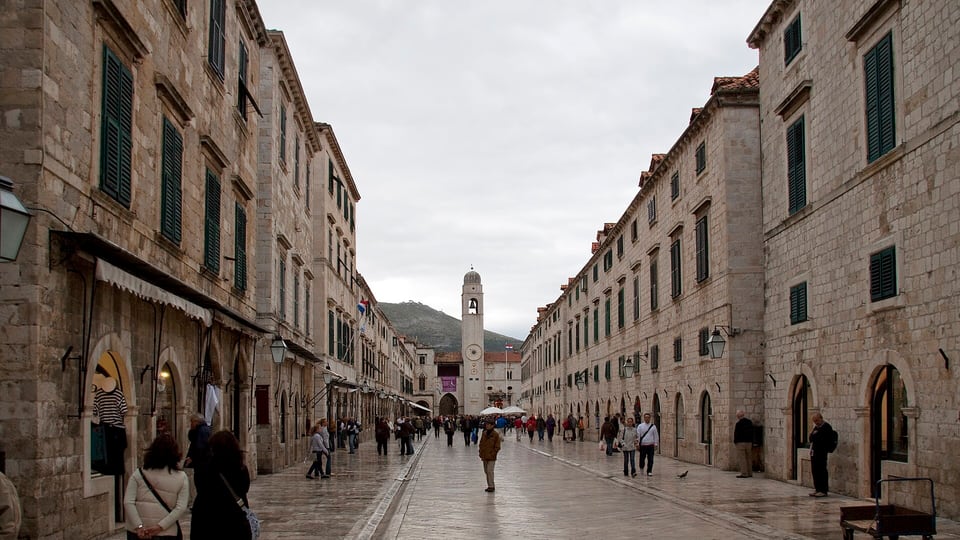
Stradun, the roughly 300-metre limestone-paved main street between Pile and Ploče Gates, anchors a fully pedestrianised Old Town whose Baroque streetscape mostly dates to the rebuilding that followed the catastrophic 1667 earthquake.
Best for: Every visitor; the compact core rewards slow, repeated walks at different times of day · Area: Inside the City Walls
Plan for Stradun's polished stone is genuinely slippery when wet, so rubber-soled shoes matter here as much as on the walls themselves.
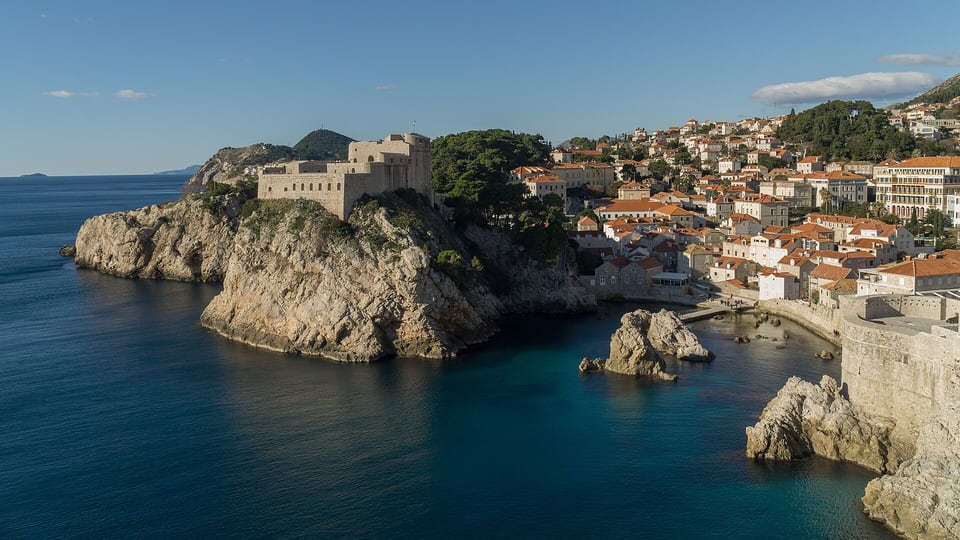
Fort Lovrijenac and Fort Bokar: the real King's Landing
Fort Lovrijenac, standing 37 metres above the sea with seaward walls up to 12 metres thick and records dating to 1301, played the Red Keep in Game of Thrones from Season 2 onward. Neighbouring Fort Bokar, part of the walls themselves, appeared in the walking and Blackwater Battle sequences.
Best for: Game of Thrones fans and anyone wanting real Ragusan military architecture, not just a photo backdrop · Area: Pile, just outside the Old Town's western wall
Plan for Fort Lovrijenac is a separate admission from the main City Walls ticket, so travellers focused on the filming locations should confirm what a ticket or tour actually includes.
See Fort Lovrijenac and Fort Bokar: the real King's Landing tours
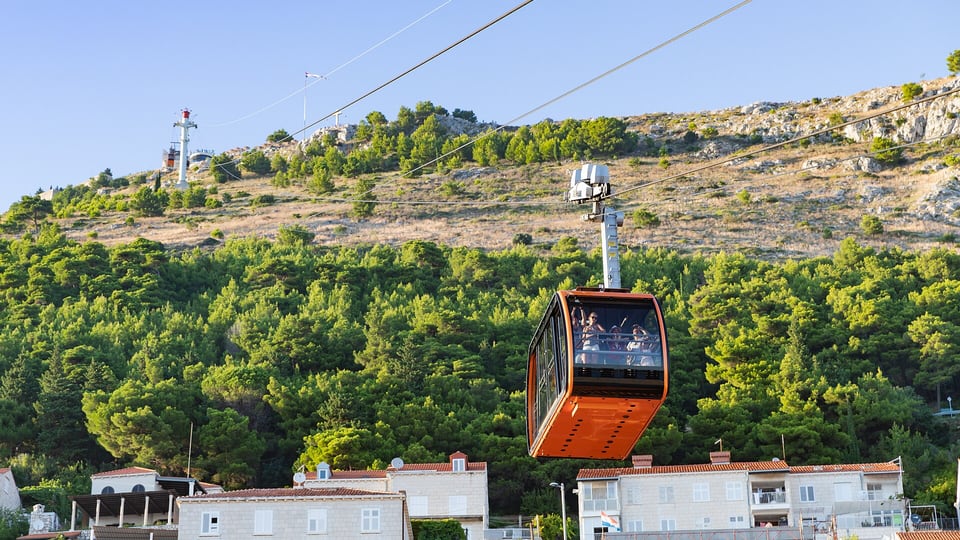
Dubrovnik Cable Car and Fort Imperial
The cable car first opened in 1969, but the original line was shelled and destroyed during the 1991-92 siege, and a rebuilt line using Austrian Doppelmayr technology reopened in 2010. It reaches Mount Srđ's summit beside Fort Imperial, an 1812 Napoleonic fortress that was Dubrovnik's key defensive position in that same siege and now houses the Homeland War Museum.
Best for: Travellers wanting both the panoramic view and an honest, documented look at the Old Town's 1990s wartime history · Area: Mount Srđ, above the Old Town
Plan for The cable car can suspend service in high wind, so it is worth keeping a flexible afternoon rather than a single fixed slot in unsettled weather.
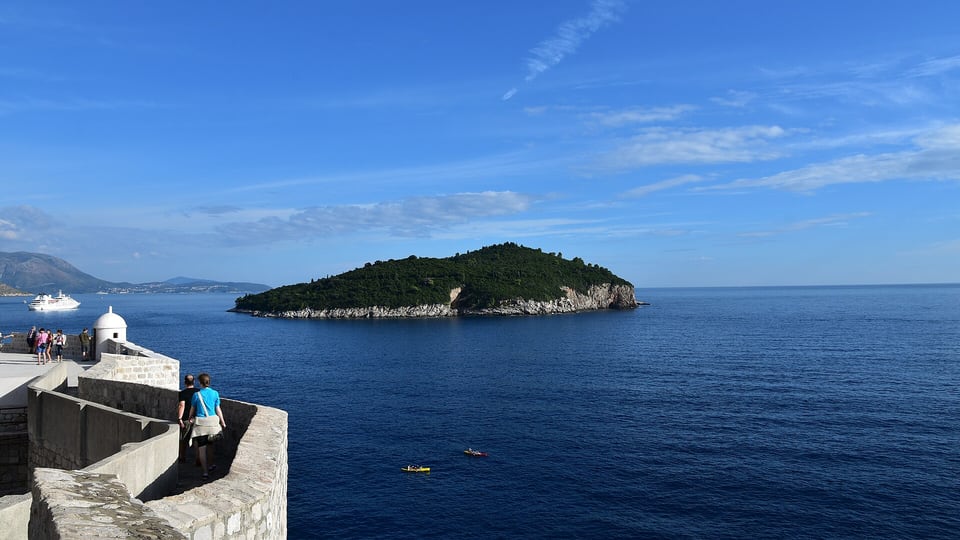
Lokrum Island
A roughly 600-metre ferry ride from the Old Port, Lokrum is legally protected as a Nature Reserve and Special Forest Vegetation Reserve. Its 1959 Botanical Garden holds about 200 plant species, and it was folded into Dubrovnik's UNESCO World Heritage boundary in the 1994 extension. Its free-roaming peacocks, introduced historically from the Canary Islands, are a real, documented flock.
Best for: A relaxed half day combining nature, a swim and the Benedictine monastery's Iron Throne replica · Area: Just offshore from the Old Port
Plan for As a protected reserve, Lokrum has rules on where visitors can go and cannot camp overnight, so it suits a day visit rather than unstructured exploring.
Elaphiti Islands Boat Trip
The Elaphiti archipelago's 13 islands include three permanently inhabited ones, Koločep, Lopud and Šipan, each with distinct character from Koločep's seven pre-Romanesque churches to Šipan's two small harbour settlements, reached by daily ferry from Gruž harbour.
Best for: A full day wanting genuine island-to-island contrast rather than one generic beach stop · Area: Northwest of Dubrovnik, reached from Gruž harbour
Plan for Covering more than one or two islands well in a single day is a stretch given real ferry schedules, so a full day, not a half day, suits this trip.
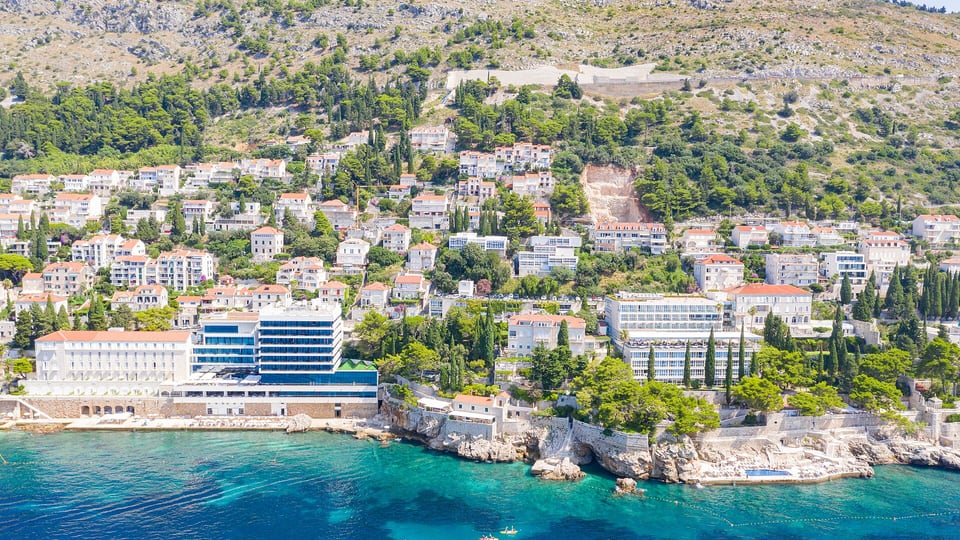
Sea Kayaking Around the Old Town
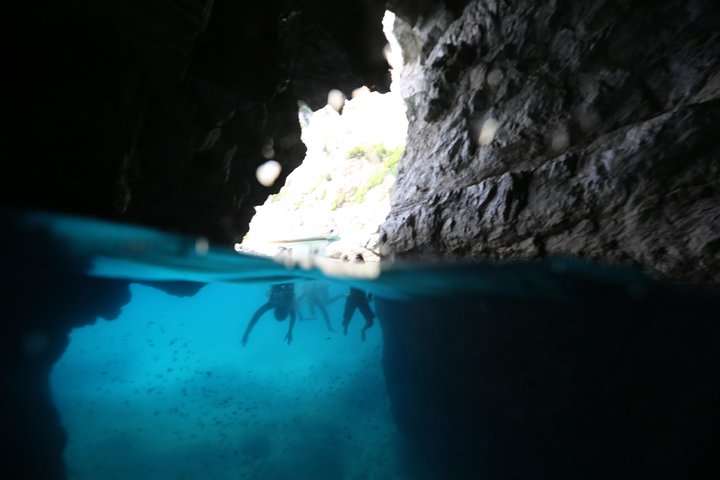
Paddling beneath the City Walls and Fort Lovrijenac, and often out toward Lokrum and Betina Cave, gives a genuinely different vantage point on the fortifications than the walking route along the ramparts, typically run as a guided, beginner-paced outing.
Best for: Travellers wanting an active, on-the-water alternative to walking the walls · Area: Old Town harbour, extending toward Lokrum
Plan for Kayaking depends on calm sea conditions, so it is more weather-sensitive than a walk along the walls and worth keeping flexible in windy weather.
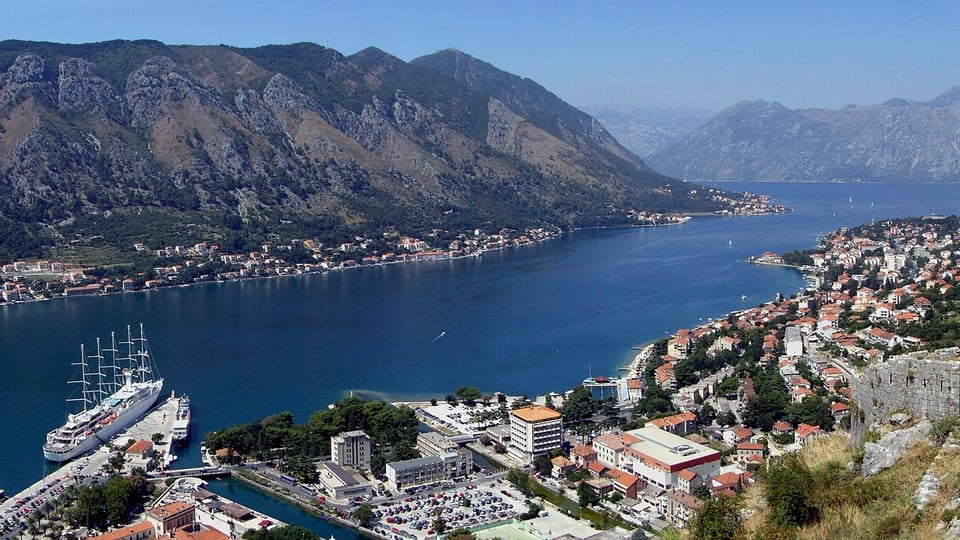
Bay of Kotor Day Trip, Montenegro
Roughly a two-hour drive from Dubrovnik, the Bay of Kotor is part of UNESCO's Venetian defensive-works listing, with medieval walls stretching about 4.5km, up to 20 metres high, climbing over 260 metres above the bay, a genuinely different fortified townscape from Dubrovnik's own.
Best for: Travellers with a full day who want a second real UNESCO-listed walled town, not just a scenic drive · Area: Kotor, Montenegro, across the border southeast of Dubrovnik
Plan for A one-way drive of roughly two hours each way makes this a genuine full day, not an easy half-day add-on to other Old Town sightseeing.
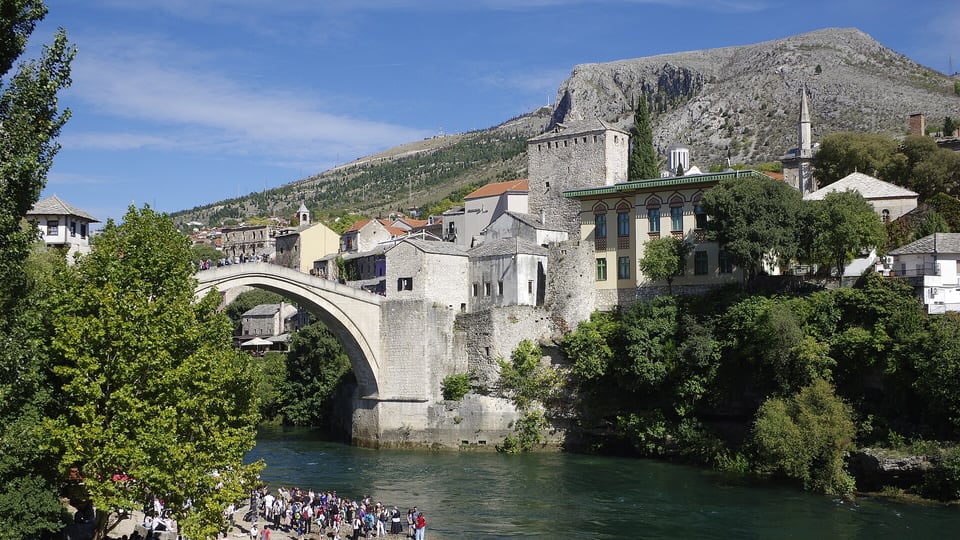
Mostar Day Trip, Bosnia and Herzegovina
Mostar's Stari Most bridge, built in 1566, was destroyed by Croatian artillery on 9 November 1993 during the Bosnian War. It was rebuilt with original Ottoman techniques and local limestone between 2001 and 2004, becoming a UNESCO World Heritage Site in 2005, roughly a three-hour drive from Dubrovnik.
Best for: Travellers with a full day interested in another real, documented war-and-reconstruction story alongside Dubrovnik's own · Area: Mostar, Bosnia and Herzegovina
Plan for At roughly three hours each way, this is the longest day trip from Dubrovnik on this list, so it needs a full day and suits travellers comfortable with a long road day.
Plan three, five or seven days in Dubrovnik
Three to four days: the walls, the Old Town and Mount Srđ
Pick this length when the City Walls, Stradun, the Game of Thrones filming forts and a cable-car afternoon are the goal, and book the walls for an early or late slot to manage summer heat.
The Old Town, Pile and the cable car sit within a compact, mostly walkable radius, so this length covers Dubrovnik's core without a long drive each day.
The trade-off A three-to-four-day trip has to skip both Lokrum and a full island or cross-border day, so this length suits a walls-and-Old-Town-focused visit.
Five to six days: add Lokrum and an island or Montenegro day
Pick this length once a real Lokrum half day and a full Elaphiti Islands or Montenegro day both matter enough to justify extra full days away from the walls themselves.
Lokrum's short ferry and the Elaphiti Islands' or Montenegro's real travel times each need their own dedicated time rather than being squeezed into a walls-day itinerary.
The trade-off Adding both means choosing between the Elaphiti Islands and Montenegro on this length, since fitting both plus Lokrum needs the longer stay below.
A week or more: unhurried, with two countries
Pick this length to spread the walls, Lokrum, the Elaphiti Islands and sea kayaking across genuinely unhurried days and add a second day-trip country, Mostar as well as Montenegro.
A week or more absorbs the real travel time both cross-border day trips take without forcing a rushed final morning or a missed island.
The trade-off This length costs more overall time, but it is the only one that comfortably fits both Montenegro and Mostar alongside the islands.
Sources
checked 2026-09-24. Recommendations are editorial judgements based on the cited sources below.
Choose a Dubrovnik base and explore nearby
The Old Town: a base for the shortest walk to everything
Consider this base when minimising travel time to Stradun, the City Walls entrances and the Game of Thrones filming forts matters most.
The Old Town puts nearly every major sight within a short walk, at the cost of the city's busiest streets and highest prices.
The trade-off Choosing the Old Town trades quiet and value for being steps from every major sight, a fair swap for a short first stay.
Pile or Ploče: a base for easy transit or a beach walk
Consider Pile for the main bus hub and airport shuttle access, or Ploče for waterfront hotels a short walk from Banje Beach and the Old Town's eastern gate.
Both sit immediately outside the walls, trading a few minutes' walk for meaningfully lower prices and less foot traffic than staying inside the Old Town itself.
The trade-off Either choice means a short walk rather than being inside the walls, a reasonable trade for value and easier transit.
Lapad: a base for families and value
Consider Lapad when beach time, lower prices and easier bus access matter more than being within walking distance of the Old Town.
Lapad's beaches and lower-key promenade suit families and longer stays better than the historic core, at the cost of a bus ride to most sightseeing.
The trade-off Basing in Lapad means a short bus ride into the Old Town rather than a walk, a worthwhile trade for value and beach access on a longer stay.
Sources
checked 2026-09-24. Recommendations are editorial judgements based on the cited sources below.
Airport, safety and getting around
Dubrovnik Airport (DBV) sits near Čilipi roughly 20km, about a 25-30 minute drive depending on traffic, southeast of the Old Town, and is served by Croatia Airlines alongside Ryanair, easyJet and Jet2 among other carriers.
Dubrovnik's "Respect the City" programme, run with the Cruise Lines International Association, caps simultaneous cruise arrivals at two ships and roughly 4,000 disembarking passengers a day, staggers arrival and coach drop-off times at Pile Gate, and funds infrastructure through a per-passenger cruise levy.
The UK Foreign, Commonwealth & Development Office's own Croatia advice warns that wildfires are common and can be highly dangerous during the country's hot, dry summers. It separately notes that Dubrovnik and Split both issue on-the-spot fines for behaviour like drinking in public, going shirtless away from the beach, or climbing monuments in the historic centre.
The U.S. State Department rates Croatia Level 1, "Exercise Normal Precautions," the lowest of its four advisory levels, and the Old Town itself is entirely car-free, reached on foot from Pile or Ploče or by local bus from Lapad and the port areas.
Best time to visit
Spring (April-June)
April to early June brings warm, comfortable temperatures around 20-25°C, thinner crowds than peak summer, and fully open restaurants and excursions, widely recommended as one of Dubrovnik's best windows to visit.
- Crowds
- Varies by event and attraction
Summer (July-August)
July and August are Dubrovnik's hottest and busiest months, with intense midday sun, very little shade on the City Walls or Stradun, and the heaviest cruise-ship and general tourist traffic of the year despite the city's own daily cruise caps.
- Crowds
- Varies by event and attraction
Autumn (September-October)
September into mid-October keeps warm, swimmable sea temperatures and much of summer's daylight while crowds and prices ease noticeably from the August peak, a widely recommended shoulder-season trade-off.
- Crowds
- Varies by event and attraction
Winter (November-March)
November to March is Dubrovnik's mild but wetter and windier off season, when the City Walls run shorter opening hours and many seasonal boat trips to the Elaphiti Islands and Lokrum are reduced or paused, in exchange for the thinnest crowds of the year.
- Crowds
- Varies by event and attraction
Food, markets and local life
Crni rižot (black risotto) is a signature Dalmatian dish made with cuttlefish or squid ink, slow-cooked with garlic, onion, olive oil and white wine into a rich, inky-black seafood risotto found on menus across the Old Town.
Mali Ston Bay, north of Dubrovnik near the town of Ston, farms Ostrea edulis oysters regarded as among the Adriatic's finest. Inland Konavle is known for peka, lamb or veal slow-roasted under a cast-iron dome with vegetables and herbs over embers, both real regional specialities distinct from generic Croatian tourist-menu fare.
City profile
- Population (City of Dubrovnik administrative area, 2021 Croatian national census, 2021): 41,562
Dubrovnik was likely founded in the 7th century by refugees from the nearby Greek-Roman city of Epidaurum, near modern Cavtat, after it was destroyed by Avar and Slav raids, a settlement that later merged with an adjoining Slavic community.
As the Republic of Ragusa, the city won formal independence from Venice under the 1358 Treaty of Zadar and survived as a neutral maritime trading power between Venice, the Ottoman Empire and Habsburg Austria until Napoleon's forces abolished it in January 1808.
A devastating earthquake on 6 April 1667 killed roughly 2,000 residents and destroyed most public buildings; the Republic rebuilt in the Baroque style visible across the Old Town today, though it never fully regained its earlier prosperity.
Famous for:
- The Old City of Dubrovnik was inscribed on UNESCO's World Heritage List in 1979, with the property's boundary extended in 1994 to add Fort Lovrijenac, the Lazarets, Fort Revelin and Lokrum Island.
- Due to serious wartime damage, UNESCO placed the Old City on its List of World Heritage in Danger from 1991 to 1998; its own damage-assessment team found 55.9% of Old Town buildings damaged during the 1991-92 siege, with seven Baroque palaces destroyed.
- Dubrovnik's walled Old Town represented King's Landing in HBO's Game of Thrones from Season 2 onward, with the City Walls, Fort Lovrijenac and Fort Bokar among the most frequently used real filming locations.
- The nickname "Pearl of the Adriatic" is widely attributed to Lord Byron, while George Bernard Shaw is separately credited with calling Dubrovnik a place "those who seek paradise on Earth" should visit, two distinct historical quotes often blurred together.
What makes a Dubrovnik visit worthwhile
Naming the 1991-92 Siege of Dubrovnik accurately, real dates, UNESCO's own damage percentages and the Fort Imperial museum built on the hill that defended the city, treats the Old Town's wartime history as documented fact rather than a glossed-over scenic backdrop.
Dubrovnik's "Respect the City" programme with the Cruise Lines International Association caps cruise arrivals at two ships and roughly 4,000 disembarking passengers a day and staggers arrival times, a real, documented municipal response to overtourism rather than an unmanaged crowding problem.
The Old Town's polished limestone streets and City Walls offer very little shade. Travel guidance recommends walking the walls and other outdoor sightseeing in the early morning or late afternoon in July and August, when midday sun and reflected heat off the stone are genuinely intense.
- Plan by trip type
- City Walls & Old Town · Game of Thrones filming sites · Lokrum & the Elaphiti Islands · Montenegro or Mostar day trip
- Good first stay
- 3-4 days for the walls, Old Town and Mount Srđ, 5-6 with an island or Montenegro day, a week+ unhurried with two countries
- Climate constraint
- Best Apr-Jun & Sep-Oct · Jul-Aug hot with little shade in the Old Town · Nov-Mar mild and wetter
- Main gateway
- DBV airport, about 20km / 25-30 minutes from the Old Town
Planning your Dubrovnik visit: FAQs
How honestly does Dubrovnik tell the story of the 1991-92 siege?
The Old Town endured a genuine seven-month siege from 1 October 1991 to 31 May 1992, with the heaviest single bombardment on 6 December 1991. UNESCO's own wartime damage assessment found 55.9% of buildings damaged, and Fort Imperial on Mount Srđ, the city's key defensive position throughout, is now the Homeland War Museum with roughly 900 original objects, photographs and documents.
Which Game of Thrones filming locations in Dubrovnik are real, walkable places?
Fort Lovrijenac and Fort Bokar are both real, walkable Dubrovnik landmarks used repeatedly as King's Landing filming locations from Season 2 onward, alongside sections of the City Walls themselves above Pile Gate.
How long does the City Walls walk actually take?
A full circuit is about 1,940 metres and takes roughly two hours to walk with only a few exit points, so it is not a quick stop. The walls were also part of the wider Old City property placed on UNESCO's List of World Heritage in Danger from 1991 to 1998.
Has Dubrovnik actually done anything about cruise-ship crowding?
Yes: the city's own "Respect the City" programme with the Cruise Lines International Association caps cruise arrivals at two ships and about 4,000 passengers a day and staggers coach drop-offs at Pile Gate, a real, documented policy response rather than an unmanaged crowding problem.
Who actually called Dubrovnik the "Pearl of the Adriatic"?
The phrase is widely attributed to Lord Byron, while George Bernard Shaw is separately credited with calling Dubrovnik a place "those who seek paradise on Earth" should visit, two distinct historical quotes often conflated in tourism writing.
Should I day-trip to Montenegro or Mostar from Dubrovnik?
Montenegro's Bay of Kotor is roughly a two-hour drive from Dubrovnik and pairs easily with a full day. Mostar in Bosnia and Herzegovina is roughly a three-hour drive each way, long enough that most operators run it as a longer full-day tour rather than a relaxed half day.
Make your Dubrovnik plans
Compare tours, tickets and activities in Dubrovnik →
Choose your departure market and search flights to Dubrovnik from the Mubboo Flights homepage.
Compare flights ↗Sources
Latest source check: .
Show all 30 sources
- Wikipedia — Dubrovnik (checked 2026-09-24)
- Wikipedia — Siege of Dubrovnik (checked 2026-09-24)
- UNESCO World Heritage Centre — Old City of Dubrovnik (list entry 95) (checked 2026-09-24)
- Walls of Dubrovnik — City Walls site (checked 2026-09-24)
- Walls of Dubrovnik — ticket prices and working hours (checked 2026-09-24)
- Wikipedia — Lokrum (checked 2026-09-24)
- Wikipedia — Elaphiti Islands (checked 2026-09-24)
- Inspired by Croatia — Dubrovnik Cable Car: The Ultimate Guide (checked 2026-09-24)
- Wonderful Museums — Dubrovnik Homeland War Museum, Fort Imperial (checked 2026-09-24)
- Wikipedia — Republic of Ragusa (checked 2026-09-24)
- Wikipedia — Dubrovnik Airport (checked 2026-09-24)
- The Dubrovnik Airport — independent airport travel guide (checked 2026-09-24)
- UK Foreign, Commonwealth & Development Office — Croatia travel advice, safety and security (checked 2026-09-24)
- U.S. Department of State — Croatia Travel Advisory (checked 2026-09-24)
- The Maritime Executive — Dubrovnik Puts Cap on Daily Cruise Ship Arrivals (checked 2026-09-24)
- Cruise Passenger — CLIA and Dubrovnik Venture to Battle Overtourism (checked 2026-09-24)
- King's Landing Dubrovnik — Fort Lovrijenac filming location guide (checked 2026-09-24)
- Absolute Croatia — Game of Thrones filming locations in Dubrovnik (checked 2026-09-24)
- Dubrovnik Tickets — Old Town complete visitor guide (checked 2026-09-24)
- Frommer's — Dubrovnik neighbourhoods in brief (checked 2026-09-24)
- Frank About Croatia — Dubrovnik food, 15 must-try traditional dishes (checked 2026-09-24)
- Transat Experience — Croatian gastronomy on the Dalmatian coast (checked 2026-09-24)
- Absolute Croatia — Stay Safe in Dubrovnik, practical safety tips (checked 2026-09-24)
- Royal Caribbean — The Best Time to Visit Dubrovnik (checked 2026-09-24)
- The Sunday Post — Precious pearls of the Adriatic coast (checked 2026-09-24)
- The booking platform — Dubrovnik destination mapping d904 (checked 2026-09-24)
- Wikipedia — Fort Lovrijenac (checked 2026-09-24)
- Wikipedia — Stari Most (checked 2026-09-24)
- Wikipedia — Kotor (checked 2026-09-24)
- Wikipedia — Fortifications of Kotor (checked 2026-09-24)
Photo credits
- city walls — dronepicr · CC BY 2.0.
- old town stradun — Tony Hisgett from Birmingham, UK · CC BY 2.0.
- fort lovrijenac got — Sumitsurai · CC BY-SA 4.0.
- cable car fort imperial — dronepicr · CC BY 2.0.
- lokrum island — Richard Mortel from Riyadh, Saudi Arabia · CC BY 2.0.
- elaphiti islands — August Dominus · CC BY-SA 3.0.
- sea kayaking — dronepicr · CC BY 2.0.
- montenegro daytrip — Pudelek (Marcin Szala) · CC BY-SA 3.0.
- mostar daytrip — Berthold Werner · CC BY-SA 4.0.
Mubboo Editorial Team · Reviewed by Mubboo Editorial Team


