
Cusco travel guide
Cusco
Cusco was the historic capital of the Inca Empire and is now the gateway to Machu Picchu, a UNESCO World Heritage Site since 1983 and a New7Wonders of the World winner from 2007. The city sits at 3,399m (11,152ft), genuinely high enough that altitude sickness affects a real share of visitors.
Machu Picchu itself sits far lower, at 2,430m (7,970ft), reached by train through the Sacred Valley or by the multi-day Inca Trail, which runs on a real, limited daily permit quota. Peru's Ministry of Culture changes Machu Picchu's entry rules often, so current circuit and timing details always need a direct check.
A first visit usually pairs 1-2 acclimatization days in Cusco with a Machu Picchu day and a Sacred Valley day. A longer stay adds the Inca Trail, Rainbow Mountain, or both, plus deeper time in Cusco's own Inca-and-colonial historic center.

Find your Cusco experience
Explore Cusco Before You Book
Take a virtual drive or walk, then find tours and tickets for the places you like.

Activities
Featured activities in Cusco
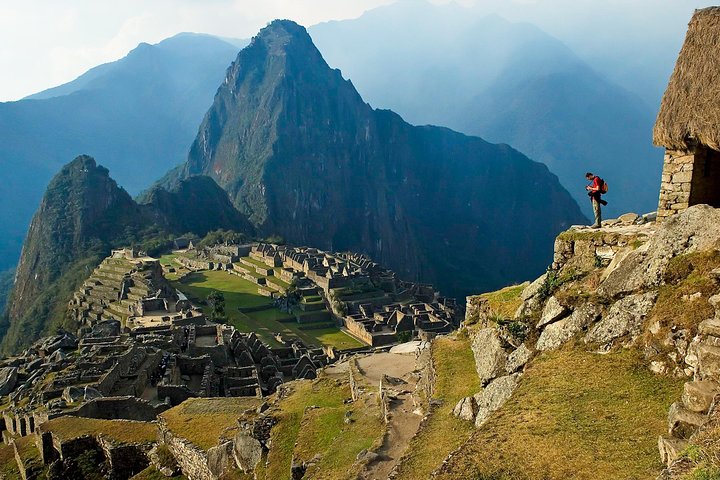


Prices at a glance
What we sell today and what recent flight searches found. No hotel prices; nothing here is a trip total.
- Tours and tickets in Cuscofrom US$75.00
Live from Viator when this page loaded · per adult · changes by date.
Top experiences
Top experiences in Cusco
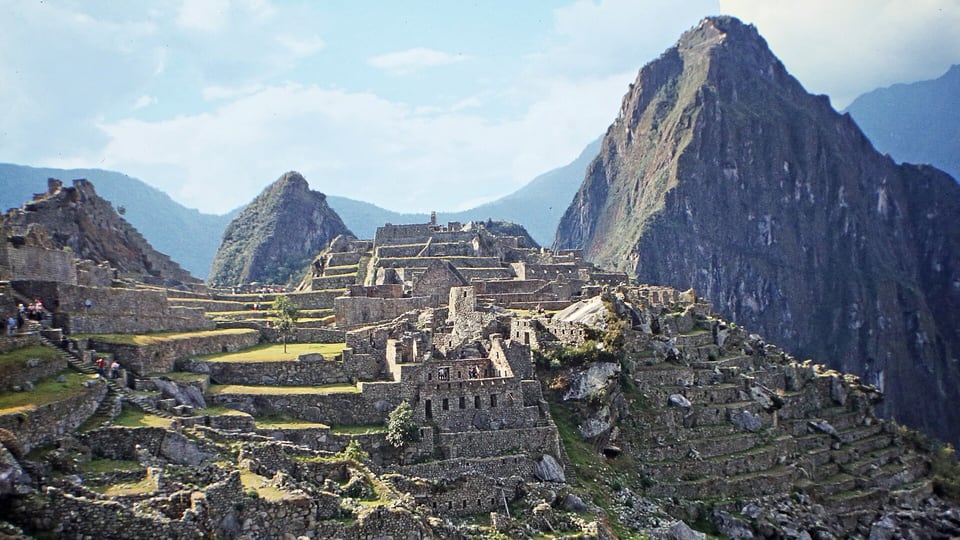
Machu Picchu citadel
A 15th-century Inca citadel built roughly 1450-1470 under Pachacutec, inscribed by UNESCO as a mixed cultural and natural World Heritage Site in 1983 and named a New7Wonders of the World winner in 2007 -- Cusco's entire reason for being on most itineraries.
Best for: First-time visitors and anyone whose Cusco trip centers on seeing the citadel itself · Area: Machu Picchu, roughly 2,430m elevation, reached via Aguas Calientes
Plan for Entry requires an advance-booked timed ticket, and the rules genuinely change often, so details must be verified close to travel.
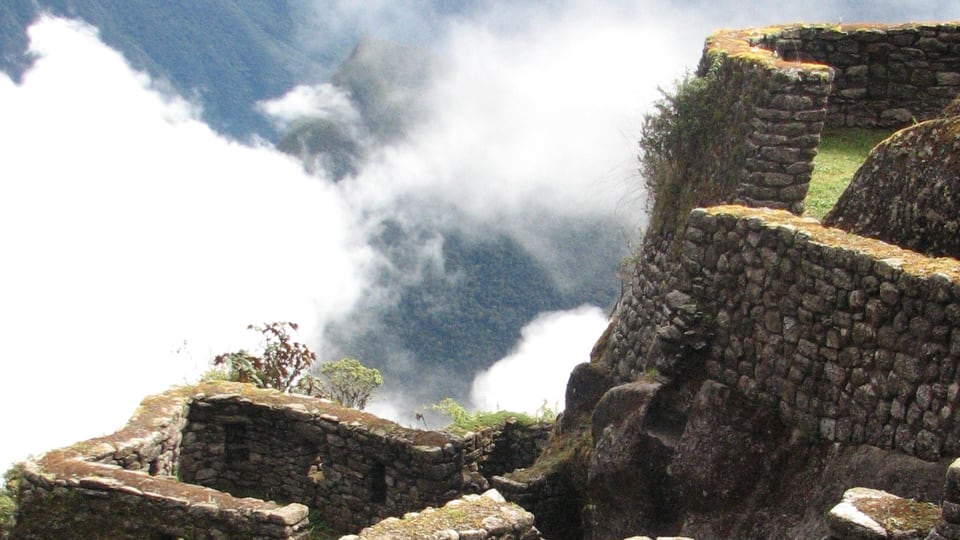
The Inca Trail
A multi-day trek along a real, historic Inca road network into Machu Picchu, capped at 500 people per day (about 200 trekkers plus 300 staff) under a licensed-operator permit system run by Peru's Ministry of Culture.
Best for: Travelers wanting a multi-day trekking approach to Machu Picchu rather than the train, and who can book roughly 5-6 months ahead for peak season · Area: Trailhead near Ollantaytambo, finishing at Machu Picchu
Plan for The trail closes every February for maintenance, reopening 1 March, and permits for the May-September peak season commonly sell out months in advance.
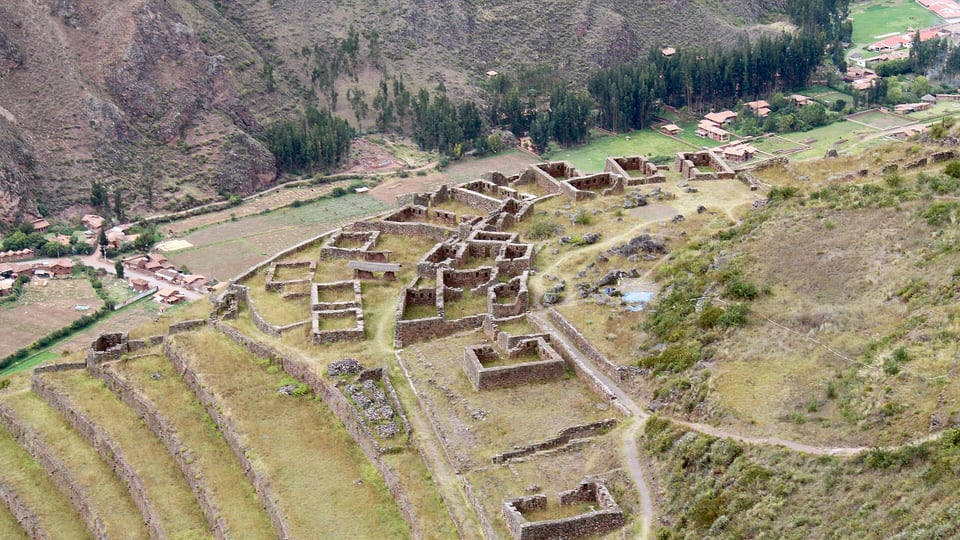
Pisac
Pisac's Inca ruins include an agricultural terrace complex and a cemetery of more than 2,000 tombs cut into the cliffside, paired with a real, still-running Sunday market in the town below.
Best for: Travelers wanting Inca engineering and a genuine local market in the same half-day stop · Area: Sacred Valley, about 30km northeast of Cusco
Plan for The market is busiest and most authentic on Sundays; visiting on other days trades market atmosphere for a quieter ruins visit.
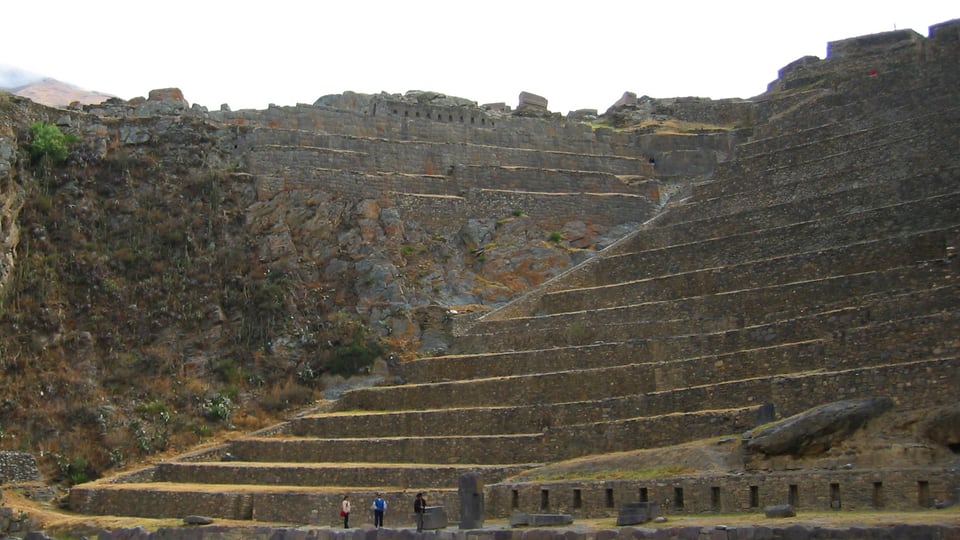
Ollantaytambo
A real, still-inhabited Inca town built on its original grid, and the site of the Inca Empire's most significant documented military victory over Spanish forces, distinct from Pisac's more purely archaeological character.
Best for: Travelers wanting to walk streets Inca families have continuously occupied, not only visit a roped-off ruin · Area: Sacred Valley, about 60km northwest of Cusco; the main train departure point for Machu Picchu
Plan for As a major train departure hub, Ollantaytambo gets crowded around train times; visiting the fortress outside those windows is quieter.
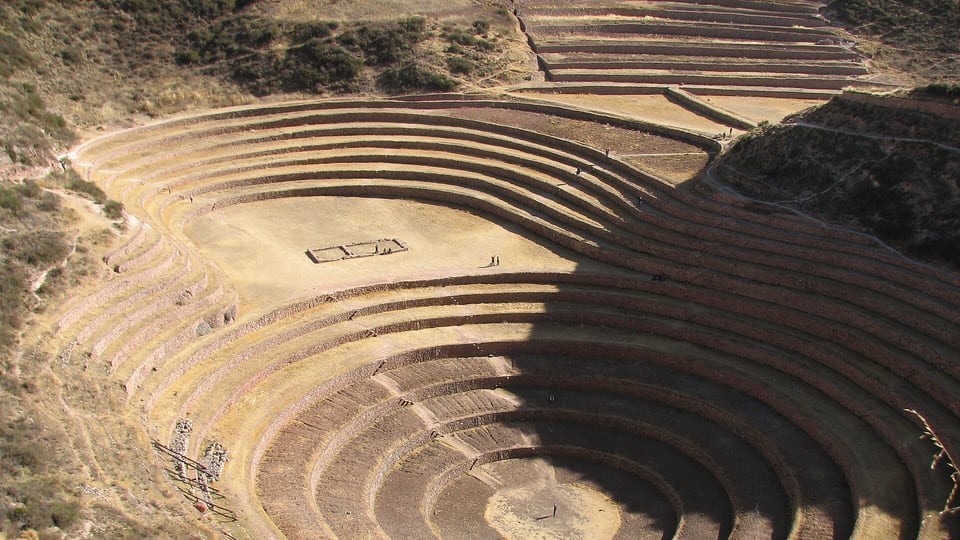
Moray and the Maras salt pans
Moray's circular terraces descend roughly 30m and are widely understood as an Inca agricultural research site, since the design creates up to a 15degC temperature difference between rim and floor. The Maras salt pans nearby are a still-working operation of more than 2,000 individual pools fed by a natural saline spring, run by local families since before the Inca era.
Best for: Travelers wanting real agricultural and engineering history distinct from Machu Picchu's citadel architecture · Area: Sacred Valley, Moray and Maras sit a short drive apart, about 50km from Cusco
Plan for Direct entry into the salt pools themselves has been restricted since June 2019 to protect the harvest; visitors view them from marked paths and viewpoints.
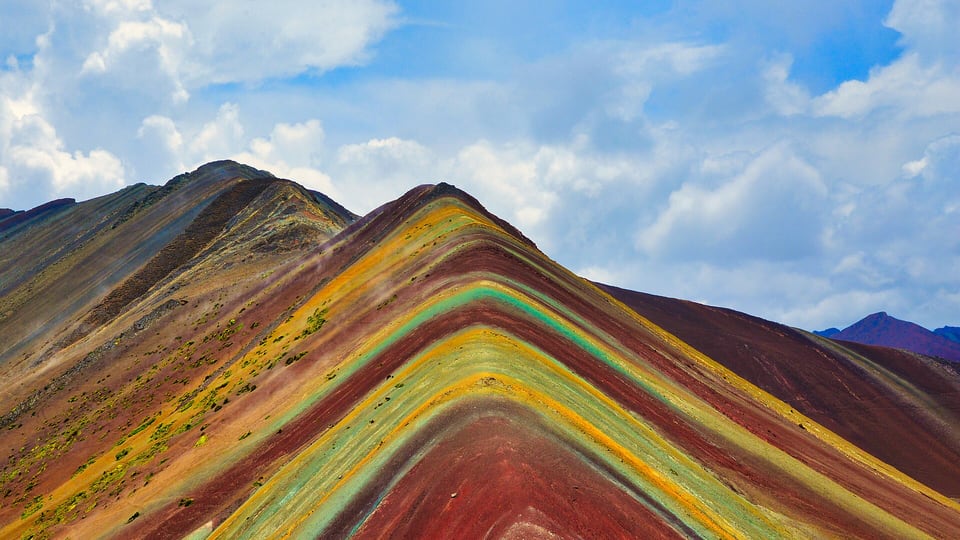
Rainbow Mountain (Vinicunca)
A naturally mineral-striped mountain at a genuinely serious 5,036m (16,522ft) elevation, reached by a roughly 3-5km hike each way after a pre-dawn drive from Cusco -- real high-altitude terrain, not a casual roadside photo stop.
Best for: Travelers who have already spent real acclimatization time in Cusco or the Sacred Valley and want a strenuous, high-elevation hike · Area: About 139km south of Cusco, roughly a 3-hour drive to the trailhead
Plan for At 5,036m, this sits well above Cusco's own 3,399m; attempting it without prior acclimatization raises real altitude-sickness risk.
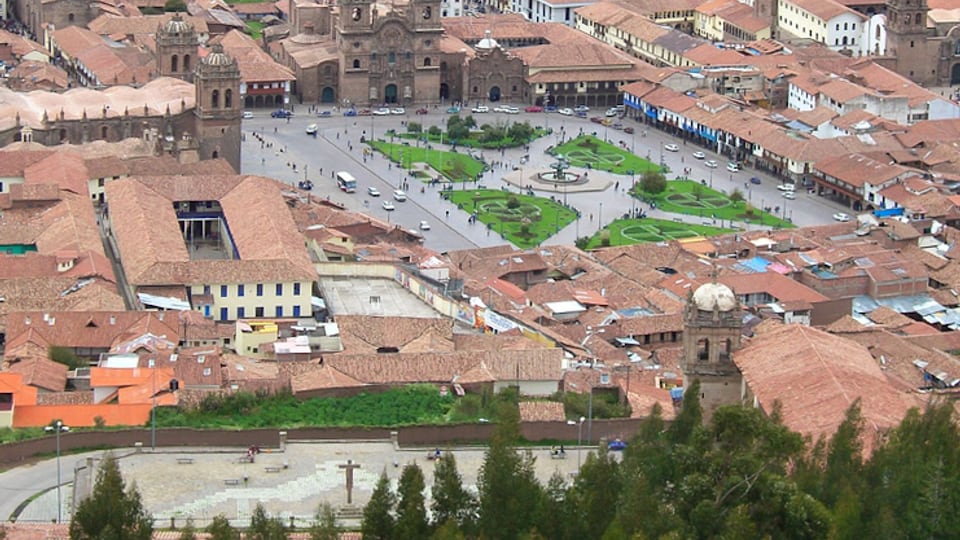
Cusco's historic center and Qorikancha
The Plaza de Armas was the origin point of the four main roads of the Inca road system (Qhapaq Nan), and nearby Qorikancha, once the Inca Empire's most important temple, still shows mortarless Inca stonework supporting a colonial church built directly on top of it.
Best for: Travelers wanting Cusco's own layered Inca-and-colonial identity, not only a jumping-off point for Machu Picchu · Area: Central Cusco, walkable from most hotels
Plan for The historic center sits at Cusco's full 3,399m elevation, so this is genuinely better suited to a visitor's later days than their first hours in the city.
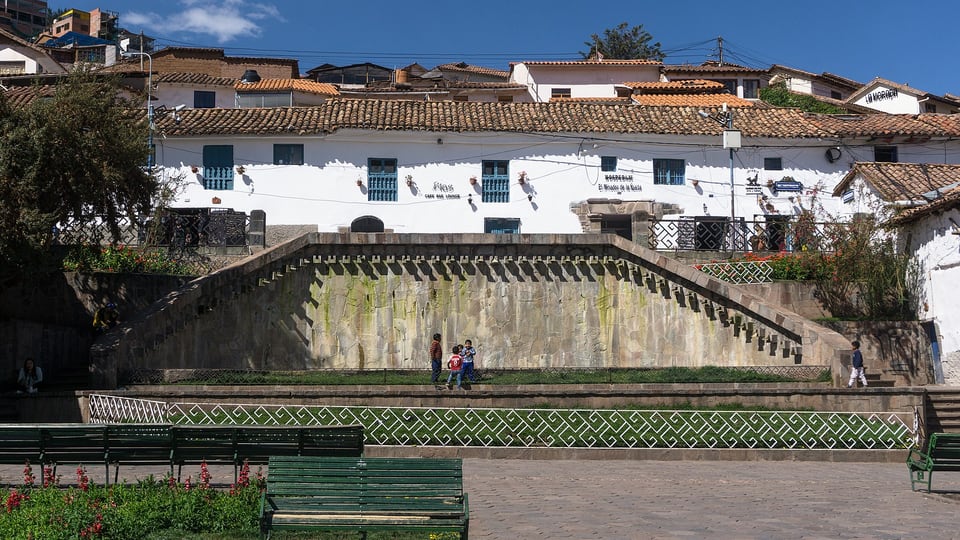
San Blas
A former Inca residential district known as T'oqokachi, now Cusco's artisan quarter, with narrow colonial-era streets built directly over original Inca foundations and walls.
Best for: Travelers wanting a quieter, walkable neighborhood with workshops and local craft shops away from the Plaza de Armas' main crowds · Area: Uphill from central Cusco's Plaza de Armas
Plan for San Blas' steep, narrow streets sit at Cusco's full altitude, so they suit travelers who have already spent at least a day acclimatizing.
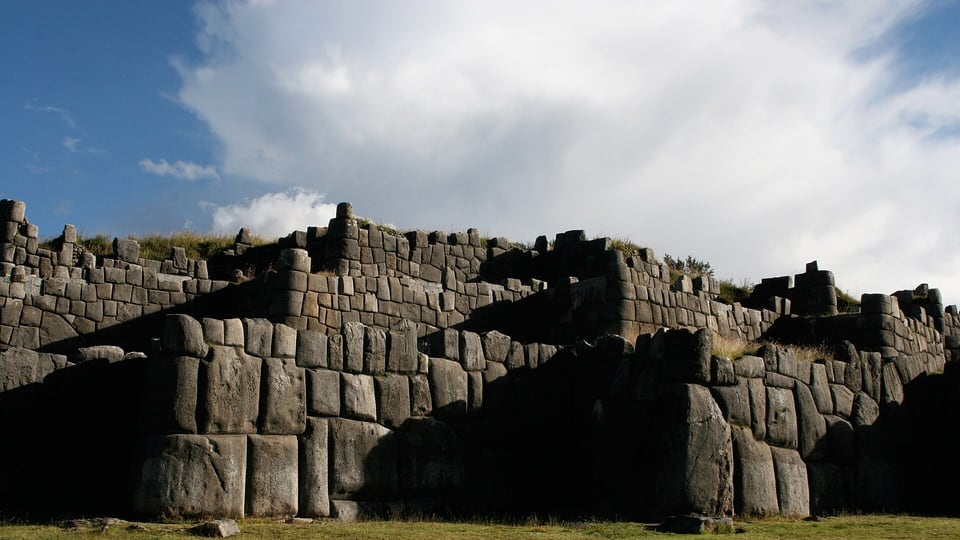
Sacsayhuaman
An Inca fortress and ceremonial complex about 2km north of central Cusco, built from massive polygonal stone blocks fitted together without mortar -- real Inca engineering on a monumental scale, distinct from the smaller-scale walls seen in the city center.
Best for: Travelers wanting to see Inca stonework's largest, most monumental scale without leaving the Cusco area · Area: About 2km north of Cusco's Plaza de Armas, reachable on foot or by taxi
Plan for The walk up from central Cusco gains real elevation on top of the city's already-high base, so it suits travelers past their first acclimatization day.
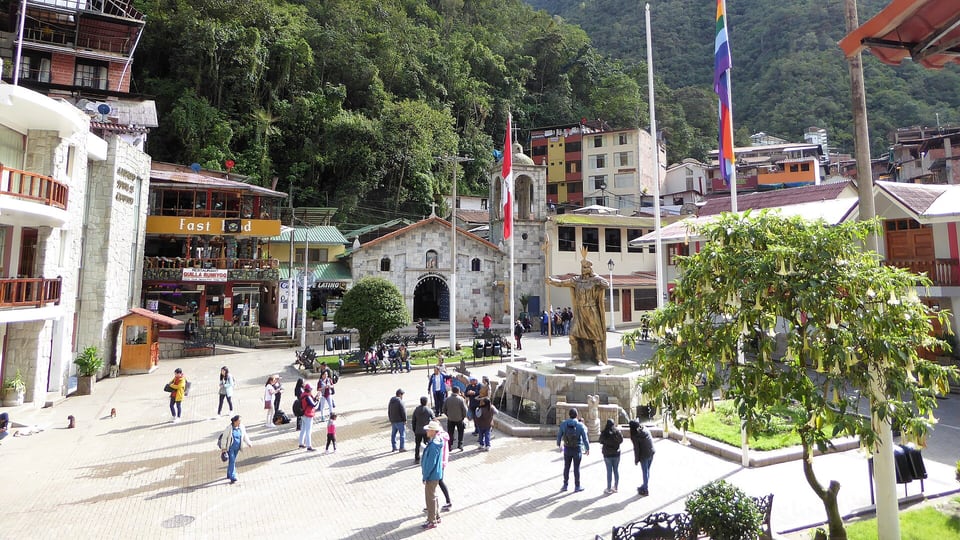
Aguas Calientes (Machu Picchu Pueblo)
The only town at the base of Machu Picchu, reachable solely by train or on foot since no road reaches it, named for the natural hot springs that give the town its colloquial Spanish name.
Best for: Travelers staying overnight before an early Machu Picchu entry, rather than a long single-day round trip from Cusco · Area: Along the Urubamba River, below Machu Picchu itself
Plan for An overnight stay here adds real cost and an extra travel leg versus a single long day trip from Cusco, but it allows an earlier, less rushed citadel entry.
Plan four, seven or ten-plus days in Cusco
Four to five days: the Cusco and Machu Picchu essentials
Pick this length for 1-2 acclimatization days in Cusco, a full Machu Picchu day by train, and one Sacred Valley day covering Pisac or Ollantaytambo.
This fits Cusco's defining sights into a compact trip while still respecting real altitude-acclimatization time before strenuous activity.
The trade-off This length skips the Inca Trail and Rainbow Mountain entirely, so it suits travelers prioritizing Machu Picchu itself over multi-day trekking or high-altitude hikes.
Seven or more days: add the Inca Trail or Rainbow Mountain
Pick this length once either the multi-day Inca Trail trek or Rainbow Mountain's full-day high-altitude hike matters, plus a second Sacred Valley day for Moray and the Maras salt pans.
This spreads Cusco's sightseeing across more days and adds real trekking or high-altitude hiking beyond the Machu Picchu-and-Sacred-Valley essentials.
The trade-off This length still requires booking the Inca Trail roughly 5-6 months ahead for peak season, since its daily permit quota fills up early.
Ten or more days: both the Inca Trail and Rainbow Mountain
Pick this approach to genuinely fit both the multi-day Inca Trail trek and Rainbow Mountain's high-altitude hike into one trip, with real acclimatization time built in between them.
Both activities sit at real elevations above Cusco's own 3,399m, so spacing them apart with rest days lowers altitude-sickness risk across the trip.
The trade-off A shorter trip cannot safely fit both high-altitude activities back to back; travelers should prioritize one over the other if time is limited.
Sources
checked 2026-09-25. Recommendations are editorial judgements based on the cited sources below.
Choose a Cusco base and explore nearby
Historic Center: a base for walkability and Qorikancha
Consider this base for walkable access to Qorikancha, the Plaza de Armas and the widest choice of restaurants and tour pickups.
This puts Cusco's core historic sights within a short walk, since most hotels, restaurants and tour operators are centered here.
The trade-off Choosing this area means real demand and higher prices during Cusco's dry-season peak (May-September).
San Blas: a base for a quieter, artisan-quarter pace
Consider basing in San Blas for boutique hotels and artisan workshops within a short, steep walk of the historic center.
This puts Cusco's former Inca district and its craft shops on your doorstep, uphill from the Plaza de Armas.
The trade-off Basing here means steeper walks at Cusco's full altitude, better suited to travelers past their first acclimatization day.
Sacred Valley: a lower-altitude base for acclimatization
Consider spending a night or two in the Sacred Valley, which sits genuinely lower than Cusco, before attempting Machu Picchu, the Inca Trail or Rainbow Mountain.
This trades Cusco's own historic-center convenience for real acclimatization benefit at a lower elevation before strenuous activity.
The trade-off Basing in the Sacred Valley means less immediate access to Cusco's own historic-center restaurants and nightlife.
Sources
checked 2026-09-25. Recommendations are editorial judgements based on the cited sources below.
Airport, safety and getting around
Alejandro Velasco Astete International Airport (CUZ) remains Cusco's operating gateway at 3,310m, handling roughly 3 million passengers in 2023. The planned Chinchero replacement is still under construction with no assigned airport code; verify both airports' current status close to travel.
Machu Picchu has no road access: reach it by train from Cusco (Poroy, about 3h30) or Ollantaytambo (about 1h45) to Aguas Calientes, then a shuttle bus, or on foot via the Inca Trail.
The UK FCDO's Peru travel advice does not flag Cusco or Machu Picchu as restricted; its 'essential travel only' guidance names only the Peru-Colombia border area and the VRAEM region, both far from Cusco.
Best time to visit
Winter (June-August)
Cusco's dry-season peak (Southern Hemisphere winter): the clearest skies and most reliable trekking conditions of the year, but also real peak demand -- Inca Trail permits for July and August commonly sell out months ahead.
- Crowds
- High
Spring (September-November)
A genuine transitional window as the dry season eases: October brings lighter rain than the wet season proper and thinner crowds than peak winter, while trails and Sacred Valley sites remain fully open.
- Crowds
- Varies by event and attraction
Summer (December-February)
Cusco's wet season (Southern Hemisphere summer), heaviest in January and February. The Inca Trail specifically closes every February for maintenance, reopening 1 March, though Machu Picchu itself stays reachable by train year-round.
- Crowds
- Low
Autumn (March-May)
Rain tapers off through March and April as the wet season ends, and by April a genuine transitional window returns with lighter rain and thinner crowds than peak dry-season winter.
- Crowds
- Varies by event and attraction
Food and local life
Cusco's Andean cuisine centers on real, specific highland ingredients: cuy (roasted guinea pig), alpaca meat, and quinoa-based soups, alongside chicha morada, a purple-corn drink, rather than a generic 'South American food' label.
Coca tea (mate de coca) is a genuinely common local response to Cusco's altitude, served in many hotels and cafes; it is a real regional custom tied directly to the city's elevation, not a tourist novelty drink.
San Pedro Market, near the historic center, is a real, working local market selling produce, cheese, juices and prepared food stalls, distinct from the more tourist-facing restaurants around the Plaza de Armas.
The pisco sour, Peru's national cocktail made from pisco grape brandy, lime and egg white, is widely served across Cusco's restaurants and bars alongside the city's Andean specialities.
City profile
- Population (Cusco city, 2017 national census (most recent published census figure), 2017): 428,450
Cusco was founded around the 12th century, according to Inca tradition by Manco Capac, and became the capital of the Inca Empire (Tawantinsuyu) from the 13th century until the Spanish conquest in 1532-1533.
Under Pachacutec (reigned 1438-1471), the ninth Sapa Inca, Cusco expanded from a regional city-state into the empire that stretched along the Andes. Machu Picchu itself dates to his reign, built roughly 1450-1470.
Francisco Pizarro's forces arrived in November 1533 and formally re-founded the city on 23 March 1534. UNESCO declared the city of Cusco a World Heritage Site in 1983, the same year as Machu Picchu.
Famous for:
- Cusco is the gateway to Machu Picchu, the Inca citadel that UNESCO inscribed as a mixed cultural and natural World Heritage Site in 1983 and that a 2007 global popular vote named one of the New7Wonders of the World.
- Its historic center layers colonial Spanish architecture directly onto original Inca stonework -- most visibly at Qorikancha, once the Inca Empire's most important temple, where mortarless Inca walls still support a colonial church built on top.
- The Cusco region remains a living center of Quechua language and culture: about 63% of the department's population speaks Quechua today, not only a historical language tied to the Inca Empire's ruins.
What makes a Cusco visit worthwhile
Machu Picchu is the real draw: a 15th-century Inca citadel UNESCO inscribed as a mixed cultural and natural World Heritage Site in 1983, and a site the New7Wonders Foundation's 2007 global popular vote named one of the New Seven Wonders of the World.
Machu Picchu is often called a 'lost city', but a 1902 expedition reached it and local Quechua families were farming its terraces when Hiram Bingham arrived in 1911. Bingham even found explorer Agustin Lizarraga's own 1902 charcoal inscription at the site and first credited him as discoverer in his journal, before later downplaying earlier visitors in his published work.
Cusco itself sits at 3,399m (11,152ft), genuinely high enough that altitude sickness (soroche) is a real risk, not a minor inconvenience. Research cited by Cusco travel-medicine guides finds more than a third of visitors experience symptoms, typically 6-24 hours into a stay.
Spending 1-2 days acclimatizing before strenuous activity, staying hydrated, and avoiding alcohol in the first day are the standard precautions; many Cusco hotels offer coca tea or oxygen, and the only reliable cure for severe symptoms is descending to lower elevation.
Peru's Ministry of Culture sets Machu Picchu's entry rules, and the entry system genuinely changes often: circuit structures, timed-entry windows and daily caps have all been revised multiple times in recent years, most recently in November 2025.
This page states current rules as researched, but travelers should confirm the circuit, entry time and price on their ticket before finalizing plans, since a snapshot taken today will not stay accurate indefinitely.
Machu Picchu has no road access at all: every visitor arrives either by train from Cusco or Ollantaytambo to Aguas Calientes, then bus up to the site, or on foot via the Inca Trail, a multi-day trek capped at a real, limited daily permit quota.
The Sacred Valley between Cusco and Machu Picchu holds several genuinely distinct sites worth differentiating: Pisac's ruins and Sunday market, Ollantaytambo's still-inhabited Inca town and fortress, Moray's circular agricultural terraces, and the Maras salt pans, a still-working, centuries-old salt operation.
Cusco was the historic capital of the Inca Empire, but Quechua language and culture are living, present-day realities in the region, not only archaeological history: roughly 63% of the department's population speaks Quechua, concentrated in rural areas.
Rainbow Mountain (Vinicunca) draws travelers to its naturally mineral-striped slopes at a genuinely serious 5,036m (16,522ft), well above Cusco itself, so operators and this page both recommend real acclimatization time beforehand rather than treating it as a casual add-on.
The rainy season runs roughly November to March, wettest in January and February; the Inca Trail specifically closes every February for maintenance and reopens 1 March, a real, dated closure rather than a vague seasonal caution.
- Plan by trip type
- Machu Picchu by train, Sacred Valley day trips, a multi-day Inca Trail trek, Rainbow Mountain, and Cusco's own Inca-and-colonial historic center
- Good first stay
- 4-5 days: 1-2 acclimatizing in Cusco, Machu Picchu by train, one Sacred Valley day. 7+ days adds the Inca Trail or Rainbow Mountain.
- Altitude
- Cusco sits at 3,399m (11,152ft); soroche (altitude sickness) affects over a third of visitors -- plan 1-2 acclimatization days before strenuous activity
- Main gateway
- Alejandro Velasco Astete International Airport (CUZ) still operates Cusco; the planned Chinchero replacement remains under construction, not yet open
Planning your Cusco visit: FAQs
How serious is altitude sickness in Cusco, and how should I prepare?
Genuinely serious -- Cusco sits at 3,399m, and more than a third of visitors experience soroche symptoms, typically 6-24 hours after arrival. Plan 1-2 acclimatization days, stay hydrated, avoid alcohol at first, and consider coca tea; descend if symptoms are severe.
Do Machu Picchu's ticket rules actually change, and where do I check the current ones?
Yes, genuinely often -- Peru's Ministry of Culture revised circuit structures and entry rules again in November 2025. Confirm the circuit and entry time on your ticket before finalizing plans.
Was Machu Picchu really a 'lost city' before its 1911 rediscovery?
Not to local people -- a 1902 expedition reached the site, and Quechua families were farming its terraces when Hiram Bingham arrived in 1911. Bingham brought Machu Picchu to international attention; he did not discover it.
How do I actually get to Machu Picchu?
By train from Cusco (Poroy, about 3h30) or Ollantaytambo (about 1h45) to Aguas Calientes, then a shuttle bus up to the site -- or on foot via the Inca Trail, a multi-day trek with a permit quota of about 500 people per day.
Is Quechua culture still alive around Cusco today, not just historical?
Yes -- roughly 63% of the Cusco department's population speaks Quechua today, concentrated in rural areas, making it a genuinely living regional language and culture rather than only an Inca-era historical reference.
Which airport do I fly into for Cusco, and is the new Chinchero airport open yet?
Fly into Alejandro Velasco Astete International Airport (CUZ), still fully operational. The planned Chinchero replacement remains under construction with no assigned airport code, and its opening has repeatedly slipped -- verify its status close to your travel dates.
When is the rainy season, and does it close the Inca Trail?
The wet season runs roughly November-March, heaviest in January and February. The Inca Trail specifically closes every February for maintenance, reopening 1 March; Machu Picchu itself stays reachable by train year-round.
Is Rainbow Mountain worth the extra altitude above Cusco?
It can be, but only after real acclimatization -- Rainbow Mountain sits at 5,036m, well above Cusco's own 3,399m, so operators and this page both recommend at least 48-72 hours acclimatizing first.
Make your Cusco plans
Compare tours, tickets and activities in Cusco →
Choose your departure market and search flights to Cusco from the Mubboo Flights homepage.
Compare flights ↗Sources
Latest source check: .
Show all 20 sources
- Wikipedia -- Machu Picchu (checked 2026-09-25)
- Wikipedia -- Cusco (checked 2026-09-25)
- Wikipedia -- Alejandro Velasco Astete International Airport (checked 2026-09-25)
- Wikipedia -- Chinchero International Airport (checked 2026-09-25)
- Peru Ministry of Culture -- tuboleto.cultura.pe Machu Picchu tickets (checked 2026-09-25)
- PeruRail -- Tickets to Machu Picchu and visit circuits 2026 (checked 2026-09-25)
- SAM Travel Peru -- Inca Trail permits and availability 2026-2027 (checked 2026-09-25)
- Fertur Travel -- Altitude sickness in Cusco: symptoms, prevention and remedies (checked 2026-09-25)
- GOV.UK -- Peru travel advice (checked 2026-09-25)
- Wikipedia -- Vinicunca (Rainbow Mountain) (checked 2026-09-25)
- Wikipedia -- Moray (Inca ruin) (checked 2026-09-25)
- PeruForLess -- Maras Salt Mines: visiting the Salineras de Maras (checked 2026-09-25)
- Wikipedia -- Aguas Calientes, Peru (checked 2026-09-25)
- Wikipedia -- Ollantaytambo (checked 2026-09-25)
- Wikipedia -- Sacsayhuaman (checked 2026-09-25)
- Wikipedia -- Quechuan languages (checked 2026-09-25)
- Joshua Project -- Quechua, Cuzco people group profile, Peru (checked 2026-09-25)
- The booking platform -- Cusco destination mapping d937 (checked 2026-09-25)
- New7Wonders Foundation -- Machu Picchu (checked 2026-09-25)
- Wikipedia -- Hiram Bingham III (checked 2026-09-25)
Photo credits
- machu picchu citadel — W. Bulach · CC BY-SA 4.0.
- inca trail trek — Steve Pastor at English Wikipedia · CC BY 3.0.
- sacred valley pisac — TeshTesh · CC BY-SA 4.0.
- sacred valley ollantaytambo — Bcasterline at English Wikipedia · Public domain.
- moray maras salt pans — Ed88 · CC BY-SA 3.0.
- rainbow mountain — Yifan Wang · CC BY 2.0.
- cusco historic center — Joachim Pietsch derivative work: MrPanyGoff · CC BY-SA 2.0.
- san blas — Alexey Komarov · CC BY-SA 4.0.
- sacsayhuaman — Esoltas · Public domain.
- aguas calientes — Arabsalam · CC BY-SA 4.0.
Mubboo Editorial Team · Reviewed by Mubboo Editorial Team


