
Cape Town travel guide
Cape Town
Cape Town is anchored by Table Mountain and the City Bowl, with the V&A Waterfront and Atlantic seaboard close by, while Cape Point, Boulders Beach and the Cape Winelands are separate day trips down the peninsula or inland, not extensions of the city itself.
Most first visits centre on Table Mountain, the City Bowl and Bo-Kaap, and one full Cape Peninsula day; a longer stay adds a genuine Cape Winelands day and Robben Island, both worth booking early rather than left to the day itself.

Find your Cape Town experience
Explore Cape Town Before You Book
Take a virtual drive or walk, then find tours and tickets for the places you like.

Activities
Featured activities in Cape Town


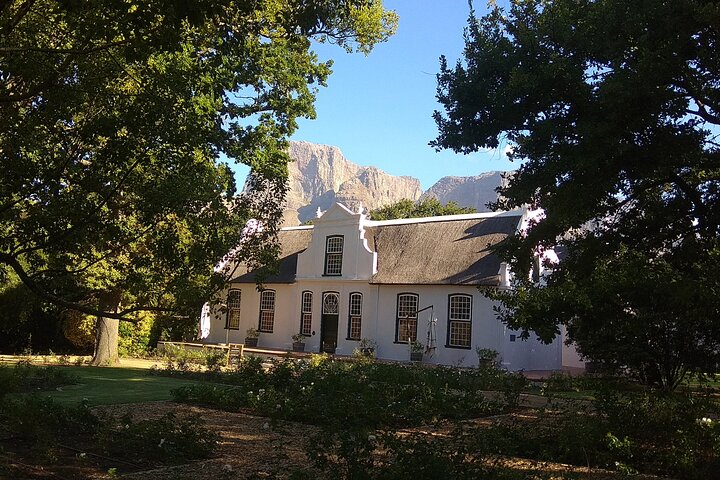
Prices at a glance
What we sell today and what recent flight searches found. No hotel prices; nothing here is a trip total.
- Tours and tickets in Cape Townfrom US$43.09
Live from Viator when this page loaded · per adult · changes by date.
Flights to Cape Town
- From Windhoekone-way from NAD 2,225
Lowest fare seen in recent flight searches for that route; the airline or booking site confirms the final fare.
Top experiences
Top experiences in Cape Town
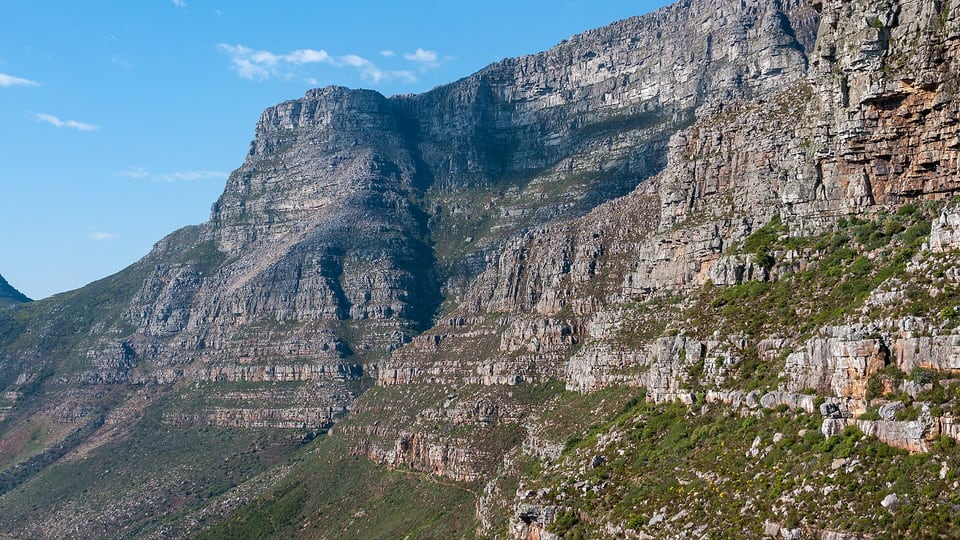
Table Mountain and the Aerial Cableway
Table Mountain National Park’s cableway has carried about a million passengers a year to the summit since 1929, but it is a real weather system, not a ride: high wind or heavy cloud genuinely closes it, sometimes for days.
Best for: Every first-time visitor, ideally scheduled with a spare day rather than a single fixed slot · Area: City Bowl, lower cableway station on Tafelberg Road
Plan for A clear-sky day is not enough on its own: the operator’s own updates show multi-day closures in high wind or cloud, so a plan with no backup day risks missing the summit entirely.
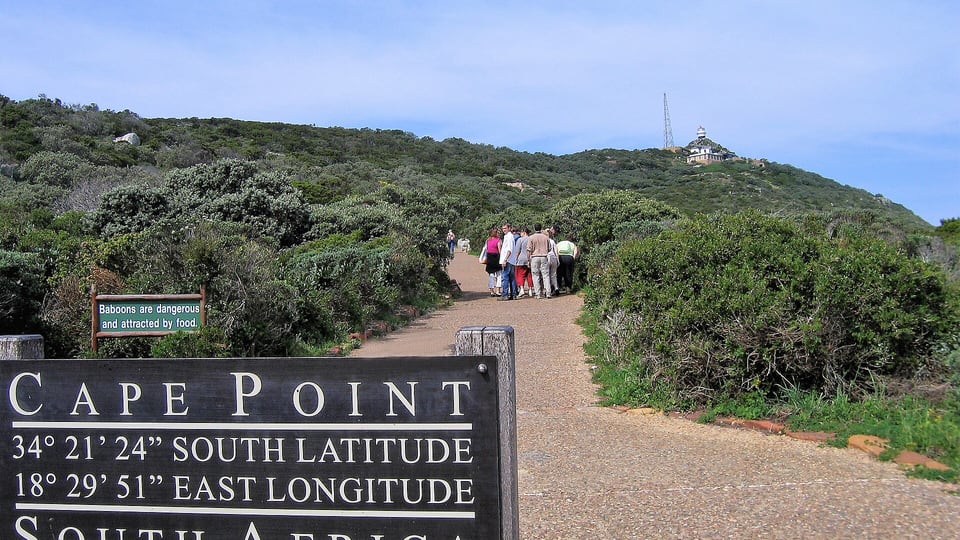
Cape Point and the Cape of Good Hope
Cape Point and the Cape of Good Hope are two distinct headlands 2.3km apart inside Cape Point Nature Reserve, each with its own lighthouse history, and neither is genuinely where the Atlantic and Indian Oceans meet, despite the popular claim.
Best for: Travellers who want the peninsula’s dramatic cliffs and are willing to have the "two oceans" myth corrected rather than repeated · Area: Cape Point Nature Reserve, the southern section of Table Mountain National Park
Plan for The Flying Dutchman Funicular saves the uphill walk to the lighthouse but adds a queue in peak season; walking instead is free and unhurried but genuinely steep.
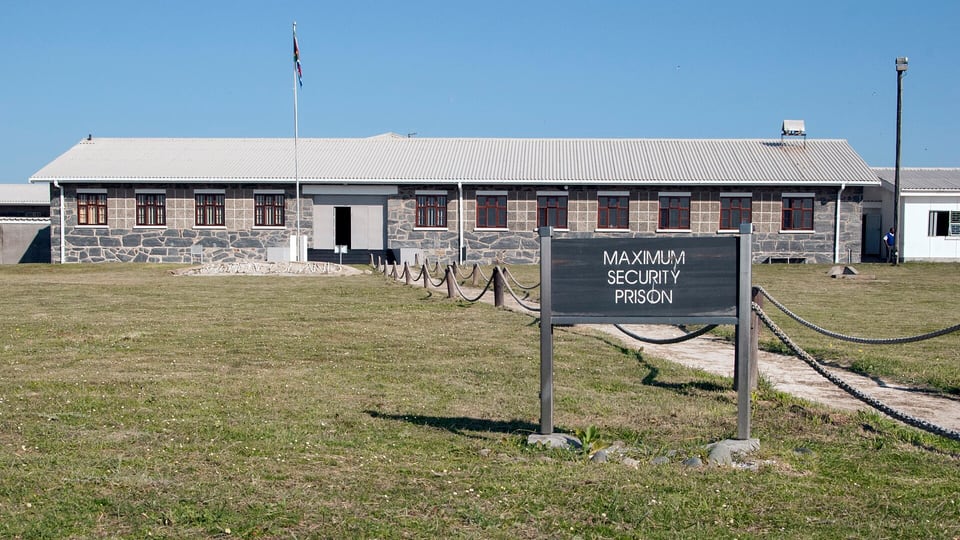
Robben Island
Robben Island held Nelson Mandela for 18 of his 27 years in prison and has been a UNESCO World Heritage Site since 1999, reached only by a capacity-controlled ferry from the V&A Waterfront’s Nelson Mandela Gateway.
Best for: Every first-time visitor willing to book ahead rather than decide on the day · Area: V&A Waterfront departure point; the island itself sits in Table Bay
Plan for Tours frequently sell out in peak season and any crossing can be cancelled for rough weather, so this is one of the few Cape Town experiences worth booking before anything else on the itinerary.
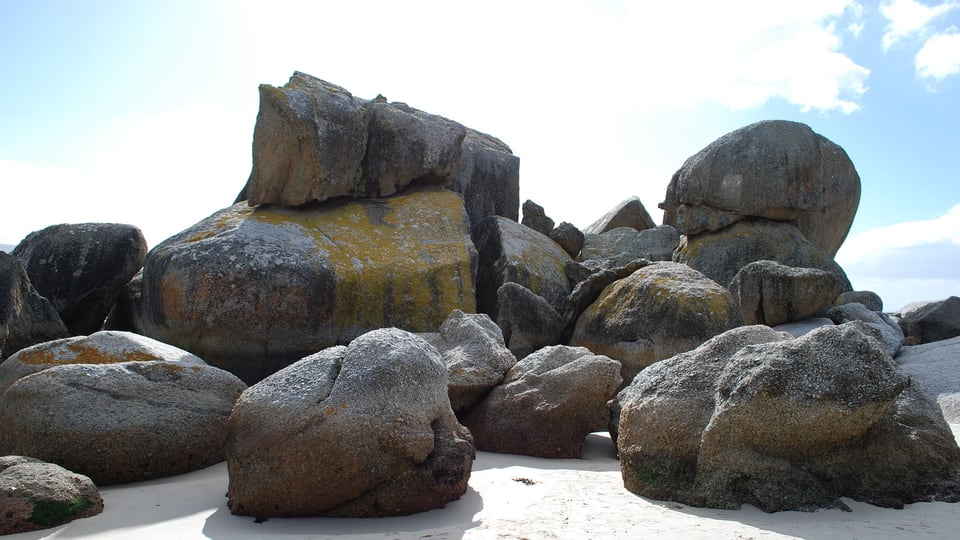
Boulders Beach African Penguin Colony
Boulders Beach’s African penguin colony grew from two breeding pairs in 1982 to roughly 3,000 birds, but the species itself was uplisted to Critically Endangered on the IUCN Red List in 2024 after losing more than 90% of its population.
Best for: Travellers who want a real, close-up wildlife encounter and are interested in its genuine conservation stakes, not just a photo stop · Area: Near Simon’s Town, within Table Mountain National Park
Plan for Boardwalks keep visitors a few metres from the birds without disturbing them, but they also mean this is a controlled viewing experience, not open beach access to the colony itself.
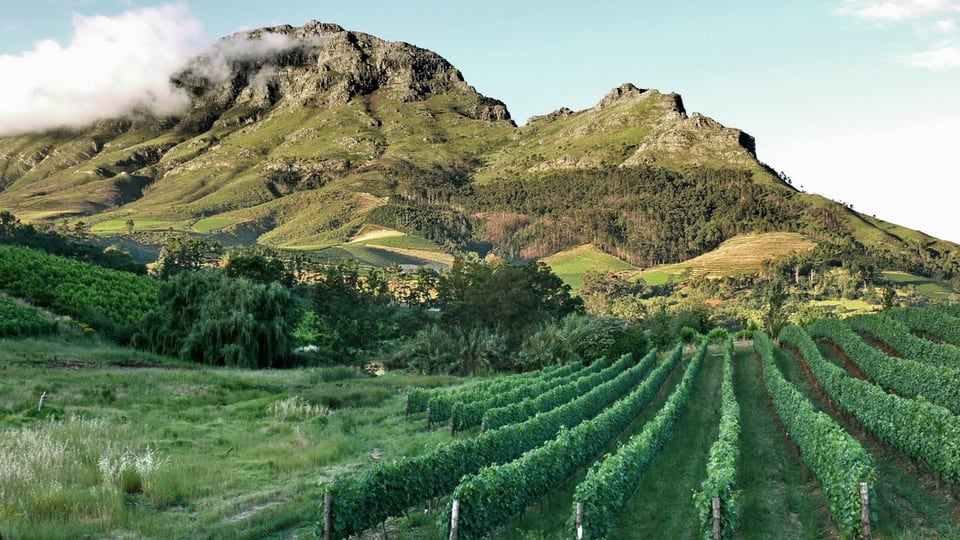
Cape Winelands Day Trip: Stellenbosch, Franschhoek and Paarl
Stellenbosch, Franschhoek and Paarl are three genuinely different towns, a university wine city, a French Huguenot food town and a KWV cooperative town beneath Paarl Mountain, not one generic "Winelands" stop.
Best for: Travellers with a full day who want real town-to-town contrast rather than one estate · Area: Cape Winelands, 51-75km inland from Cape Town
Plan for Covering all three well in one day is a stretch; Stellenbosch’s closer 51km makes it the easiest single-town half day, while Franschhoek and Paarl each add 45-50 minutes each way.
See Cape Winelands Day Trip: Stellenbosch, Franschhoek and Paarl tours
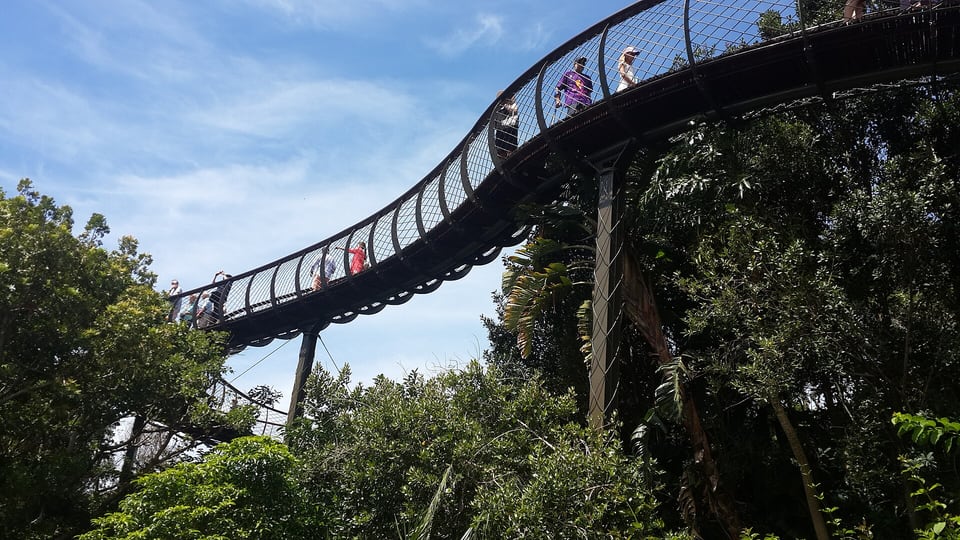
Kirstenbosch National Botanical Garden
Kirstenbosch, set aside in 1913 and now run by the South African National Biodiversity Institute, covers 528 hectares of Table Mountain’s eastern slope and holds over 700 indigenous southern African plant taxa within the Cape Floristic Region.
Best for: Travellers wanting Cape Town’s botanical and fynbos identity in one well-managed, accessible site · Area: Southern Suburbs, on Table Mountain’s eastern slope
Plan for The Boomslang canopy walkway is popular enough to queue for on a summer weekend, so an early or late-afternoon visit spreads out more comfortably.
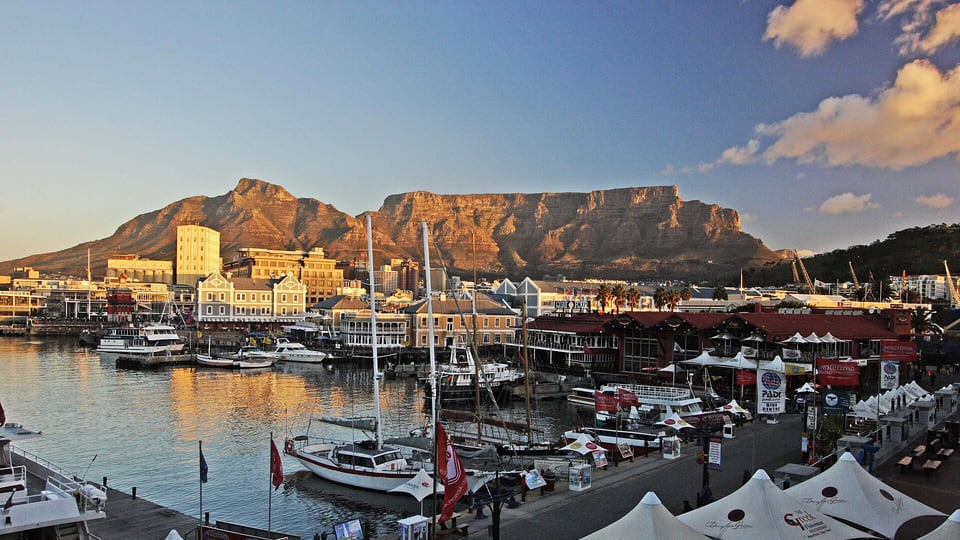
V&A Waterfront
The V&A Waterfront, redeveloped from a working harbour starting in 1988, now draws roughly 24 million visitors a year across 450-plus shops, the Two Oceans Aquarium and the Zeitz Museum of Contemporary Art Africa in a converted grain silo.
Best for: Travellers wanting an easy, level, weather-flexible day and the departure point for Robben Island · Area: Cape Town harbour, north of the City Bowl
Plan for Its popularity and mall-like scale trade City Bowl history and character for convenience, level walking and reliable indoor options on a rainy winter day.
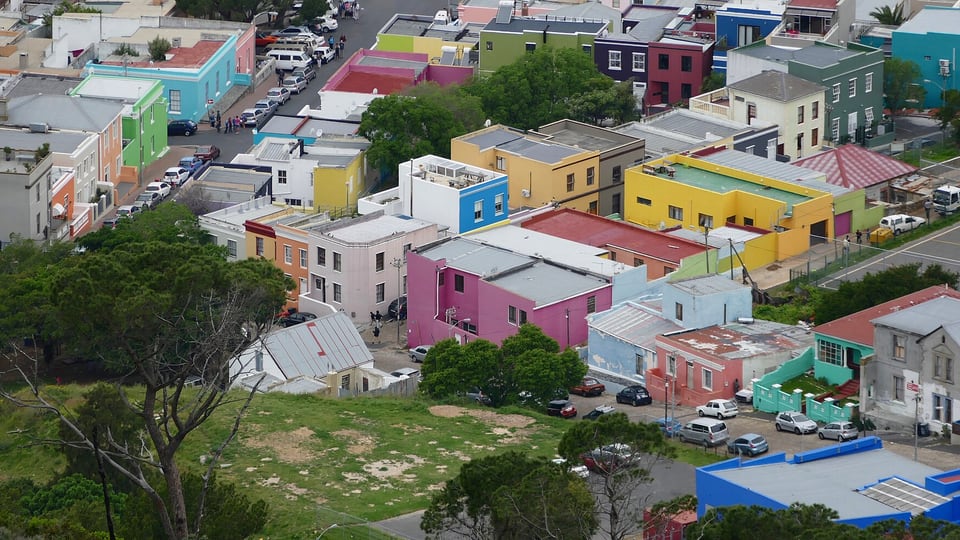
Bo-Kaap
Bo-Kaap’s cobbled, brightly-painted streets sit above South Africa’s first mosque, the 1794 Auwal Mosque, but the colourful-houses tradition itself is a genuinely more recent, late-20th-century practice, not the freed-slave origin story often repeated.
Best for: Travellers wanting a specific, well-documented Cape Muslim history rather than a generic "colourful street" photo stop · Area: City Bowl’s northern slope, facing Signal Hill
Plan for Bo-Kaap is a real, lived-in residential neighbourhood, so visiting respectfully in daylight and being mindful of residents matters more here than at a purely commercial attraction.
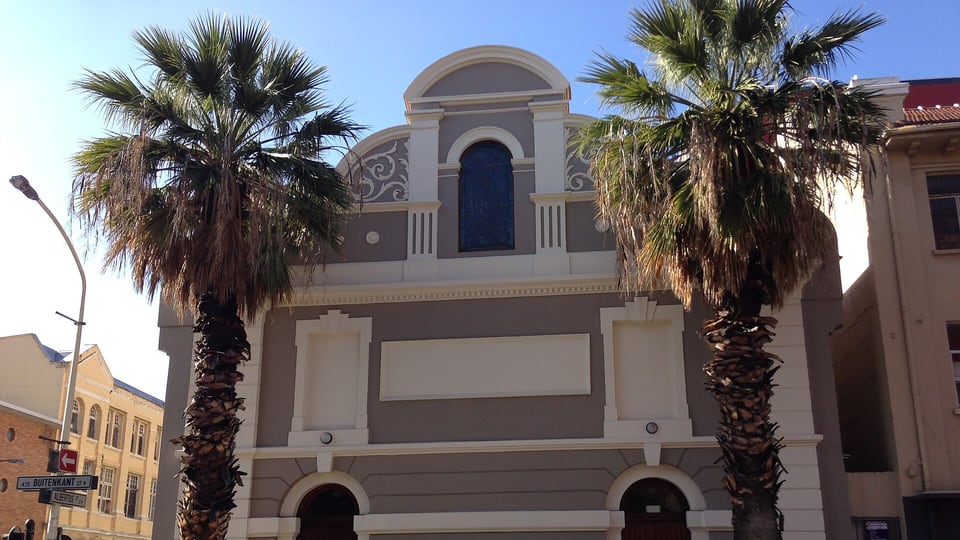
District Six Museum
District Six was declared whites-only under the Group Areas Act on 11 February 1966, and by 1982 more than 60,000 residents had been forcibly removed and their homes bulldozed; the District Six Museum, opened in 1994, documents this through former residents’ own testimony.
Best for: Travellers wanting a specific, dated, primary-source account of apartheid-era forced removals rather than a general history summary · Area: City Bowl, near the CBD
Plan for Much of the original District Six remains undeveloped vacant land today, so the museum itself, not a restored neighbourhood, carries the site’s history.
Plan three, five or seven days in Cape Town
Three to four days: the city itself and one peninsula day
Pick this length when Table Mountain, the City Bowl and one full Cape Peninsula day are the goal, and build a spare morning into the schedule in case the cableway is weathered out.
The City Bowl, Bo-Kaap, the Waterfront and the peninsula sit within a manageable radius of each other, so this length covers Cape Town’s core without a long drive each day.
The trade-off A three-to-four-day trip has to skip both Robben Island’s advance-booking window and a full Winelands day, so this length suits a city-and-peninsula-focused visit.
Five to six days: add Robben Island and the Winelands
Pick this length once a real Robben Island crossing and a proper Cape Winelands day both matter enough to justify two extra full days away from the city centre.
Robben Island’s advance-booking need and the Winelands’ real drive times both need their own dedicated day rather than being squeezed into a city-day itinerary.
The trade-off Adding both means booking Robben Island early in the planning process, since it is the one experience most likely to need a reschedule.
A week or more: unhurried, with real weather buffers
Pick this length to spread Table Mountain, Robben Island and the peninsula across days with genuine backup slots, since both the cableway and the ferry are honestly weather-dependent.
A week or more absorbs a weather-cancelled cableway day or ferry crossing without forcing a missed experience off the itinerary entirely.
The trade-off This length costs more travel time overall, but it is the only one that comfortably tolerates the real closures both the cableway and the ferry can have.
Sources
checked 2026-09-24. Recommendations are editorial judgements based on the cited sources below.
Choose a Cape Town base and explore nearby
The City Bowl: a base for the shortest walk to the core sights
Consider this base when minimising travel time to Bo-Kaap, the District Six Museum and the cableway’s lower station matters most.
The City Bowl puts most of central Cape Town’s historic sights within a short walk or a quick taxi ride.
The trade-off Choosing the City Bowl trades beach access for central convenience, a fair swap for a first visit centred on the mountain and the CBD.
The V&A Waterfront: a base for easy logistics and Robben Island access
Consider the Waterfront when level, easy walking, hotel choice and same-morning Robben Island ferry access matter more than City Bowl history.
The Waterfront’s flat promenades and dense hotel stock make it the lowest-friction base for a first visit, with the Nelson Mandela Gateway on-site.
The trade-off Basing at the Waterfront means a short taxi ride into the City Bowl for Bo-Kaap and District Six rather than a walk.
The Atlantic Seaboard or Southern Suburbs: a base for scenery or quiet
Consider Camps Bay or Clifton for sunset views and beach restaurants, or Constantia and Newlands for a quieter, greener base near Kirstenbosch.
Both trade central City Bowl convenience for a genuinely different daily rhythm, coastal scenery on one side, garden and wine-estate quiet on the other.
The trade-off Either choice means a car or regular taxi rides back into the City Bowl and Waterfront for sightseeing.
Sources
checked 2026-09-24. Recommendations are editorial judgements based on the cited sources below.
Airport, safety and getting around
Cape Town International Airport (CPT) sits about 20km from the city centre, roughly an 18-25 minute drive via the N2 depending on traffic, and is the country’s second-busiest airport after Johannesburg.
The UK FCDO’s own current advice states plainly that violent crime and targeted attacks have increased on routes to and from Cape Town airport, including incidents involving visitors in hired cars. It recommends staying on the main M3 and N2 roads rather than following a GPS route that diverts through back streets.
The same FCDO advice names a second, specific current risk: recent violent attacks and muggings against hikers and foreign tourists inside Table Mountain National Park. Official guidance is to hike only in groups of four or more on marked, busy trails rather than alone or with just one companion.
MyCiTi bus rapid transit covers the City Bowl, Atlantic Seaboard and the airport route, while ride-hailing apps and metered taxis cover most other trips. The FCDO’s general advice to keep valuables out of sight in a parked car and hide your ATM PIN applies city-wide, not only in high-crime districts.
Best time to visit
Summer (December-February)
December to February is Cape Town’s peak season: hot, dry days around 20-30°C, negligible rain, and the strongest run of the "Cape Doctor" southeaster wind, which locals credit with clearing pollution but which visitors feel as a persistent, sometimes disruptive gust.
- Crowds
- Varies by event and attraction
Autumn (March-May)
March to May is widely recommended as Cape Town’s most comfortable stretch: the Cape Doctor eases and False Bay’s water is at its warmest of the year. The wine harvest is in, and with schools back in session the city’s main attractions are calmer than in summer.
- Crowds
- Varies by event and attraction
Winter (June-August)
June to August is the rainy season, with June the wettest month at roughly 93mm of rain and daytime temperatures typically 10-18°C; rain tends to arrive in multi-day fronts with clear, crisp days between them rather than constant drizzle.
- Crowds
- Varies by event and attraction
Spring (September-November)
September to November brings wildflower season to the surrounding fynbos and the start of whale-watching season along False Bay and the Atlantic coast, with wind and rain easing gradually as summer approaches.
- Crowds
- Varies by event and attraction
Food, markets and local life
Cape Malay cuisine was developed by the descendants of enslaved and politically exiled people brought from Southeast Asia from the 1600s, and it produced Cape Town’s two most recognisable dishes. Bobotie is a spiced baked mince topped with an egg custard, and koeksisters are plaited dough boiled and dipped in syrup, traditionally eaten on Sunday mornings.
Along the coast, West Coast rock lobster, locally called crayfish, and snoek, a local fish traditionally grilled over an open flame, are genuine regional specialities distinct from the rest of South Africa, alongside the country-wide braai (barbecue) culture built around boerewors sausage and marinated meat.
City profile
- Population (City of Cape Town Metropolitan Municipality, Statistics South Africa 2022 national census, 2022): 4,772,846
Cape Town began in 1652 when Jan van Riebeeck and Dutch East India Company employees built a fort and supply station at the Cape for VOC ships sailing between the Netherlands and the East Indies, making it South Africa’s oldest city.
Cape Town is South Africa’s legislative capital and seat of Parliament, one of the country’s three capitals alongside administrative Pretoria and judicial Bloemfontein.
Famous for:
- Table Mountain sits inside Table Mountain National Park, a 221 square kilometre SANParks-managed park proclaimed in 1998 that also includes Cape Point and Boulders Beach.
- Cape Town sits within the Cape Floristic Region, the smallest of the world’s six floral kingdoms and a UNESCO World Heritage Site since 2004, home to over 9,000 plant species, 69% found nowhere else.
- Robben Island, a UNESCO World Heritage Site since 1999, held Nelson Mandela for 18 of his 27 years in prison, making it one of the most visited sites tied to South Africa’s anti-apartheid history.
- Cape Town’s fierce summer southeaster wind carries the local nickname "the Cape Doctor," credited by residents with clearing pollution and haze from the city, strongest between October and March.
What makes a Cape Town visit worthwhile
Table Mountain’s cable car is genuinely weather-dependent, not a formality: the operator’s own status updates show the Aerial Cableway closing for days at a time when wind or cloud cover makes the ascent unsafe. A fixed single-day plan built around it is a real risk rather than a worst-case scenario.
Cape Point and the Cape of Good Hope are two distinct, real places about 2.3km apart inside Cape Point Nature Reserve, and neither is where the Atlantic and Indian Oceans actually meet. That popular claim is a widely repeated myth: the two currents’ meeting point drifts along the coast, usually somewhere between Cape Agulhas and Cape Point, and produces no visible line in the water.
Cape Town is a major, tourism-ready city that millions of visitors reach safely every year, but the UK Foreign, Commonwealth & Development Office’s own advice names specific, current risks worth planning around. These include a high national crime rate, targeted attacks on the airport road, and recent muggings of hikers inside Table Mountain National Park.
- Plan by trip type
- Table Mountain & City Bowl · Cape Point & Cape of Good Hope · Cape Winelands · Robben Island
- Good first stay
- 3-4 days for the city and one peninsula day, 5-6 with Robben Island and the Winelands, a week+ unhurried
- Climate constraint
- Best Mar-May · Dec-Feb hot, dry & windy · Jun-Aug is the rainy season
- Main gateway
- CPT airport, about 20km / 18-25 minutes from the City Bowl
Planning your Cape Town visit: FAQs
Can the Table Mountain cableway close on the day I plan to go?
The Table Mountain Aerial Cableway Company’s own status updates show the cableway closing for days at a stretch in high wind or heavy cloud cover, so no single day is guaranteed. Build a backup day into any Table Mountain plan rather than scheduling it for a departure-day morning.
Do the Atlantic and Indian Oceans really meet at Cape Point?
No: this is a widely repeated myth. Cape Point and the Cape of Good Hope are not where the Atlantic and Indian Oceans meet; the real, shifting meeting point of their currents sits further southeast, usually between here and Cape Agulhas, Africa’s actual southernmost point.
Is Cape Town safe for tourists?
Cape Town welcomes millions of visitors safely every year, but the UK FCDO’s current advice is specific rather than reassuring in general terms. It names a high national crime rate, targeted attacks on the airport road, and hiker muggings inside Table Mountain National Park, and it recommends staying on main roads and hiking only in groups of four or more.
How far ahead should I book Robben Island?
As early as the trip allows: Robben Island tours are tightly capacity-controlled by the ferry, frequently sell out in peak season, and any crossing can be cancelled for rough weather. A same-day or last-minute booking is a real risk to the visit, not just a convenience trade-off.
What is the actual difference between Stellenbosch, Franschhoek and Paarl?
Stellenbosch is the closest and largest, built around its own university. Franschhoek, settled by French Huguenots, leans into fine dining and its revived wine tram, while Paarl, home to the KWV cooperative since 1918, is the least tourist-dense of the three and centres on the giant granite outcrop of Paarl Mountain.
When is the best time to visit Cape Town?
March to May is the most consistently recommended window: the Cape Doctor wind eases from its summer peak, False Bay is at its warmest, and with schools back in session the main sights are calmer than during the December-February rush.
Make your Cape Town plans
Compare tours, tickets and activities in Cape Town →
Choose your departure market and search flights to Cape Town from the Mubboo Flights homepage.
Compare flights ↗Sources
Latest source check: .
Show all 35 sources
- Wikipedia — Cape Town (checked 2026-09-24)
- City of Cape Town — Cape Town census and population statistics (checked 2026-09-24)
- Statistics South Africa — City of Cape Town Municipality (checked 2026-09-24)
- Wikipedia — Cape Town International Airport (checked 2026-09-24)
- Wikipedia — Table Mountain National Park (checked 2026-09-24)
- Wikipedia — Table Mountain Aerial Cableway (checked 2026-09-24)
- Table Mountain Aerial Cableway Company — operator blog, weather-dependent operations notice (checked 2026-09-24)
- Table Mountain Aerial Cableway Company — operating hours (checked 2026-09-24)
- Wikipedia — Cape Point (checked 2026-09-24)
- Cape Point Nature Reserve (checked 2026-09-24)
- Robben Island Museum (checked 2026-09-24)
- Wikipedia — Robben Island (checked 2026-09-24)
- Wikipedia — Victoria & Alfred Waterfront (checked 2026-09-24)
- Wikipedia — African penguin (checked 2026-09-24)
- Wikipedia — Boulders Beach (checked 2026-09-24)
- BirdLife International — African Penguin on the Brink of Extinction (IUCN uplisting to Critically Endangered) (checked 2026-09-24)
- UK Foreign, Commonwealth & Development Office — South Africa travel advice, safety and security (checked 2026-09-24)
- Wikipedia — Stellenbosch (checked 2026-09-24)
- Wikipedia — Franschhoek (checked 2026-09-24)
- Wikipedia — Paarl (checked 2026-09-24)
- South Africa Guide — Paarl, Cape Winelands (checked 2026-09-24)
- Distance Calculator — Cape Town to Stellenbosch (checked 2026-09-24)
- Wikipedia — Bo-Kaap (checked 2026-09-24)
- Wikipedia — District Six (checked 2026-09-24)
- South African National Biodiversity Institute — Kirstenbosch National Botanical Garden (checked 2026-09-24)
- Wikipedia — Kirstenbosch National Botanical Garden (checked 2026-09-24)
- UNESCO World Heritage Centre — Cape Floral Region Protected Areas (checked 2026-09-24)
- Wikipedia — Cape Floristic Region (checked 2026-09-24)
- Wikipedia — Constantia, Cape Town (checked 2026-09-24)
- Groot Constantia — South Africa’s oldest wine estate, 334 years of uninterrupted production (checked 2026-09-24)
- Food & Home Magazine — Cape Town food guide (bobotie, koeksisters, Cape Malay cuisine) (checked 2026-09-24)
- South Africa Spirit — Cape Malay food tour in Bo-Kaap (checked 2026-09-24)
- weather.capetown — Best Time to Visit Cape Town, month-by-month (checked 2026-09-24)
- Cape Town Tourism — Weather in Cape Town (checked 2026-09-24)
- The booking platform — Cape Town destination mapping d318 (checked 2026-09-24)
Photo credits
- table mountain cableway — Matti Blume · CC BY-SA 4.0.
- cape point good hope — Pierre André Leclercq · CC BY-SA 4.0.
- robben island — Moheen Reeyad · CC BY-SA 4.0.
- boulders beach penguins — George Groutas from Idalion, Cyprus · CC BY 2.0.
- cape winelands daytrip — Deon Maritz · CC BY 2.0.
- kirstenbosch garden — Axxter99 · CC BY-SA 3.0.
- va waterfront — South African Tourism from South Africa · CC BY 2.0.
- bo kaap streets — Bernard DUPONT from FRANCE · CC BY-SA 2.0.
- district six museum — Discott · CC BY-SA 3.0.
Mubboo Editorial Team · Reviewed by Mubboo Editorial Team


