
FIND YOUR NEXT EXPERIENCE
Featured activities across Canada
Explore activities around different starting areas, then check each tour’s meeting point before planning your day.
CHOOSE THE TRIP BEFORE THE TICKET
Where do you want to spend your time?
Start with the experience you want most. These areas offer different reasons to travel; you do not need to fit them all into one itinerary.
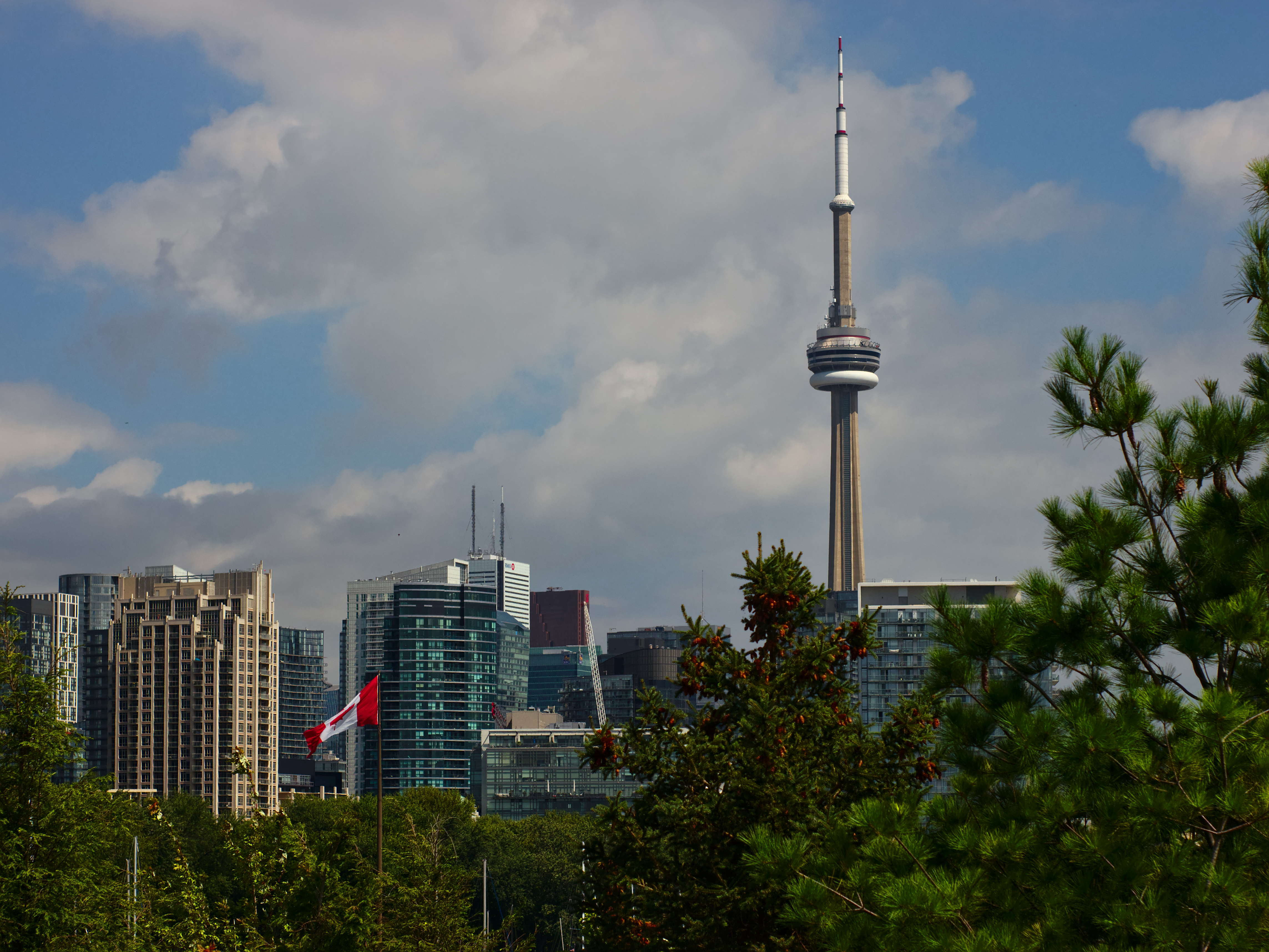
Canada’s largest city and financial capital on Lake Ontario
Toronto
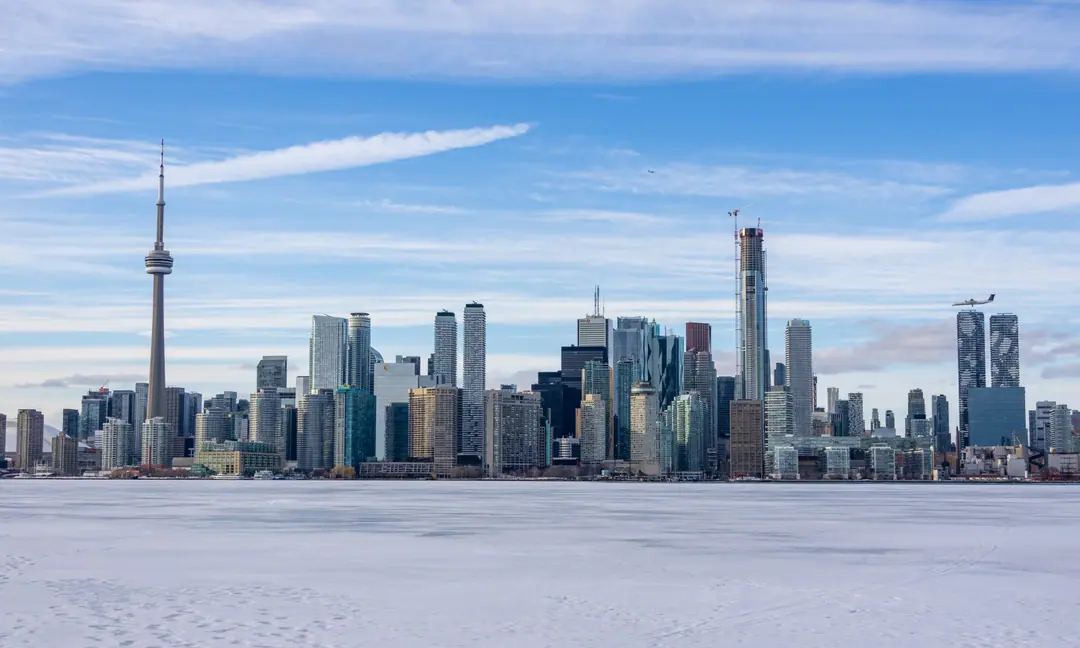
Toronto concentrates the CN Tower, the Royal Ontario Museum and the 1803 St. Lawrence Market around a dense downtown core, then spreads into distinct districts such as Kensington Market and Chinatown, Queen West and the car-free Toronto Islands. Treat it as a multi-day base rather than a single overnight stop before flying onward.
Before you book
Downtown’s major sights sit within a compact core linked underground by the PATH, but the Islands, the Distillery District and Kensington Market each need a deliberate streetcar or subway trip; a single day cannot cover the skyline, a neighbourhood and the waterfront.
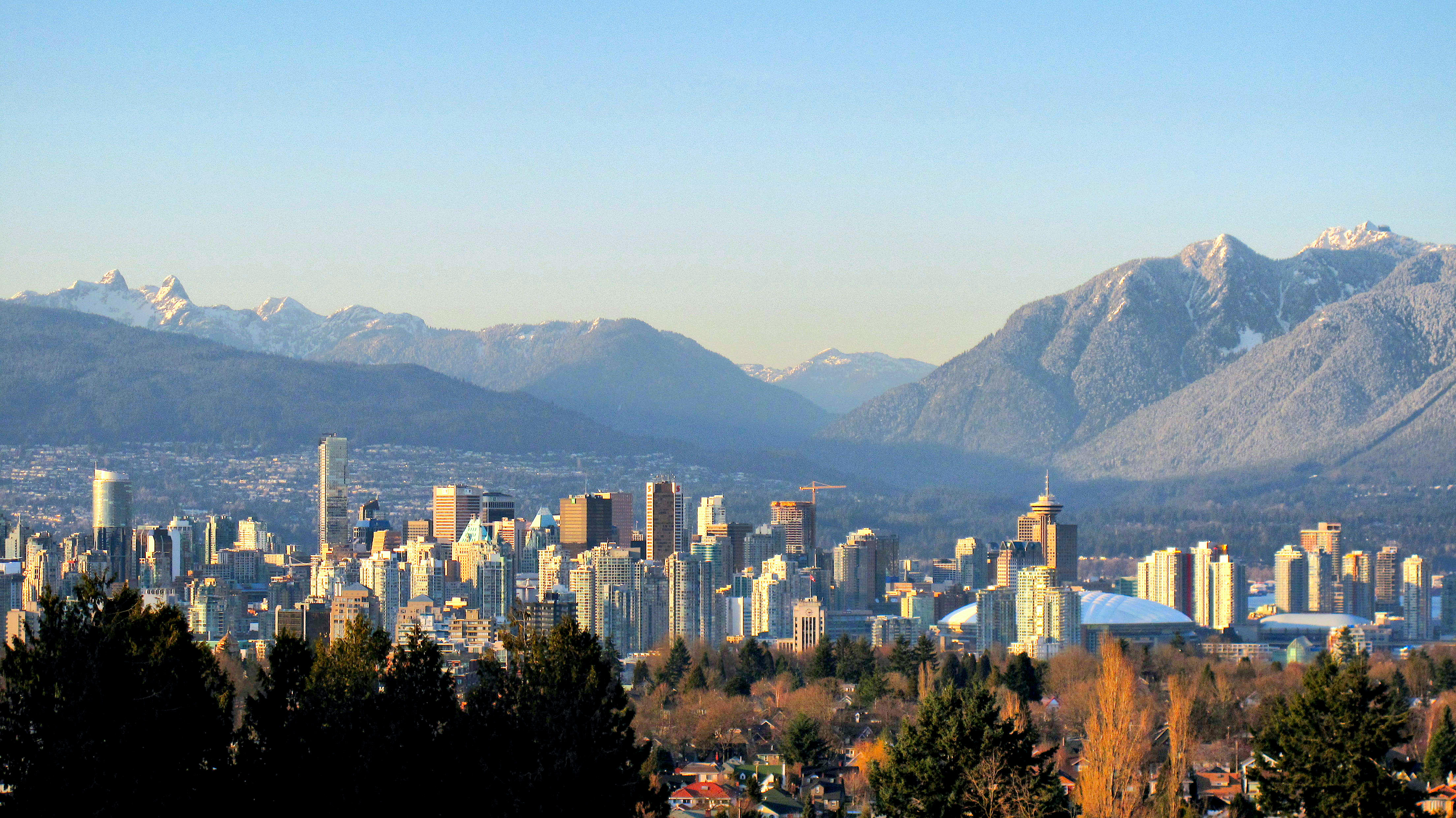
Pacific coastline framed by the North Shore Mountains
Vancouver
Vancouver pairs a compact downtown peninsula with Stanley Park’s 404-hectare seawall, then backs onto the North Shore Mountains across Burrard Inlet. It works as a mountains-and-ocean base with a fundamentally different pace from Toronto’s financial-district energy.
Before you book
Vancouver sits a roughly five-hour flight from Toronto with no practical same-trip overland link, so it anchors its own west-coast leg rather than an add-on day to an Ontario or Quebec itinerary.
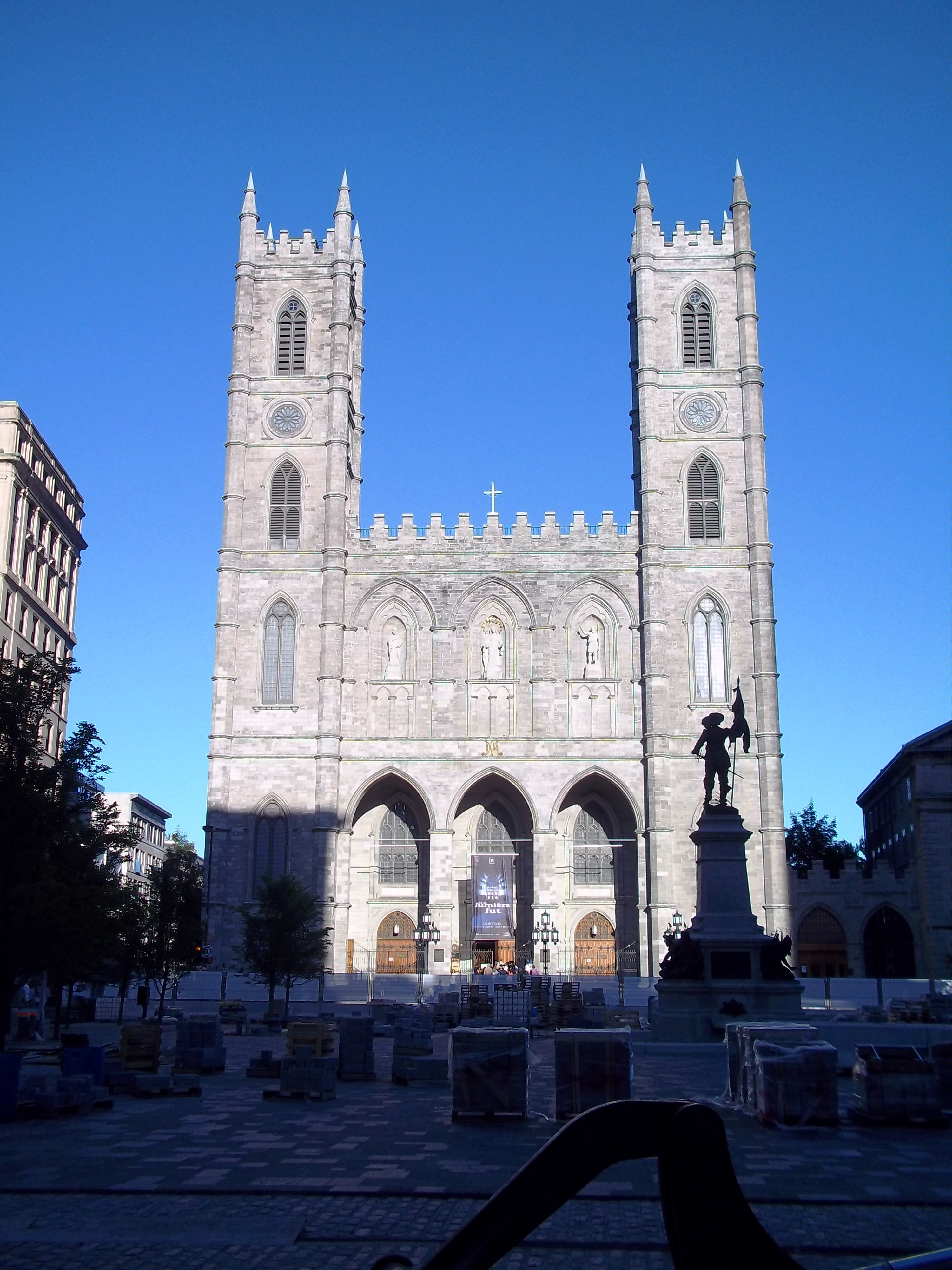
A bilingual metropolis built around Mount Royal and Old Montreal’s stone streets
Montreal
Montreal centres on Mount Royal, the triple-peaked hill the city is named for, with Old Montreal’s 17th-century stone streets and Notre-Dame Basilica forming its historic core along the St. Lawrence River. French is the everyday working language here, a genuinely different register from Toronto’s English-first downtown.
Before you book
Old Montreal beside the St. Lawrence, the slopes of Mount Royal and the Plateau’s café streets are separate walks rather than one route. A single day covers the old stone streets and Notre-Dame Basilica and little of the rest.
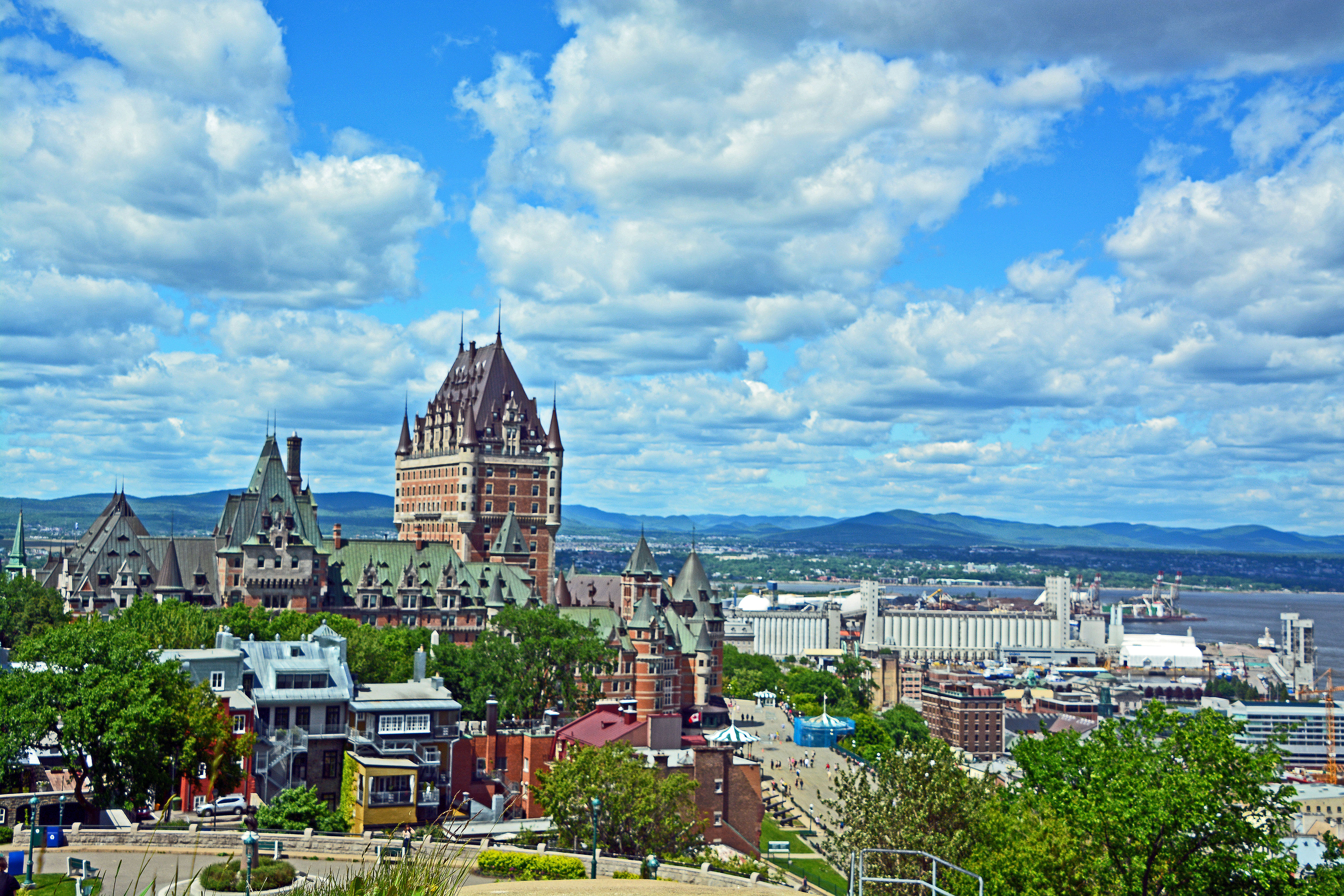
The only walled city north of Mexico, a UNESCO World Heritage old town
Quebec City
Old Québec’s fortified Upper and Lower Towns, inscribed by UNESCO in 1985, remain the only North American city to keep its ramparts, bastions and gates alongside the Château Frontenac and the Petit-Champlain quarter. Founded by Samuel de Champlain in the early 17th century, it served as the capital of New France and then of British Quebec.
Before you book
Quebec City sits roughly three hours by rail beyond Montreal, so most itineraries reach it only as a deliberate extension of a Montreal stay, not a day trip from Toronto.
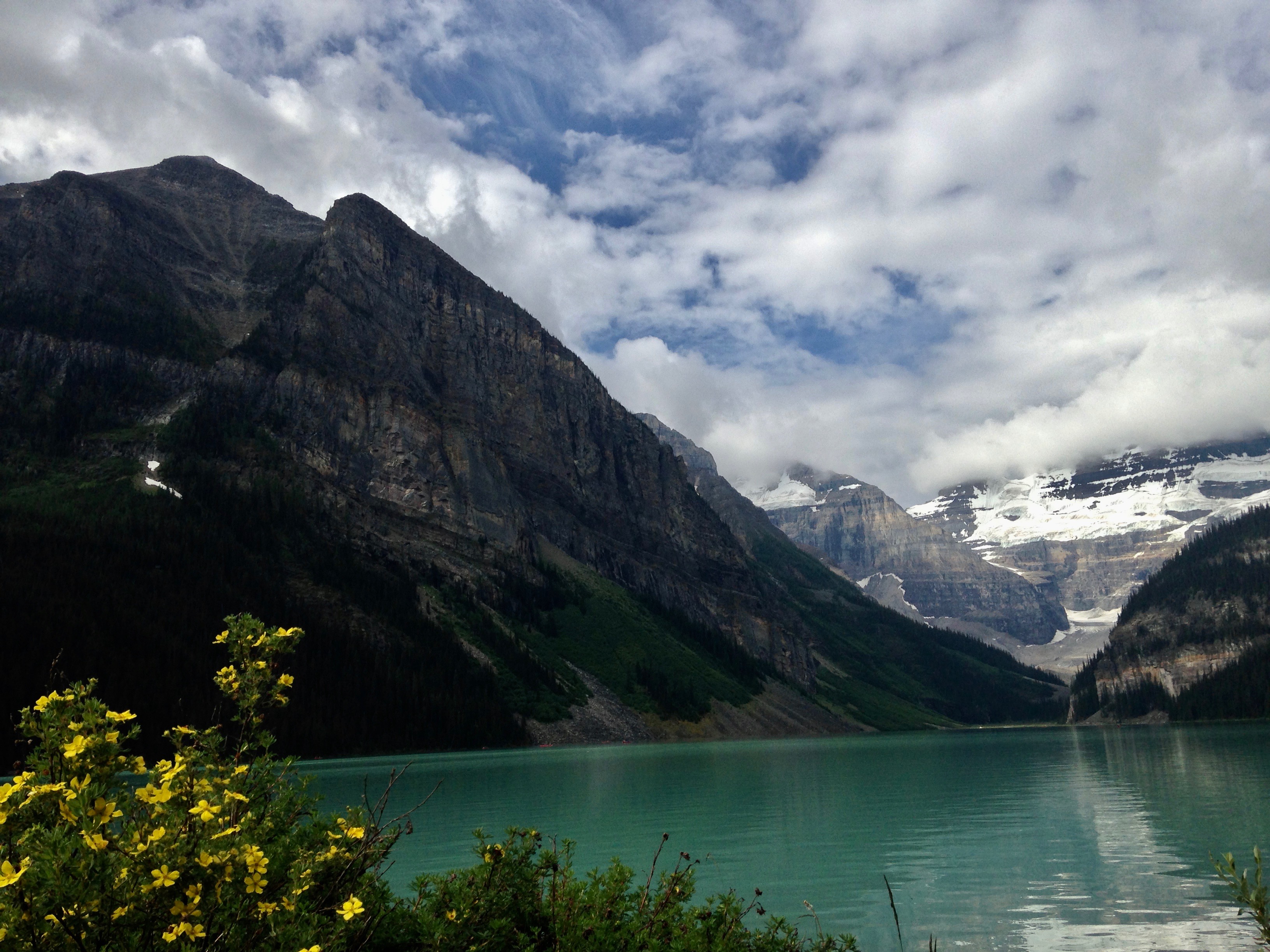
Canada’s first national park and a Rocky Mountain UNESCO World Heritage site
Banff and the Canadian Rockies
Established in 1885 around hot springs discovered during the transcontinental railway’s construction, Banff became Canada’s first national park and, with Jasper, Kootenay and Yoho, forms the 2,360,000-hectare Canadian Rocky Mountain Parks UNESCO site inscribed in 1984. Lake Louise, Moraine Lake and the Banff Gondola up Sulphur Mountain anchor a base built around glaciers, peaks and wildlife rather than a single town.
Before you book
Reaching Banff means flying into Calgary and driving roughly ninety minutes into the park; it is a dedicated mountain base, not an extension of an Ontario or Quebec itinerary.
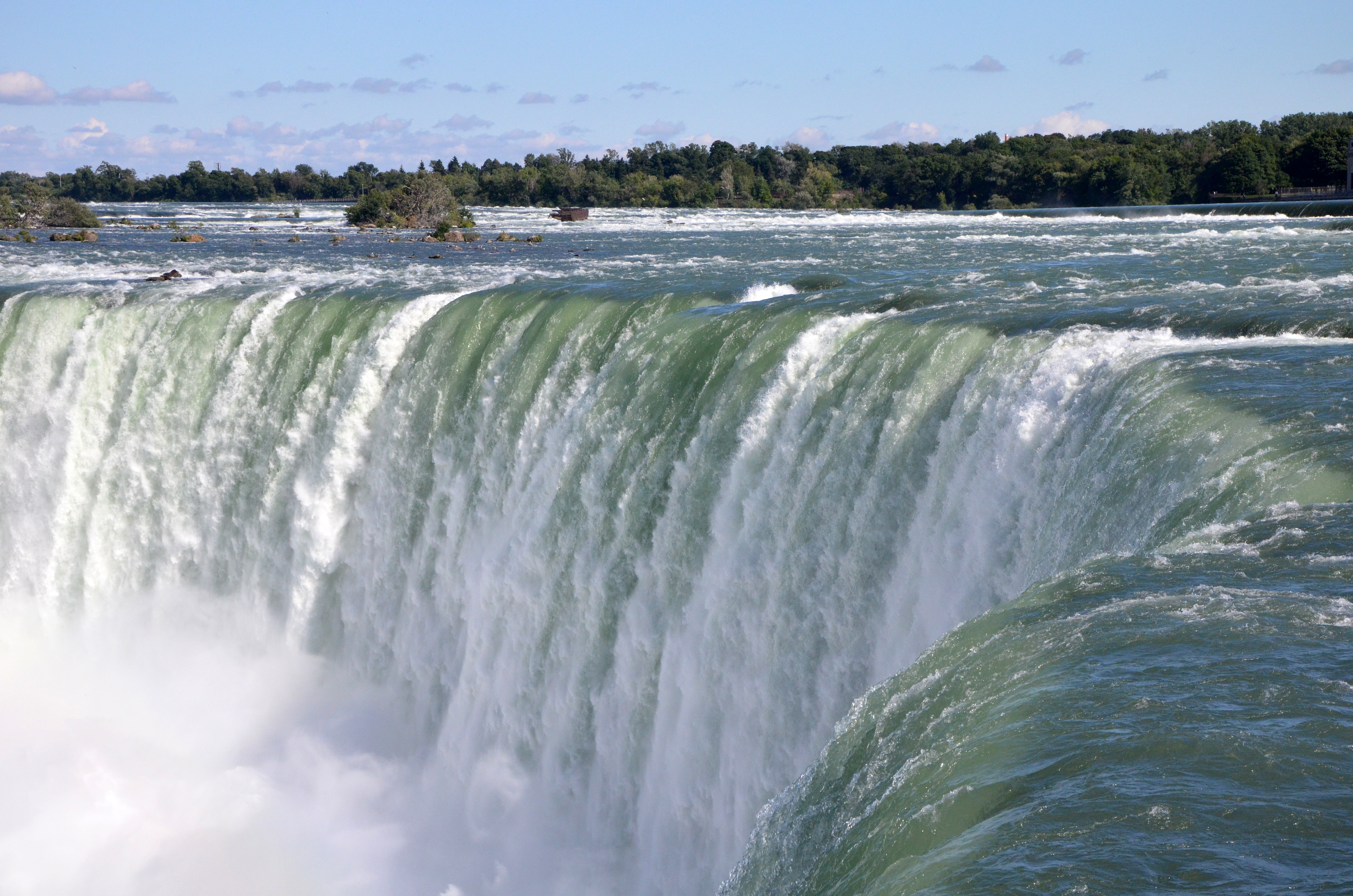
The Horseshoe Falls and the wider Niagara Parks corridor
Niagara Falls
The Niagara Parks Commission has managed the Canadian side of the falls since 1885, and the Horseshoe Falls alone carries roughly 2,832 cubic metres of water per second over the brink. The Niagara City Cruises boat tour, the Journey Behind the Falls tunnels and the WEGO local bus sit alongside quieter stops such as Niagara-on-the-Lake’s wine region along the Niagara Parkway.
Before you book
Clifton Hill’s arcades and wax museums sit a few minutes’ walk from the brink, and Niagara-on-the-Lake’s wineries and Shaw Festival theatres a short drive north along the Parkway; a coach tour usually gives the strip the afternoon, so travellers who want the quieter town should check the stop list first.
Explore Canada Before You Book
Take a virtual drive or walk, then find tours and tickets for the places you like.
Country profile
Canada country profile
Canada’s scale sets the logistics before any single region does
Statistics Canada estimated Canada’s population at 41,651,653 as of 1 July 2025, spread across a country that spans six time zones between the Atlantic and Pacific coasts. A route that ignores that scale, such as treating Vancouver as a side trip from Toronto, breaks on the map before it breaks on the ground.
Sources →Visitor volume is context, not a verdict
Canada’s tourism sector generated close to $59 billion in revenue between May and August 2025, a 6% year-over-year increase, with international visitor spending up 10.4% even as United States visitor revenue slipped. That scale funds deep visitor infrastructure but does not rank one region or product for every traveller.
Sources →Toronto anchors the largest metro population, but is one of six regions
The City of Toronto recorded 2,794,356 residents at the 2021 Census, and the wider Toronto census metropolitan area reached 6,202,225, Canada’s largest. Its scale is a reason to give it dedicated time, not a reason to treat Vancouver, Montreal, Quebec City, Banff or Niagara Falls as optional.
Sources →Two of six regions carry UNESCO World Heritage status
The Historic District of Old Québec was inscribed by UNESCO in 1985 as the only fortified colonial city north of Mexico, and the Canadian Rocky Mountain Parks, including Banff, were inscribed in 1984 and cover 2,360,000 hectares. Toronto, Vancouver, Montreal and Niagara Falls are included for their own urban, coastal and natural-wonder reasons rather than a shared heritage listing.
Sources →Montreal and Quebec City set French-first logistics that Toronto and Vancouver do not
Montreal’s 2021 Census population of 1,762,949 and Quebec City’s 549,459 anchor Canada’s largest French-speaking urban corridor; day-to-day service in both cities defaults to French first, a genuinely different visitor experience from English-first Toronto or Vancouver.
Sources →Coastal, mountain, Great Lakes and interior regions do not share one climate
Vancouver’s temperate Pacific coast, Banff’s continental mountain climate, Toronto and Niagara Falls’ Great Lakes weather and Montreal and Quebec City’s continental winters warm, cool and snow on different schedules, so a single “best month for Canada” does not exist.
Sources →Rail links Toronto, Montreal and Quebec City; the Rockies and the Pacific need a flight
Roughly 72% of Via Rail’s national passengers travelled the Quebec City–Toronto Corridor in 2018, the government’s own release calling it the country’s busiest passenger-rail route, and it links Toronto to Montreal and Quebec City directly by train. No equivalent rail corridor reaches Banff or Vancouver, so those two regions need a domestic flight from Toronto.
Sources →Canada has two official languages, and they are not used evenly across these six regions
The Official Languages Act has given English and French equal status in federal institutions since it took effect in 1969. Toronto, Vancouver and Banff default to English first in everyday service, while Montreal and Quebec City default to French first, a genuinely different visitor experience within one country.
Sources →Trip plans
Canada · Trip plans
These are our suggested routes, with travel days included. Choose the pace that suits you; none promises to cover the entire country.
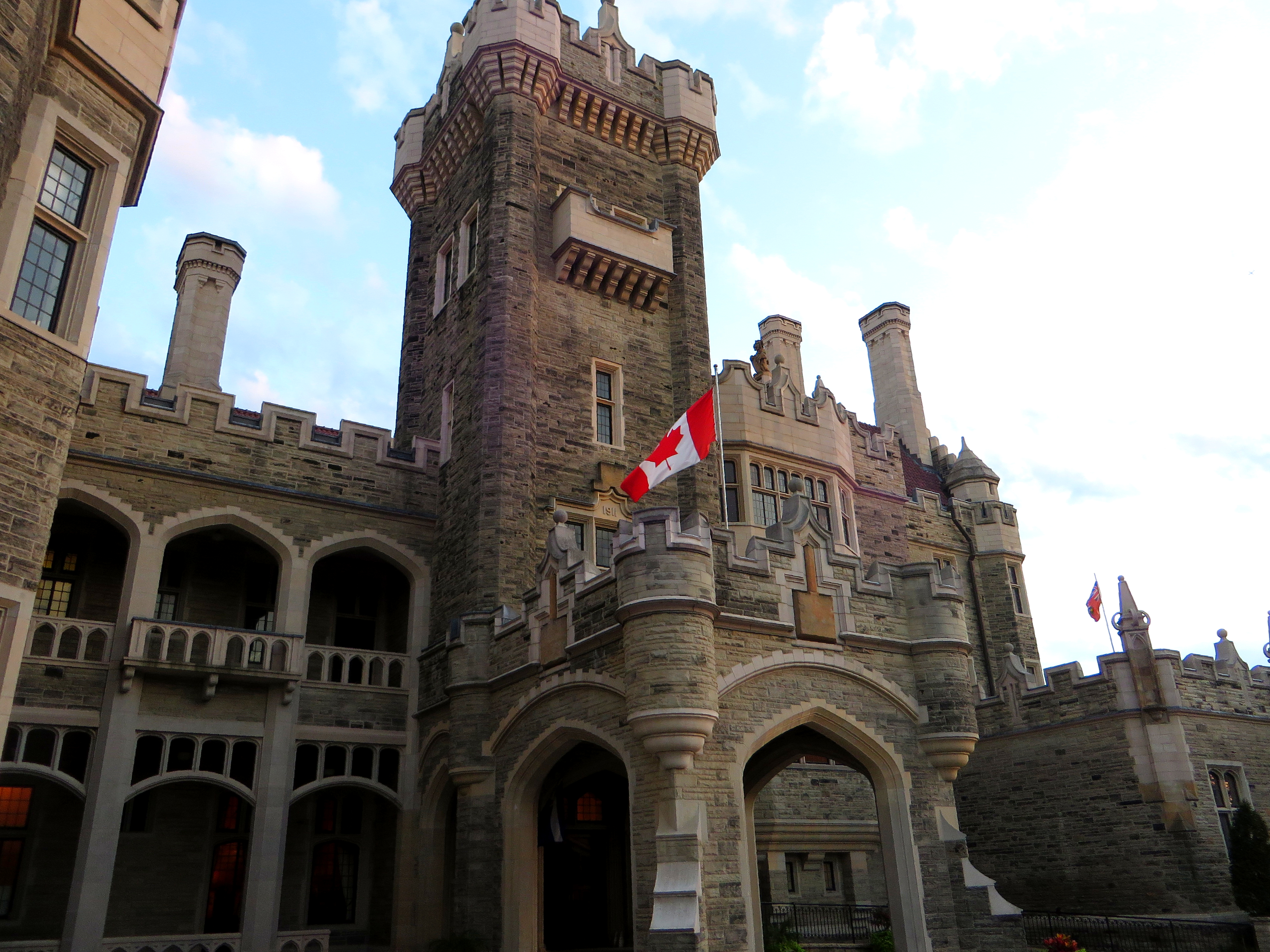
7 days: Toronto and Niagara Falls
A two-region first trip with four nights in Toronto and a Niagara Falls extension, connected by a short drive or day tour.
- Days 1–4 · Toronto: split downtown (CN Tower, Royal Ontario Museum, St. Lawrence Market) from a waterfront-and-Toronto-Islands day, then add one district such as Kensington Market and Chinatown or the Distillery District.
- Day 5 · Travel to Niagara Falls: use the roughly ninety-minute drive or a day-tour coach as the day’s fixed commitment and arrive in time for an evening view of the illuminated falls.
- Days 6–7 · Niagara Falls: take the Niagara City Cruises boat tour or the Journey Behind the Falls tunnels, then split remaining time between the WEGO bus network and a quieter afternoon in Niagara-on-the-Lake before returning to Toronto to depart.
The trade-off
The route omits Montreal, Quebec City, Banff and Vancouver entirely. Adding a third region would turn a one-week trip into repeated transfers rather than depth in either place.
What Toronto costs: One Day in Toronto: C$40 or Less? → · Toronto in 3 Days for C$190? →
This collection covers Toronto activities only. It does not book the Niagara Falls transfer, accommodation or the complete seven-day route.
Explore Toronto activities from ≈ US$55Sources
- www.destinationtoronto.com · 1
- www.niagaraparks.com · 2
- The booking platform · 3
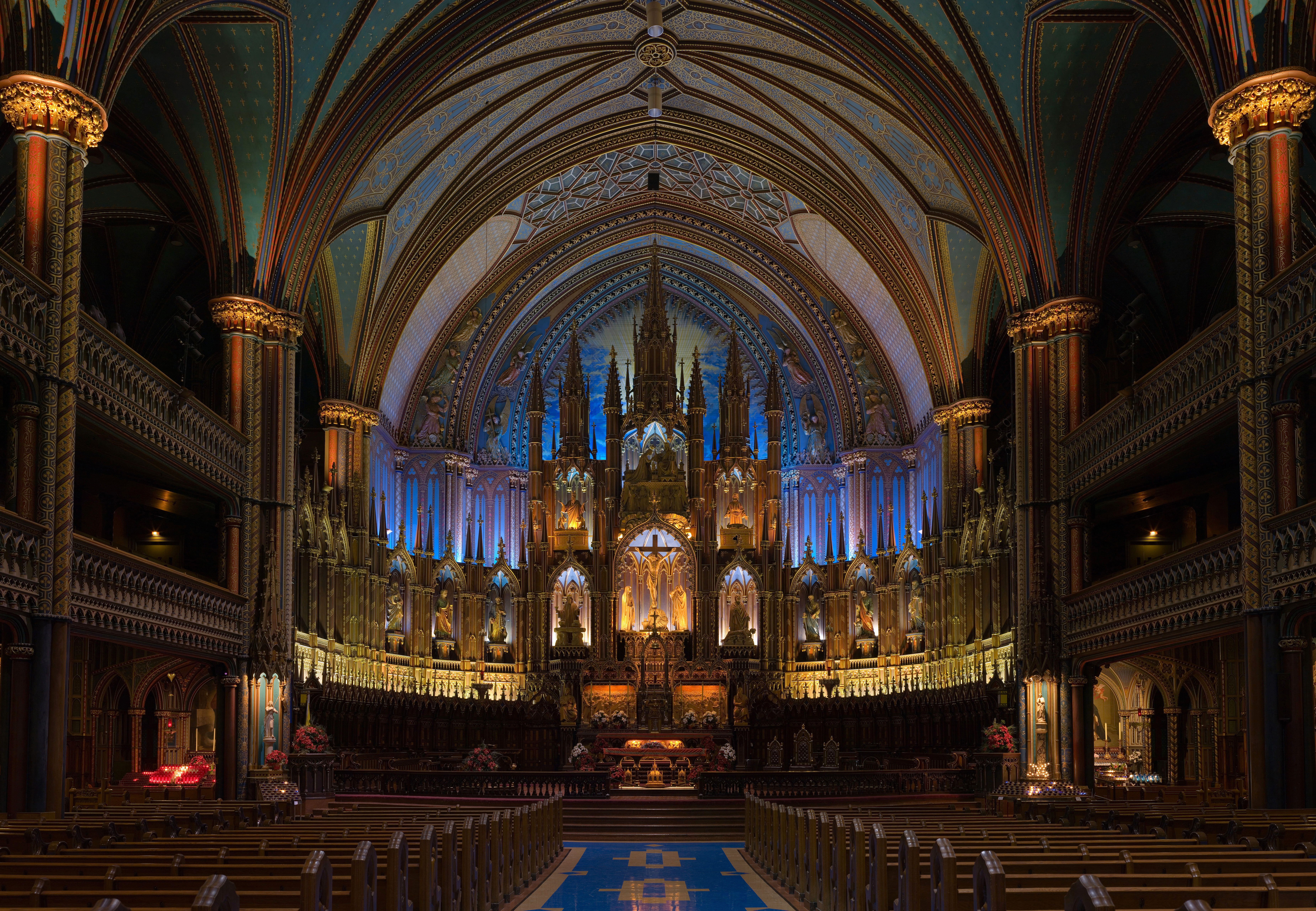
14 days: Toronto, Niagara Falls, Montreal and Quebec City
A four-region route linking Ontario’s largest city and its most famous waterfall to Quebec’s bilingual metropolis and its walled colonial capital.
- Days 1–4 · Toronto: downtown, the waterfront and Toronto Islands, and one district beyond the financial core.
- Day 5 · Niagara Falls: a day trip or overnight for the boat tour and Journey Behind the Falls.
- Day 6 · Travel to Montreal: treat the roughly five-hour rail journey (or a short flight) as the day’s fixed commitment.
- Days 7–9 · Montreal: Old Montreal and Notre-Dame Basilica, Mount Royal, and one neighbourhood such as the Plateau or Mile End.
- Day 10 · Travel to Quebec City: the roughly three-hour rail corridor from Montreal.
- Days 11–13 · Quebec City: Old Québec’s ramparts and the Château Frontenac, the Petit-Champlain quarter, and a half-day trip to Montmorency Falls.
The trade-off
Four regions in two weeks means several transfers and a French-first second half of the trip; a slower traveller should drop either Niagara Falls or Quebec City rather than compress both into rushed half-days.
What Toronto costs: One Day in Toronto: C$40 or Less? → · Toronto in 3 Days for C$190? →
This collection covers Montreal activities only. It does not book rail transfers, the Quebec City leg, accommodation or the complete fourteen-day route.
Explore Montreal activities from ≈ US$30Sources
- whc.unesco.org · 1
- www12.statcan.gc.ca · 2
- The booking platform · 3
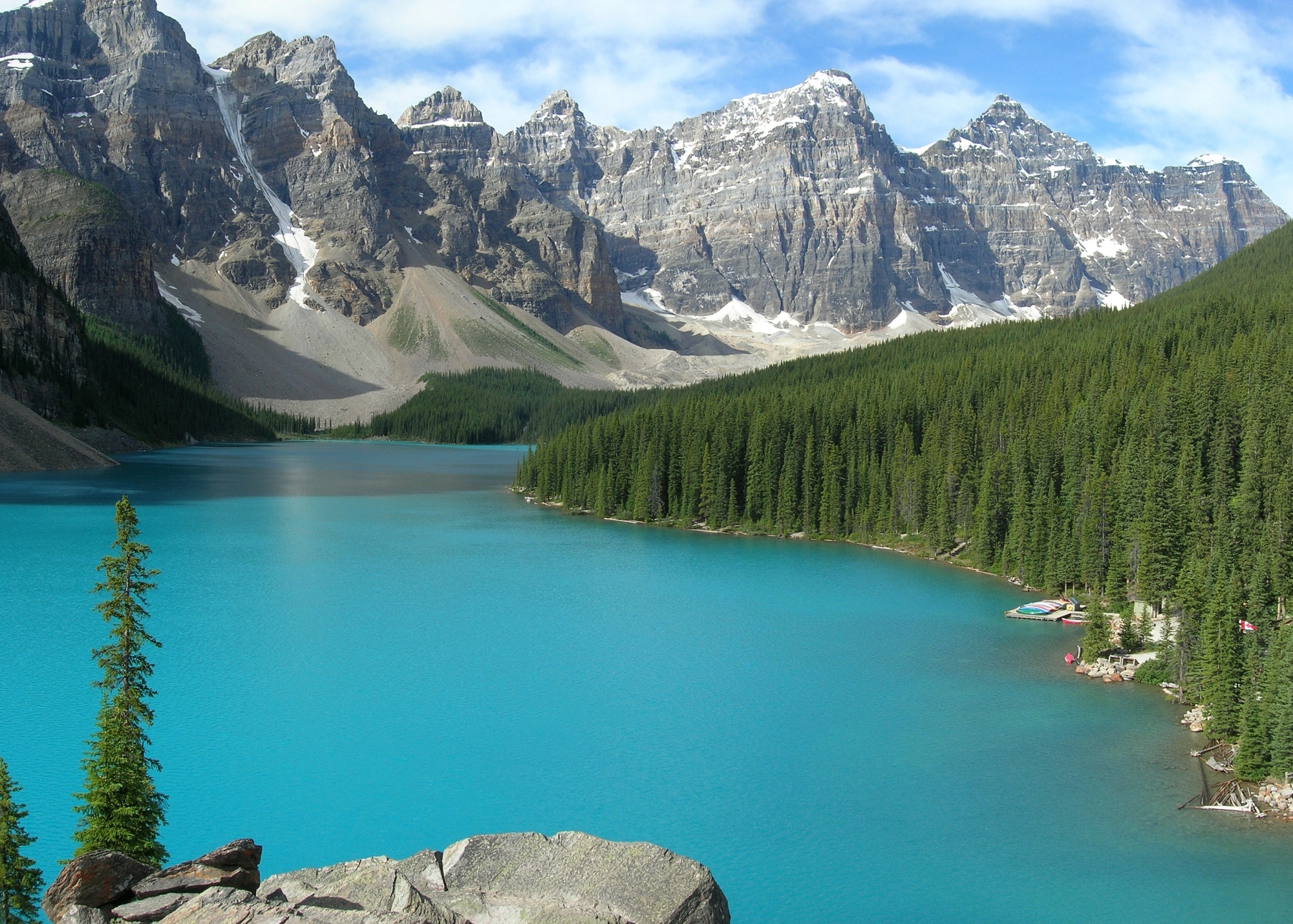
21 days: Toronto, Niagara Falls, Montreal, Quebec City, Banff and Vancouver
A complete six-region, coast-to-coast route that adds the Canadian Rockies and the Pacific coast to the fourteen-day Ontario-Quebec itinerary above.
- Days 1–4 · Toronto: downtown, the waterfront and Toronto Islands, and one district beyond the financial core.
- Day 5 · Niagara Falls: a day trip or overnight for the boat tour and Journey Behind the Falls.
- Day 6 · Travel to Montreal: the roughly five-hour rail journey or a short flight.
- Days 7–9 · Montreal: Old Montreal, Mount Royal and one neighbourhood beyond the historic core.
- Day 10 · Travel to Quebec City: the roughly three-hour rail corridor from Montreal.
- Days 11–13 · Quebec City: Old Québec’s ramparts, the Château Frontenac and Montmorency Falls.
- Day 14 · Fly to Calgary: treat the connection and roughly ninety-minute drive into Banff National Park as the day’s fixed commitment.
- Days 15–17 · Banff and the Canadian Rockies: the Banff Gondola up Sulphur Mountain, Lake Louise and Moraine Lake, keeping one day free for weather-dependent viewpoints.
- Day 18 · Travel to Vancouver: a roughly ninety-minute flight from Calgary, or a multi-day scenic rail alternative for travellers with extra time.
- Days 19–20 · Vancouver: Stanley Park’s seawall, the North Shore Mountains, and Granville Island.
- Day 21 · Depart from Vancouver, keeping the final day free of a same-day connecting flight.
The trade-off
This full six-region loop needs three domestic flights and a genuinely continental scale of travel; a shorter trip should pick either the Ontario-Quebec corridor or the Rockies-Pacific corridor rather than compress both into one rushed circuit.
What Toronto costs: One Day in Toronto: C$40 or Less? → · Toronto in 3 Days for C$190? →
What Vancouver costs: One Day in Vancouver: C$130 or Less? → · Vancouver in 3 Days for C$220? →
This collection covers Banff-area activities only. It does not combine domestic flights, the Vancouver leg, accommodation or the complete twenty-one-day itinerary.
Explore Banff and Lake Louise activities from ≈ US$70Sources
- whc.unesco.org · 1
- parks.canada.ca · 2
- The booking platform · 3
- The booking platform · 4
Visitor perspectives
How to turn Canada’s scale into a workable route
These planning conclusions combine official destination facts with a current review of bookable inventory. They are not customer reviews and do not rank places by affiliate commission.
Strong demand means comparing named products, not popularity
A near-$59-billion summer tourism sector creates many products with similar headlines. Check which named viewpoint, transport and inclusions each listing actually covers before choosing one.
Sources →Weather-dependent viewpoints should organise the day
In Banff, gondola and glacier-area visibility depends on weather; in Niagara Falls, the boat tour can pause for high water or ice. Build the rest of the day around that uncertainty rather than a fixed schedule.
Sources →Canada’s six regions sit too far apart to cover all of them on a first trip
Toronto to Vancouver or Calgary is a roughly four-and-a-half to five-hour flight, and Quebec City sits a further rail leg past Montreal; a first trip that tries to touch all six regions spends more days in transit than in any single one of them.
Sources →Moraine Lake is a shuttle, transit or tour booking, not a drive
Parks Canada does not permit personal vehicles on Moraine Lake Road, so the lake is reached only by the Parks Canada shuttle, Roam public transit or a commercial tour operator. Shuttle seats need a reservation, and the 2026 season runs from 15 May to 12 October.
Sources →Go deeper with a city guide
Explore the places, neighbourhoods and practical choices behind the activities.
Toronto: One Day in Toronto: C$40 or Less? → · Toronto in 3 Days for C$190? →
Vancouver: One Day in Vancouver: C$130 or Less? → · Vancouver in 3 Days for C$220? →
Planning Canada activities: FAQs
How many Canadian regions should I combine in one week?
Two, and they should be neighbours: Toronto with a Niagara Falls day is a week without a flight in it, and Montreal with Quebec City is a week on one rail corridor. Toronto plus Montreal already spends a day of the seven on the train, and anything west of Ontario needs its own trip.
Should I combine Montreal and Quebec City in the same trip?
Yes, when the trip is ten days or longer and the roughly three-hour rail transfer between them is protected. On a shorter trip, choose one rather than converting both into rushed half-day stops.
Can I visit Banff and Vancouver without a long flight from Toronto?
No. Toronto to Calgary or Vancouver is a roughly four-and-a-half to five-hour flight each way; Canada’s scale means the Rockies-Pacific leg is a separate regional trip, not an extension of an Ontario itinerary.
Where does Quebec City fit in a first Canada route?
Quebec City fits as a deliberate extension of a Montreal stay for travellers who want the country’s only walled colonial city, not as a default stop on a first, shorter itinerary focused on Toronto.
Does this guide include current entry rules?
No. Entry requirements depend on nationality, date and trip purpose. Check the Government of Canada or your own country’s travel authority before travel.
How do I travel between Canada’s six regions without a rental car?
Via Rail’s Corridor trains connect Toronto, Montreal and Quebec City directly; GO Transit’s seasonal train plus the local WEGO bus reaches Niagara Falls from Toronto. Banff and Vancouver each need a flight from Toronto, since no passenger-rail corridor of that kind crosses the distance.
Sources & planning approach
Research by Mubboo Flights. Sources checked 2026-09-12. Recommendations are editorial judgements based on the cited sources below.
Photo credits
- The CN Tower and Toronto skyline seen from the east — Jchmrt; CC BY-SA 4.0.
- Vancouver skyline with the North Shore Mountains behind it — Kyle Pearce; CC BY-SA 2.0.
- Notre-Dame Basilica in Old Montreal — Jeangagnon; CC BY-SA 3.0.
- The Château Frontenac above Old Québec — Norma Angulo Lahens; CC BY-SA 4.0.
- Lake Louise and its surrounding peaks in Banff National Park — Chrisking1977; CC BY-SA 4.0.
- The Horseshoe Falls at Niagara Falls, Ontario — Gzzz; CC BY-SA 4.0.
- Casa Loma, the Gothic Revival castle in midtown Toronto — Ken Lund; CC BY-SA 2.0.
- The interior of Notre-Dame Basilica in Montreal — David Iliff; CC BY-SA 3.0.
- Moraine Lake in Banff National Park seen from its north bank — Tobias Alt; CC BY-SA 4.0.


Commercial selection from Viator. Featured order comes from the provider and may reflect commercial factors. Mubboo may earn a commission through these links. Prices and availability can change; confirm details on Viator before booking.