
Buenos Aires travel guide
Buenos Aires
Buenos Aires sits on the southwest shore of the Río de la Plata. Its oldest streets run south from Plaza de Mayo through San Telmo to La Boca, while Recoleta and Palermo spread north along the river. The Tigre delta and Colonia del Sacramento, across the water in Uruguay, are separate day trips.
Three or four days cover a milonga or tango show, San Telmo, Recoleta Cemetery, the Teatro Colón, Plaza de Mayo and the ESMA Museum and Site of Memory. Five or six days add Palermo's parks and the Tigre delta, and a week leaves room for the ferry to Colonia.

Find your Buenos Aires experience
Explore Buenos Aires Before You Book
Take a virtual drive or walk, then find tours and tickets for the places you like.

Activities
Featured activities in Buenos Aires


Prices at a glance
What we sell today and what recent flight searches found. No hotel prices; nothing here is a trip total.
- Tours and tickets in Buenos Airesfrom US$38.00
Live from Viator when this page loaded · per adult · changes by date.
Top experiences
Top experiences in Buenos Aires
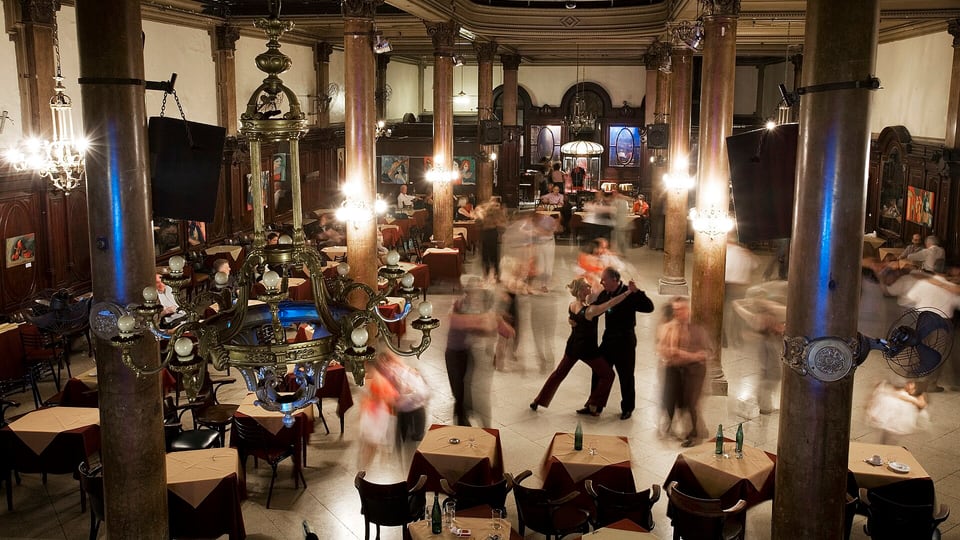
Tango: a milonga or a staged show
A milonga is a social dance where couples circle the floor counterclockwise in sets of three or four songs called tandas, and dancers invite each other with a glance and a nod, the cabeceo. A dinner-show is a staged production for an audience. Both are tango, but only the milonga shows porteños dancing for themselves.
Best for: Watching tango performed on stage, or seeing and trying it where locals dance socially · Area: Venues across the city, from central theaters to neighborhood dance halls
Plan for A show gives a set seat, rehearsed choreography and usually dinner, but you only watch. A milonga has its own etiquette: accepting a dance means the whole tanda, and teaching on the floor is frowned on, so a class first helps.
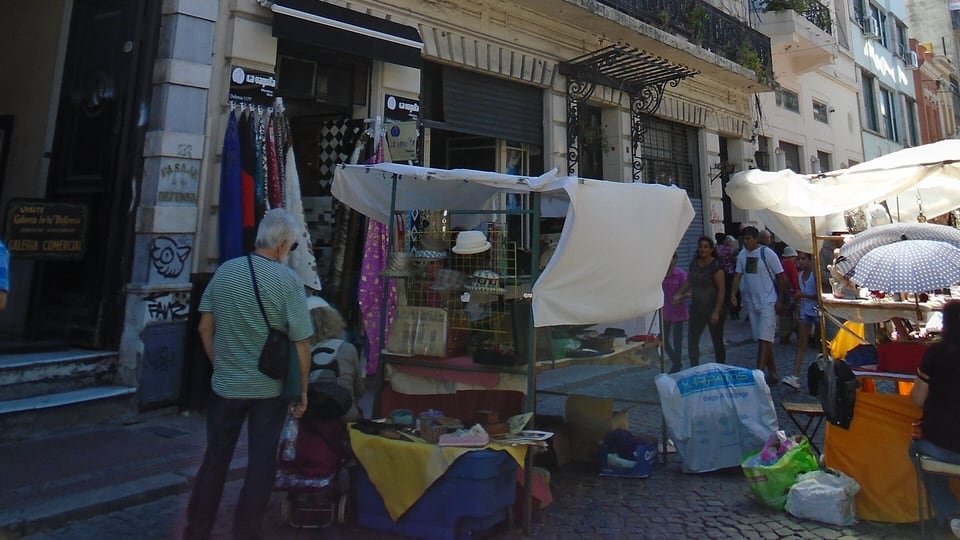
San Telmo and the Sunday Feria de San Telmo
San Telmo is the city's oldest barrio. After the 1871 yellow fever epidemic killed more than 10,000 people, wealthier families moved north and its mansions became conventillos for immigrant families. Every Sunday the Feria de San Telmo, created in 1970 by architect José María Peña, fills Plaza Dorrego with antique stalls.
Best for: A Sunday among antique stalls, street tango and the city's oldest cobbled streets · Area: Plaza Dorrego and Defensa street, San Telmo
Plan for The fair runs on Sundays from about 10:00 to 16:00 with some 270 stands and about 10,000 visitors, so the lanes are crowded by midday. The UK FCDO names San Telmo market among the places to watch your bag.
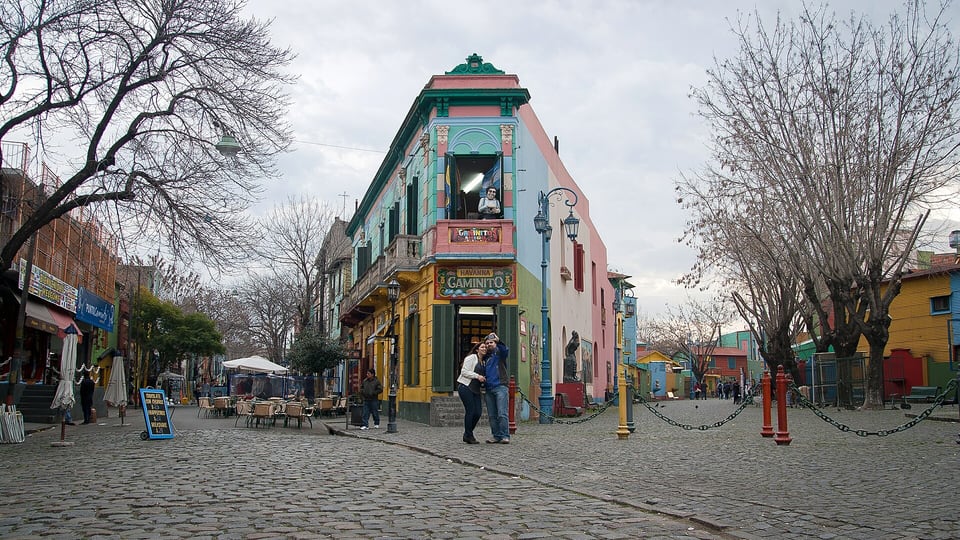
La Boca and Caminito
Caminito is a 100m street museum in La Boca. After the railway along it closed in 1954, artist Benito Quinquela Martín began painting its walls, and its name comes from Juan de Dios Filiberto's 1926 tango. La Boca grew as a port district of immigrants, many from Liguria, and is home to Boca Juniors' stadium, La Bombonera.
Best for: The painted street, the port district's immigrant story and Boca Juniors' home ground · Area: Caminito, La Boca, beside the Riachuelo in the south of the city
Plan for The UK FCDO lists La Boca among the areas where visitors should be particularly cautious, and it advises booking taxis in advance and hailing only marked radio taxis on the street. A guided walk or a tour with transport is a practical way to go.
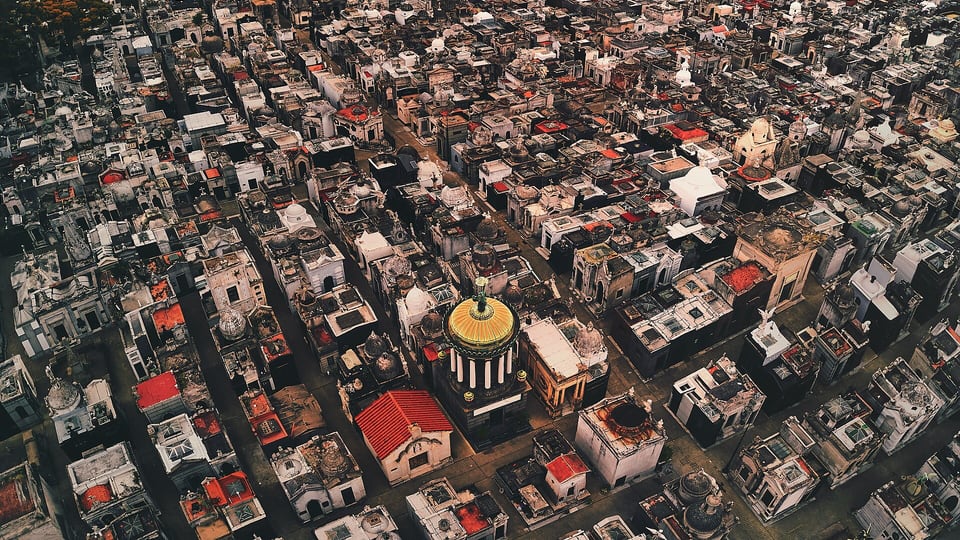
La Recoleta Cemetery
Inaugurated on 17 November 1822, Recoleta holds 4,691 above-ground vaults, 94 of them national historical monuments. Eva Perón, who died in 1952 aged 33, lies in the Duarte family tomb, beneath two trapdoor compartments, after her embalmed body was hidden for years, including in a Milan crypt under a false name.
Best for: Walking among the vaults of presidents, writers and Eva Perón, with or without a guide · Area: Recoleta, north of the city center
Plan for Since April 2022 the city has charged foreign non-resident visitors an entry ticket bought online, while Argentine residents enter free. It opens 9:00 to 17:00, and the city runs free Spanish-language guided walks every hour; an English-language tour is a separate booking.
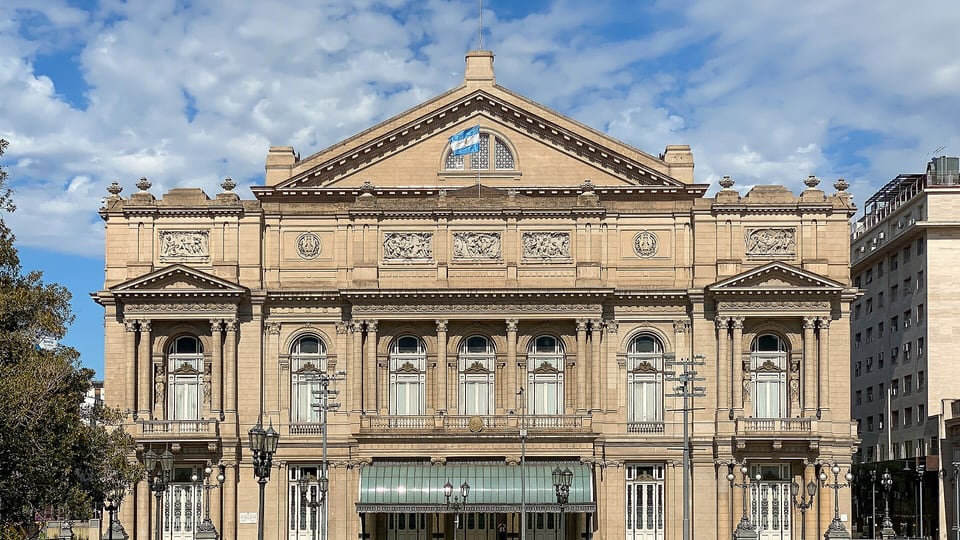
Teatro Colón
The present Teatro Colón opened on 25 May 1908 with Aida. Its horseshoe auditorium seats 2,487 with standing room for 1,000, and acoustician Leo Beranek's survey rated it the best hall in the world for opera. It reopened on 24 May 2010 after a restoration that began in 2006.
Best for: Seeing the auditorium, foyer and Golden Hall by day on a guided visit · Area: City center
Plan for Guided visits last 50 minutes and leave every 15 minutes from 10:00 to 16:45 in Spanish, with English departures at 11:00, 12:00, 13:00 and 15:00. Tickets are priced separately for Argentine residents and other visitors.
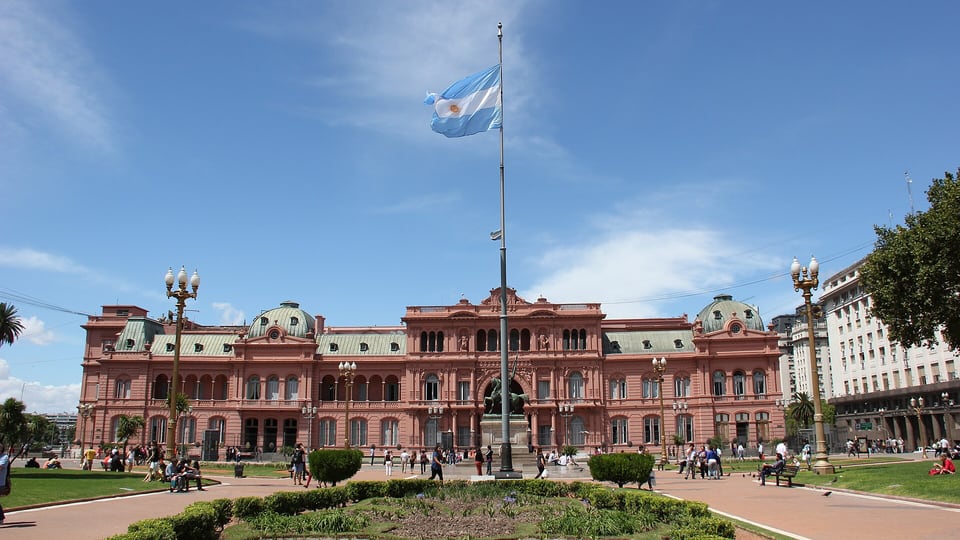
Plaza de Mayo, the Casa Rosada and the Mothers of Plaza de Mayo
The square is named for the May Revolution of 1810, and its May Pyramid of 1811 was the city's first national monument. The Casa Rosada, the president's workplace, faces it. On 16 June 1955 the plaza was bombed during an attempt to overthrow Perón, killing 364 people.
Best for: Argentina's political center, and the Mothers' weekly walk for the disappeared · Area: Plaza de Mayo, city center
Plan for The Mothers of Plaza de Mayo walk around the May Pyramid every Thursday at 15:30, followed by speeches at 16:00. It is a human rights vigil that began on 30 April 1977, when Azucena Villaflor and other mothers came to ask where their children were.
See Plaza de Mayo, the Casa Rosada and the Mothers of Plaza de Mayo tours
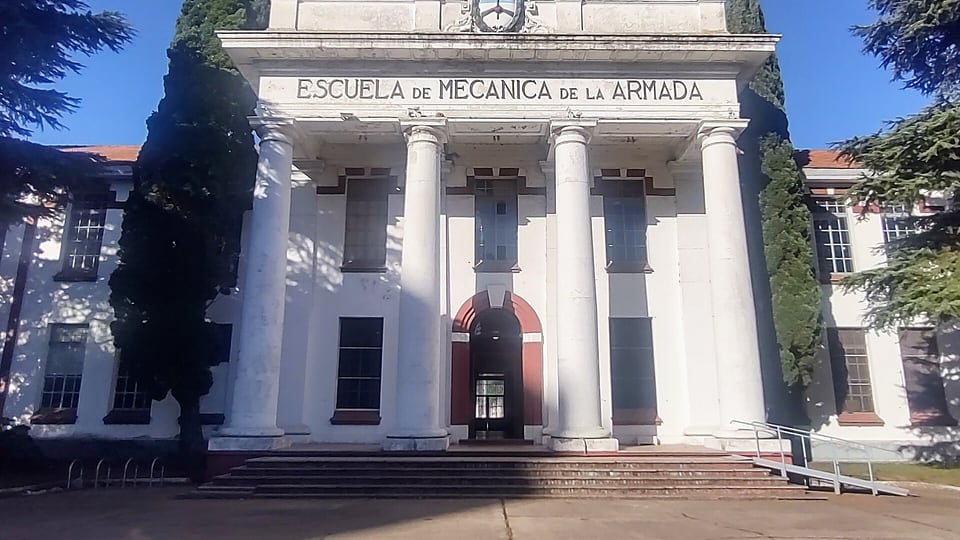
ESMA Museum and Site of Memory
During the 1976-1983 dictatorship the Navy School of Mechanics (ESMA) was the country's largest clandestine detention center. About 5,000 people were held there, and around 150 survived. Its former Officers' Quarters is now the ESMA Museum and Site of Memory, inscribed on the UNESCO World Heritage List in 2023.
Best for: Understanding the dictatorship's crimes at the place where they were committed · Area: Avenida del Libertador 8151, Núñez, in the north of the city
Plan for Entry is free. The national government lists it as open Tuesday to Sunday, 10:00 to 17:00, while the memory space gives Wednesday to Saturday, so confirm before going. Weekend guided visits start at 11:00 and 14:00, and the content is not suitable for children under 15.
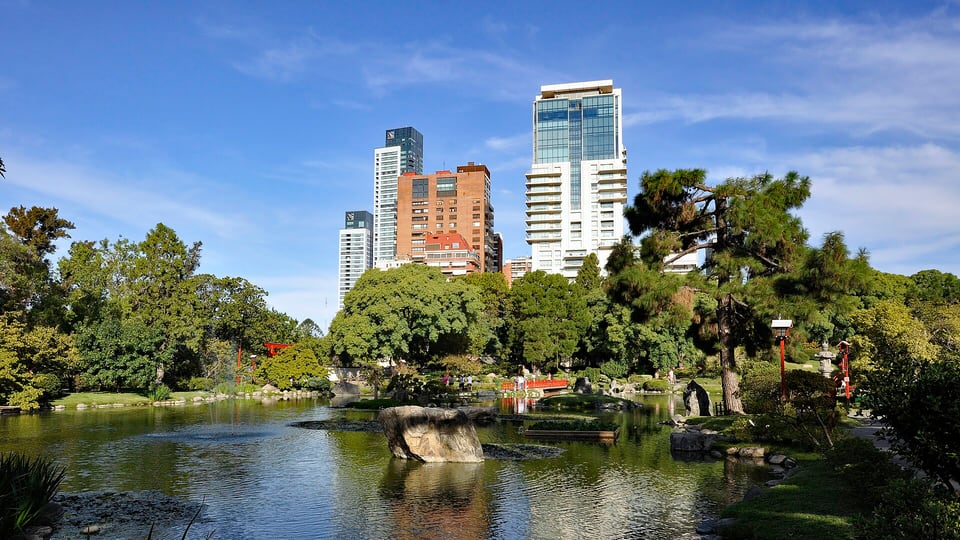
Palermo's parks and the Japanese Garden
Palermo is the city's largest barrio at 17.4 square kilometers. Parque Tres de Febrero, known as the Bosques de Palermo, dates from Sarmiento's presidency and holds the Rosedal rose garden, and the Japanese Garden was built in 1967. MALBA, the museum of Latin American art, sits nearby.
Best for: A slower day of lakes, roses and Latin American art after the dense center · Area: Palermo, north of Recoleta along the river
Plan for The parks, the Japanese Garden and MALBA are spread out, so plan an unhurried half day. The UK FCDO also lists Palermo among the areas to keep a close eye on belongings.
Tigre and the Paraná Delta
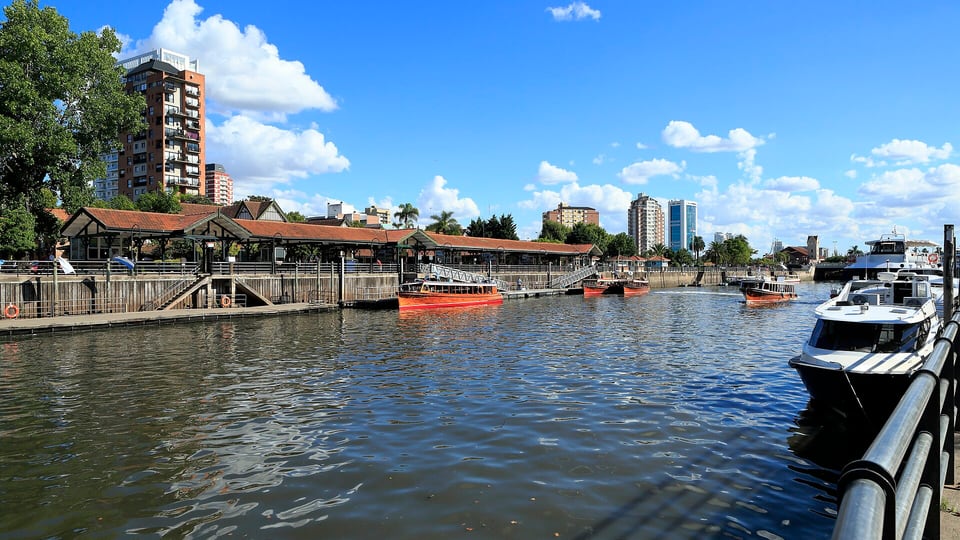
Tigre sits 28km north of the city at the edge of the Paraná Delta, where the islands are served by wooden commuter launches. The Mitre line runs direct from Retiro, with trains every 10 to 30 minutes, and the Tren de la Costa is a scenic alternative. The riverside Puerto de Frutos, once a fruit port, is now a crafts market.
Best for: A half or full day on the water, by boat through the delta channels · Area: Tigre, 28km north of the city
Plan for Reaching Tigre by train is simple, but the delta itself is seen by boat, so a tour that includes a launch saves working out river timetables. Several tours add a stop in San Isidro on the way north.
Colonia del Sacramento, Uruguay
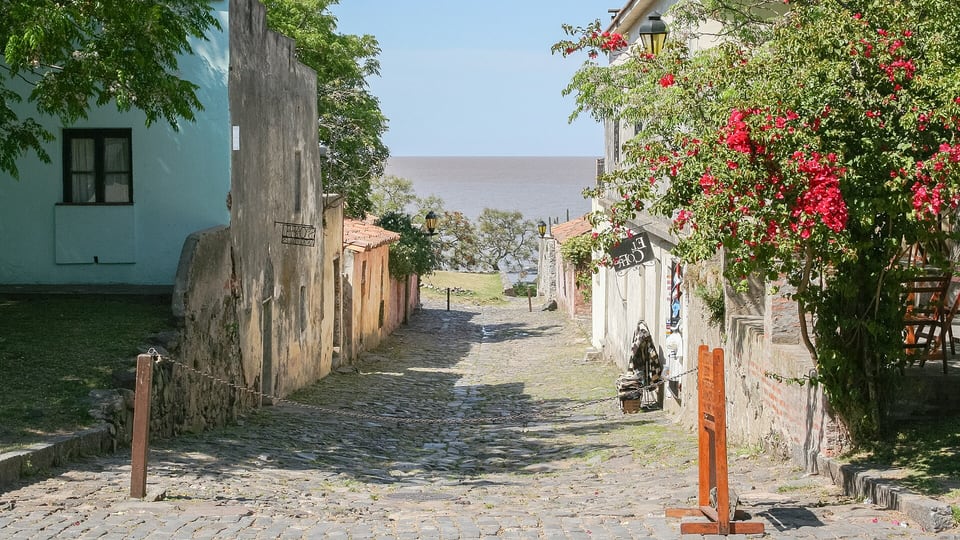
Portuguese settlers founded Colonia del Sacramento in 1680 on the far shore of the Río de la Plata, and its Historic Quarter has been a UNESCO World Heritage Site since 1995. Three operators, Buquebus, Colonia Express and Seacat Colonia, run the crossing of about 50km, which takes roughly one to one and a half hours.
Best for: A walkable colonial quarter in a second country, across the river · Area: Colonia, Uruguay, about 50km across the Río de la Plata
Plan for This is an international trip: bring your passport, because Argentine and Uruguayan officials stamp you out and in at the same control point in each port, and allow time at the port before sailing.
Plan three, five or seven days in Buenos Aires
Three to four days: tango, the historic center and memory
Pick this length for a tango evening, San Telmo on its Sunday, Plaza de Mayo, Recoleta Cemetery, the Teatro Colón and the ESMA Museum and Site of Memory.
San Telmo and Plaza de Mayo sit south of the center and Recoleta north of it. ESMA is out in Núñez, so give it its own half day.
The trade-off Nothing on the river fits: the Tigre delta and Colonia both need a full day of their own.
Five to six days: add Palermo, La Boca and the delta
Pick this length once the Palermo parks, Caminito in La Boca and a boat day in the Tigre delta all matter.
Tigre is 28km north by train or tour, and Palermo and La Boca sit at opposite ends of the city, so they work best on different days.
The trade-off A second country still does not fit; Colonia needs a spare day with a passport and port time.
A week or more: Uruguay or the pampas
Pick this length to add the ferry to Colonia del Sacramento, an estancia day near San Antonio de Areco, or both.
Each is a full day out: roughly one to one and a half hours on the water to Colonia, or 113km by road to Areco.
The trade-off Doing both in one week leaves only four or five days for the city itself.
Sources
checked 2026-09-27. Recommendations are editorial judgements based on the cited sources below.
Choose a base in Buenos Aires
San Telmo: cobbles, tango and the Sunday fair on the doorstep
Consider San Telmo if tango evenings and the Sunday fair are the heart of the trip.
Plaza de Mayo is a walk up Defensa street, and the old houses and conventillos give the district its character.
The trade-off Old streets mean uneven cobbles and Sunday crowds, and the FCDO names the market area for bag theft.
Palermo: parks by day, Palermo Soho by night
Consider Palermo for the Bosques de Palermo, MALBA and the restaurant streets of Palermo Soho and Palermo Hollywood.
It is the largest barrio, so check which side of it you are staying on: the parks lie toward the river.
The trade-off San Telmo, Plaza de Mayo and La Boca are a long ride south, and the FCDO lists Palermo for theft too.
Recoleta: between the center and Palermo
Consider Recoleta for a quieter base close to the cemetery with the center and Palermo both a short ride away.
Wealthier families moved to this side of the city after the 1871 epidemic, which is why its streets are grander than those of San Telmo.
The trade-off Evenings of tango in the south start with a taxi or bus across the center.
Sources
checked 2026-09-27. Recommendations are editorial judgements based on the cited sources below.
Airports, safety and getting around
Ezeiza (EZE), 22km south-southwest of the city, handles about 85% of Argentina’s international air traffic. There is no rail link, so the city is reached by bus, taxi or car.
Aeroparque Jorge Newbery (AEP), 2km from downtown in Palermo, is the country's busiest airport by passengers, with domestic flights plus regional routes to Brazil, Uruguay, Paraguay and Colombia.
The UK FCDO advises booking taxis in advance or using a marked radio taxi, and warns that thieves on motorbikes snatch bags and phones on the street.
Best time to visit
Summer (December-February)
January is the hottest month, averaging 30.1°C by day and 20.2°C at night in a humid subtropical climate, so outdoor walks through San Telmo or Palermo sit best in the morning or evening.
- Crowds
- Varies by event and attraction
Autumn (March-May)
Temperatures ease from the summer peak toward July lows, making this a comfortable season for long walks between San Telmo, Recoleta and the Palermo parks.
- Crowds
- Varies by event and attraction
Winter (June-August)
July averages 15.5°C by day and 7.5°C at night. The city's Tango BA Festival y Mundial is held in late August; the 2026 edition ran from 19 August to 2 September, with milongas, classes and a dance championship.
- Crowds
- Varies by event and attraction
Spring (September-November)
Temperatures climb from winter toward the summer heat, and each November the gaucho town of San Antonio de Areco holds its Día de la Tradición festival.
- Crowds
- Varies by event and attraction
Food: asado, late dinners and Malbec
Asado is both a way of grilling and the gathering around it. The parrilla is the grill and the asador tends it, and a typical spread runs from asado de tira short ribs and vacío flank to chorizo, morcilla blood sausage and mollejas sweetbreads, with chimichurri alongside.
Dinner commonly starts at 9 at night or later, especially on weekends, after an afternoon merienda of coffee or mate with pastries. Empanadas, eaten by hand, come in regional styles such as salteña and tucumana, and Italian immigration left pizza and pasta across the country.
Dulce de leche, milk and sugar simmered until brown, fills alfajores. Its origin is disputed: when Argentina proposed it as cultural heritage in 2003, countries across South and Central America objected. Wines of Argentina made 17 April Malbec World Day in 2011, and Mendoza is the country's leading Malbec region.
City profile
- Population (Autonomous City of Buenos Aires, 2022 census; Greater Buenos Aires, the wider metropolitan area, is a separate figure of about 16.4 million, 2022): 3,121,707
Pedro de Mendoza made the first Spanish settlement on 2 February 1536. It was abandoned, and Juan de Garay's permanent founding followed on 11 June 1580.
Buenos Aires was federalized in 1880 as the seat of the national government. Between 1880 and 1930 it took in millions of immigrants, above all from Italy and Spain.
A military coup on 24 March 1976 began the dictatorship that ruled until 10 December 1983. The CONADEP truth commission documented 8,961 disappeared people and said the true number must be higher; human rights organizations estimate 30,000.
Congress made 24 March the Day of Remembrance for Truth and Justice in 2002, and it is now a national public holiday.
Famous for:
- Tango, inscribed by UNESCO in 2009 on its Representative List of the Intangible Cultural Heritage of Humanity as a joint Argentina and Uruguay nomination.
- The 67.5m Obelisco, built in 31 days in 1936 to mark 400 years since the first founding, where Avenida 9 de Julio meets Avenida Corrientes.
- The Teatro Colón, opened on 25 May 1908 with Aida, whose hall Leo Beranek's acoustics survey rated the best in the world for opera.
- Malbec: Wines of Argentina made 17 April Malbec World Day in 2011, and Mendoza is the country’s leading Malbec region.
Why Buenos Aires is worth the trip
UNESCO inscribed tango on its Representative List of the Intangible Cultural Heritage of Humanity in 2009, as a joint Argentina and Uruguay nomination. The music, dance and poetry grew up among the lower classes of Buenos Aires and Montevideo, and today a visit can take in both a staged show and a milonga where porteños dance socially.
The city keeps the memory of the 1976-1983 dictatorship in public view. The Mothers of Plaza de Mayo have gathered in the square since 30 April 1977, and the ESMA Museum and Site of Memory, a former clandestine detention center, joined the UNESCO World Heritage List in 2023.
Much of the grand architecture dates from the decades of mass immigration after 1880. The Teatro Colón opened in 1908, and La Recoleta Cemetery, inaugurated in 1822, holds 4,691 above-ground vaults, 94 of them national historical monuments.
The US State Department rates Argentina Level 1, exercise normal precautions, in an advisory updated on 20 May 2026, with Level 2 only for the city of Rosario. The UK FCDO tells visitors to be particularly cautious in areas including La Boca, San Telmo, Palermo and Retiro, and describes bag snatching and the "mustard scam".
Money rules changed sharply when currency controls for individuals ended on 14 April 2025. On 22 September 2026 the official retail rate was 1,535 pesos per US dollar and the informal blue rate 1,555. The old reason to carry US cash for the blue rate has largely gone, but rates move, so check close to travel.
- Plan by trip type
- Plaza de Mayo, San Telmo and La Boca in the south · Recoleta and Palermo in the north · Tigre delta and Colonia (Uruguay) as day trips
- Good first stay
- 3-4 days: tango, San Telmo, Recoleta, Teatro Colón, Plaza de Mayo, ESMA; 5-6 days adds Palermo and Tigre; a week fits Colonia del Sacramento
- Climate
- Humid subtropical: January averages 30.1°C by day, July 15.5°C by day; about 1,257mm of rain a year
- Main gateways
- Ezeiza (EZE), 22km south-southwest, for most international flights; Aeroparque (AEP), 2km from downtown, for domestic and regional routes
Planning your Buenos Aires visit: FAQs
Is tango really on UNESCO’s list, and where do locals dance?
Yes. UNESCO inscribed tango in 2009 on its Representative List of the Intangible Cultural Heritage of Humanity, jointly for Argentina and Uruguay. Locals dance at milongas, social events built around sets of songs called tandas, while dinner-shows are staged productions for an audience.
Should I bring US cash to change at the blue rate?
Not for the reasons travelers used to. Individuals have been free to buy dollars since controls ended on 14 April 2025, and on 22 September 2026 the blue rate was within about 1.3% of the official retail rate. Foreign Visa and Mastercard payments are generally converted near the MEP rate. This changes, so check before you go.
Where is Eva Perón buried, and do visitors pay to enter Recoleta Cemetery?
She lies in the Duarte family tomb at La Recoleta Cemetery, where her remains have rested since 1976. Foreign non-resident visitors buy an entry ticket online, a rule in place since April 2022, while Argentine residents enter free.
Is La Boca safe to visit?
The UK FCDO names La Boca among the areas where visitors should be particularly cautious, alongside San Telmo, Palermo and Retiro. Keep phones and bags out of reach, and use a booked taxi or a marked radio taxi to get there and back.
How should I approach the ESMA Museum and Site of Memory?
As a place of memory, not a sightseeing stop. About 5,000 people were held there during the dictatorship and around 150 survived. Entry is free, the exhibits are not suitable for children under 15, and the weekend guided visits explain what happened in the building.
Which airport will I use, Ezeiza or Aeroparque?
Most long-haul international flights use Ezeiza (EZE), 22km south-southwest of the city. Domestic flights and regional routes, including to Brazil, Uruguay, Paraguay and Colombia, use Aeroparque (AEP), 2km from downtown. Check which one your ticket names.
Do I need my passport for a day trip to Colonia del Sacramento?
Yes. Colonia is in Uruguay, so the ferry is an international crossing, and Argentine and Uruguayan officials stamp passports at the same control point in each port. Ferry operators also ask for passport details when you book.
When do people eat dinner in Buenos Aires?
Late. Dinner commonly starts at 9 at night or later, especially on weekends, with an afternoon merienda of coffee or mate and pastries to bridge the gap.
Make your Buenos Aires plans
Compare tours, tickets and activities in Buenos Aires →
Choose your departure market and search flights to Buenos Aires from the Mubboo Flights homepage.
Compare flights ↗Sources
Latest source check: .
Show all 44 sources
- Wikipedia — Buenos Aires (checked 2026-09-27)
- UNESCO — Tango (Representative List of the Intangible Cultural Heritage of Humanity) (checked 2026-09-27)
- La Nación — Festival y Mundial de Tango Buenos Aires 2026 (checked 2026-09-27)
- Wikipedia — Milonga (dance event) (checked 2026-09-27)
- Wikipedia — San Telmo, Buenos Aires (checked 2026-09-27)
- Wikipedia — Feria de San Telmo (checked 2026-09-27)
- Wikipedia — Caminito (checked 2026-09-27)
- Wikipedia — La Boca (checked 2026-09-27)
- Wikipedia — La Recoleta Cemetery (checked 2026-09-27)
- Buenos Aires City Government — Recoleta Cemetery visits (checked 2026-09-27)
- Buenos Aires Times — Recoleta Cemetery now charging tourists to enter (checked 2026-09-27)
- AfterLife (recoletacemetery.com) — Recoleta entrance fee established, updated December 2024 (checked 2026-09-27)
- Wikipedia — Eva Perón (checked 2026-09-27)
- Teatro Colón — Visitas guiadas (checked 2026-09-27)
- Wikipedia — Teatro Colón (checked 2026-09-27)
- Wikipedia — Mothers of the Plaza de Mayo (checked 2026-09-27)
- Wikipedia — Plaza de Mayo (checked 2026-09-27)
- Wikipedia — Casa Rosada (checked 2026-09-27)
- Wikipedia — National Reorganization Process (checked 2026-09-27)
- UNESCO — World Heritage: 42 new sites inscribed (45th session, September 2023) (checked 2026-09-27)
- Buenos Aires Times — UNESCO inscribes former torture centre ESMA as a World Heritage Site (checked 2026-09-27)
- Wikipedia — Navy Petty-Officers School (ESMA) (checked 2026-09-27)
- Argentina.gob.ar — Visit the ESMA Museum and Site of Memory (checked 2026-09-27)
- Espacio Memoria y Derechos Humanos (ex ESMA) — Visit (checked 2026-09-27)
- Wikipedia — Palermo, Buenos Aires (checked 2026-09-27)
- Wikipedia — Tigre, Buenos Aires (checked 2026-09-27)
- Wikipedia — Colonia del Sacramento (checked 2026-09-27)
- Guruguay — Ferry from Buenos Aires to Colonia (updated October 2024) (checked 2026-09-27)
- Buquebus — ferry operator (checked 2026-09-27)
- Wikipedia — Ministro Pistarini International Airport (Ezeiza) (checked 2026-09-27)
- Wikipedia — Aeroparque Jorge Newbery (checked 2026-09-27)
- GOV.UK — Argentina travel advice: safety and security (checked 2026-09-27)
- US Department of State — Argentina Travel Advisory (checked 2026-09-27)
- Buenos Aires Times — 'Chau cepo?': Argentina overhauls exchange rate access (checked 2026-09-27)
- Infobae — dollar rates, 22 September 2026 (checked 2026-09-27)
- The Rio Times — Argentina rate and card rate (August 2026) (checked 2026-09-27)
- Wikipedia — Asado (checked 2026-09-27)
- Wikipedia — Argentine cuisine (checked 2026-09-27)
- Wikipedia — Dulce de leche (checked 2026-09-27)
- Wikipedia — Malbec World Day (checked 2026-09-27)
- Wikipedia — Malbec (checked 2026-09-27)
- Wikipedia — Obelisco de Buenos Aires (checked 2026-09-27)
- Wikipedia — San Antonio de Areco (checked 2026-09-27)
- The booking platform — Buenos Aires destination mapping d901 (checked 2026-09-27)
Photo credits
- tango milongas and shows — Jorge Royan · CC BY-SA 3.0.
- san telmo sunday fair — Eugenio Hansen, OFS · CC BY-SA 4.0.
- la boca caminito — Hernán Piñera · CC BY-SA 2.0.
- recoleta cemetery — Deensel · CC BY 2.0.
- teatro colon — EEJCC · CC0.
- plaza de mayo — Lars Curfs ( Grashoofd ) · CC BY-SA 3.0 nl.
- esma memory site — Roberto Fiadone · CC BY-SA 4.0.
- palermo parks — P. Hughes · CC BY 4.0.
- tigre delta — Falk2 · CC BY-SA 4.0.
- colonia del sacramento — Diego Delso · CC BY-SA 3.0.
Mubboo Editorial Team · Reviewed by Mubboo Editorial Team


