
Budapest travel guide
Budapest
Budapest's Danube-divided layout is genuinely two different cities joined together. Hilly Buda, with Castle Hill and Gellért Hill, sits on the west bank; flat Pest, with the Parliament, Andrássy Avenue and the Jewish Quarter, sits on the east bank, linked by bridges including the Chain Bridge.
A first visit usually centers the Castle District, the Parliament and Andrássy Avenue, plus one thermal bath. A longer stay adds the Jewish Quarter, a Danube cruise and Margaret Island, and a week or more allows an unhurried pace through the city's 20th-century history sites.

Find your Budapest experience
Explore Budapest Before You Book
Take a virtual drive or walk, then find tours and tickets for the places you like.

Activities
Featured activities in Budapest


Prices at a glance
What we sell today and what recent flight searches found. No hotel prices; nothing here is a trip total.
- Tours and tickets in Budapestfrom US$28.32
Live from Viator when this page loaded · per adult · changes by date.
Top experiences
Top experiences in Budapest
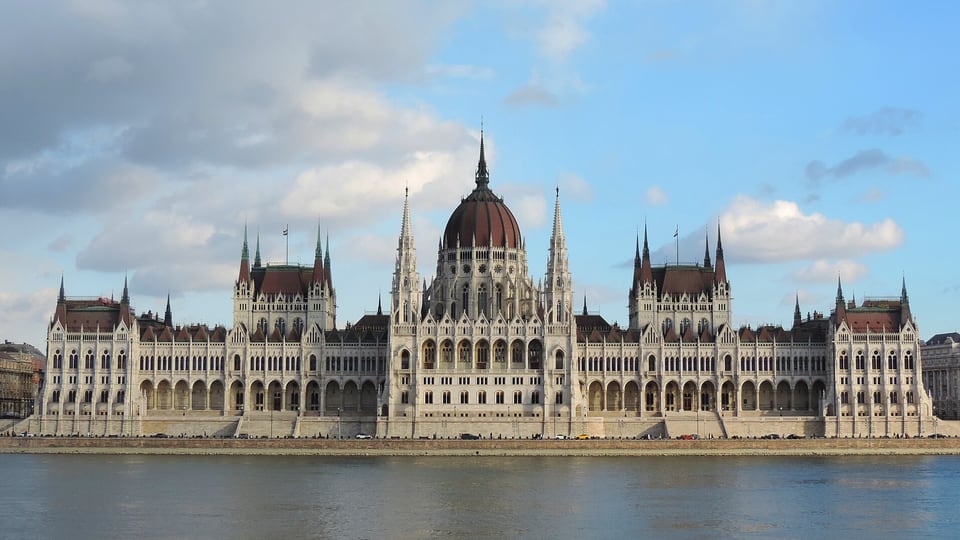
Hungarian Parliament Building
Completed in 1904 after construction began in 1885 (inaugurated for the presumed 1896 millennium, keys handed over 1902), architect Imre Steindl's neo-Gothic Parliament has been Hungary's largest building ever since -- 268m long, 96m tall, a height deliberately chosen to symbolize the 1896 millennium.
Best for: Travelers who want the real construction history and dated scale behind Europe's most photographed Parliament, not just a riverside landmark shot · Area: Kossuth Lajos tér, Pest bank of the Danube
Plan for The interior can only be seen on a guided tour, with a valid passport or ID and rigorous security screening, and no large bags or backpacks permitted since there is no on-site storage.
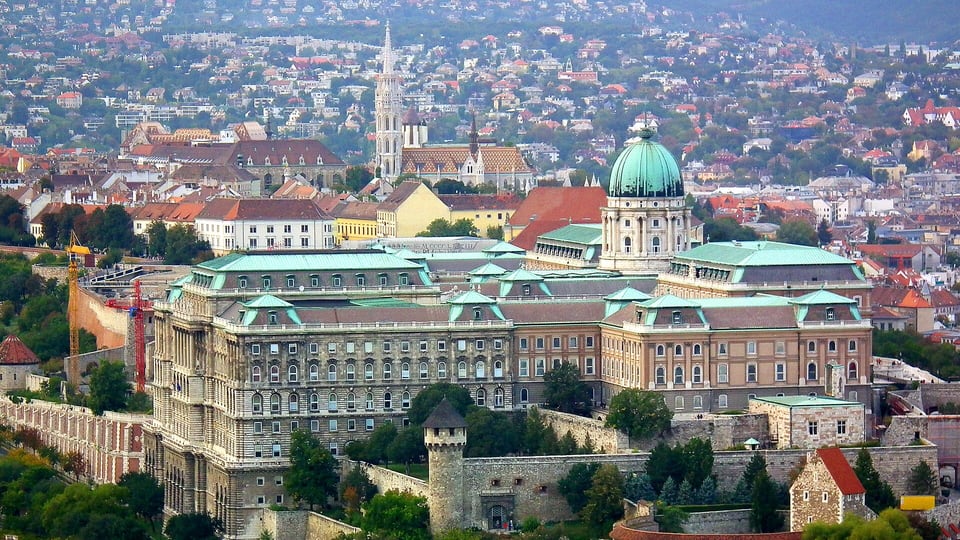
Buda Castle
First completed in 1265 under King Béla IV, Buda Castle was effectively destroyed twice. The 1686 siege that expelled the Ottomans saw a Stephen's Tower gunpowder explosion kill roughly 1,500 Ottoman soldiers; WWII's 1944-45 Siege of Budapest destroyed it again, when it was the last major Axis stronghold in the city.
Best for: Travelers who want the real, twice-destroyed history behind Budapest's royal palace, not an assumed untouched medieval building · Area: Castle Hill, southern end, Buda
Plan for The rebuilt complex today houses museums -- the Hungarian National Gallery, the Budapest History Museum and the National Széchényi Library -- rather than furnished palace rooms.
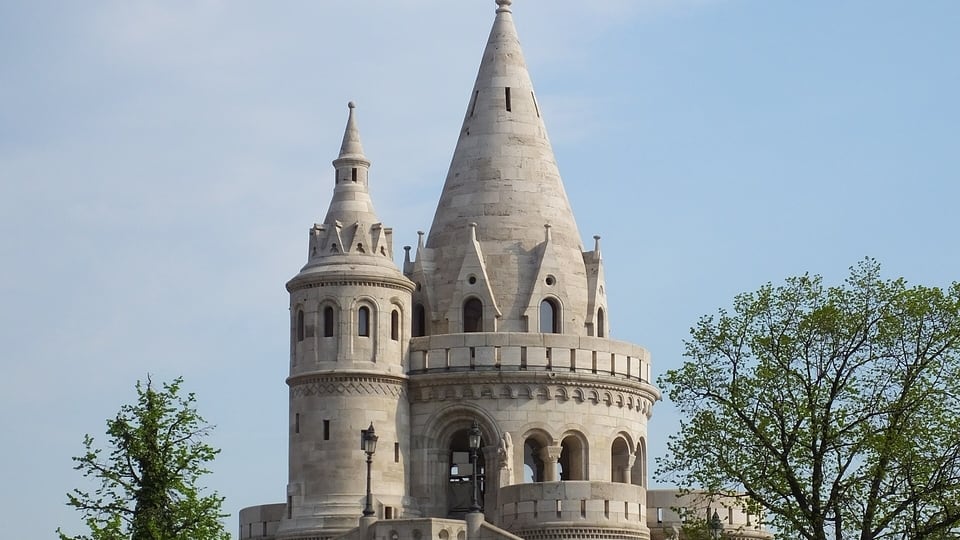
Fisherman's Bastion and Matthias Church
Fisherman's Bastion looks medieval but is genuinely recent: architect Frigyes Schulek built the current neo-Romanesque terrace in 1895-1902 on 18th-century wall foundations, its seven towers symbolizing the seven Magyar tribes of 895. Schulek also restored the adjoining Matthias Church (1874-96), a real medieval coronation church the Ottomans converted into Buda's main mosque from 1541 to 1686.
Best for: Travelers who want the honest, dated story behind Castle Hill's most photographed view, including what is and isn't actually medieval · Area: Castle Hill, beside Buda Castle
Plan for The upper viewing terraces charge admission in peak season while the lower level stays free; either way, the site draws heavy midday crowds, so an early or late visit sees it calmer.
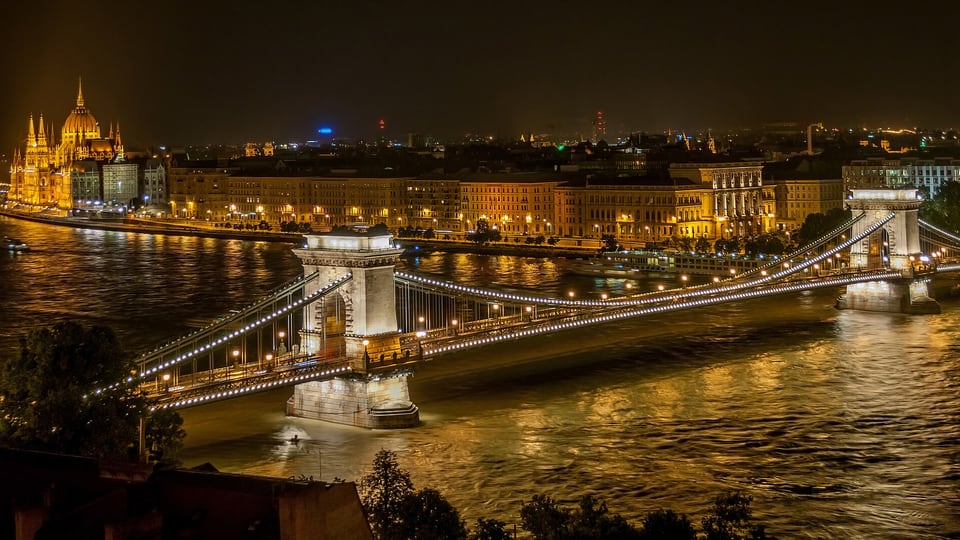
Danube cruise and the Chain Bridge
A Danube cruise sails the genuinely UNESCO-listed panorama of the Banks of the Danube, the Buda Castle Quarter and Andrássy Avenue (inscribed 1987, extended 2002). It passes beneath the 1849 Chain Bridge -- the first permanent bridge ever built across the Danube here, commissioned by Count István Széchenyi.
Best for: Travelers who want to see Budapest's UNESCO-listed skyline from the water, especially at night when the Parliament and Castle Hill are lit · Area: Departure docks near Elizabeth Bridge, Pest bank
Plan for A daytime cruise shows the architecture in full detail; an evening cruise trades that detail for the illuminated skyline, a genuinely different experience.
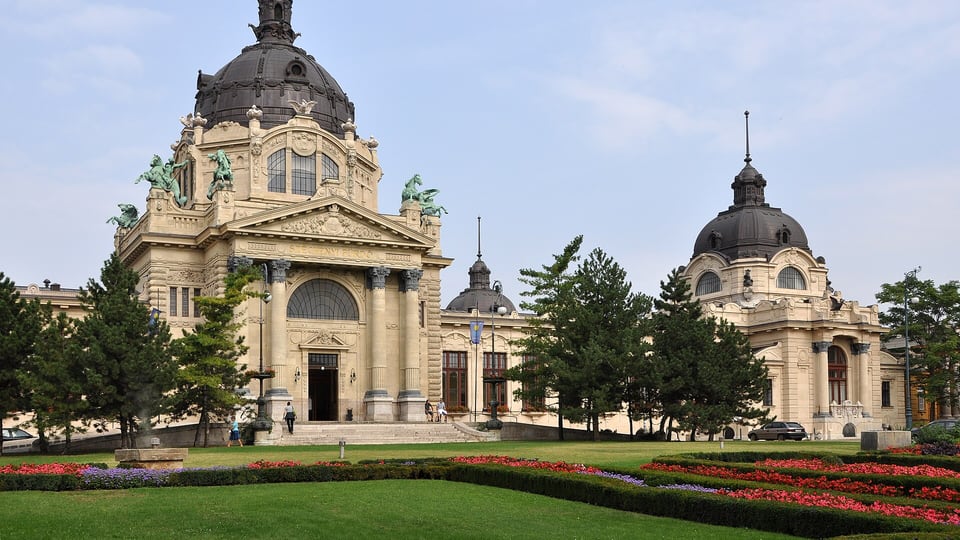
Széchenyi Thermal Bath
Opened in 1913 in a neo-Baroque building by architect Győző Czigler, Széchenyi draws on two dedicated wells -- the deeper reaching 1,256m at 77°C and supplying 6 million litres of hot water daily. It is Europe's largest medicinal bath complex, with 3 outdoor and 15 indoor pools since a 1927 expansion.
Best for: Travelers who want Budapest's largest, most classically photogenic bath, with real outdoor pools open year-round · Area: City Park (Városliget), Pest
Plan for As the largest and most famous bath, Széchenyi draws the heaviest crowds; Rudas offers a genuinely quieter, more historic alternative for the same real geothermal water.
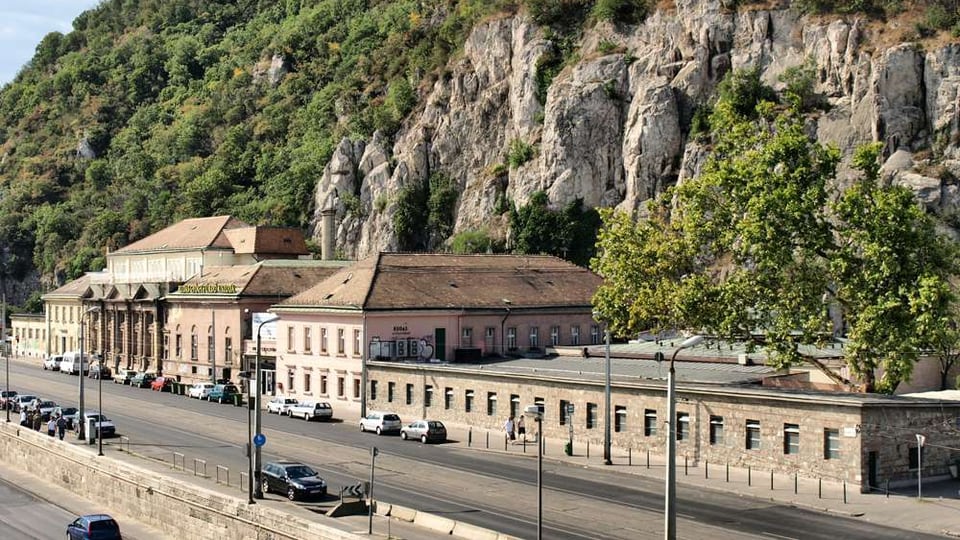
Rudas Baths, the authentic Ottoman survivor
Rudas is Budapest's most authentically Ottoman bath: founded in 1571-72 by Sokollu Mustafa Pasha, Buda's Ottoman governor, its octagonal pool still sits beneath the original Turkish-era dome. It reopened in 2006 after a full renovation; a swim cap is required only for the lap-swimming pool, and the minimum age is 14.
Best for: Travelers who want the genuine 16th-century Ottoman bath architecture, not a later Belle Époque reconstruction · Area: Gellért Hill, Buda bank, near Elizabeth Bridge
Plan for Some sessions are gender-segregated or night-only with different rules than Széchenyi's mixed daytime pools, so checking the current schedule matters more here than at the larger bath.
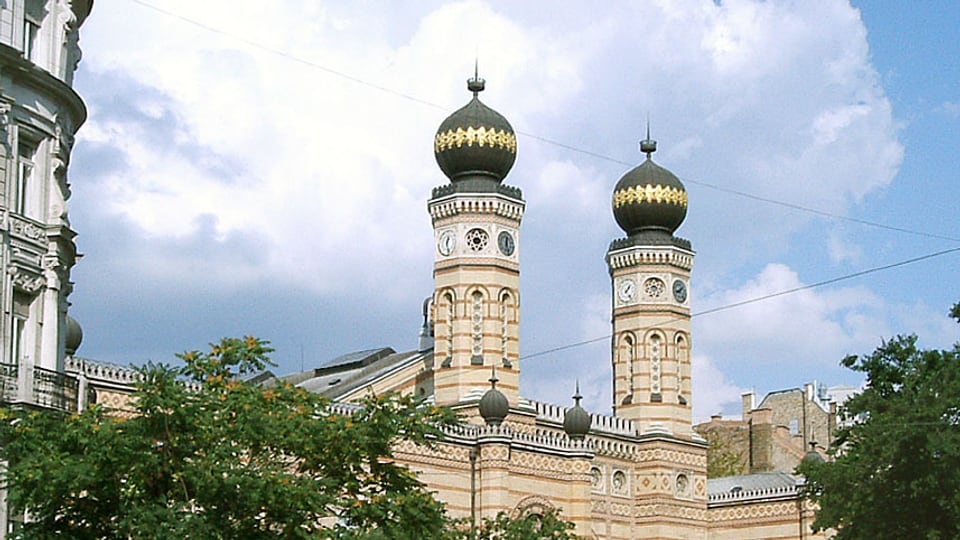
Dohány Street Synagogue
Built 1854-1859 in Moorish Revival style by Ludwig Förster, Dohány Street Synagogue seats 2,964 and is the largest synagogue in Europe. Its Raoul Wallenberg Memorial Park holds a mass grave of roughly 2,000 Budapest Ghetto victims from 1944-45 -- a genuine exception to Jewish burial custom, made necessary by the scale of the wartime deaths.
Best for: Travelers who want Europe's largest synagogue and its real, documented Holocaust-era history together in one visit · Area: Jewish Quarter (Erzsébetváros), Pest
Plan for The memorial garden and mass grave make this a genuinely solemn stop rather than only an architectural one; pairing it with the Shoes on the Danube Bank memorial deepens the same history rather than repeating it.
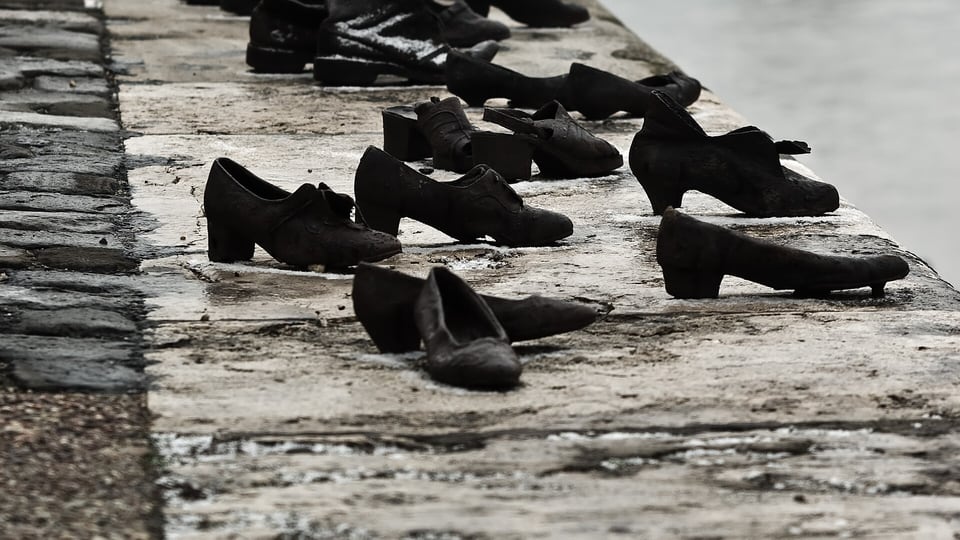
Shoes on the Danube Bank memorial
Created by film director Can Togay and sculptor Gyula Pauer, unveiled 16 April 2005, this memorial marks where Arrow Cross militiamen shot an estimated 3,600 Jews into the Danube in winter 1944-45 after forcing them to remove their shoes. Sixty cast-iron shoe pairs line the embankment today, with plaques in Hungarian, English and Hebrew.
Best for: Travelers wanting to understand a real, specific, documented Holocaust-era atrocity site along the everyday Danube promenade · Area: Pest bank of the Danube, near the Parliament
Plan for This is a solemn, unstaffed outdoor memorial rather than a museum with an entry fee or opening hours -- a brief, free stop that rewards a quiet moment rather than a long visit.
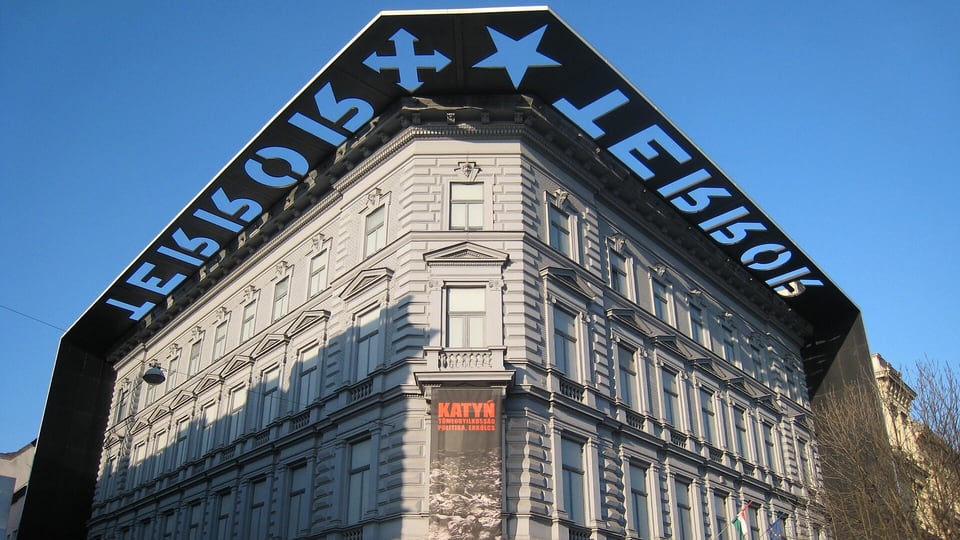
Andrássy Avenue and the House of Terror
Andrássy Avenue, built from 1872 and inaugurated 20 August 1876, is the UNESCO-listed boulevard linking Erzsébet Square to City Park. At number 60 stands the House of Terror, opened 24 February 2002 in a former Arrow Cross Party and communist-era ÁVH secret police headquarters, its preserved basement cells documenting both regimes honestly.
Best for: Travelers who want the UNESCO-listed boulevard's real history alongside an honest, unflinching account of Hungary's 20th-century fascist and communist periods · Area: Andrássy út, running from central Pest to City Park
Plan for The House of Terror's basement cells are genuinely difficult subject matter, appropriately so; travelers pressed for time can walk the avenue's architecture alone and treat the museum as a separate, deliberate stop.
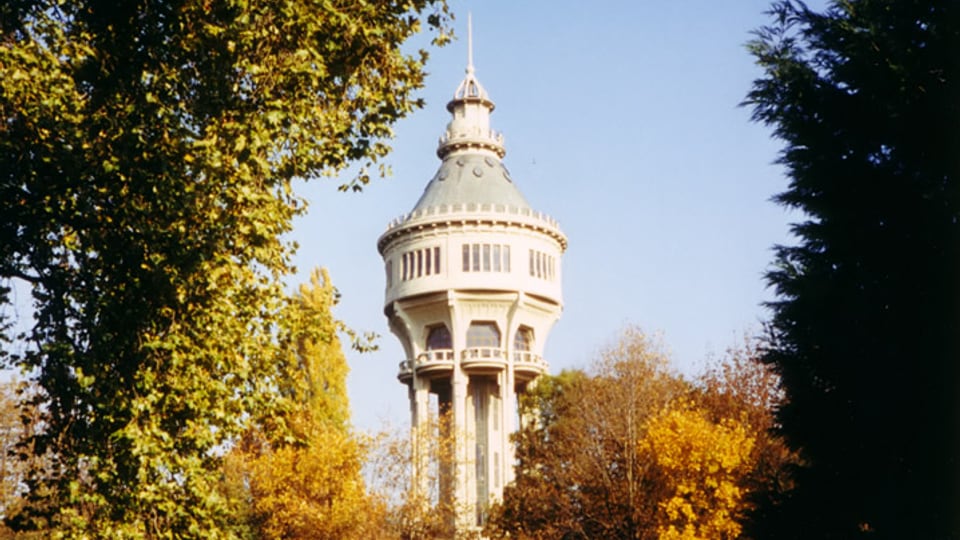
Margaret Island
A real 2.5km-long, 0.965 sq km car-free island in the Danube, Margaret Island has hosted religious communities since the Knights of St. John settled there in the 12th century; the visible ruins of a Franciscan church and a Dominican convent, where Saint Margaret herself lived, date to the Middle Ages.
Best for: Travelers wanting a genuine, documented medieval history alongside a modern car-free park, not just 'a nice green space' · Area: The Danube, between Buda and Pest, reached by tram or bus across its own bridge
Plan for The island's medieval ruins are genuinely modest compared to Castle Hill's landmarks; it rewards travelers who want a slower, walking-and-running pace rather than a dense sightseeing stop.
Plan two, four or seven-plus days in Budapest
Two to three days: the Budapest essentials
Pick this length to cover Castle Hill's landmarks, cross the river for the Parliament and Andrássy Avenue, and fit in one soak at a thermal bath.
These fit comfortably without rushing, spread across Buda's hilltop and Pest's flat core with one bridge crossing between them.
The trade-off This length skips the Jewish Quarter, a Danube cruise and Margaret Island entirely, so it suits a highlights-only visit or a stop within a longer Central Europe trip.
Four to five days: add the Jewish Quarter, a Danube cruise and Margaret Island
Pick this length once the Dohány Street Synagogue, the Shoes on the Danube Bank memorial, a Danube cruise and Margaret Island all matter.
This spreads Budapest's dense sightseeing across more days and adds the city's documented 20th-century history alongside its parks.
The trade-off This length still leaves the Great Market Hall and a second thermal bath visit for the longer stay below.
A week or more: an unhurried pace through the history and a second bath
Pick this length to add the Great Market Hall, a genuinely unhurried pace through the House of Terror and the 20th-century history sites, plus a second thermal bath.
A week allows the full city beyond the highlights, without rushing any single stop.
The trade-off A shorter trip cannot fit this depth of history and a second bath visit, so accept the extra days if either genuinely matters to the itinerary.
Sources
checked 2026-09-25. Recommendations are editorial judgements based on the cited sources below.
Choose a Budapest base and explore nearby
Castle District: a base for landmarks and views, at the cost of a hilltop commute
Consider this base for Buda Castle, Fisherman's Bastion and Matthias Church all within walking distance, accepting the funicular or bus ride down to Pest for everything else.
This puts Budapest's densest concentration of landmarks within a short walk, at the cost of daily hill access to reach the rest of the city.
The trade-off Choosing the Castle District means accepting a hillier commute for restaurants and nightlife, a fair trade for landmark density.
Pest Downtown / Andrássy Avenue: a base for flat walking and Metro access
Consider Pest Downtown for the Parliament, shopping and Metro Line 1 -- the continent's oldest electrified underground -- all within a flat, easy-walking core.
This trades Castle Hill's views for genuinely easier daily transit and flatter walking throughout the stay.
The trade-off Central Pest hotel prices run higher than outer districts, a reasonable trade for travelers prioritizing flat walking and transit.
Jewish Quarter: a base for heritage sites by day and nightlife after dark
Consider the Jewish Quarter when the Dohány Street Synagogue, the Shoes on the Danube Bank memorial and Budapest's original ruin-bar nightlife all matter.
This area's real, documented Holocaust-era history by day and ruin-bar energy by night give it a genuinely different character than the Castle District or central Pest.
The trade-off Basing here means real nighttime noise from nearby ruin bars, a worthwhile trade for travelers prioritizing both heritage and nightlife in one neighborhood.
Sources
checked 2026-09-25. Recommendations are editorial judgements based on the cited sources below.
Airport, safety and getting around
Budapest Ferenc Liszt International Airport (IATA BUD) sits roughly 16km southeast of the city center and handled 17.6 million passengers in 2024, an 11.7% rise on the year before; Terminal 1 offers a direct roughly 20-minute rail link into the city, while Terminal 2 connects by an 8-minute bus to the same line.
Budapest's Metro Line 1, opened 2 May 1896 for the millennium celebrations, is the oldest electrified underground railway on the European continent and the world's second-oldest after London's City and South London Railway (1890); it joined the UNESCO listing alongside Andrássy Avenue in 2002.
Buda's Castle District is a genuine hilltop, best reached by the Castle Hill Funicular or bus rather than on foot from central Pest. Pest's own core -- Parliament, Andrássy Avenue and the Jewish Quarter -- is flat and walkable, with the Metro and tram network covering the wider city.
The UK FCDO's Hungary guidance says terrorist attacks cannot be ruled out and flags real, specific risks in Budapest: pickpocketing on crowded transit and at markets, drink-spiking reported in some bars, and overcharging scams that sometimes coerce tourists into ATM withdrawals.
Best time to visit
Winter (December-February)
Budapest's coldest season with frequent snowfall; also low season at the thermal baths, where steaming outdoor pools against cold air and snow are a genuinely different experience from a summer visit.
- Crowds
- Low
Spring (March-May)
A genuine shoulder season as temperatures rise from Budapest's cold winter toward its warm summer, with generally lighter crowds at the Castle District and Parliament than the summer peak.
- Crowds
- Varies by event and attraction
Summer (May-September)
Budapest's warm season and peak tourist period, when the outdoor pools at Széchenyi and Rudas draw the heaviest crowds and river-cruise and Castle District queues run longest.
- Crowds
- High
Autumn (September-November)
A genuine shoulder season as summer's crowds ease and temperatures cool toward winter, offering a quieter but still mild alternative for the Castle District and thermal baths alike.
- Crowds
- Varies by event and attraction
Food, markets and local life
Real Hungarian gulyás traces to 9th-10th century herders' stews -- dried meat carried in sheep-stomach bags, reconstituted with water -- and is classified in Hungarian as a soup, not the thick stew most restaurants abroad serve. Paprika, which only reached Europe in the 16th century, gives it its defining red color.
Lángos, Budapest's deep-fried flatbread, takes its name from the Hungarian word for flame: bakers historically shaped it from leftover bread dough and fried it at the mouth of the oven while it warmed, serving it hot with toppings like sour cream, cheese or garlic.
The Great Market Hall, opened 15 February 1897 by architect Samu Pecz, is Budapest's largest and oldest indoor market, its Zsolnay-tiled roof covering 10,000 sq metres of stalls selling paprika, Tokaji wine, kolbász sausage and salami on the ground floor, with eateries above.
City profile
- Population (City of Budapest, 2025; the wider metropolitan area is a distinct, broader figure of roughly 3,303,786, 2025): 1,685,209
The Romans established the settlement of Aquincum, on the site of modern Buda, in AD 41 as the capital of the province of Pannonia Inferior -- a real, dated Roman-era origin for the area centuries before any Hungarian city existed there.
Ottoman forces captured Buda in 1541 and held it for 145 years, until the Holy League recaptured the city in 1686 -- a genuinely long occupation whose Turkish-era bathhouse, Rudas, is still standing and in use today.
The 1867 Austro-Hungarian Compromise made Budapest's predecessor cities the co-capital of a dual monarchy alongside Vienna, triggering the rapid Belle Époque-era building boom -- the Parliament and Andrássy Avenue among them -- that still defines the city's center.
Budapest was formed on 17 November 1873 by the formal unification of three separate cities across the Danube. Buda and Óbuda, on the west bank, joined Pest on the east bank -- a real, dated administrative merger, not a vague 'two sides of the river' description.
Famous for:
- Budapest sits on a real geothermal spring system: roughly 125 springs produce about 70 million litres of thermal water a day, up to 58°C, making it one of only three national capital cities in the world with natural thermal springs.
- UNESCO inscribed 'Budapest, including the Banks of the Danube, the Buda Castle Quarter and Andrássy Avenue' as a World Heritage Site in 1987, extending it to cover Andrássy Avenue in 2002 -- a specific, named listing, not a generic 'beautiful skyline' claim.
- The Hungarian Parliament Building has been the largest building in Hungary since its 1904 completion, its 96-metre height a deliberate symbolic reference to the country's purported millennium in 1896.
- The Széchenyi Chain Bridge, opened 20 November 1849, was the first permanent bridge ever built across the Danube in the Hungarian capital, physically connecting Buda and Pest for the first time.
What makes a Budapest visit worthwhile
Budapest carries real, well-documented 20th-century history: Arrow Cross militiamen shot an estimated 3,600 Jews into the Danube in winter 1944-45, and the 1956 Revolution, begun 23 October 1956, ended in Soviet suppression that killed about 2,500 Hungarian civilians.
Both are stated honestly here, at the House of Terror museum and the Shoes on the Danube Bank memorial, without dwelling on them disproportionately -- the same register this program uses for comparable history elsewhere.
Fisherman's Bastion looks like a medieval castle but genuinely is not one: architect Frigyes Schulek built the current neo-Romanesque structure between 1895 and 1902 as a decorative viewing terrace on 18th-century wall foundations -- stated honestly here rather than left implying ancient defensive origin.
The UK FCDO's Hungary travel advice states that terrorist attacks cannot be ruled out. It separately warns that petty crime -- pickpocketing and bag-snatching on crowded transport, at markets and around tourist sites -- is prevalent, especially in Budapest, stated plainly rather than invented or omitted.
- Plan by trip type
- Hilly Buda's Castle District · flat Pest's Parliament & Andrássy Avenue · Jewish Quarter · thermal baths · a Danube cruise between the two
- Good first stay
- 2-3 days: Castle District, Parliament & one bath; 4-5 days adds Jewish Quarter, Danube cruise & Margaret Island; a week+ adds the history sites unhurried
- Climate
- A transitional climate: warm summers (May-September) and cold, often snowy winters, with about 586mm of rain a year and roughly 1,988 hours of sunshine
- Main gateway
- BUD airport, roughly 16km southeast of the center; a direct rail link reaches downtown in about 20 minutes
Planning your Budapest visit: FAQs
Is Gellért Baths open?
No -- Gellért Baths closed for renovation on 1 October 2025, with reopening planned for 2028; Gellért's operator points visitors to Széchenyi Thermal Bath as the current alternative, and Rudas Baths remains open with its authentic Ottoman-era pool.
Why is Budapest called Buda AND Pest?
Budapest was formed on 17 November 1873 by the formal unification of Buda and Óbuda on the west bank of the Danube with Pest on the east bank. It is a real, dated merger of three previously separate cities, not a metaphor for the river dividing one city in two.
Is Fisherman's Bastion really a medieval fortress?
No -- despite its castle-like turrets, Fisherman's Bastion is a genuinely recent 1895-1902 neo-Romanesque viewing terrace by architect Frigyes Schulek, built on 18th-century wall foundations, not a surviving medieval fortification.
Do I need a guided tour to see the Parliament's interior?
Yes -- the Parliament's interior can only be seen on a guided tour, with a valid passport or ID required, airport-style security screening, and no large bags or backpacks permitted since there is no on-site storage.
What is the Shoes on the Danube Bank memorial?
It marks where Arrow Cross militiamen shot an estimated 3,600 Jews into the river in winter 1944-45 after forcing them to remove their shoes; sixty cast-iron shoe pairs, unveiled 16 April 2005, line the embankment today.
Is Budapest safe to visit, honestly?
Budapest is a large, genuinely welcoming capital that also carries real, documented risks: the UK FCDO says terrorist attacks cannot be ruled out, and flags pickpocketing, drink-spiking and overcharging scams as real, current concerns for visitors.
Make your Budapest plans
Compare tours, tickets and activities in Budapest →
Choose your departure market and search flights to Budapest from the Mubboo Flights homepage.
Compare flights ↗Sources
Latest source check: .
Show all 27 sources
- Wikipedia — Budapest (checked 2026-09-25)
- UNESCO World Heritage Centre — Budapest listing (checked 2026-09-25)
- Wikipedia — Hungarian Parliament Building (checked 2026-09-25)
- Wikipedia — Fisherman's Bastion (checked 2026-09-25)
- Wikipedia — Buda Castle (checked 2026-09-25)
- Wikipedia — Matthias Church (checked 2026-09-25)
- Wikipedia — Széchenyi Chain Bridge (checked 2026-09-25)
- Wikipedia — Andrássy Avenue (checked 2026-09-25)
- Wikipedia — Széchenyi Thermal Bath (checked 2026-09-25)
- Wikipedia — Gellért Baths (checked 2026-09-25)
- Gellért Thermal Bath (closure notice) (checked 2026-09-25)
- Wikipedia — Rudas Baths (checked 2026-09-25)
- Rudas Thermal Bath (checked 2026-09-25)
- Wikipedia — Dohány Street Synagogue (checked 2026-09-25)
- Wikipedia — Szimpla Kert (checked 2026-09-25)
- Wikipedia — Shoes on the Danube Bank (checked 2026-09-25)
- Wikipedia — House of Terror (checked 2026-09-25)
- Wikipedia — Hungarian Revolution of 1956 (checked 2026-09-25)
- Wikipedia — Margaret Island (checked 2026-09-25)
- Wikipedia — Goulash (checked 2026-09-25)
- Wikipedia — Lángos (checked 2026-09-25)
- Wikipedia — Great Market Hall (checked 2026-09-25)
- Wikipedia — Budapest Metro (checked 2026-09-25)
- Wikipedia — Budapest Ferenc Liszt International Airport (checked 2026-09-25)
- GOV.UK — Hungary travel advice: safety and security (checked 2026-09-25)
- The booking platform — Budapest destination mapping d499 (checked 2026-09-25)
- Budapest Parliament Tickets — current visitor rules (checked 2026-09-25)
Photo credits
- hungarian parliament building — Kilyann Le Hen · CC BY 4.0.
- buda castle — Varius · CC BY-SA 3.0.
- fishermans bastion matthias church — Brian Adamson · CC BY 2.0.
- danube cruise chain bridge — Wilfredor · CC0.
- szechenyi thermal bath — Marc Ryckaert ( MJJR ) · CC BY 3.0.
- rudas thermal bath — misibacsi · Public domain.
- dohany street synagogue — The original uploader was OsvátA at Hungarian Wikipedia . · CC BY-SA 3.0.
- shoes on the danube bank — Nikodem Nijaki · CC BY-SA 3.0.
- andrassy avenue house of terror — Tbachner · CC BY 3.0.
- margaret island — Darkone ( talk · contribs ) · CC BY-SA 2.0.
Mubboo Editorial Team · Reviewed by Mubboo Editorial Team


