
Barcelona travel guide
Barcelona
Barcelona works best as several connected days: Eixample modernisme, the Gothic Quarter and Born, Gràcia and Park Güell, Montjuïc, then the Mediterranean waterfront. Choose one major interior for depth and let the surrounding area organise the route.

Find your Barcelona experience
Explore Barcelona Before You Book
Take a virtual drive or walk, then find tours and tickets for the places you like.
Activities
Featured activities in Barcelona


Prices at a glance
What we sell today and what recent flight searches found. No hotel prices; nothing here is a trip total.
- Tours and tickets in Barcelonafrom US$30.89
Live from Viator when this page loaded · per adult · changes by date.
Flights to Barcelona
- From New Yorkone-way from US$193
Lowest fare seen in recent flight searches for that route; the airline or booking site confirms the final fare.
Plan Barcelona by time and budget
Top experiences
Top experiences in Barcelona
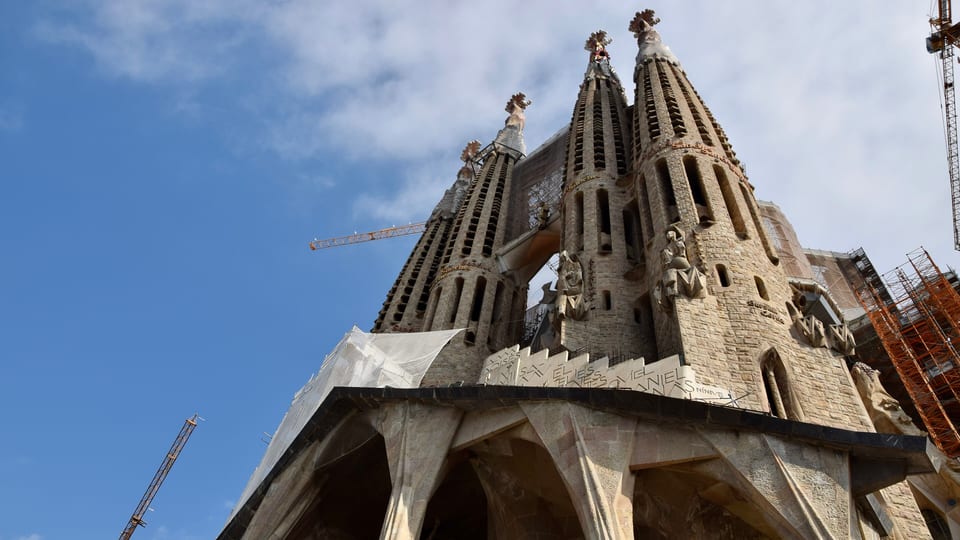
Sagrada Família
The basilica began in 1882 and Gaudí assumed the project in 1883, making an unfinished building part of the city’s living architectural story.
Best for: First-time architecture visitors · Area: Eixample
Plan for Its scale rewards a focused visit; tower access and exact inclusions are separate decisions.
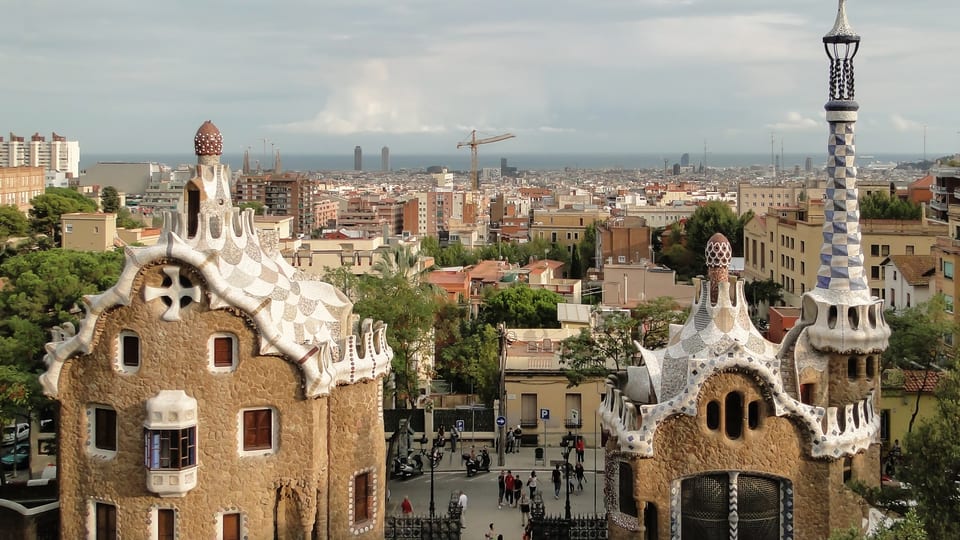
Park Güell
The unrealised garden-city project combines Gaudí’s architecture with a hillside landscape and city views.
Best for: Architecture visitors who also want outdoor space · Area: Gràcia hillside
Plan for The site is uphill and timed access may govern the route; do not treat it as beside central Eixample.
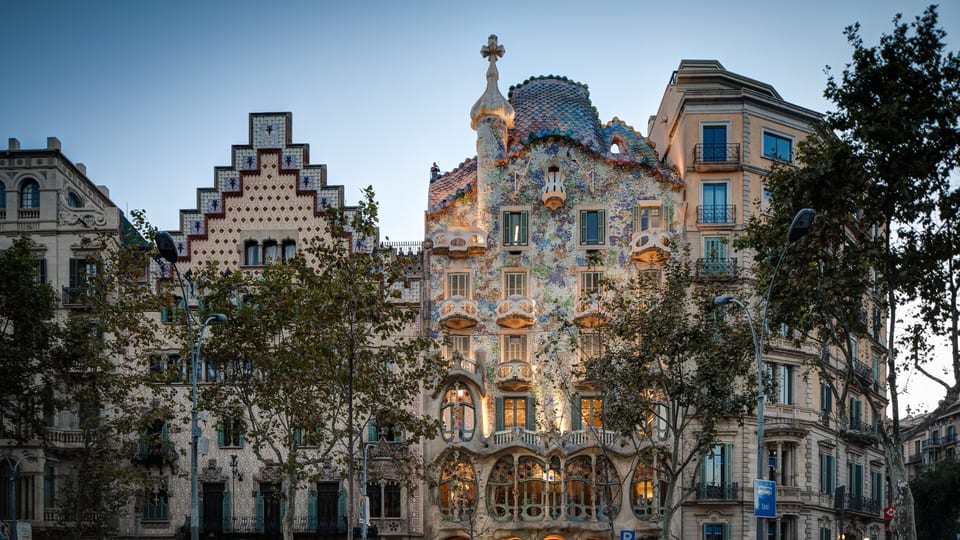
Passeig de Gràcia and Casa Batlló
The boulevard places Casa Batlló within a wider streetscape of bourgeois Barcelona and competing modernista architects.
Best for: Travellers who want architecture in its urban context · Area: Eixample
Plan for A paid interior adds depth but should replace, not simply join, another major interior on a short day.
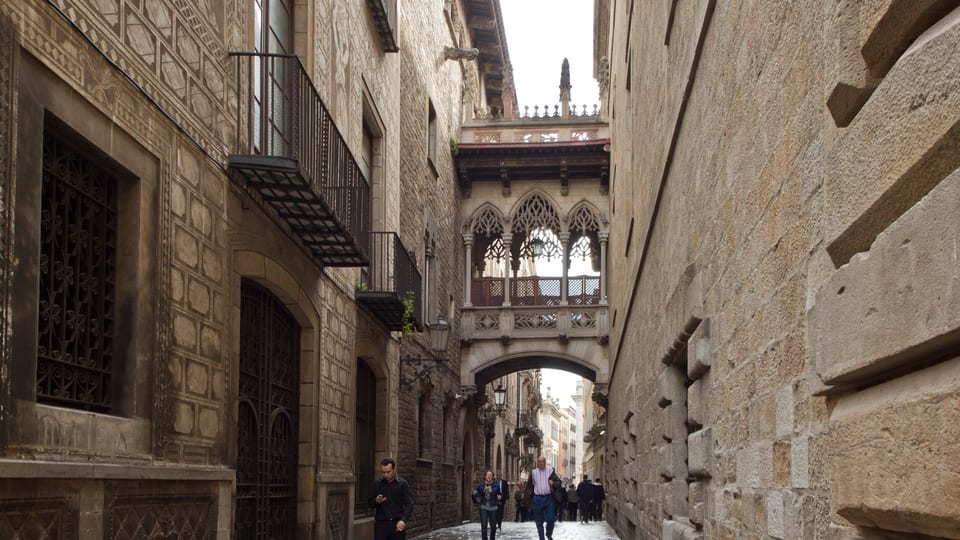
Gothic Quarter
Roman axes, medieval streets and civic buildings make the old city a layered place rather than a single architectural period.
Best for: History-led walkers and first-time visitors · Area: Ciutat Vella
Plan for Narrow streets become busy and orientation is less obvious than the Eixample grid.
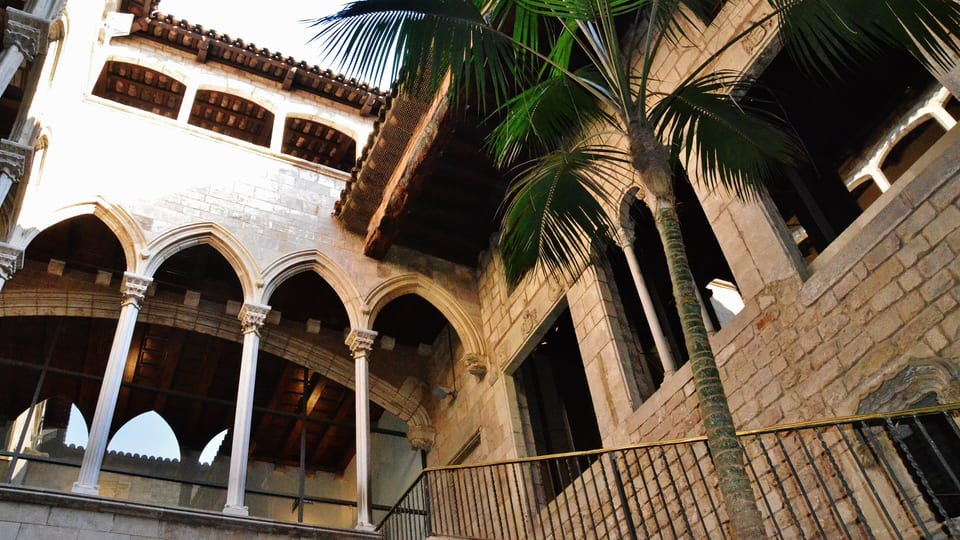
Picasso Museum and El Born
The museum’s collection is especially strong on Picasso’s formative years, while the surrounding Born streets retain medieval and later city layers.
Best for: Art visitors and travellers wanting a museum-neighbourhood pairing · Area: La Ribera and El Born
Plan for A museum visit and a guided old-city walk can overlap; choose the interpretation you value.
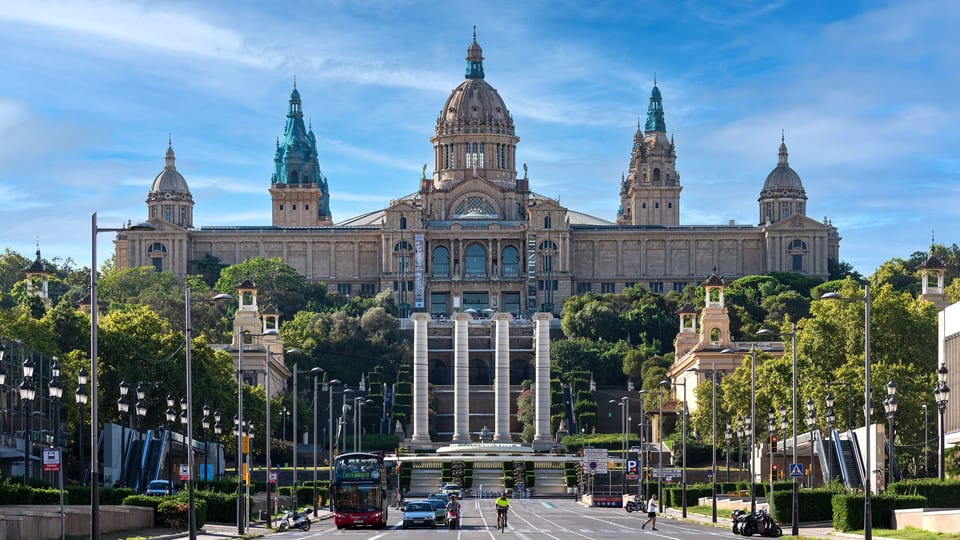
Montjuïc
Montjuïc gathers gardens, museums, performance venues and broad city perspectives on one hill.
Best for: Museum visitors, garden walkers and travellers wanting space · Area: Sants-Montjuïc
Plan for The hill is not one compact attraction; choose a cluster and check the funicular or other transport needed.
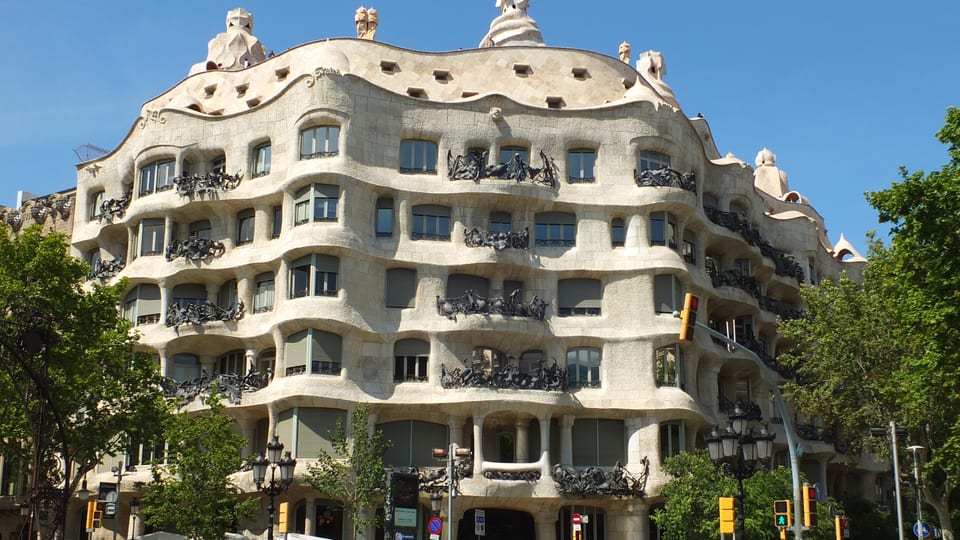
La Pedrera (Casa Milà)
UNESCO’s Works of Antoni Gaudí listing includes Casa Milà among the properties inscribed in 1984. The house is billed as Gaudí’s most emblematic civil work, with a rooftop of sculptural chimneys finished in a trencadís mosaic technique.
Best for: Architecture visitors comparing Gaudí’s residential projects · Area: Eixample, Passeig de Gràcia
Plan for Choosing both Casa Batlló and La Pedrera on one day still means two separate paid interiors; treat it as a deliberate pairing, not a quick add-on.
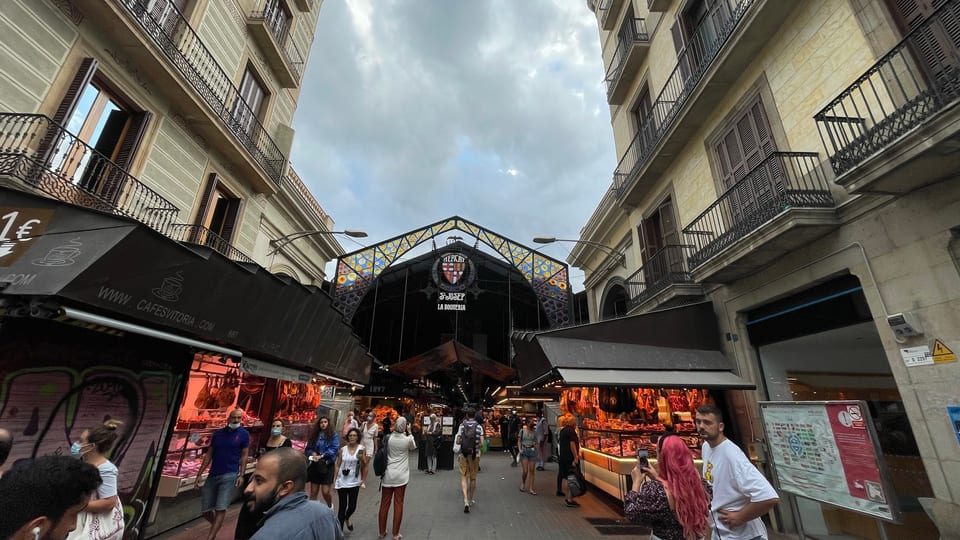
La Boqueria Market
Turisme de Barcelona dates the market’s founding to 19 March 1840, after four years of building on land that had held Saint Joseph’s convent. Peddlers were recorded selling meat on the same Rambla site as early as the thirteenth century.
Best for: Food-focused travellers and anyone wanting a market-led morning · Area: Ciutat Vella, La Rambla
Plan for The market publishes Monday-to-Saturday opening hours; a Sunday visit finds it closed, and many stalls wind down by mid-afternoon.
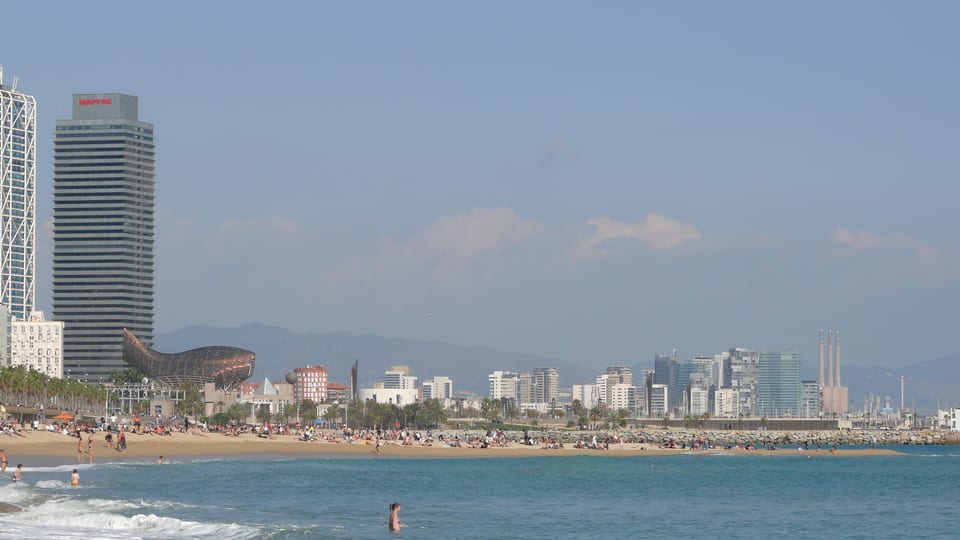
Barceloneta and the beaches
Barceloneta grew as Barcelona’s traditional fishing quarter and today opens directly onto the city’s Mediterranean beach strip. It is the clearest contrast on offer to the Eixample grid and the old city’s enclosed streets.
Best for: Travellers wanting sea air, an evening walk or a contrast day after architecture and old-city sightseeing · Area: Barceloneta, waterfront
Plan for The beach and the fishing-quarter streets are a different rhythm from timed monuments; treat it as an open-ended afternoon rather than a scheduled stop.
Plan one, three or five days in Barcelona
One day: choose Eixample modernisme or the Gothic Quarter, not both
Give Eixample the whole day when Gaudí's architecture is the priority: the Sagrada Família, then a walk down Passeig de Gràcia to Casa Batlló and La Pedrera, covers one grid of streets without a metro change. Choose the Gothic Quarter instead when Roman and medieval history matters more than modernisme.
Sagrada Família sells basilica-only and basilica-with-tower-access as separate ticket categories, so the tower decision has to be made before arrival. Casa Batlló and La Pedrera sit roughly 350 metres apart on the same boulevard.
The trade-off Combining Eixample and the Gothic Quarter on one day usually means seeing each area from the outside only; the metro ride between them eats into whichever interior visit was the day's real purpose.
Three days: Eixample, the old city, and Montjuïc or Barceloneta
Spend day one across Eixample: the chosen Gaudí interior plus Passeig de Gràcia. Give day two to the Gothic Quarter and Born, pairing the Picasso Museum with the old city's Roman and medieval streets. Use day three for Montjuïc's gardens and museums or Barceloneta's beach and fishing-quarter streets, not both.
Montjuïc and Barceloneta sit in opposite directions from the old city: one is hillside museums reached by funicular, the other a flat waterfront walk. Treat them as alternatives, not two half-visits.
The trade-off Splitting day three between Montjuïc and Barceloneta usually leaves too little time at either for the funicular ride, the beach walk or a museum interior to feel worthwhile.
Five days: add Park Güell and one further choice
Use day four for Gràcia and Park Güell's Monumental Zone, booked for a specific time slot in advance. Use day five for whichever of La Boqueria market, a second Gaudí interior, or a Montserrat day trip best matches the trip's purpose.
Park Güell's Monumental Zone ticket is timed: entry rights lapse 30 minutes after the printed slot, so this day should not also carry a same-morning old-city commitment. Montserrat needs a full day given the journey each way.
The trade-off Adding both Park Güell and a Montserrat day trip to a five-day stay usually means dropping either the Boqueria morning or a second Gaudí interior; pick one fifth-day priority rather than fitting three.
Costed plans: One Day in Barcelona: €130 or Less? → · Barcelona in 3 Days for €190? →
Sources
checked 2026-09-12. Recommendations are editorial judgements based on the cited sources below.
Choose a Barcelona base and explore nearby
Eixample: a base for architecture and straightforward transit
Consider this base when Gaudí's architecture is the trip's priority and moving quickly between the Sagrada Família, Casa Batlló and La Pedrera matters more than an old-city or seafront setting.
Passeig de Gràcia puts Casa Batlló and La Pedrera within a short walk of each other, and several metro lines cross the district, so Eixample also works as a hub for day trips toward Park Güell or Montjuïc.
The trade-off Staying in Eixample trades the Gothic Quarter's medieval lanes and Barceloneta's sea air for a grid of wide, modern avenues, and evenings here run quieter than the old city's.
Gothic Quarter and Born: a base for old-city walking and evenings
Consider this base when Roman and medieval streets, the Picasso Museum and later evenings matter more than Eixample's direct metro links to the Gaudí sites.
The district rewards walking over transit: Barcelona Cathedral, the Roman street axes and Santa Maria del Mar sit within a compact web of lanes, and Born's streets stay busy well into the evening.
The trade-off Staying here trades Eixample's wide, legible grid for narrower, more crowded lanes, and every Gaudí site in Eixample or Gràcia needs a deliberate metro ride rather than a walk.
Barceloneta: a base for sea air and a slower pace
Consider this base when a beach and fishing-quarter setting matters more than proximity to the Gaudí sites or the old city's density of sights.
Barceloneta opens directly onto the city's Mediterranean beach strip and keeps its own fishing-quarter streets and rhythm, distinct from both Eixample's grid and the Gothic Quarter's old-city lanes.
The trade-off Eixample's architecture, the old city's history and Park Güell's hillside all need a metro ride or a longer walk from here; a first Barcelona stay built around sightseeing density usually fits Eixample or the Gothic Quarter better.
Sources
checked 2026-09-12. Recommendations are editorial judgements based on the cited sources below.
Airport and getting around
Barcelona-El Prat Airport (BCN) has R2 North rail and Line 9 South metro links. Check the terminal and the final transfer to your accommodation before choosing the route.
The metro connects the major districts, while the Gothic Quarter, Born and each attraction cluster still require walking. Park Güell and Montjuïc add hills, so accessibility and route sequence matter.
Best time to visit
Spring (March–May)
Temperatures rise through spring; outdoor architecture routes are generally easier before midsummer heat, with rain still possible.
- Crowds
- Varies by event and attraction
Notable events
- Sant Jordi's Day on 23 April, with book and rose stalls across the city
Summer (June–August)
Warm to hot days favour early outdoor starts, shaded breaks and timed indoor visits during the middle of the day.
- Crowds
- Varies by event and attraction
Notable events
- Sant Joan, the midsummer public holiday on 24 June
Autumn (September–November)
Temperatures ease, while September and October are the wettest months in the airport normals. Keep a museum alternative.
- Crowds
- Varies by event and attraction
Notable events
- Catalan National Day, a public holiday on 11 September
- La Mercè, the city festival around its 24 September holiday
Winter (December–February)
Cooler, relatively dry conditions suit city walking when shorter daylight and cool evenings are acceptable.
- Crowds
- Varies by event and attraction
Food, markets and local life
Use a market or neighbourhood as the organising idea. Boqueria has a long municipal-market history, dated by Turisme de Barcelona to 1840, but Sant Antoni, Gràcia, Barceloneta and Born create different relationships between food and daily city life.
A food tour should explain Catalan products and the district, not only maximise tastings. Compare dietary handling, walking distance, group format and whether a market visit is possible at the stated time; Boqueria itself publishes Monday-to-Saturday hours, so a Sunday plan needs a different district.
City profile
- Population (Municipality of Barcelona, municipal register at 1 January 2025, 2025): 1,732,066
The Gothic Quarter preserves Barcelona’s Roman street axes and medieval civic and religious layers.
The Eixample plan, approved in 1860, joined the old city to surrounding settlements and became the great urban setting for Catalan modernisme.
Famous for:
- Distinct Gaudí projects including Sagrada Família, Park Güell and Casa Batlló.
- Roman and medieval layers across the Gothic Quarter and Born.
- A Mediterranean waterfront linked to the traditional fishing quarter of Barceloneta.
What makes a Barcelona visit worthwhile
Gaudí’s buildings are the reason most first visits happen, and they read best one interior at a time: the Sagrada Família, begun in 1882 and still under construction, or one of the two Passeig de Gràcia houses. Walk the Eixample grid around whichever you choose and the building stops being a queue and becomes part of a planned modernista city.
The old city answers the grid: Roman street axes and medieval lanes in the Gothic Quarter, the Picasso Museum and Santa Maria del Mar in Born. Montjuïc adds a hill of museums and gardens above the port, and Barceloneta sets a fishing-quarter grid against the beach. Give the modernisme day one of these as its contrast rather than a second similar interior.
- Plan by area
- Modernisme · Old city · Hills · Coast
- Good first stay
- 4 days for distinct city areas
- Climate constraint
- Midsummer heat · Early-autumn rain
- Main airport
- BCN · Rail and L9 South metro
Watch Barcelona
Barcelona First-Timer’s Guide: Gaudí, Old Streets, Food & Night
Explore Barcelona layer by layer: Gaudí and Eixample, Gothic lanes and El Born, Park Güell and Gràcia, Montjuïc or the sea, then markets and the city after dark. This narrated city guide helps you choose what to prioritize before planning a day or comparing tours and tickets.

Planning your Barcelona visit: FAQs
Can I visit Sagrada Família, Park Güell and Casa Batlló in one day?
It is physically possible with carefully matched times, but the sites are not one compact cluster and each explains a different project. Choose one interior for depth, use the Eixample streets for context and put Park Güell on a separate hillside route when time allows.
Which Barcelona area is most convenient?
Eixample is practical for modernisme and transit, the Gothic Quarter and Born for historic streets, Gràcia for neighbourhood character, and Barceloneta for the waterfront. The best base is the one that reduces the journeys you will repeat.
When is Barcelona hottest or wettest?
AEMET’s Barcelona Airport normals show July and August as the hottest months and September and October as the wettest. These are long-term patterns, not a forecast, so keep current conditions and indoor alternatives in the plan.
Should I add Montserrat, Girona or the Costa Brava?
Choose one only when it is a priority. Each is a dedicated out-of-city day with different transport and walking demands; it should replace a Barcelona day rather than be attached to an already full city route.
Do I need to book Park Güell before I arrive?
Yes. The Monumental Zone at Park Güell is sold against a timed slot, and arriving more than 30 minutes after that time loses the right to enter, so a same-day walk-up is not a reliable plan.
Is the Spotify Camp Nou tour running as usual?
Not necessarily. Spotify Camp Nou is closed to general visitors while renovation continues, so read what the current tour includes before booking rather than assuming the pre-renovation experience.
Make your Barcelona plans
Compare tours, tickets and activities in Barcelona →
Choose your departure market and search flights to Barcelona from the Mubboo Flights homepage.
Compare flights ↗Sources
Latest source check: .
Show all 35 sources
- Barcelona City Council — The population of Barcelona 2025 (checked 2026-09-12)
- Barcelona Tourism Observatory — 2025 destination results (checked 2026-09-12)
- Spain tourism portal — Barcelona (checked 2026-09-12)
- Sagrada Família — history (checked 2026-09-12)
- Park Güell — origin and creation (checked 2026-09-12)
- Casa Batlló — history (checked 2026-09-12)
- Museu Picasso Barcelona — collection (checked 2026-09-12)
- Turisme de Barcelona — Gothic Quarter (checked 2026-09-12)
- Turisme de Barcelona — Eixample (checked 2026-09-12)
- Turisme de Barcelona — Gràcia and Park Güell (checked 2026-09-12)
- Turisme de Barcelona — Passeig del Born (checked 2026-09-12)
- Turisme de Barcelona — Barceloneta Beach (checked 2026-09-12)
- Turisme de Barcelona — Parc de Montjuïc (checked 2026-09-12)
- Turisme de Barcelona — Boqueria Market (checked 2026-09-12)
- Turisme de Barcelona — Catalan gastronomy (checked 2026-09-12)
- AEMET — Barcelona Airport standard climate values 1981–2010 (checked 2026-09-12)
- TMB — getting around Barcelona by public transport (checked 2026-09-12)
- TMB — Barcelona metro and bus network map (checked 2026-09-12)
- Aena — Barcelona-El Prat airport train access (checked 2026-09-12)
- Aena — Barcelona-El Prat airport metro access (checked 2026-09-12)
- The booking platform — Barcelona destination mapping d562 (checked 2026-09-12)
- UNESCO World Heritage Centre — Works of Antoni Gaudí (checked 2026-09-12)
- Sagrada Família — ticket prices (checked 2026-09-12)
- Park Güell (checked 2026-09-12)
- La Pedrera–Casa Milà — architecture (checked 2026-09-12)
- La Pedrera–Casa Milà — the roof terrace (checked 2026-09-12)
- Casa Batlló — tickets (checked 2026-09-12)
- Turisme de Barcelona — Boqueria Market (checked 2026-09-12)
- TMB — T-casual (checked 2026-09-12)
- FGC / Turistren — Montserrat Rack Railway and funiculars (checked 2026-09-12)
- Aeri de Montserrat (checked 2026-09-12)
- Spotify Camp Nou (checked 2026-09-12)
- Barcelona City Council, 2026 and 2027 public holidays calendar (checked 2026-09-17)
- Barcelona City Council, Sant Jordi's Day 2026 (checked 2026-09-17)
- Barcelona City Council, La Mercè history (checked 2026-09-17)
Photo credits
- sagrada familia — Ank Kumar · CC BY-SA 4.0.
- park guell — Bernard Gagnon · CC BY-SA 3.0.
- passeig de gracia — ChristianSchd · CC BY-SA 3.0.
- gothic quarter — trolvag · CC BY-SA 3.0.
- picasso born — MARIA ROSA FERRE · CC BY-SA 2.0.
- montjuic — Didier Descouens · CC BY-SA 4.0.
- la pedrera — Ad Meskens · CC BY-SA 4.0.
- boqueria market — Bxalber · CC BY-SA 4.0.
- barceloneta beach — DagafeSQV · CC BY-SA 3.0.
Mubboo Editorial Team · Reviewed by Mubboo Editorial Team


