
FIND YOUR NEXT EXPERIENCE
Featured activities across Austria
Explore activities around different starting areas, then check each tour’s meeting point before planning your day.
CHOOSE THE TRIP BEFORE THE TICKET
Where do you want to spend your time?
Start with the experience you want most. These areas offer different reasons to travel; you do not need to fit them all into one itinerary.
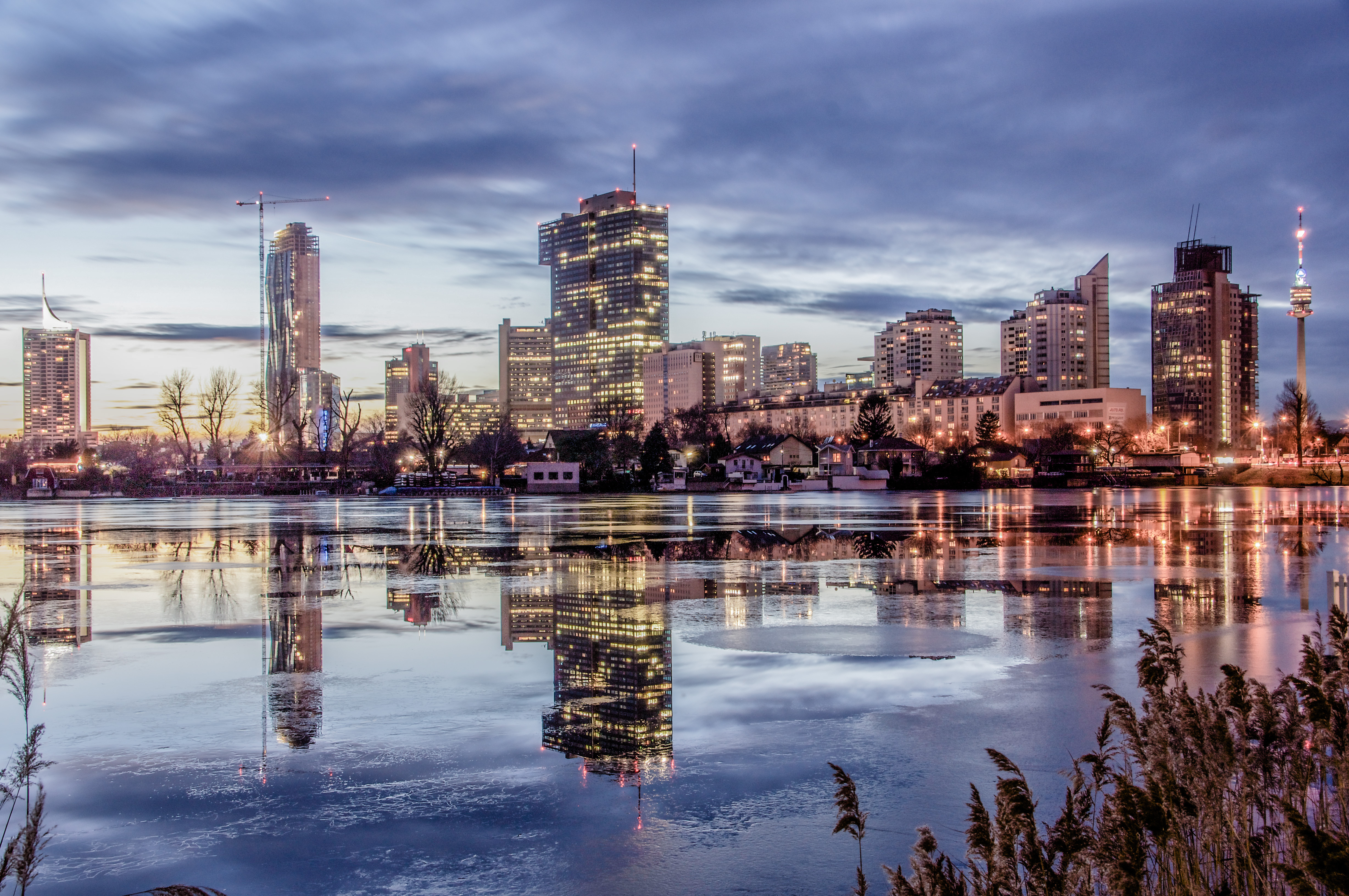
Austria’s capital and imperial Habsburg core beside the Danube
Vienna
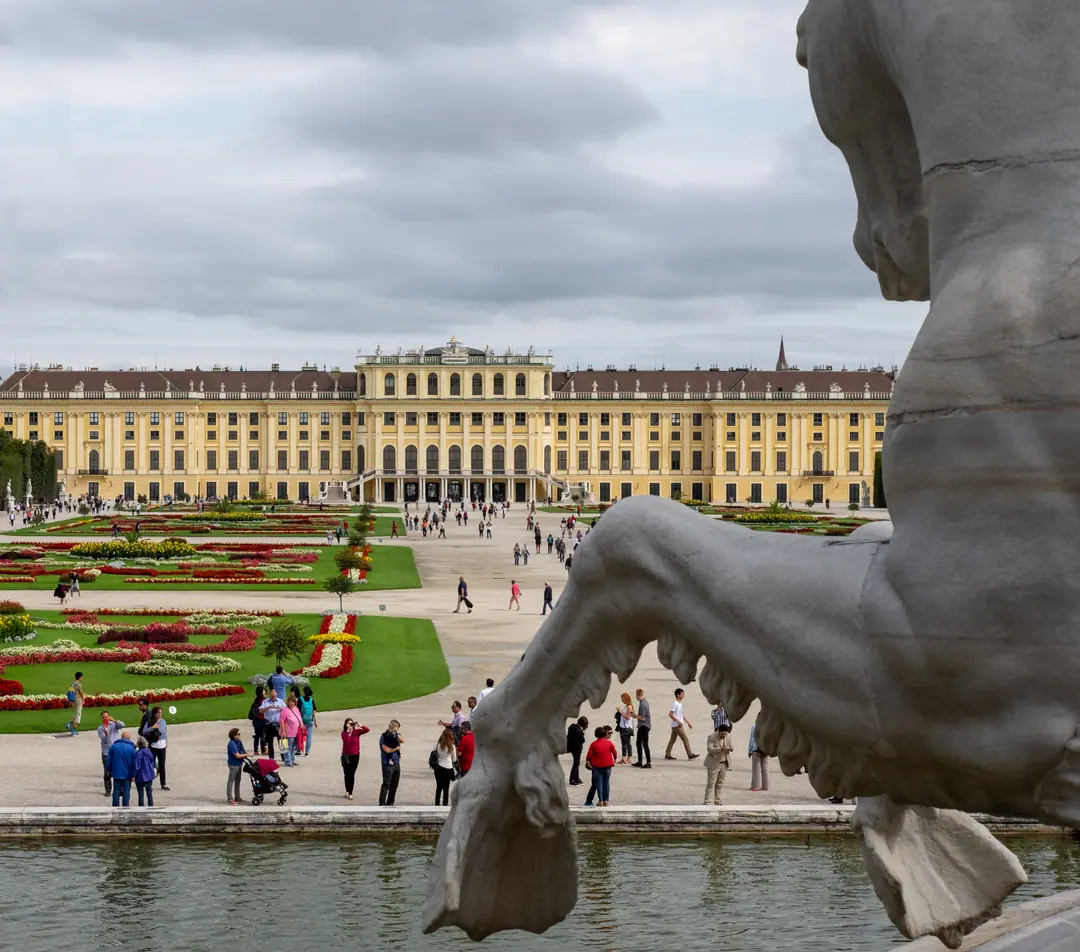
Vienna concentrates St. Stephen’s Cathedral’s 136-metre south tower, the Hofburg’s Spanish Riding School and Schönbrunn Palace’s 1,441-room Habsburg summer residence within a UNESCO-listed historic centre, then radiates into Ringstrasse boulevards and the Naschmarkt’s daily food stalls. Statistik Austria counted 2,028,289 residents on 1 January 2025, by far the country’s largest single base.
Before you book
The Innere Stadt’s cathedral, opera and imperial sights sit within walking distance of each other, but Schönbrunn Palace and the Prater sit in separate outer districts, so a single day cannot cover the old town, the palace and the park.
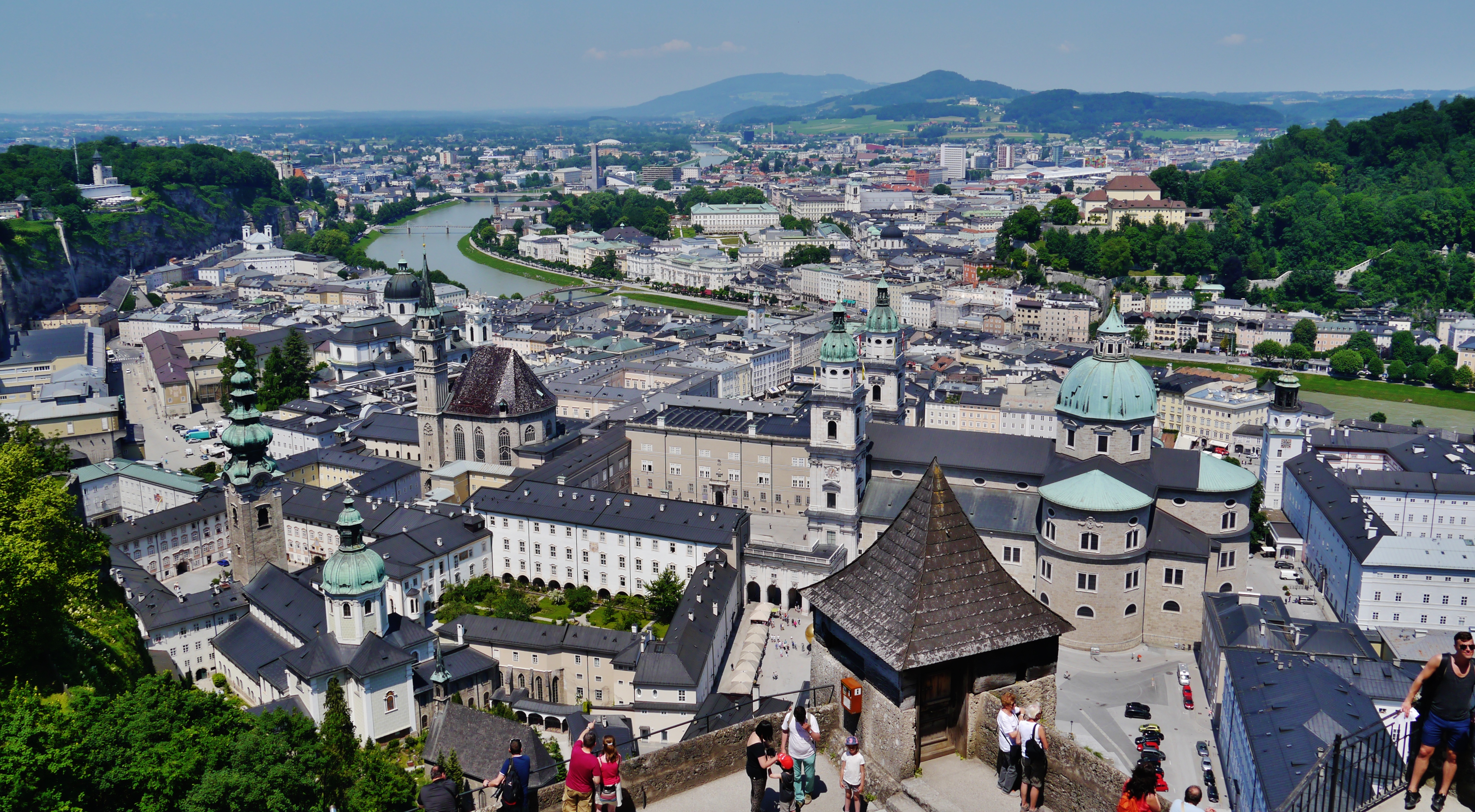
Mozart’s birthplace and a Baroque old town beneath Hohensalzburg Fortress
Salzburg
Salzburg’s 236-hectare historic centre, inscribed by UNESCO in 1996, holds close to 1,000 listed buildings between the Salzach river and Hohensalzburg Fortress, built from 1077 and never taken by force. Wolfgang Amadeus Mozart was born here in 1756, and the city counted 157,652 residents in 2025.
Before you book
The compact old town fits into half a day on foot, but the Sound of Music filming locations and a Hallstatt day trip each need a further half-day of dedicated transit.
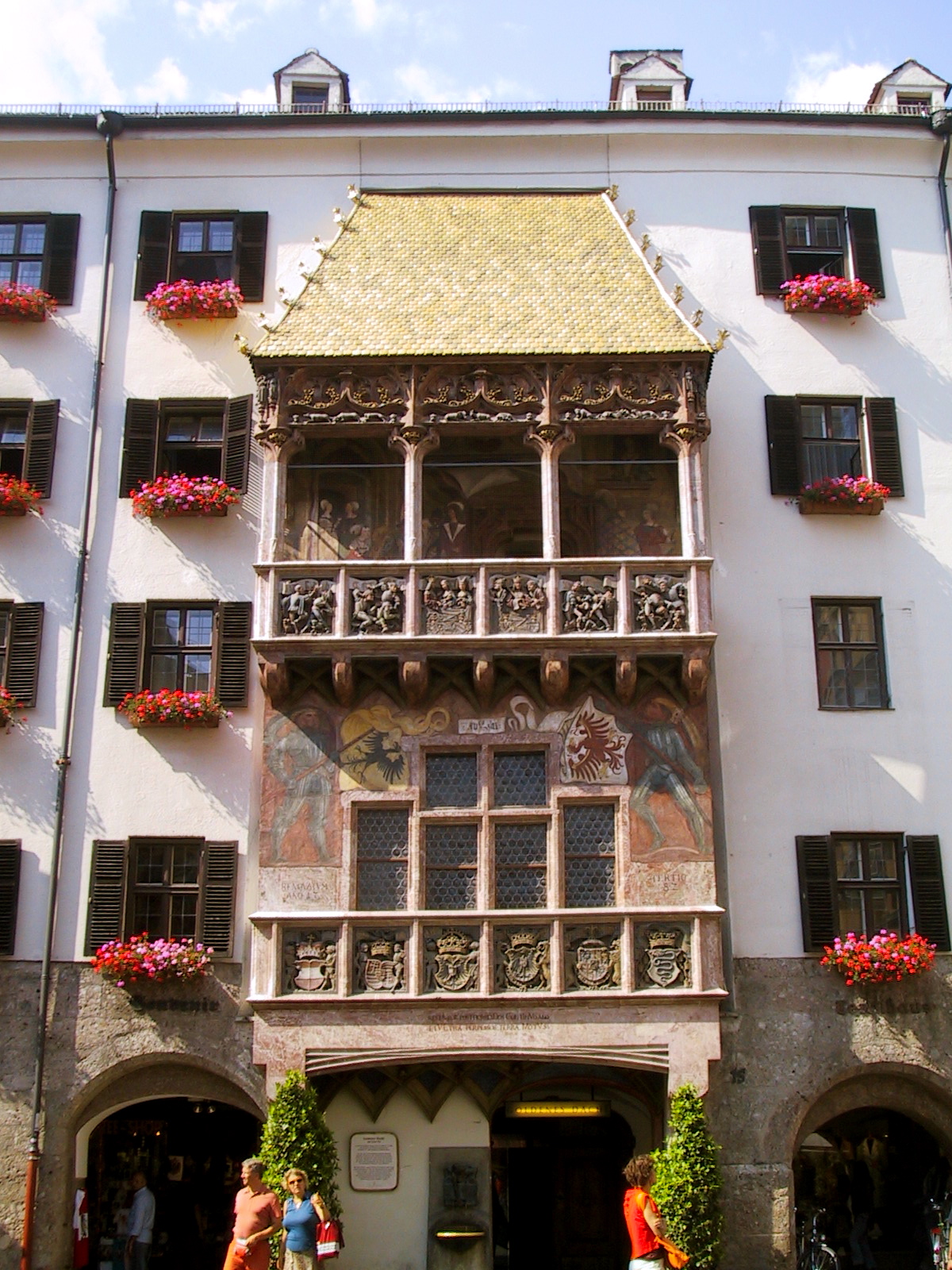
Tyrol’s Alpine capital and a two-time Winter Olympics host
Innsbruck and Tyrol
Innsbruck hosted the Winter Olympics in both 1964 and 1976, and its 1500 Goldenes Dachl balcony, built for Emperor Maximilian I’s wedding, still anchors an old town framed by the Nordkette cable car straight up from the centre. Statistik Austria’s regional profile counted 132,499 residents on 1 January 2025.
Before you book
Innsbruck sits on its own westward rail corridor roughly two hours beyond Salzburg, so it anchors a dedicated Tyrol leg rather than a Vienna day trip.
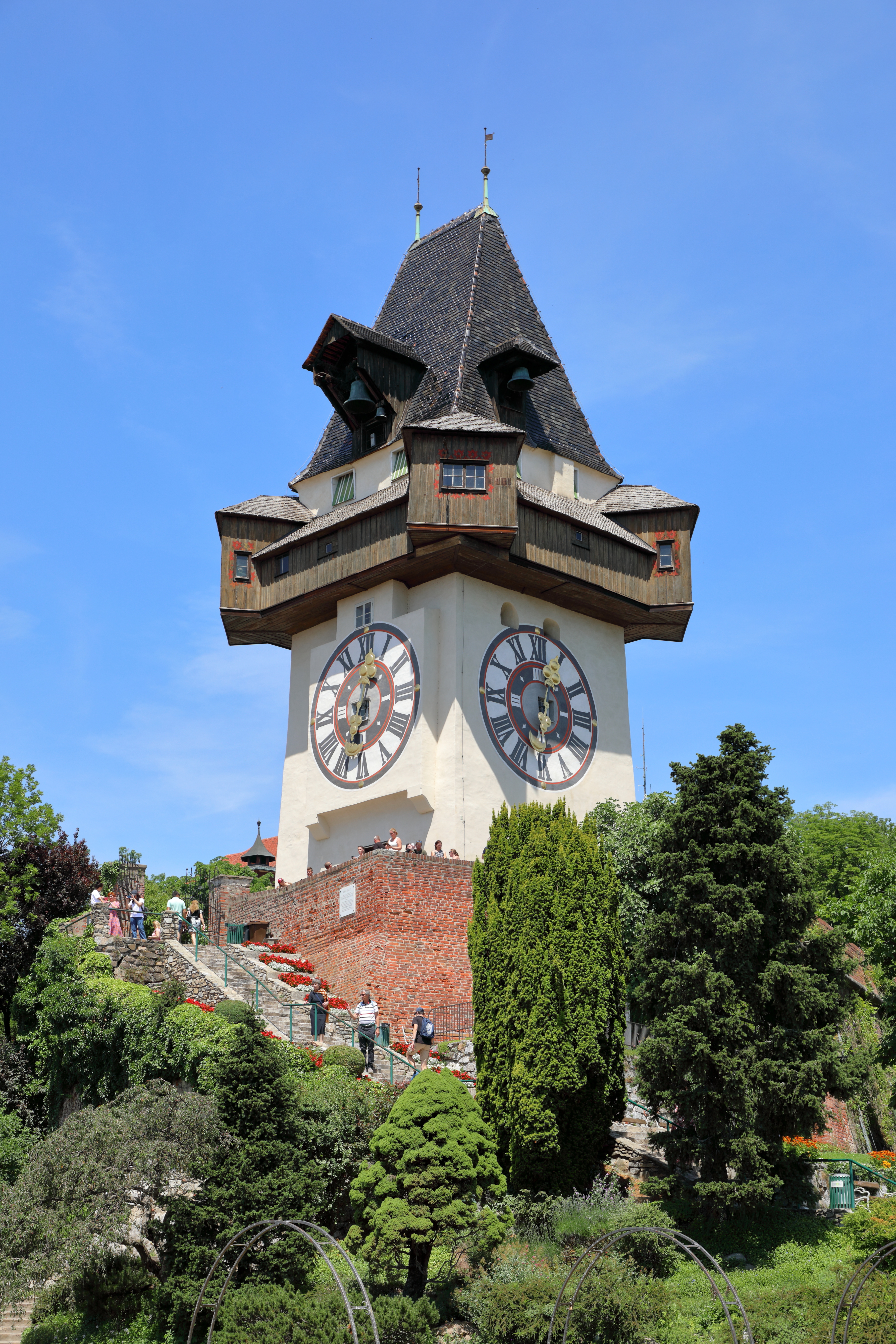
Austria’s second city, a UNESCO old town meeting contemporary design
Graz
Graz’s historic centre was inscribed by UNESCO in 1999 and extended in 2010 to include Schloss Eggenberg; its Schlossberg clock tower has kept time since around 1560 above red-roofed Baroque streets. The city reached 306,971 residents in 2025, more than twelve times the population of Styria’s next-largest municipality.
Before you book
Graz sits on a separate south-eastern rail corridor roughly two and a half hours from Vienna, so pairing it with the Salzburg-Tyrol arm of a trip means a long transfer day rather than a quick add-on.
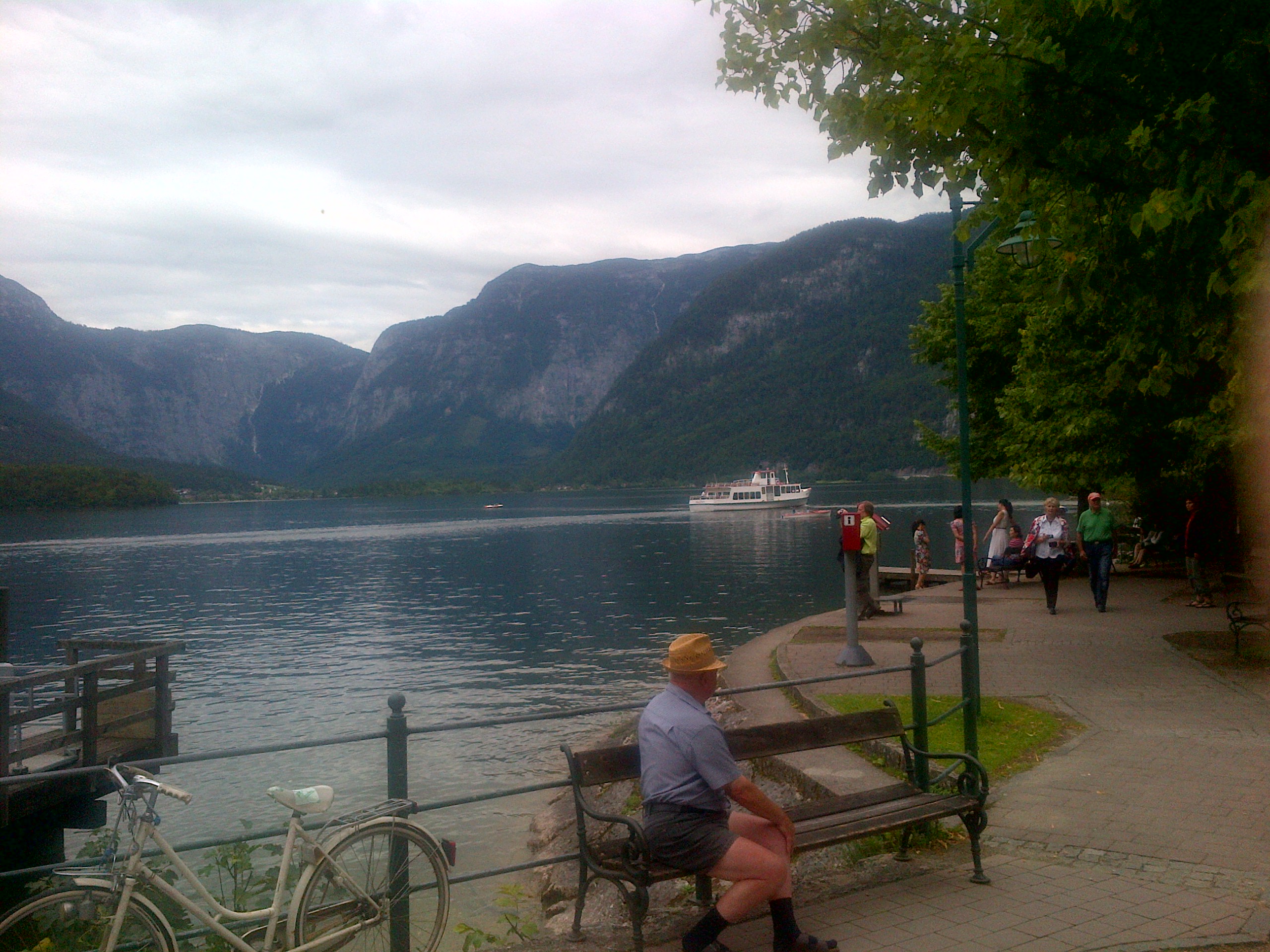
A UNESCO lake village guarding Europe’s oldest worked salt mines
Hallstatt and the Salzkammergut
The Hallstatt-Dachstein/Salzkammergut Cultural Landscape, inscribed by UNESCO in 1997, traces salt mining back to the second millennium BC and gave its name to the Hallstatt culture that defines early European archaeology. The village itself holds only around 740 residents yet draws roughly a million visitors a year, up to 10,000 on a single peak day.
Before you book
Hallstatt’s train station sits across the lake from the village, so a rushed day trip from Salzburg spends much of its time on trains and the connecting ferry rather than in the village itself.
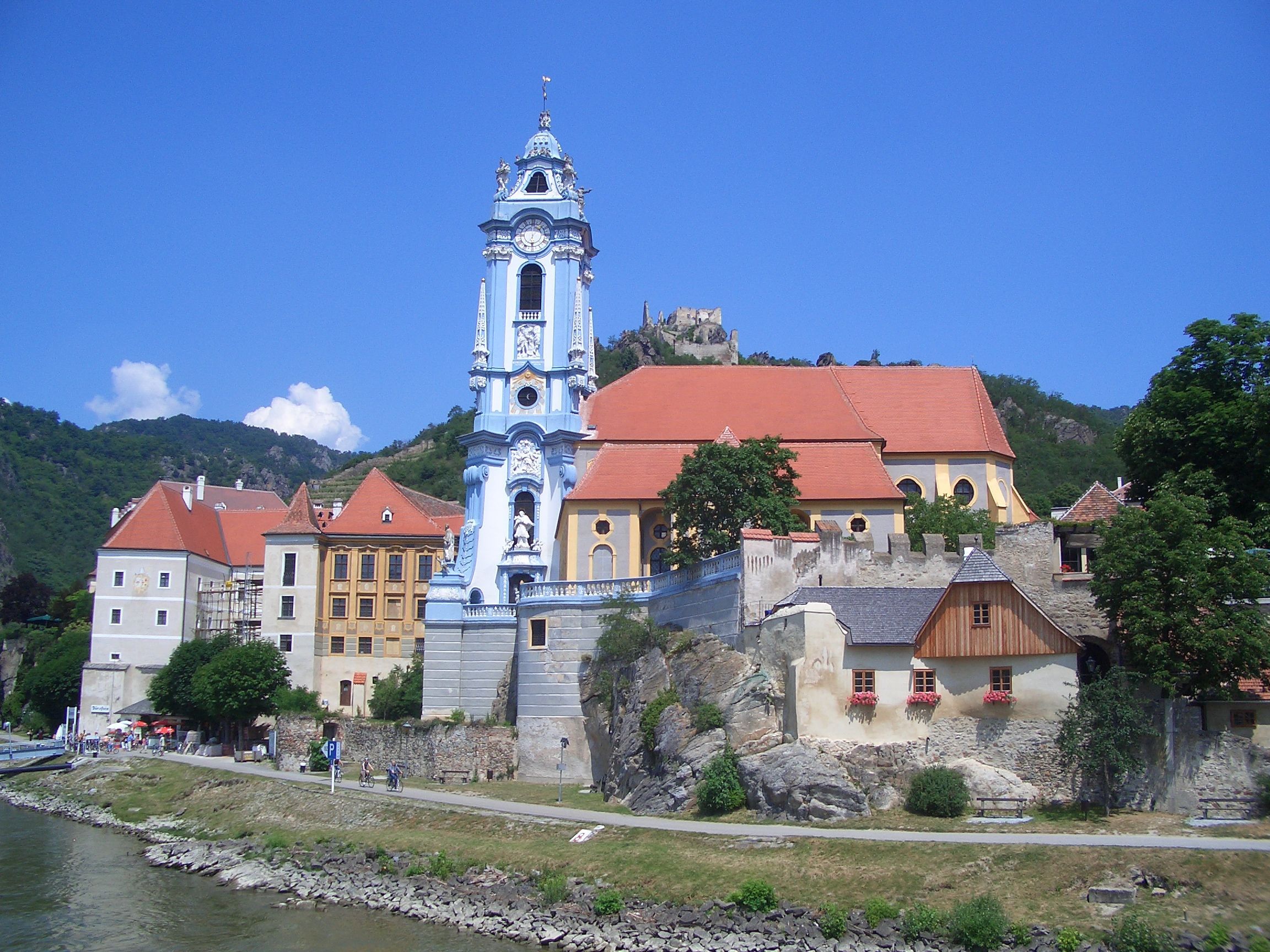
A Danube wine valley of terraced vineyards and Baroque abbeys
The Wachau Valley
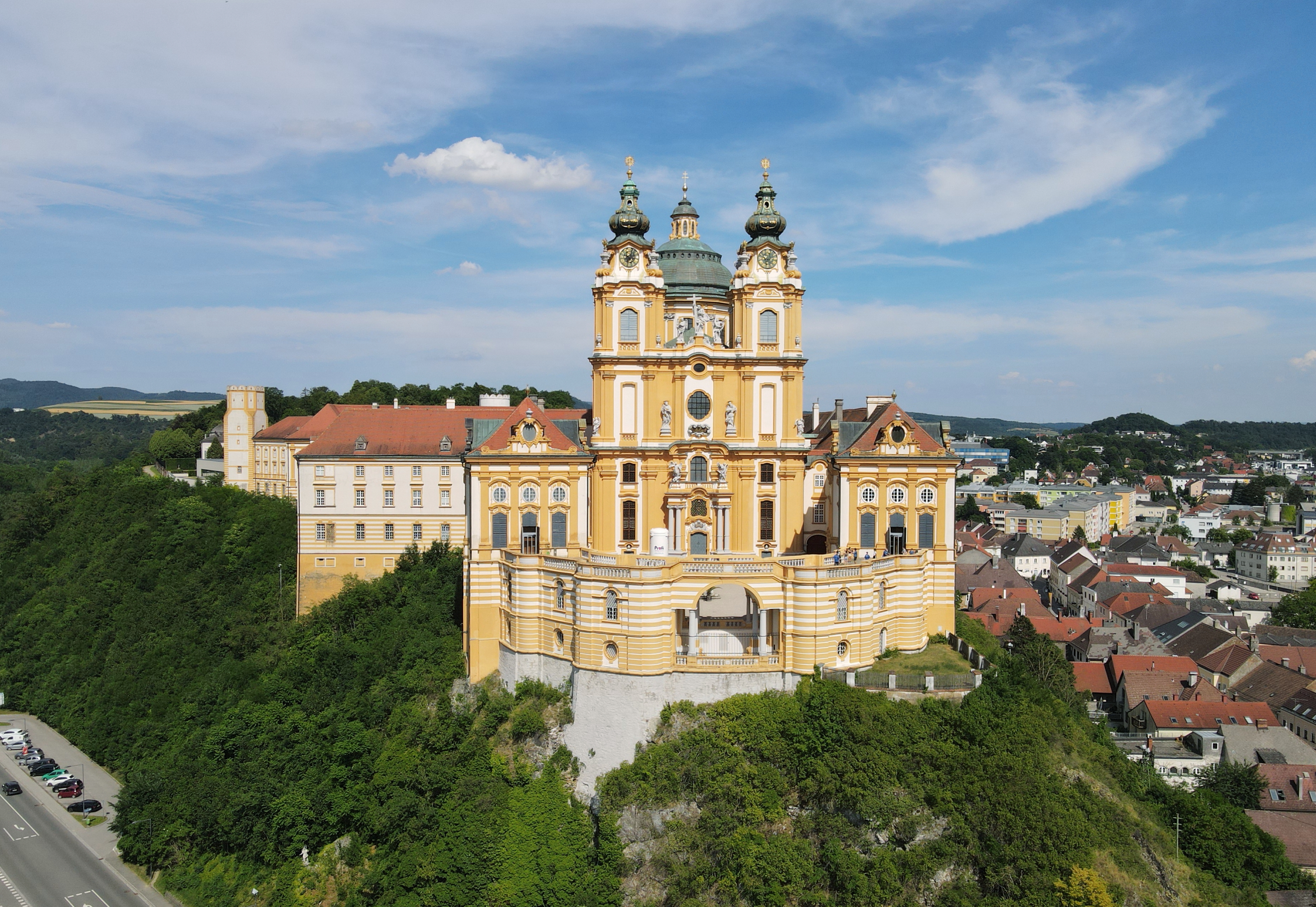
The Wachau Cultural Landscape, inscribed by UNESCO in 2000, covers the Danube valley between Melk and Krems, where Melk Abbey’s Benedictine monks have kept the Rule of Saint Benedict since 1089 above vineyard terraces and the ruined castle at Dürnstein. The booking platform maps the valley through the wider Lower Austria destination that contains it.
Before you book
The valley is best seen from a river boat or the rail line along the Danube rather than from a single roadside stop; a rushed itinerary reduces it to one abbey visit and skips the vineyard villages between Melk and Krems.
Explore Austria Before You Book
Take a virtual drive or walk, then find tours and tickets for the places you like.
Country profile
Austria country profile
Austria’s scale sets the logistics before any single region does
Statistik Austria recorded 9,198,214 residents as of 1 January 2025, spread across nine federal states from the Alpine west to the Danube lowlands in the east. A route that ignores that geography, such as treating Innsbruck as a side trip from Vienna, breaks on the map before it breaks on the ground.
Sources →Visitor volume is context, not a verdict
Austria recorded a record 157.27 million overnight stays in 2025, the highest figure since digital record-keeping began in 1974, with Vienna and the provincial capitals together passing 29 million overnight stays and Vienna itself exceeding 20 million for the first time. That scale funds deep visitor infrastructure but does not rank one region or product for every traveller.
Sources →Vienna anchors the largest population, but is one of six regions
The City of Vienna recorded 2,028,289 residents on 1 January 2025, more than six times Graz’s population and over fifteen times Salzburg’s. Its scale is a reason to give it dedicated time, not a reason to treat Salzburg, Innsbruck, Graz, Hallstatt or the Wachau Valley as optional.
Sources →Five of six regions carry their own UNESCO World Heritage status
The Historic Centre of Vienna (2001) and the Schönbrunn Palace and Gardens (1996), Salzburg’s historic centre (1996), Graz’s historic centre and Eggenberg Palace (1999/2010), the Hallstatt-Dachstein/Salzkammergut Cultural Landscape (1997) and the Wachau Cultural Landscape (2000) are each independently inscribed. Innsbruck is included for its own Olympic and Alpine-capital identity rather than a shared heritage listing.
Sources →Innsbruck and Tyrol set an Alpine logistics pattern the Danube regions do not
Innsbruck hosted the Winter Olympics in 1964 and 1976 and sits on its own westward rail corridor with Salzburg roughly two hours away; reaching it from Vienna or Graz means committing to the Alpine half of the country rather than adding it to a Danube-focused week.
Sources →Alpine, Danube and sub-Pannonian climates do not share one calendar
Innsbruck’s Alpine winters, Salzburg and Hallstatt’s northern-limestone-Alps weather, Vienna and the Wachau Valley’s continental Danube climate, and Graz’s milder south-eastern pattern warm, cool and snow on different schedules, so a single “best month for Austria” does not exist.
Sources →The Railjet network links most regions directly; two need an extra local leg
ÖBB’s Railjet and Railjet Xpress services connect Vienna, Salzburg, Innsbruck and Graz to each other by direct or single-change train. Hallstatt needs a further local lake ferry after the train, and the Wachau Valley needs a shorter regional train to Krems plus a local bus or river boat, so those two regions add a genuine extra step that the four larger cities do not.
Sources →Vienna is both a city and a federal state in its own right
Vienna is one of Austria’s nine federal states as well as its capital city, so the population and administrative figures used throughout this guide come from the City of Vienna’s own state-level statistical office rather than a national city register.
Sources →Trip plans
Austria · Trip plans
These are our suggested routes, with travel days included. Choose the pace that suits you; none promises to cover the entire country.
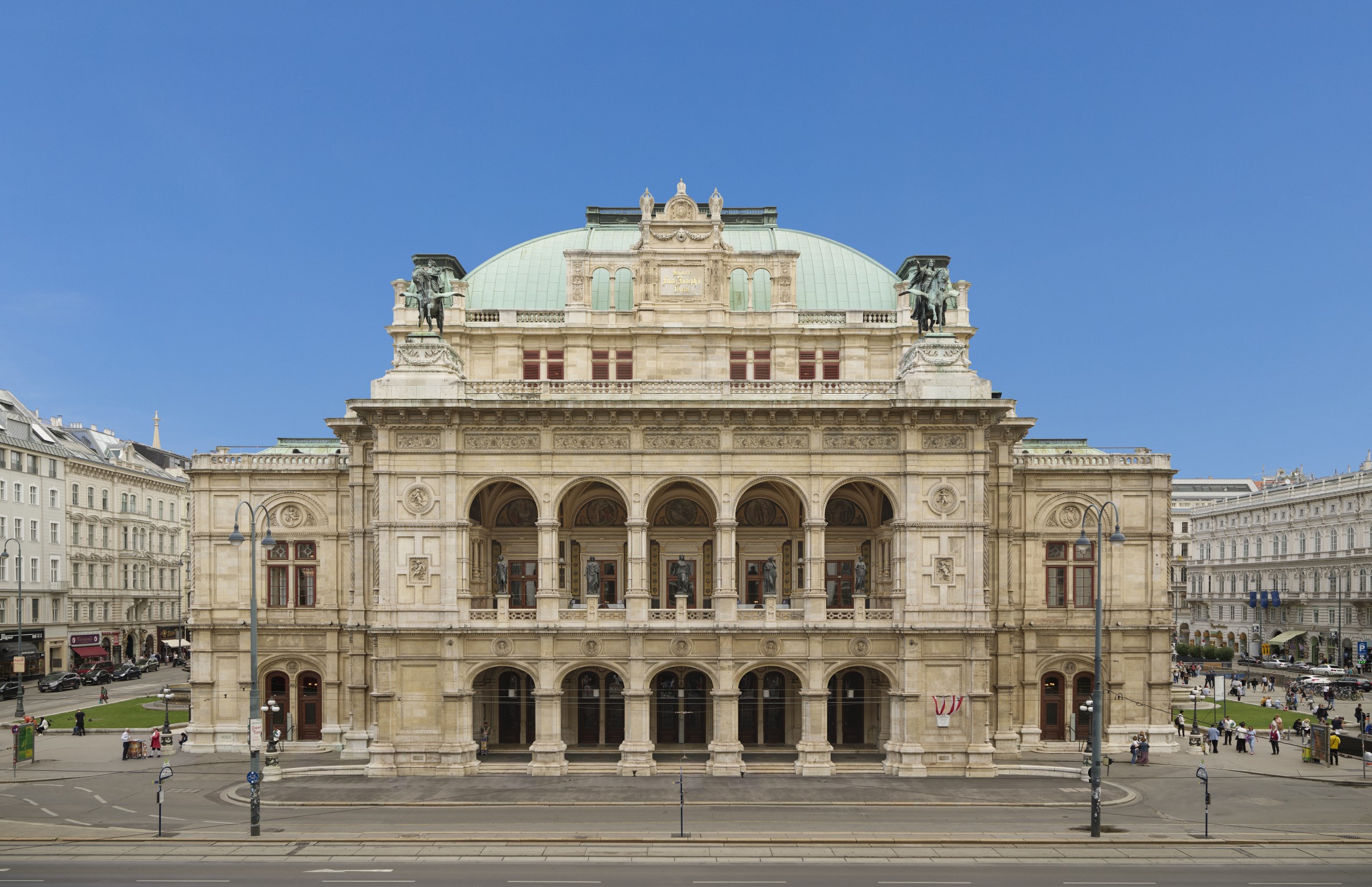
7 days: Vienna and the Wachau Valley
A two-region first trip with five nights in Vienna and a Wachau Valley day trip along the Danube.
- Days 1–5 · Vienna: split the Innere Stadt (St. Stephen’s Cathedral, the Hofburg, the Spanish Riding School) from a Schönbrunn Palace day and a Naschmarkt-and-Belvedere day, then add an evening at the Prater.
- Day 6 · Travel to the Wachau Valley: take the roughly hour-long REX train from Vienna to Krems as the day’s fixed commitment, then continue by local bus or boat to Melk Abbey and Dürnstein.
- Day 7 · Wachau Valley and return: tour Melk Abbey’s Baroque interior, walk Dürnstein’s ruined castle trail, and return to Vienna by train in time to depart.
The trade-off
The route omits Salzburg, Innsbruck, Graz and Hallstatt entirely. Adding a third region would turn a one-week trip into repeated transfers rather than depth in either place.
What Vienna costs: One Day in Vienna: €40 or Less? → · Vienna in 3 Days for €180? →
This collection covers Vienna activities only. It does not book the Wachau Valley transfer, accommodation or the complete seven-day route.
Explore Vienna activities from ≈ US$95Sources
- www.wien.gv.at · 1
- whc.unesco.org · 2
- The booking platform · 3
14 days: Vienna, the Wachau Valley, Salzburg and Hallstatt
A four-region route linking the capital and its Danube valley to Salzburg’s old town and the Salzkammergut lake district.
- Days 1–4 · Vienna: the Innere Stadt, Schönbrunn Palace, and one further day for the Naschmarkt, Belvedere and the Prater.
- Day 5 · Wachau Valley: a day trip to Krems, Melk Abbey and Dürnstein by train and local bus or river boat.
- Day 6 · Travel to Salzburg: treat the roughly two-and-a-half-hour Railjet Xpress journey as the day’s fixed commitment.
- Days 7–9 · Salzburg: the historic centre and Hohensalzburg Fortress, a Sound of Music filming-locations day, and one day free for Mozart’s birthplace and the Mirabell Gardens.
- Day 10 · Travel to Hallstatt: the roughly two-and-a-half-hour train via Attnang-Puchheim, ending with the short lake ferry into the village.
- Days 11–13 · Hallstatt and the Salzkammergut: the Hallstatt salt mine, a lakeside walk, and a half-day trip to Bad Ischl.
The trade-off
Four regions in two weeks means several transfers and a full day lost to travel twice; a slower traveller should drop either the Wachau Valley or Hallstatt rather than compress both into rushed half-days.
What Vienna costs: One Day in Vienna: €40 or Less? → · Vienna in 3 Days for €180? →
This collection covers Salzburg activities only. It does not book rail transfers, the Hallstatt leg, accommodation or the complete fourteen-day route.
Explore Salzburg activities from ≈ US$100Sources
- whc.unesco.org · 1
- www.oebb.at · 2
- The booking platform · 3
21 days: Vienna, the Wachau Valley, Salzburg, Hallstatt, Innsbruck and Graz
A complete six-region route that adds Tyrol’s Alpine capital and Austria’s second city to the fourteen-day Danube-Salzkammergut itinerary above.
- Days 1–4 · Vienna: the Innere Stadt, Schönbrunn Palace and one further day for the Naschmarkt, Belvedere and the Prater.
- Day 5 · Wachau Valley: Krems, Melk Abbey and Dürnstein by train and local bus or river boat.
- Day 6 · Travel to Salzburg: the roughly two-and-a-half-hour Railjet Xpress journey.
- Days 7–9 · Salzburg: the historic centre, Hohensalzburg Fortress and a Sound of Music filming-locations day.
- Day 10 · Travel to Hallstatt: the roughly two-and-a-half-hour train via Attnang-Puchheim and the connecting lake ferry.
- Days 11–12 · Hallstatt and the Salzkammergut: the salt mine, a lakeside walk and a half-day trip to Bad Ischl.
- Day 13 · Travel to Innsbruck: back through Salzburg for the roughly two-hour Railjet Xpress connection onward.
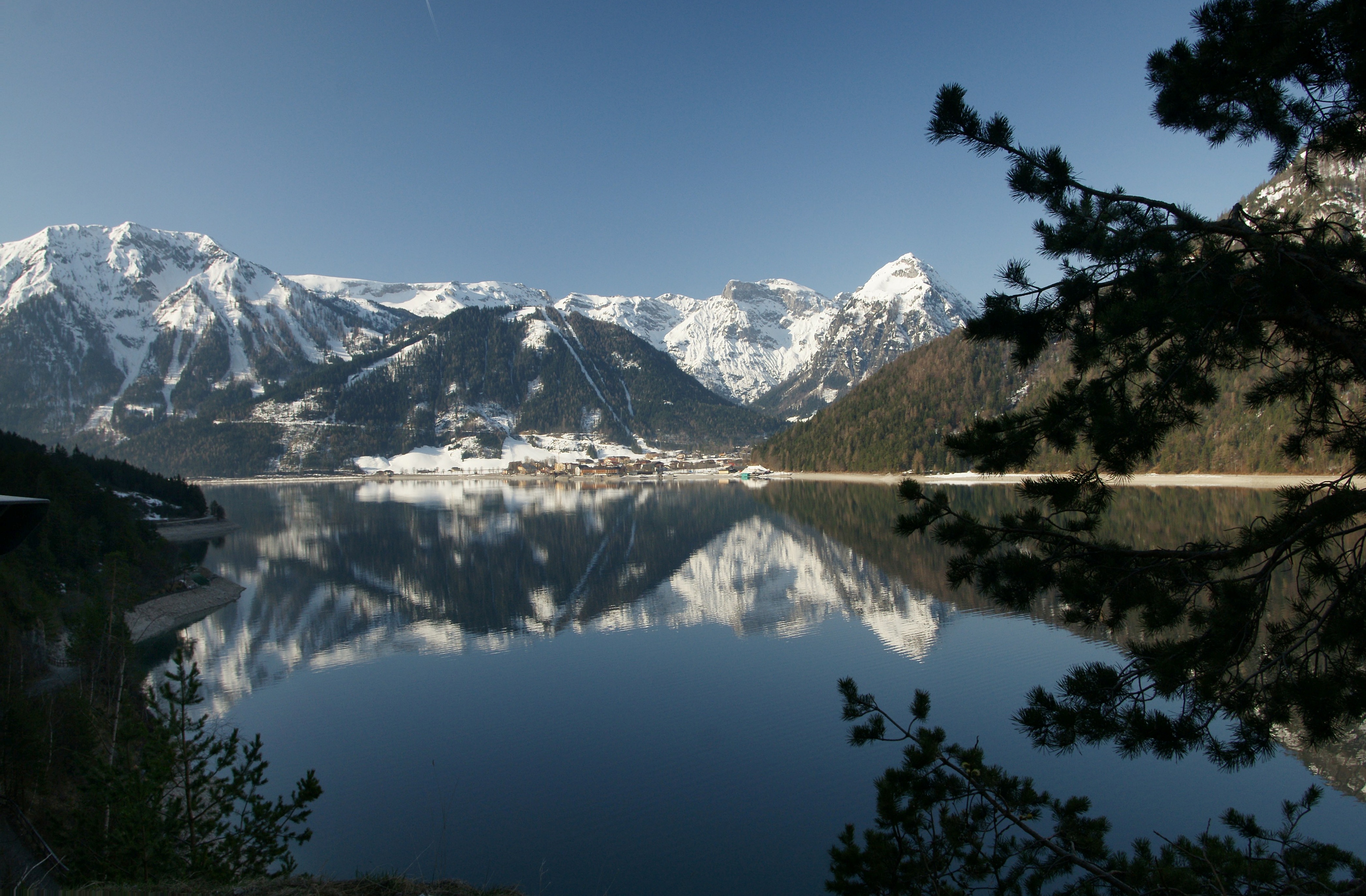
- Days 14–16 · Innsbruck and Tyrol: the Golden Roof and old town, the Nordkette cable car, and a half-day in the Achensee valley.
- Day 17 · Travel to Graz: the long cross-country rail connection back through Salzburg or Vienna, treated as a full transfer day.
- Days 18–20 · Graz: the Schlossberg and Uhrturm, the historic centre’s Baroque streets, and Schloss Eggenberg.
- Day 21 · Travel to Vienna to depart: the roughly two-and-a-half-hour Railjet back to the capital, keeping the final day free of a same-day connecting flight.
The trade-off
This full six-region loop needs several long transfer days on opposite sides of the country; a shorter trip should pick either the Danube-Salzkammergut corridor or the Tyrol-Graz corridor rather than compress both into one rushed circuit.
What Vienna costs: One Day in Vienna: €40 or Less? → · Vienna in 3 Days for €180? →
This collection covers Innsbruck activities only. It does not combine the Graz leg, rail transfers, accommodation or the complete twenty-one-day itinerary.
Explore Innsbruck activities from ≈ US$70Sources
- www.olympics.com · 1
- whc.unesco.org · 2
- The booking platform · 3
- The booking platform · 4
Visitor perspectives
How to turn Austria’s six regions into a workable route
These planning conclusions combine official destination facts with a current review of bookable inventory. They are not customer reviews and do not rank places by affiliate commission.
Record demand means more formats to compare
A record 157.27 million overnight stays in 2025 creates many products with similar headlines, especially around Schönbrunn Palace and Hallstatt. Read which named stops, transport and inclusions each listing covers before choosing between them.
Sources →A tiny village under real visitor pressure needs a deliberate visit
Hallstatt holds roughly 740 residents but absorbs up to 10,000 visitors on a single peak day. An early morning or late afternoon visit, timed around tour-bus arrivals, changes the experience more than any single attraction choice does.
Sources →A coherent route beats maximum coverage
For a first visit, one anchor city plus one strongly contrasting region usually produces more usable time than a chain of one-night stops across all six regions.
Sources →Salzburg’s festival weeks belong in the calendar before the route is fixed
The Salzburg Festival’s summer season runs from 17 July to 30 August in 2026, after a shorter Whitsun series from 22 to 25 May. Check those dates before fixing Salzburg nights, since the festival sells its own performance tickets and a Salzburg leg can be moved to include or avoid it.
Sources →Go deeper with a city guide
Explore the places, neighbourhoods and practical choices behind the activities.
Vienna: One Day in Vienna: €40 or Less? → · Vienna in 3 Days for €180? →
Planning Austria activities: FAQs
How many Austrian regions should I combine in one week?
Vienna and the Wachau Valley fill a first week from one base, because the REX train reaches Krems in roughly an hour. Salzburg is already a roughly two-and-a-half-hour Railjet Xpress ride away, Innsbruck lies about two hours beyond it and Graz sits on its own south-eastern line.
Should I combine Salzburg and Hallstatt in the same trip?
Yes, when the trip is ten days or longer and the roughly two-and-a-half-hour train transfer between them is protected. On a shorter trip, choose one rather than converting both into rushed half-day stops.
Can I visit Innsbruck and Graz without long transfers from Vienna?
No. Innsbruck and Graz sit on opposite sides of the country from each other, and each is a multi-hour rail journey from Vienna; combining both in one trip means treating them as a dedicated two-region leg, not a quick add-on to a Danube-focused week.
Where does the Wachau Valley fit in a first Austria route?
The Wachau Valley fits as a day trip from Vienna by train to Krems, not as an overnight base on a first, shorter itinerary focused on the capital.
Does this guide include current entry rules?
No. Entry requirements depend on nationality, date and trip purpose. Check Austria’s foreign ministry or your own country’s travel authority before travel.
How do I travel between Austria’s six regions?
ÖBB’s Railjet and Railjet Xpress network connects Vienna, Salzburg, Innsbruck and Graz directly or with a single change; Hallstatt needs an added local lake ferry after the train, and the Wachau Valley is reached by a shorter regional train to Krems plus a local bus or river boat.
Sources & planning approach
Research by Mubboo Flights. Sources checked 2026-09-12. Recommendations are editorial judgements based on the cited sources below.
Show all 6 sources
Photo credits
- Vienna skyline with St. Stephen’s Cathedral rising above the historic centre — Fabian Lackner; CC BY-SA 3.0.
- Hohensalzburg Fortress looking down over Salzburg’s old town — Zairon; CC BY-SA 4.0.
- The Golden Roof (Goldenes Dachl) in Innsbruck’s old town — Erbb; CC BY-SA 3.0.
- The Uhrturm clock tower on Graz’s Schlossberg — C.Stadler/Bwag; CC BY-SA 4.0.
- Hallstatt village on the shore of Lake Hallstatt — E4024; CC BY-SA 4.0.
- Stift Dürnstein above the Danube in the Wachau Valley — Robert Wetzlmayr; CC BY-SA 3.0.
- The Vienna State Opera building front facade — Wiener Staatsoper GmbH; CC BY-SA 4.0.
- The west front of Melk Abbey above the Danube — C.Stadler/Bwag; CC BY-SA 4.0.
- Achensee lake and the Karwendel mountains in Tyrol — Böhringer; CC BY-SA 2.5.


Commercial selection from Viator. Featured order comes from the provider and may reflect commercial factors. Mubboo may earn a commission through these links. Prices and availability can change; confirm details on Viator before booking.