
Amsterdam travel guide
Amsterdam
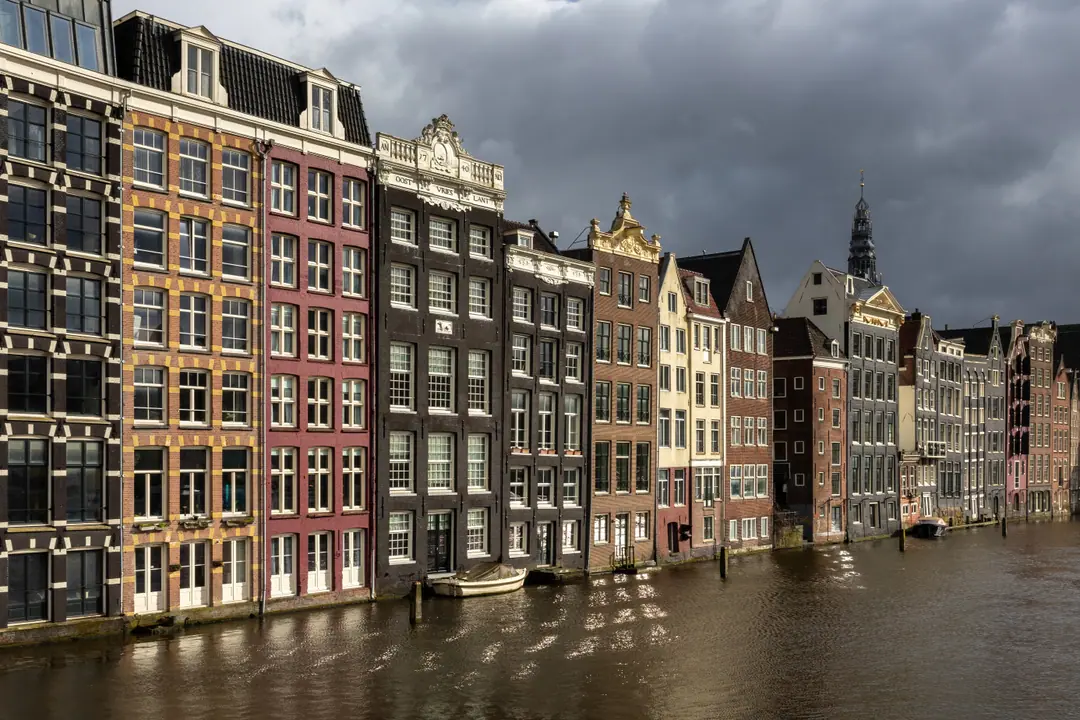
Plan Amsterdam around its 17th-century canal ring first: the Rijksmuseum, Van Gogh Museum and Anne Frank House sit within walking distance of each other. The Jordaan, Vondelpark and a windmill or tulip day trip then add a second and third kind of day.
Find your Amsterdam experience
Explore Amsterdam Before You Book
Take a virtual drive or walk, then find tours and tickets for the places you like.
Activities
Featured activities in Amsterdam


Prices at a glance
What we sell today and what recent flight searches found. No hotel prices; nothing here is a trip total.
- Tours and tickets in Amsterdamfrom US$18.87
Live from Viator when this page loaded · per adult · changes by date.
Plan Amsterdam by time and budget
Top experiences
Top experiences in Amsterdam
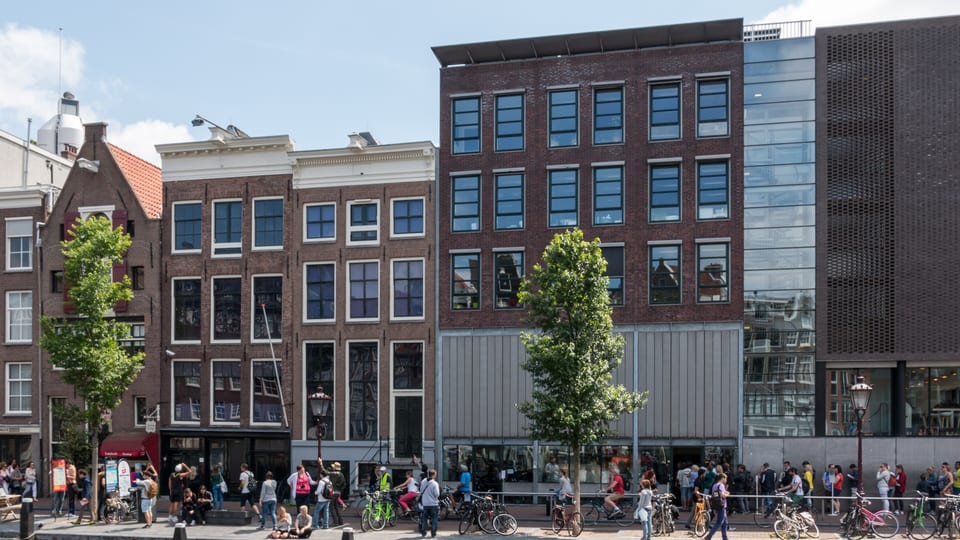
Anne Frank House
The Anne Frank House occupies the actual canal-house annex where Anne Frank and seven others hid during the German occupation, and its exhibition uses her diary, original items and the moving bookcase that concealed the hiding place.
Best for: Travellers wanting the city’s WWII history who can book a timed slot in advance · Area: Canal ring (Prinsengracht)
Plan for Tickets release online on a fixed schedule and sell out; visiting without a pre-booked timed slot is generally not possible, so this needs the most advance planning of any site on this list.
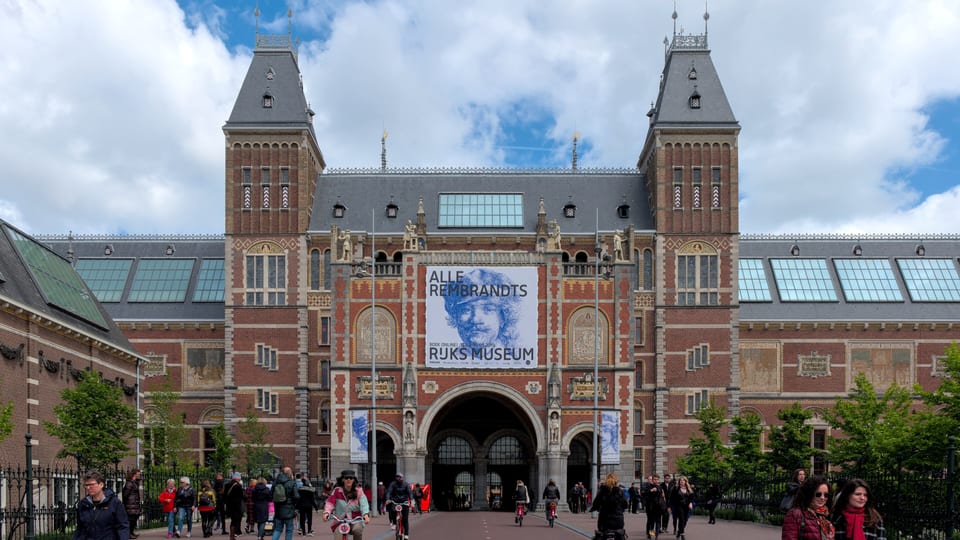
Rijksmuseum
The Rijksmuseum tells 800 years of Dutch history and holds the national collection's core Golden Age works, including Rembrandt's and Vermeer's paintings.
Best for: Art and history-focused visitors · Area: Museum Quarter
Plan for The building is large enough that a rushed visit only reaches the highlights route; travellers wanting depth in a specific gallery should plan a return visit rather than one pass through the whole museum.
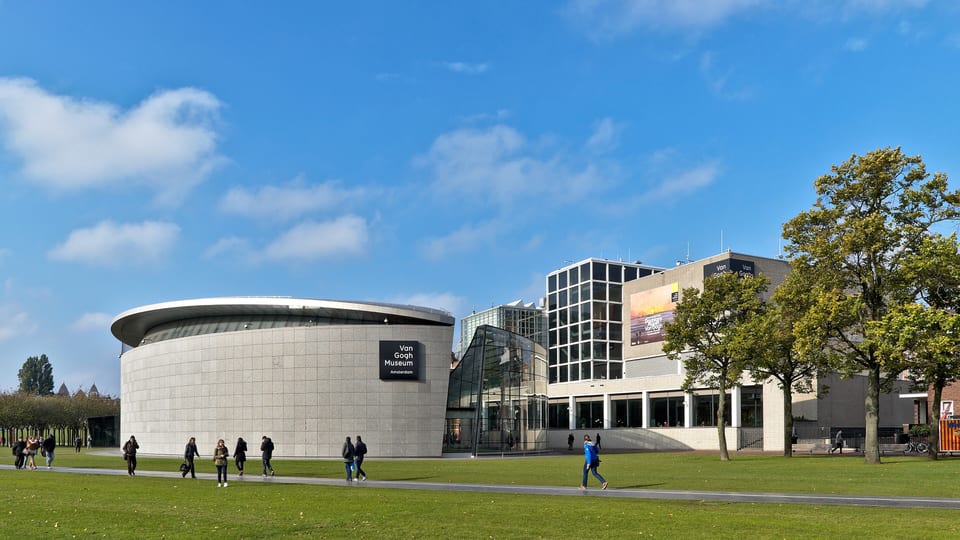
Van Gogh Museum
Opened in 1973 next to the Rijksmuseum on the Museumplein, the Van Gogh Museum holds the world's largest collection of Van Gogh's paintings and drawings and was the Netherlands' most-visited museum as of 2017.
Best for: Travellers wanting one artist explored in depth rather than a general survey · Area: Museum Quarter
Plan for Timed slots at the country's most-visited museum sell out during peak season; booking well ahead matters more here than a queue-skipping product does.
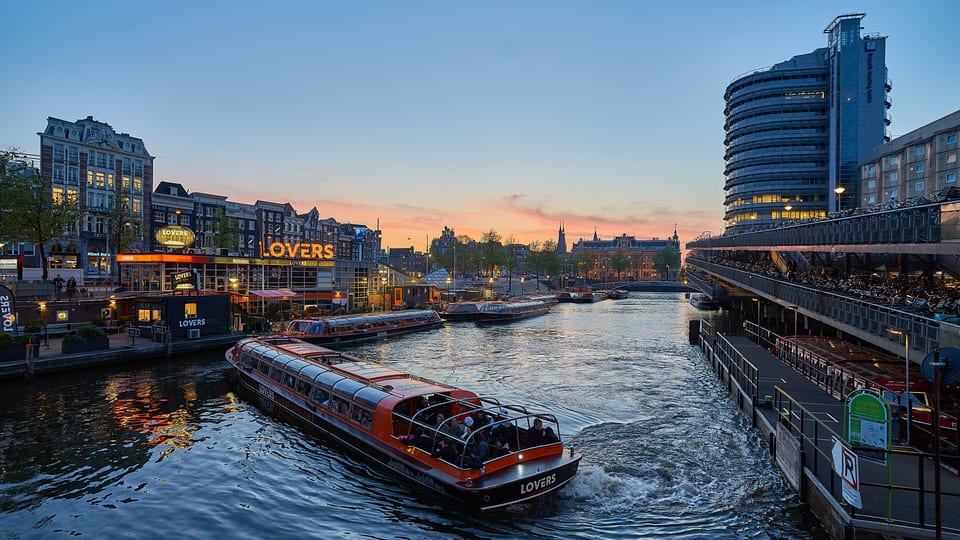
Canal ring boat cruise
UNESCO's 2010 inscription protects the 17th-century canal ring's concentric Singel, Herengracht, Keizersgracht and Prinsengracht canals as one hydraulic and urban-planning ensemble, and a canal-level boat is the most direct way to see that layout.
Best for: Travellers who want the city's defining geography, not another museum · Area: Canal ring
Plan for A short fixed-route cruise gives the layout itself; a longer or evening cruise adds more of the smaller canals but fills an evening where the core loop fits between museums.
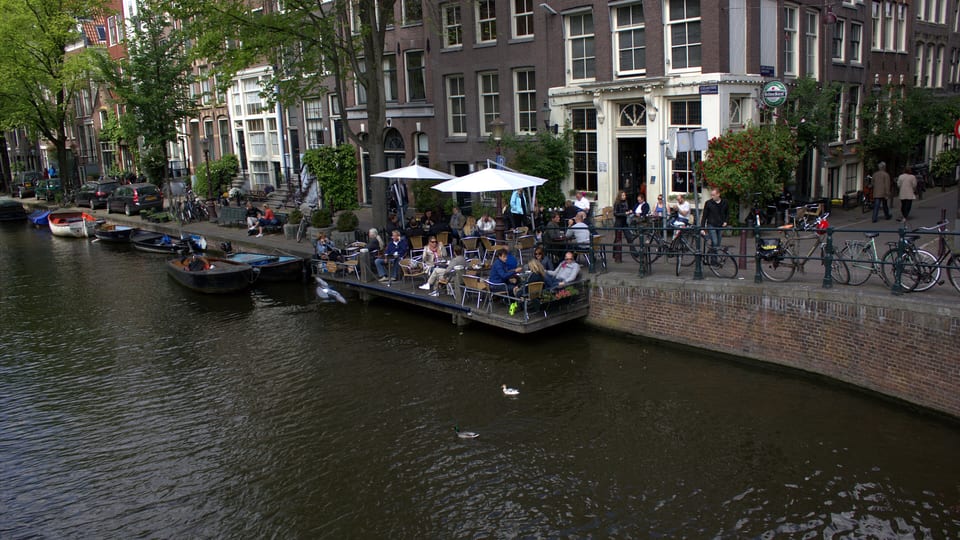
Jordaan neighbourhood
Built from the early 17th century as a district for the working class and successive waves of refugees, the Jordaan's narrow streets and hofjes (17th-century almshouse courtyards) show a quieter, residential counterpoint to the canal ring's grand merchant houses.
Best for: Travellers wanting a break from monument-focused sightseeing · Area: Jordaan
Plan for There is no single fixed sight to anchor a visit, so the neighbourhood is walked street by street and hofje by hofje. Travellers wanting a set highlight should pair it with a specific market or cafe rather than expecting a landmark.
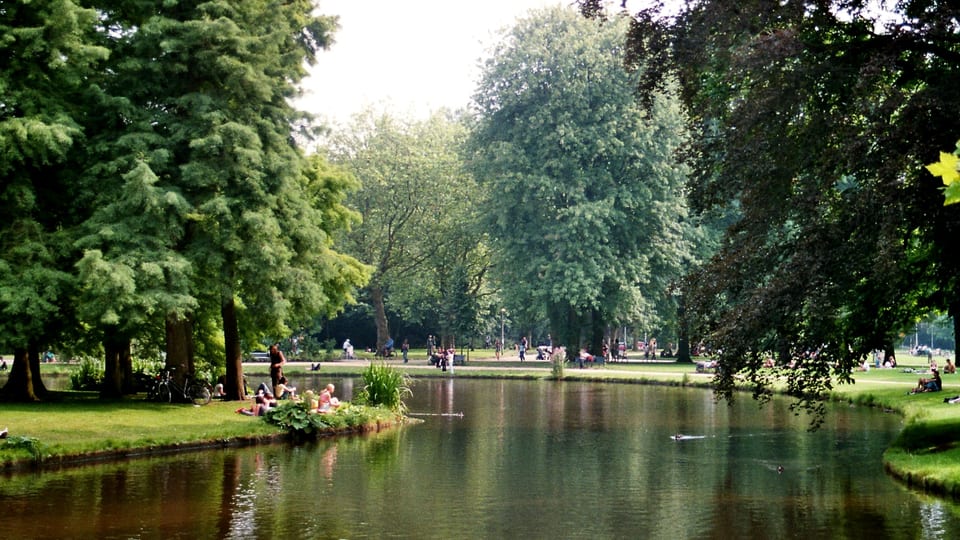
Vondelpark
Opened in 1865 in an English landscape style and expanded through the 1870s after public fundraising, Vondelpark is Amsterdam’s largest and most-used city park, sitting directly behind the Museum Quarter.
Best for: Families, joggers and travellers wanting a break between museums · Area: Museum Quarter edge
Plan for It has no single paid attraction and nothing to book, so it suits a break between museums more than a dedicated half-day.
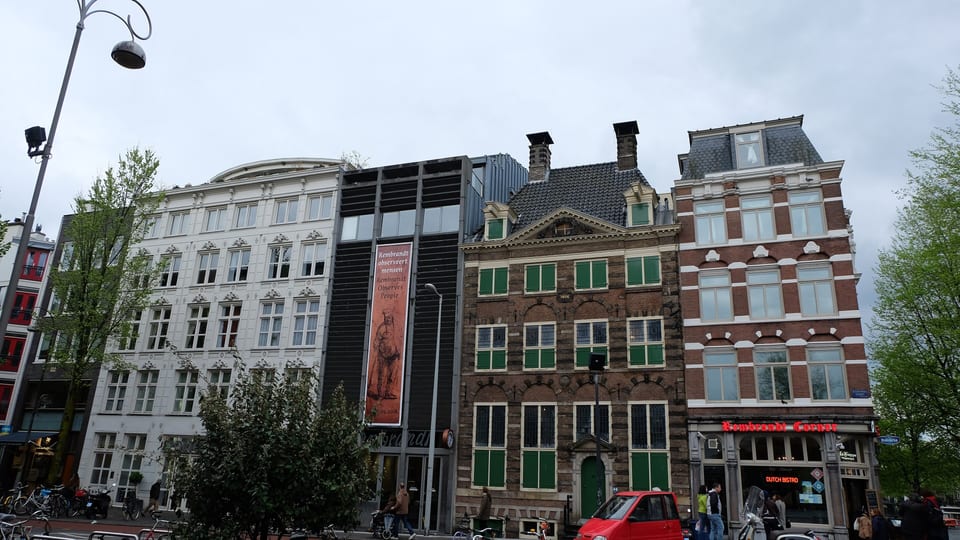
Rembrandt House Museum
Rembrandt van Rijn lived and worked in this canal house for nineteen years, from 1639 to 1658, and the museum's own description calls it the only place in the world completely dedicated to him.
Best for: Travellers who want the artist's working life explained, not just his paintings · Area: Jodenbreestraat, on the canal ring's eastern edge near the Jewish Quarter
Plan for The city bought the derelict building in 1907 and reopened it as a museum on 10 June 1911, so the rooms are a careful reconstruction of Rembrandt’s household, not an untouched original interior; travellers wanting his actual paintings still need a separate Rijksmuseum visit.
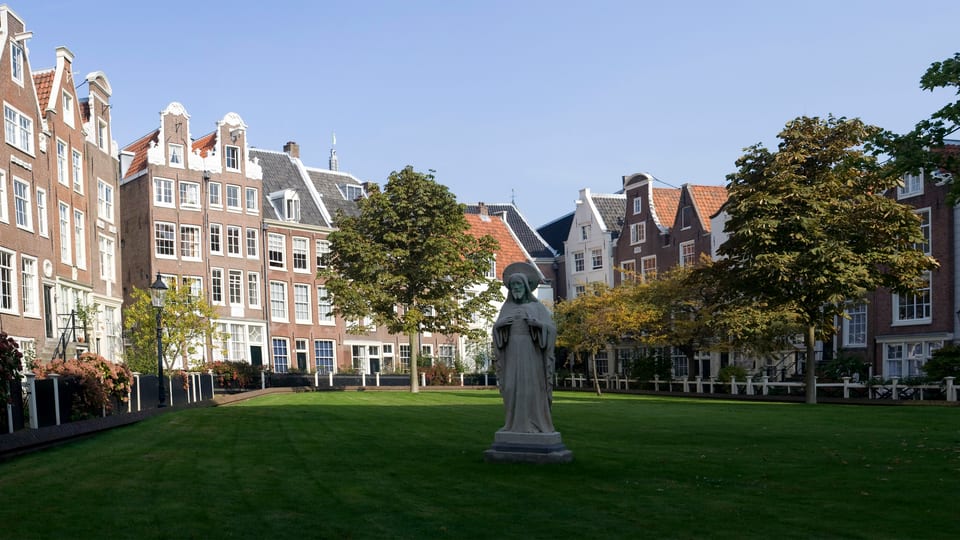
Begijnhof
A Beguine sisterhood at this courtyard is first recorded in 1307 and the site has held a community for more than 600 years; its Wooden House at number 34 dates to before 1452, one of the oldest houses in Amsterdam.
Best for: Travellers wanting a quiet, free stop between paid canal-ring sights · Area: Just off the Spui, inside the canal ring’s southern edge
Plan for There is no ticket or single headline sight here; the courtyard suits five quiet minutes on the way past, not a dedicated visit on its own.
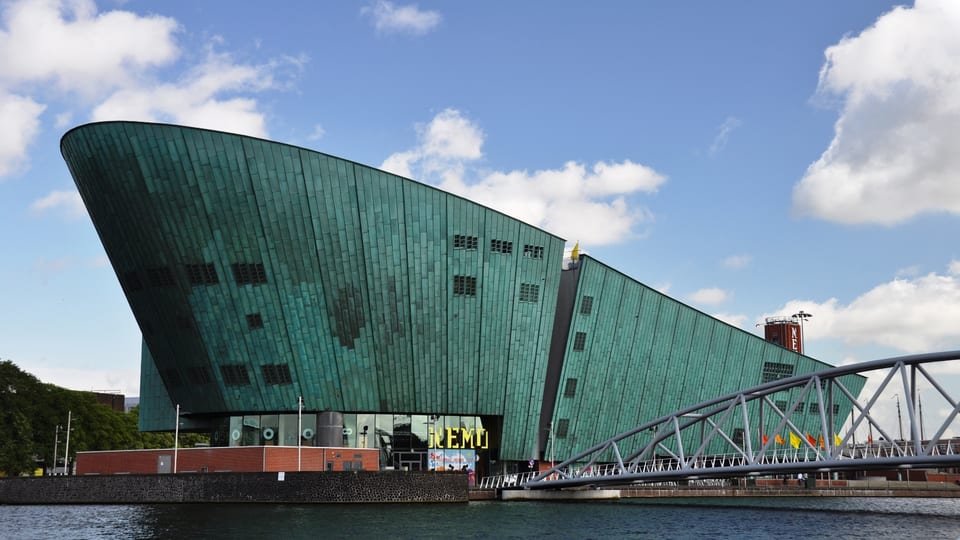
NEMO Science Museum
The museum's current copper-green building, designed by architect Renzo Piano, opened in 1997 on the Oosterdok waterfront, extending origins that trace back to a 1923 labour-history museum collection.
Best for: Families and travellers wanting a hands-on break from art and history museums · Area: Oosterdok, a short walk east of Centraal Station
Plan for The building's Rooftop Square is part of Renzo Piano's design, but the exhibition floors need a paid ticket and are built for a younger, hands-on audience rather than a slow adult-paced visit.
Plan one, three or five days in Amsterdam
One day: the canal ring and one museum, not every museum
Walk the canal ring and buy one timed museum slot, not three. Landing or leaving the same day? Put the museum in the middle of the day and let the Schiphol train to Centraal bracket it.
Our choice is the Anne Frank House: book the earliest timed slot the online release calendar has open, then spend the rest of the day on the canal ring itself, the Nine Streets and Dam Square, all within walking distance. A Rijksmuseum-first day works just as well if Golden Age painting matters more than 20th-century history. Just do not add the Van Gogh Museum to the same afternoon; the two together need more than a rushed pass through each.
The trade-off The Jordaan, De Pijp, Noord and the day trips are second-visit material; two paid museums plus the full ring in one day means the middle hours go to queues and trams, not to looking.
Three days: canal ring, Museum Quarter, and one contrast day
Sleep inside the canal ring or on Museumplein all three nights and give each day one subject. The Anne Frank House slot is the only booking to make before you land; the rest of this plan is walk-up or same-week.
Day one: the canal ring itself, the Anne Frank House and Dam Square, at an unhurried pace. Day two: the Museum Quarter, pairing the Rijksmuseum with the Van Gogh Museum and finishing in Vondelpark. Day three is the contrast day: choose the Jordaan's quieter streets and hofjes, or a history pairing of the Rembrandt House Museum with a free stop at the Begijnhof on the walk back toward the centre.
The trade-off De Pijp, Noord and the day trips wait unless one of them is the reason you came; a third day spent slowly in the Jordaan beats one spent crossing the IJ twice.
Five days: a seasonal day trip, then Amsterdam Noord
Take the day trip on day four, chosen by season (Keukenhof in its spring weeks, Zaanse Schans the rest of the year), and give day five to Noord or a slow return to the ring. A canal-ring or Museumplein hotel reaches every other district by tram, ferry or on foot, so the Keukenhof or Zaanse Schans day starts and ends at the same door.
Zaanse Schans runs windmill and craft demonstrations year-round and suits any month; Keukenhof's tulip gardens exist only within their own roughly eight-week spring season, so check the current season's dates before choosing it over Zaanse Schans. For day five, cross the IJ on the free ferry to Amsterdam Noord: NDSM Wharf's STRAAT museum for street art, or Buiksloterweg for the EYE Filmmuseum and Tolhuistuin.
The trade-off A second day trip would put two of the five days on trains. NEMO on a wet afternoon, or an unhurried second look at the ring, keeps the last day in the city.
Costed plans: One Day in Amsterdam: Free, Mid or Splurge → · Amsterdam in 3 Days: A Plan by Area →
Sources
checked 2026-09-12. Recommendations are editorial judgements based on the cited sources below.
Choose an Amsterdam base and explore nearby
Canal ring and city centre: the base inside the UNESCO ring
Consider this base when the Anne Frank House, Dam Square and the main shopping streets outside your door matter more than a quiet night.
Choose the property by its exact canal: Herengracht, Keizersgracht and Prinsengracht all sit inside the UNESCO-listed ring, but a room on a smaller side canal usually faces a narrower street with quieter nights. Use this base for the canal-ring and Museum Quarter days; the Museum Quarter itself is a 15-20 minute walk or a short tram ride away.
The trade-off Amsterdam Noord and De Pijp both sit a deliberate transport leg away from here, so a day built around either from this base is a genuine excursion, not a short walk. Streets along the main canals carry cyclists, tour groups and boat queues all day, so a quiet night depends on which canal you pick.
Museum Quarter (Museumplein): the base for gallery-heavy days
Consider this base when the Rijksmuseum, Van Gogh Museum and Vondelpark are the actual reason for the trip, and you accept a short tram ride into the canal ring for everything else.
Museumplein puts the Rijksmuseum and Van Gogh Museum on the same square, with Vondelpark directly behind it for a break between galleries; trams from here reach Centraal Station and the canal ring directly. Use this base for a museum-first stay, then treat the canal ring as a separate day rather than a stroll from the hotel.
The trade-off Museumplein is gallery convenience without the canals: the square fills with tour groups by mid-morning and empties in the evening, when the centre's canal-side restaurants are a tram ride away.
Jordaan or De Pijp: quieter, more residential bases
Consider either when a slower, more local pace matters more than stepping straight out to a landmark, and you are comfortable adding a short walk or tram ride to reach the canal ring and Museum Quarter each day.
The Jordaan's narrow streets and 17th-century hofjes sit a short walk west of the canal ring, favouring independent shops and cafes over sights. De Pijp, built around the Albert Cuyp Market, sits south of the centre with a younger, more local restaurant scene. Either works well as a second-stay base once the canal-ring highlights are already covered.
The trade-off Both are atmosphere over sights: on a first visit base in the ring or on Museumplein, and come to the Jordaan or De Pijp for the evenings.
Sources
checked 2026-09-12. Recommendations are editorial judgements based on the cited sources below.
Airport and getting around
Amsterdam Airport Schiphol (AMS), roughly 9 kilometres southwest of the centre, is the country’s main international gateway; the direct NS intercity train reaches Amsterdam Centraal in about 14-17 minutes.
GVB operates the city's trams, buses, metro and ferries on a single contactless payment system (OV-chipkaart or a tapped debit/credit card); the North/South metro line, opened in 2018, added a fifth line connecting Centraal Station to the south of the city.
Best time to visit
Spring (March–May)
Cool, changeable weather; Keukenhof's tulip gardens near Amsterdam hold a roughly eight-week seasonal opening each year (19 March to 10 May in 2026), and King's Day on 27 April brings citywide street parties, a canal-wide free market and an exceptional single-day crowd spike.
- Crowds
- Varies by event and attraction
Summer (June–August)
Amsterdam's warmest stretch, averaging around 18°C, and the most crowded season at the canal ring and Museum Quarter alongside long daylight hours.
- Crowds
- High
Notable events
- Pride Amsterdam's Canal Parade on the Amstel and Prinsengracht in August
Autumn (September–November)
September and October keep much of summer's mild weather with fewer crowds, before cooler, wetter conditions typically arrive by November; autumn is Amsterdam's rainiest season overall.
- Crowds
- Varies by event and attraction
Notable events
- Amsterdam Dance Event in late October
Winter (December–February)
Amsterdam's coolest stretch, averaging around 3.5°C in January; mild but damp conditions suit museums and indoor sites more than long outdoor walks.
- Crowds
- Low
Notable events
- Amsterdam Light Festival from late November into mid January
Food, markets and local life
The Albert Cuyp Market in De Pijp runs roughly 260 stalls along Albert Cuypstraat six days a week, formalised as a daily market in 1912 and billed as one of Europe's largest street markets.
Brown cafes (bruine kroegen) in the Jordaan and the canal-side restaurants of the ring are two different evenings: the first is a bar with a kitchen, the second a table with a view.
City profile
- Population (Amsterdam municipality (gemeente Amsterdam, including Weesp), CBS preliminary population estimate at 1 January 2026, reported via the citypopulation.de aggregator, 2026): 942,504
Amsterdam grew from a dam built on the Amstel river after the 1170 All Saints’ Flood, and Count Floris V granted the settlement a toll privilege in 1275 that exempted merchants from a bridge toll, seeding its commercial rise.
Construction of the canal ring (Grachtengordel) began in 1613 during the Dutch Golden Age; UNESCO inscribed the Seventeenth-Century Canal Ring Area of Amsterdam inside the Singelgracht in 2010 as a masterpiece of hydraulic engineering and town planning.
Famous for:
- The Rijksmuseum, Van Gogh Museum and Anne Frank House clustered around the Museum Quarter and the canal ring.
- The 17th-century canal ring (Grachtengordel), a UNESCO World Heritage Site inscribed in 2010.
- A dense cycling culture and canal-house architecture dating to the Dutch Golden Age.
What makes an Amsterdam visit worthwhile
The canal ring itself sets Amsterdam's 17th-century layer: merchant houses from the Dutch Golden Age, when the city led Europe's trade. A short walk away, the Museum Quarter holds that era's paintings, while the Anne Frank House sits a few canals over with an entirely different, 20th-century story. Treating these as three separate visits explains the city better than one long walk past all three.
The contrast that follows the canal ring matters as much as the ring itself: the Jordaan's quieter former working-class streets, Vondelpark's open space or a windmill day trip to Zaanse Schans show a different pace than the historic centre alone.
Amsterdam is the wrong stop for a traveller wanting an easy, unplanned single day: its major sights run on timed online entry rather than a walk-up pace, and skipping the advance booking usually means missing the Anne Frank House entirely. The canal ring and the Museum Quarter alone need two nights or more; a layover between flights sees neither properly.
- Plan by area
- Canal ring · Museum Quarter · Jordaan · Day trips
- Good first stay
- 3-4 days for the canal ring and major museums
- Climate constraint
- Mild, wet year-round · Spring tulip season
- Main airport
- AMS Schiphol · Direct train to Centraal in ~15 min
Planning your Amsterdam visit: FAQs
Can I see the Anne Frank House, Rijksmuseum and Van Gogh Museum in one day?
All three sit within or near the canal ring and Museum Quarter, so the walk between them is short, but stacking all three into one day means three timed entries in one day, each with its own queue. Split them instead: the Anne Frank House with a canal-ring walk on day one, the Rijksmuseum and Van Gogh Museum on Museumplein the next. The Anne Frank House needs a pre-booked timed slot regardless of pace.
Where should I base myself for a first Amsterdam trip?
Base in the canal ring or the Museum Quarter on a first trip: the three big museums are on foot from either, and the trams to Centraal and the Schiphol train pass close by. The Jordaan and De Pijp are for a return visit, when evenings in a neighbourhood matter more than the distance to the Rijksmuseum.
When is Amsterdam least crowded?
Late autumn and winter, outside the December holidays, are the quiet months for the museums and the canal ring; spring brings tulip season and, on 27 April, King's Day, when the centre is at its fullest.
Is Keukenhof worth a day trip from Amsterdam?
Only within its own roughly eight-week spring season; outside that window the gardens are closed, so this is strictly a spring add-on rather than a year-round day trip.
Is Amsterdam Noord worth the ferry trip?
As a deliberate contrast, yes: the free ferry from Centraal Station reaches NDSM Wharf's STRAAT museum or Buiksloterweg's EYE Filmmuseum in only a few minutes. The wharf spreads across a former shipyard, so give it a half-day rather than a quick stop squeezed between canal-ring sights.
Do I need to book the Rembrandt House Museum, Begijnhof or NEMO in advance?
NEMO and the Rembrandt House Museum are both paid, ticketed sites, so checking online availability before a fixed time slot is worth doing for either. The Begijnhof is a free, publicly accessible courtyard with no ticket and nothing to book.
Make your Amsterdam plans
Compare tours, tickets and activities in Amsterdam →
Choose your departure market and search flights to Amsterdam from the Mubboo Flights homepage.
Compare flights ↗Sources
Latest source check: .
Show all 25 sources
- citypopulation.de — Amsterdam municipality population, CBS preliminary estimate at 1 January 2026 (documented fallback; Statistics Netherlands' own municipality-level release is a downloadable spreadsheet the automated fetch tool could not open) (checked 2026-09-12)
- Wikipedia — History of Amsterdam (checked 2026-09-12)
- UNESCO World Heritage Centre — Seventeenth-Century Canal Ring Area of Amsterdam inside the Singelgracht (checked 2026-09-12)
- Anne Frank House — museum site (checked 2026-09-12)
- Rijksmuseum — About us (checked 2026-09-12)
- Wikipedia — Van Gogh Museum (checked 2026-09-12)
- JordaanWeb — History and Culture of the Jordaan (checked 2026-09-12)
- Wikipedia — Vondelpark (checked 2026-09-12)
- Albert Cuyp Market — About us (checked 2026-09-12)
- Climate-Data.org — Amsterdam climate normals (documented fallback; KNMI's own normals are published as a downloadable dataset, not a readable page) (checked 2026-09-12)
- Keukenhof — 2026 opening dates (checked 2026-09-12)
- City of Amsterdam — King's Day (checked 2026-09-12)
- Wikipedia — Amsterdam Airport Schiphol (documented fallback; schiphol.nl returned 403 to the automated fetch tool) (checked 2026-09-12)
- I amsterdam — tourism board, Getting around (checked 2026-09-12)
- Wikipedia — GVB (Amsterdam) (documented fallback; gvb.nl returned 403 to the automated fetch tool) (checked 2026-09-12)
- The booking platform — Amsterdam destination mapping d525 (checked 2026-09-12)
- Rembrandt House Museum (checked 2026-09-12)
- Wikipedia — Rembrandt House Museum (checked 2026-09-12)
- Het Begijnhof — history (checked 2026-09-12)
- NEMO Science Museum — About NEMO (checked 2026-09-12)
- Wikipedia — NEMO (museum) (checked 2026-09-12)
- I amsterdam — tourism board, Ferry (checked 2026-09-12)
- Pride Amsterdam: Canal Parade (checked 2026-09-17)
- Amsterdam Dance Event (checked 2026-09-17)
- Amsterdam Light Festival (checked 2026-09-17)
Photo credits
- anne frank house — Dietmar Rabich · CC BY-SA 4.0.
- rijksmuseum — Trougnouf (Benoit Brummer) · CC BY 4.0.
- van gogh museum — Sebastian Koppehel · CC BY 4.0.
- canal cruise — Radek Kucharski from Warsaw, Poland · CC BY 2.0.
- jordaan — PierreSelim · CC BY 3.0.
- vondelpark — Dguendel · CC BY 4.0.
- rembrandt house — Julien Chatelain from Paris, France · CC BY-SA 2.0.
- begijnhof — Massimo Catarinella · CC BY-SA 3.0.
- nemo — pj soans · CC BY-SA 3.0.
Mubboo Editorial Team · Reviewed by Mubboo Editorial Team


